Comprehensive Guide to TB Screening Tests: Methods, Accuracy, and Clinical Protocols
TB screening tests are clinical evaluations used to detect Mycobacterium tuberculosis infection, distinguishing between latent tuberculosis infection (LTBI) and active tuberculosis disease. These diagnostic procedures, including the Ma...
TB screening tests are clinical evaluations used to detect Mycobacterium tuberculosis infection, distinguishing between latent tuberculosis infection (LTBI) and active tuberculosis disease. These diagnostic procedures, including the Mantoux tuberculin skin test and interferon-gamma release assays, are essential for identifying at-risk individuals, protecting public health, and ensuring timely medical intervention in 2026.
Contents
Understanding Tuberculosis: Latent Versus Active Infection
Before evaluating diagnostic options, healthcare providers must establish the fundamental clinical distinction between latent tuberculosis infection and active tuberculosis disease. Mycobacterium tuberculosis is an aerobe bacterium transmitted primarily through airborne droplets when an infected person coughs, sneezes, or speaks.
When a person inhales these droplets, the bacteria may reach the alveoli of the lungs. The body's immune system typically responds by mounting a cellular immune response, walling off the bacilli within granulomas. This immune containment prevents the bacteria from multiplying and spreading, resulting in latent tuberculosis infection.
Key Clinical Distinction Patients with latent tuberculosis infection harbor the bacteria in their bodies, but they remain completely asymptomatic. They cannot transmit the infection to others and typically have a normal chest radiograph. However, without preventive treatment, a subset of these individuals may progress to active tuberculosis disease if their immune system weakens over time. Conversely, active tuberculosis disease occurs when the bacteria overcome immune defenses, multiply rapidly, and cause tissue destruction, most commonly in the lungs, rendering the patient symptomatic and contagious.
Primary Diagnostic Modalities for TB Screening
Medical professionals utilize two primary immunological tests to screen for Mycobacterium tuberculosis infection: the Mantoux tuberculin skin test (TST) and interferon-gamma release assays (IGRAs). Neither test can differentiate between latent infection and active disease on its own; both require supplementary clinical evaluations.
The Mantoux Tuberculin Skin Test (TST)
The Mantoux Tuberculin Skin Test involves the intradermal injection of 0.1 mL of purified protein derivative (PPD) tuberculin into the volar surface of the forearm. This creates a pale elevation of the skin, known as a wheal, measuring 6 to 10 mm in diameter.
- Administration Technique: The injection must be placed intradermally using a disposable 27-gauge needle and a tuberculin syringe.
- Reading Window: A trained healthcare professional must read the test reaction 48 to 72 hours after administration. If a patient fails to return within 72 hours, a repeat test is generally required.
- Measurement Criteria: Clinicians measure the transverse diameter of induration (the hard, raised area), not the surrounding erythema (redness).
Interferon-Gamma Release Assays (IGRAs)
Interferon-gamma release assays are whole-blood tests that measure the cell-mediated immune response to Mycobacterium tuberculosis antigens. Blood samples are mixed with specific antigens and controls. In persons infected with the bacteria, T lymphocytes release interferon-gamma (IFN-g) when exposed to these antigens.
- Available Assays: Commercial assays include the QuantiFERON-TB Gold Plus and the T-SPOT.TB test.
- Single-Visit Convenience: Unlike the TST, IGRAs require only a single phlebotomy visit, eliminating the need for a return appointment for test reading.
- BCG Vaccination Independence: IGRAs do not cross-react with the Bacillus Calmette-Guerin (BCG) vaccine, reducing false-positive results in individuals vaccinated against TB.
Comparison of TB Screening Methods
Selecting the appropriate screening modality depends on patient history, logistical constraints, and clinical guidelines. The following table contrasts the key operational and clinical parameters of both standard screening approaches.
| Parameter | Tuberculin Skin Test (TST) | Interferon-Gamma Release Assay (IGRA) |
|---|---|---|
| Visit Requirement | Requires two distinct patient visits (administration and reading). | Requires a single patient visit for blood collection. |
| BCG Interference | Can cause false-positive results in BCG-vaccinated individuals. | Unaffected by prior BCG vaccination; highly specific. |
| Subjective Reading | Dependent on trained clinician palpation and measurement. | Laboratory-based automated ELISA or ELISPOT reading. |
| Booster Phenomenon | Can occur with serial testing, causing a boosted second-test reaction. | Does not exhibit the booster phenomenon; suitable for serial testing. |
| Cost and Processing | Generally lower upfront material cost; immediate application. | Higher laboratory reagent costs; requires specialized lab equipment. |
Step-by-Step Clinical Workflow for TB Screening
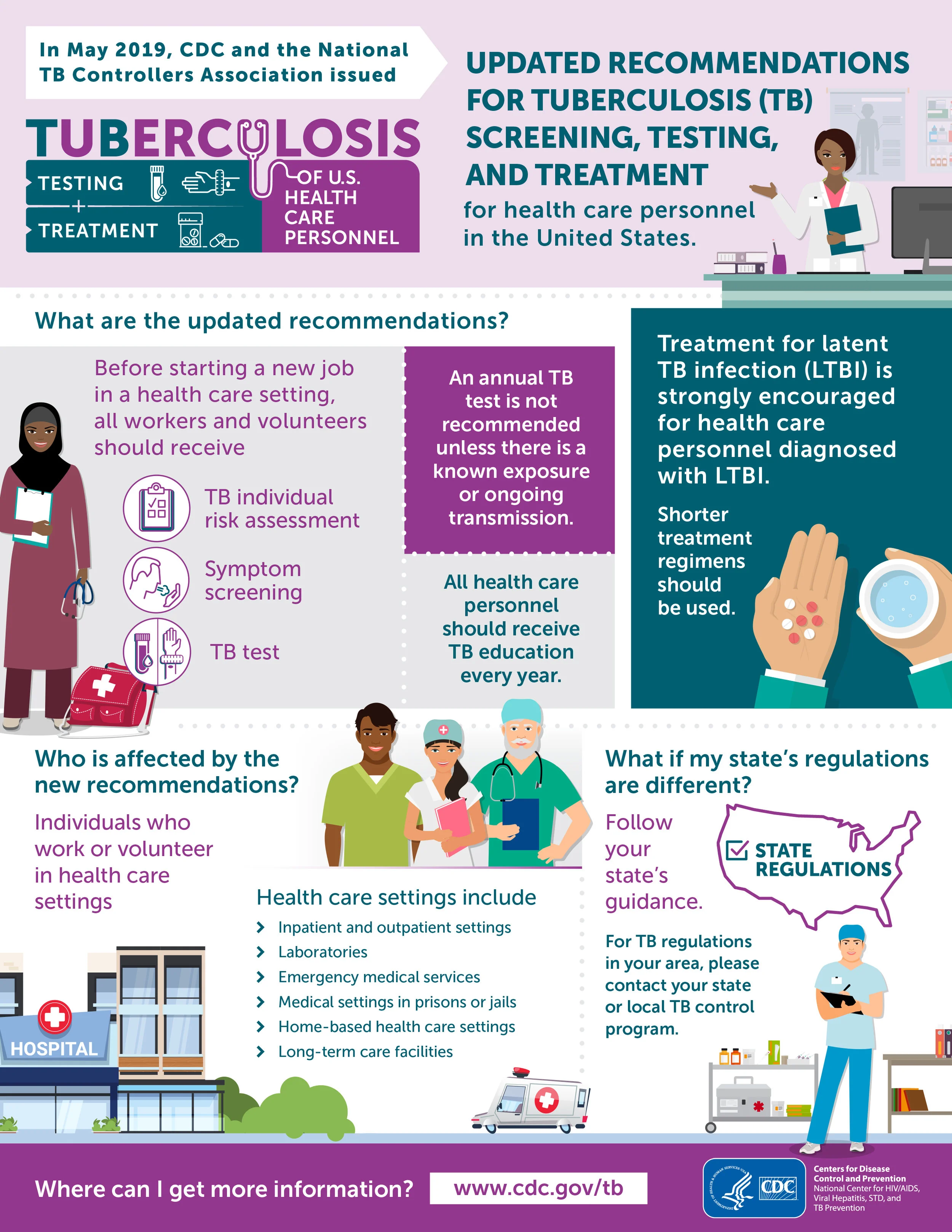
Executing an effective screening protocol requires strict adherence to infection control standards and clinical guidelines. Healthcare facilities and occupational health programs follow a standardized workflow to manage patient testing from initial risk assessment to confirmatory diagnosis.
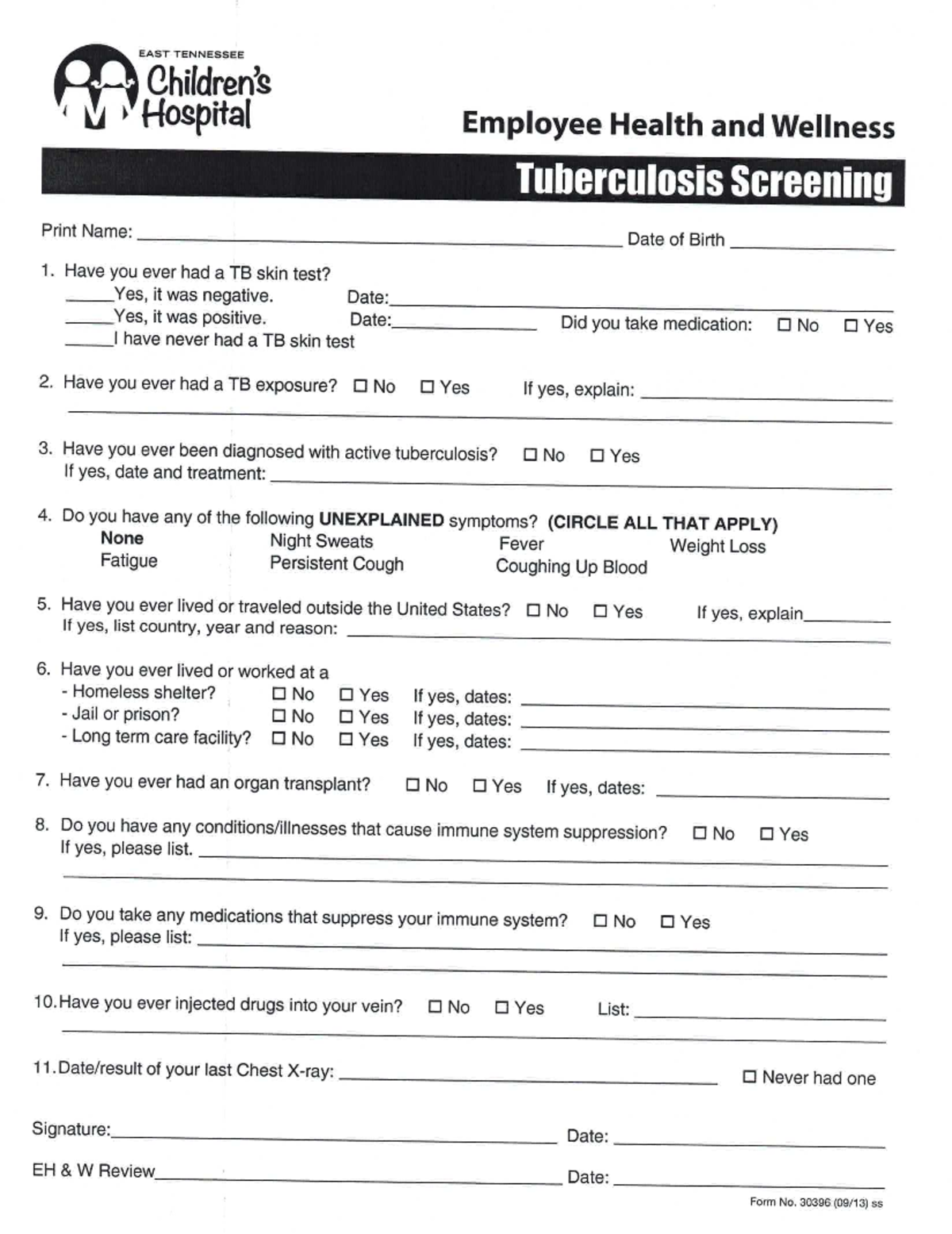
- Risk Stratification and Questionnaire: Assess the patient for known risk factors, including recent exposure to active TB cases, travel to endemic regions, immunosuppressive conditions, or employment in high-risk settings like healthcare facilities.
- Choice of Screening Test: Select TST or IGRA based on patient history, prior BCG status, and likelihood of compliance with a return visit for TST reading.
- Test Administration and Execution: Administer the PPD intradermally or draw blood for IGRA processing according to manufacturer specifications and laboratory protocols.
- Result Interpretation: Evaluate TST induration using established millimeter cutoffs (5 mm, 10 mm, or 15 mm based on risk factors) or review laboratory IGRA quantitative output for positive, negative, or indeterminate status.
- Confirmatory and Supplementary Evaluation: For any positive screening test, order a posterior-anterior and lateral chest radiograph to rule out active pulmonary tuberculosis. If pulmonary symptoms or radiographic abnormalities are present, collect sputum samples for acid-fast bacilli (AFB) smear microscopy, culture, and nucleic acid amplification testing (NAAT).
Cost, Limitations, and Potential Risks
While TB screening tests are vital preventative tools, clinicians must account for technical limitations, false-positive or false-negative results, and financial variables.
Diagnostic Limitations and Errors
- False-Negative Results: Immunocompromised individuals, including patients with advanced HIV infection, severe malnutrition, or those taking immunosuppressive biologics, may experience anergy—an inability to mount an immune response—leading to false-negative TST or IGRA outcomes.
- False-Positive Results: Non-tuberculous mycobacteria exposure or administration of the BCG vaccine can cause false positives on a TST.
- Indeterminate Results: IGRAs occasionally yield indeterminate results due to low mitogen control responses or technical laboratory errors, necessitating a repeat blood draw.
Financial Considerations
Screening costs vary significantly depending on the clinical setting, insurance coverage, and regional public health mandates. Occupational health screenings are frequently covered by employers, whereas diagnostic evaluations prompted by clinical symptoms are processed through standard medical insurance frameworks or public health clinics.
Frequently Asked Questions
What is the primary difference between a TST and an IGRA?
A TST involves an intradermal skin injection evaluated by palpation after 48 to 72 hours, whereas an IGRA is a single-visit blood test measuring immune cell cytokine release. IGRAs are unaffected by prior BCG vaccination, offering higher specificity in vaccinated populations.
Can the BCG vaccine cause a positive TB screening result?
Yes, the BCG vaccine can cause a false-positive result on a tuberculin skin test, particularly if administered in infancy or multiple times. However, BCG vaccination does not cause false-positive results on interferon-gamma release assays.
What happens if a TB screening test is positive?
A positive screening test indicates the presence of an immune response to Mycobacterium tuberculosis, but it does not confirm active disease. Clinicians order a chest X-ray and clinical symptom assessment to distinguish between latent infection and contagious active disease.
Are TB screening tests safe during pregnancy?
Yes, both the tuberculin skin test and interferon-gamma release assays are considered completely safe for pregnant individuals. Neither test poses any risk of harm to the developing fetus.
How soon after exposure should someone be tested for TB?
Because the immune system requires time to mount a measurable cellular response, healthcare providers generally recommend waiting 8 to 10 weeks after a known exposure before performing a definitive screening test.
What is the booster phenomenon in skin testing?
The booster phenomenon occurs when an infected person's immune response to tuberculin wanes over decades. A first TST stimulates immune memory rather than causing a reaction, while a second test administered later elicits a strong positive reaction that can be mistaken for a new infection.
Practical Recommendations for Healthcare Providers
To optimize tuberculosis screening outcomes, facilities should establish robust tracking mechanisms for patient follow-up and ensure all testing personnel maintain active competency certifications. When dealing with high-risk populations, maintain a low threshold for ordering chest radiographs alongside immunological tests to prevent missed diagnoses of active disease. Coordinate closely with local public health departments for mandatory reporting and contact tracing protocols to maintain community-wide infection control standards.
Image Gallery