Menards Landscape Fabric: Ultimate Selection, Installation, and 2026 Buying Guide
Menards landscape fabric provides property owners with a reliable solution for weed suppression, soil stabilization, and moisture retention in residential and commercial outdoor spaces. Selecting the right grade, understanding proper g...
Menards landscape fabric provides property owners with a reliable solution for weed suppression, soil stabilization, and moisture retention in residential and commercial outdoor spaces. Selecting the right grade, understanding proper ground preparation, and executing correct installation techniques ensure long-term durability and effective weed control without prematurely degrading under mulch or stone.
Contents
Understanding Menards Landscape Fabric Options and Material Specifications
Menards stocks several varieties of geotextile and weed barrier fabrics, catering to different project requirements ranging from light-duty annual flower beds to heavy-duty commercial gravel driveways. Choosing the correct material prevents premature tearing, weed breakthrough, and drainage failure.
Landscape fabrics generally fall into three primary categories based on their manufacturing process: spun-bond, needle-punched, and woven fabrics. Each type offers distinct advantages regarding water permeability, tensile strength, and UV resistance.
- Spun-Bond Polypropylene: Lightweight and budget-friendly, ideal for temporary garden beds or underneath lightweight organic mulches like shredded bark.
- Needle-Punched Non-Woven: Thick, felt-like materials that allow high rates of water and air permeability while blocking sunlight effectively. Excellent for perennial gardens and retaining walls.
- Woven Polypropylene: High tensile strength fabrics designed for heavy load-bearing applications, such as underneath paver patios, gravel walkways, and driveways.
Key Factors to Evaluate Before Purchasing at Menards
Evaluating specific site conditions ensures that the fabric purchased from Menards performs as expected over several seasons. Neglecting site evaluation often leads to weed seed germination on top of the fabric or water pooling due to poor permeability.
Soil Drainage and Water Permeability
Heavy clay soils require fabrics with high water flow rates (measured in GPM per square foot) to prevent surface puddling and root rot. Non-woven needle-punched fabrics typically offer superior drainage compared to tightly woven slit-film alternatives.
Sunlight Exposure and UV Degradation
Uncovered landscape fabric degrades rapidly under direct ultraviolet radiation. If the fabric will remain exposed for any period before mulch or stone application, verify that the Menards product features heavy-duty UV-inhibitor treatments.
Anticipated Foot Traffic and Weight Loads
Walkways, gravel paths, and paver bases exert downward pressure that can puncture thin spun-bond sheets. High-traffic zones require woven geotextiles with high Mullen burst strength ratings.
Comparative Breakdown of Menards Weed Barrier Types
Reviewing material characteristics side-by-side helps identify the ideal grade for specific landscaping applications.
| Fabric Type | Primary Material | Best Application | Water Permeability | Tensile Strength | Expected Longevity |
|---|---|---|---|---|---|
| Light-Duty Spun-Bond | Polypropylene | Annual flower beds, raised garden boxes | Moderate | Low | 2 to 4 Years |
| Medium-Duty Non-Woven | Polypropylene/Polyester | Perennial gardens, shrub borders, slopes | High | Moderate | 5 to 10 Years |
| Heavy-Duty Woven | Woven Polypropylene | Paver bases, gravel driveways, French drains | Moderate to High | Very High | 15+ Years |
| Professional Grade Geotextile | Heavy Needle-Punched | Commercial landscaping, riprap erosion control | Maximum | Exceptional | 20+ Years |
Step-by-Step Installation Guide for Optimal Performance
Proper installation maximizes the lifespan of landscape fabric and eliminates common failure points where weeds manage to breach the barrier.
Execution Standard: Always clear the installation area down to bare soil, removing all existing perennial weed roots, sharp sticks, and debris that could puncture the fabric from below.
- Site Preparation and Grading: Clear all vegetation, rocks, and debris. Rake the soil smooth and grade the surface away from foundations to ensure proper drainage.
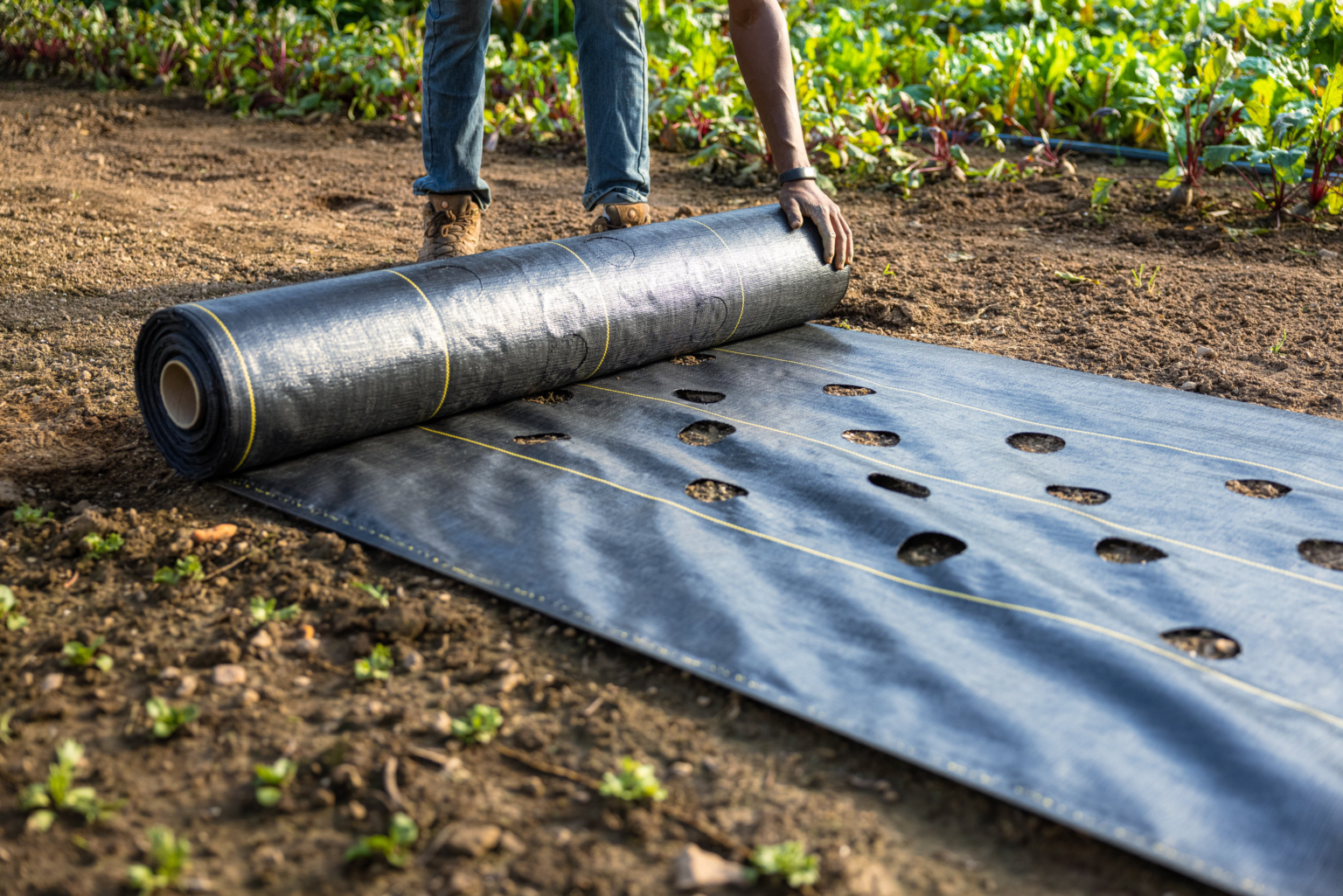
- Laying the Fabric: Roll out the Menards landscape fabric along the length of the bed. If multiple rows are required, overlap the edges by at least 6 to 12 inches to prevent weeds from pushing through the seams.
- Securing the Edges: Anchor the fabric firmly into the ground using landscape staples or pins every 3 to 5 feet, placing additional pins along all overlap seams and corners.
- Cutting Planting Openings: Use a sharp utility knife or razor to cut an "X" shape into the fabric wherever a plant or shrub is positioned. Fold the triangular flaps back, plant the specimen, and pull the flaps snug against the base of the plant.
- Applying Top Cover: Cover the entire fabric surface promptly with 2 to 3 inches of organic mulch, wood chips, or decorative stone to protect the material from UV degradation.
Pros and Cons of Using Landscape Fabric
Weighing the advantages and potential drawbacks ensures realistic expectations for landscape maintenance over time.
Advantages
- Effective Weed Suppression: Significantly reduces the germination of wind-blown weed seeds by blocking sunlight.
- Chemical-Free Maintenance: Minimizes the need for pre-emergent herbicides or constant hand-pulling in hard-to-reach areas.
- Soil Stabilization: Prevents decorative stone and gravel from sinking into underlying native clay or loamy soils.
Disadvantages
- Organic Matter Accumulation: Over time, decomposing mulch on top of the fabric creates a new layer of soil where weeds can root independently of the barrier below.
- Potential Drainage Hindrance: Low-quality or silt-clogged fabrics can impede natural soil breathing and water infiltration.
- Removal Complexity: Older fabrics can become tangled with plant root systems, making removal or bed redesign labor-intensive.
Troubleshooting Common Landscape Fabric Failures
Addressing minor issues promptly prevents widespread weed infestation and structural settling in landscaped zones.
- Weeds Growing on Top of the Fabric: This occurs when windblown dust and organic debris accumulate on top of the mulch layer. Solution: Apply a fresh layer of mulch or weed the surface manually before seedlings establish deep roots.
- Water Pooling on the Surface: Caused by soil compaction or low-permeability fabric choices. Solution: Poke small drainage holes in pooled areas using a garden fork and ensure adequate mulch depth is maintained without packing it down excessively.
- Fabric Lifting and Shifting: Occurs when inadequate staples are used or high winds catch unanchored edges. Solution: Install additional heavy-duty steel landscape staples, driving them flush with the soil grade.
Frequently Asked Questions
How long does Menards landscape fabric typically last?
Menards landscape fabrics range in lifespan from 2 to 3 years for lightweight spun-bond options up to 15 to 20 years for heavy-duty woven geotextiles. Longevity depends directly on material thickness, proper anchoring, and complete coverage under mulch or stone to block UV light.
Should I put landscape fabric under river rock or gravel?
Yes, heavy-duty woven landscape fabric is highly recommended beneath stone and gravel installations. It prevents expensive decorative rock from sinking into the mud while blocking weed growth from below.
Can water and fertilizer still reach plant roots through the fabric?
Quality non-woven and needle-punched landscape fabrics are porous, allowing rainwater, liquid fertilizers, and oxygen to pass freely into the root zone. Avoid using solid plastic sheeting, which suffocates plants and blocks moisture entirely.
What is the best tool for cutting holes in landscape fabric?
A sharp utility knife with a fresh blade or a pair of heavy-duty shears works best for cutting clean lines and "X" planting slits. A heated soldering iron can also melt clean edges in synthetic woven fabrics to prevent fraying.
Do I need to remove old landscape fabric before installing new material?
Leaving old, heavily degraded fabric in place can restrict water infiltration and root growth for new plantings. It is best practice to pull up torn or degraded old fabric, clear the soil, and lay fresh material down for optimal results.
How far apart should landscape staples be placed?
Place landscape staples every 3 to 5 feet along straight edges, and every 1 to 2 feet along overlap seams, corners, and slopes. Secure anchoring prevents the fabric from shifting during mulch application or heavy storms.
Image Gallery