Taylor GS Mini e Review in Detail: Portability Meets Professional Performance
The Taylor GS Mini e is a downsized acoustic-electric guitar designed to offer the rich, full-bodied tonal characteristics of a Grand Symphony body shape in a compact 23.5-inch scale length. Engineered for comfort and portability witho...
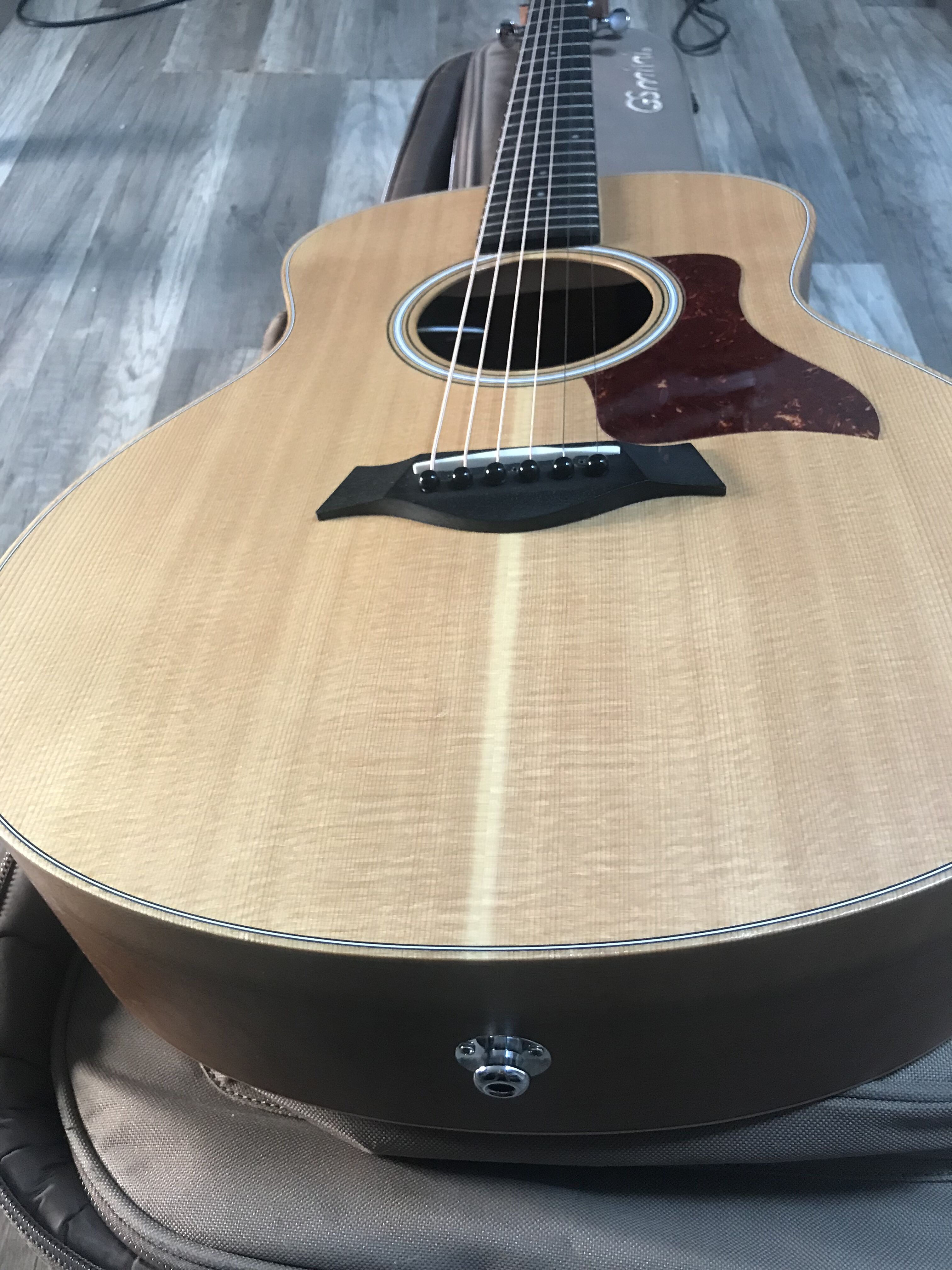
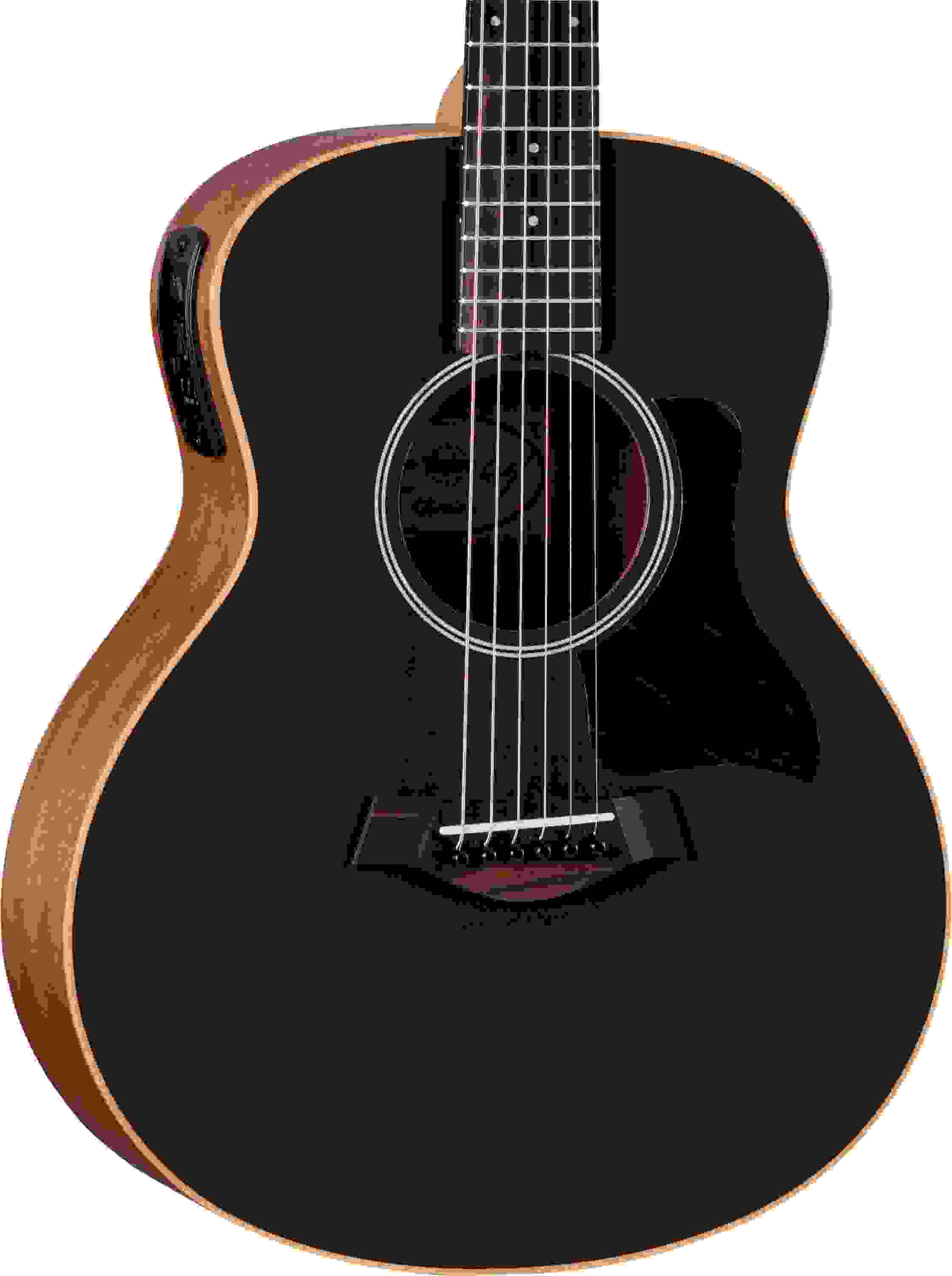
The Taylor GS Mini e is a downsized acoustic-electric guitar designed to offer the rich, full-bodied tonal characteristics of a Grand Symphony body shape in a compact 23.5-inch scale length. Engineered for comfort and portability without sacrificing professional-grade sound, it serves as an ideal solution for traveling musicians, smaller-framed players, and studio recording artists seeking a distinct, punchy voice.
Contents
Understanding the GS Mini Concept
The "GS" in GS Mini refers to Taylor’s Grand Symphony body shape, known for its wide, curved lower bout that emphasizes resonance and volume. By scaling this design down, Taylor created an instrument that defies the traditional "travel guitar" stigma—which often equates to thin, boxy, or toy-like sound.
The GS Mini e achieves its signature sound through a combination of a slightly arched back, which acts as a sound reflector to increase projection, and a carefully calculated bracing pattern. Unlike budget travel guitars that use laminate woods exclusively to save on production costs, the GS Mini e typically features a solid wood top (most commonly Sitka spruce or mahogany), which is essential for the instrument's ability to "open up" and vibrate effectively over time.
Key Technical Specifications
To appreciate the performance of the GS Mini e, one must look at the structural choices that distinguish it from standard parlor or 000-sized guitars.
- Scale Length: 23.5 inches. This shorter scale reduces string tension, making the guitar noticeably easier to fret, especially for beginners or those transitioning from electric guitars.
- Body Wood: Solid Sitka spruce or tropical mahogany top, paired with layered sapele, rosewood, or koa back and sides. The layered back/sides provide durability against humidity changes, making it a reliable travel companion.
- Electronics: The "e" in the model designation denotes the inclusion of the ES-B (Expression System Baby) or ES2 system, depending on the specific production run. These systems are designed to capture the natural acoustic vibration of the top and saddle, providing a reliable direct-to-PA or interface signal.
- Neck Material: Tropical mahogany with an ebony fretboard, maintaining the high-quality feel associated with Taylor’s premium line.
Practical Performance and Playability
In practice, the GS Mini e feels substantial. While the body is physically smaller, the neck profile remains familiar to those who play full-sized Taylor guitars. The reduced tension from the short scale is perhaps the most immediate benefit; chords that require large stretches are significantly more accessible.
When playing unplugged, the projection is surprisingly loud. The mid-range is punchy and focused, which works exceptionally well for fingerstyle playing and rhythmic strumming. Because of the shorter scale, it is common practice to use medium-gauge strings (13-56) to ensure the strings maintain adequate tension and prevent buzzing. Players who find medium strings too heavy may struggle, but the trade-off is a vastly superior acoustic tone compared to using light-gauge strings.
The electronic system included in the "e" models is designed for utility. While it does not offer the complex EQ controls of a boutique external preamp, it provides a functional, balanced sound that is ideal for live performance or quick recording sessions where miking an acoustic might be impractical.
Comparison Table: GS Mini e vs. Standard Acoustic Guitars
| Feature | Taylor GS Mini e | Full-Size Dreadnought |
|---|---|---|
| Scale Length | 23.5" | 25.5" |
| Portability | Excellent (Fits airline overhead) | Poor (Requires hard case/check-in) |
| Volume/Projection | High (for size) | Very High |
| String Tension | Lower (Easier to bend) | Standard |
| Best Application | Travel, Writing, Small Stage | Ensemble, Studio, Solo Vocals |
Addressing Common Limitations
No instrument is perfect, and the GS Mini e has distinct limitations based on its design constraints. First, the lower string tension can make the guitar less suitable for aggressive, heavy-handed strumming; players with a very strong attack may find the strings oscillate too wide, potentially causing minor fret rattle.
Second, while the electronics are reliable, they are not intended to replace high-end studio microphones. For professional studio recordings, the GS Mini e is best utilized as a layered instrument to add high-end "shimmer" to a mix rather than as the primary foundational acoustic track. Finally, the compact body means a lack of deep, sub-bass frequencies. It is not designed to rumble the chest like a full-bodied rosewood dreadnought.
Who Should Buy the Taylor GS Mini e?
This instrument is best suited for three specific types of players:
- The Traveling Musician: Those who need a professional tool that fits in overhead bins and survives temperature fluctuations in climate-controlled transit.
- The Bedroom/Studio Producer: Someone with limited space who needs an acoustic guitar that sits well in a mix without requiring complex room treatment to record.
- The Developing Player: Players who struggle with the physical demands of a 25.5-inch scale length will find the GS Mini e to be an ergonomic bridge that makes practice more enjoyable and sustainable.
Maintenance and Care
Because the GS Mini e is often taken into environments more hostile than a living room, proper maintenance is vital. Always store the guitar in its included gig bag when not in use. Ensure that the humidity is kept between 45% and 55%. If you are traveling frequently, invest in a simple digital hygrometer to place inside the bag.
For the electronic system, keep a spare CR2032 battery (the standard for most ES-B systems) in the accessory pouch. Battery depletion is the most common "troubleshooting" issue for this guitar; if your signal cuts out or sounds distorted, checking the battery is the first logical step.
Frequently Asked Questions
Is the GS Mini e considered a toy or a real instrument? The GS Mini e is a fully professional instrument. While its size makes it convenient for travel, its construction quality, materials, and intonation meet the standards required for touring and professional recording. It is widely used by working musicians as a "go-to" instrument.
Can I use light-gauge strings on the GS Mini e? While you can physically install light-gauge strings, Taylor specifically designs the GS Mini to ship with medium-gauge strings. Light strings may result in lower tension, which can lead to fret buzz and a lack of acoustic volume. If you must use light strings, you may need a professional setup to adjust the truss rod for optimal action.
Does the GS Mini e fit in standard airline overhead bins? Yes. The GS Mini is specifically designed to meet the size requirements for carry-on luggage on most major airlines, making it one of the most reliable options for air travel.
How does the ES-B electronic system perform in live settings? The ES-B system is designed for a direct-to-PA signal. It is clear, feedback-resistant, and maintains the tonal signature of the wood. It is excellent for coffeehouse or small venue settings, though it is recommended to run the signal through a DI box to manage impedance if running long cable lengths.
Does the guitar come with a case? Yes, every Taylor GS Mini e includes a high-quality, structured Taylor gig bag. It provides significant protection and is designed to fit the specific dimensions of the GS Mini body shape.
Final Recommendation
The Taylor GS Mini e remains a benchmark for the compact acoustic-electric market. If you are looking for an instrument that balances professional playability with genuine portability, it is an industry-leading choice. Before purchasing, verify your preferred top wood—Spruce provides a brighter, more percussive sound, while Mahogany offers a warmer, more compressed tone—to ensure it fits your musical style. For most players, this guitar is not merely a "second" instrument, but one that will see more daily use than a larger, more cumbersome acoustic.
Image Gallery