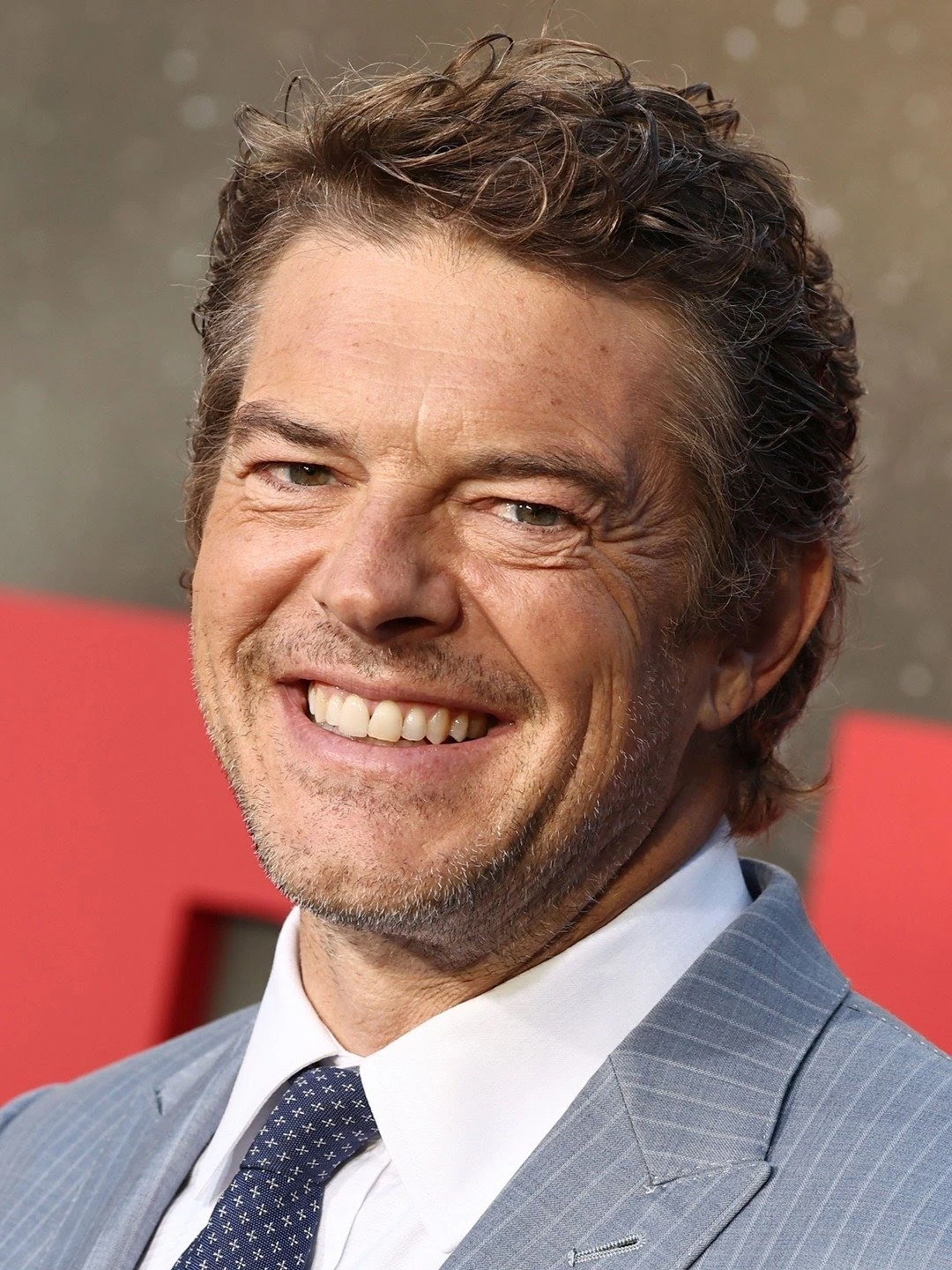
Who Is Jason Blum? The Producer Redefining Modern Hollywood Horror
Jason Blum is an Academy Award-nominated American film and television producer best known as the founder and Chief Executive Officer of Blumhouse Productions. He revolutionized modern Hollywood by developing a high-yield, micro-budget...
Jason Blum is an Academy Award-nominated American film and television producer best known as the founder and Chief Executive Officer of Blumhouse Productions. He revolutionized modern Hollywood by developing a high-yield, micro-budget production model that empowers directors with creative freedom while generating massive box-office profits through hits like Paranormal Activity, Insidious, The Purge, and Get Out.
Contents
Early Career and the Origins of Blumhouse Productions
Before becoming one of the most commercially successful producers in independent and studio film history, Jason Blum spent years learning the logistics of production and acquisition within the traditional studio system. Born in Los Angeles in 1969, Blum attended Vassar College, where he co-founded the Malaparte theater company alongside actor Ethan Hawke. This early experience managing low-budget stage productions established his foundational belief that tight financial boundaries often nurture, rather than restrict, artistic innovation.
Blum subsequently worked as the Director of Acquisitions at Arrow Entertainment and later served as an executive at Miramax Films under Harvey and Bob Weinstein. At Miramax, he oversaw the acquisition and executive production of high-profile independent releases, including The Impressionists and Hamlet (2000). Despite working within a well-funded studio apparatus, Blum observed an ongoing inefficiency in how major studios allocated film budgets. High upfront production costs frequently forced studios to override director vision to protect investments, leading to creative compromises and inflated financial risks.
Recognizing an alternative path, Blum departed Miramax and established Blumhouse Productions in 2000. The company initially operated as a traditional indie outfit until 2007, when Blum acquired the distribution rights to a low-budget home-video horror movie titled Paranormal Activity, directed by Oren Peli. Produced for approximately $15,000, the film was meticulously re-edited, tested, and marketed under Blum's direction. Distributed theatrically by Paramount Pictures in 2009, Paranormal Activity earned over $193 million worldwide, solidifying the economic template that would define Blum's career.
The Blumhouse Business Model: High Yield, Low Budget
The cornerstone of Jason Blum’s reputation in the entertainment industry is the "Blumhouse Model." Designed to mitigate downside risk while maximizing upside profitability, this financial and operational strategy shifted how Hollywood approaches genre filmmaking.
- Micro-Budget Funding (Under $5M - $10M per film)
- Director's Final Cut & Creative Autonomy (In exchange for reduced upfront fees)
- High-Concept Production & Quality Control
- Studio Distribution Deal (First-look theatrical release)
- Box Office Breakthrough (Backend profit sharing)
- Low-performing Release (Low financial loss capped)
The Financial Mechanics of Micro-Budgeting
Under standard operating procedures, Blumhouse caps the production budgets of original films between $3 million and $5 million, with sequels occasionally receiving moderate increases up to $10 million or $15 million. By keeping physical production costs extraordinarily low, the studio ensures that a film can recoup its investment even if it delivers a modest theatrical or video-on-demand performance.
To achieve these low budgets without sacrificing production values, Blum relies on several production guidelines:
- Limited Locations: Scripts are deliberately selected or altered to take place in one or two primary locations, minimizing costly company moves.
- Minimal Speaking Roles: Cast sizes are kept small to reduce SAG-AFTRA scale costs and overall payroll expenses.
- Streamlined Shooting Schedules: Principal photography typically spans 15 to 21 days, compared to the 60-to-90-day schedules standard for mid-to-high-budget studio features.
- Reliance on High-Concept Ideas: The narrative relies on psychological suspense, clever premises, or atmospheric tension rather than expensive CGI or explosive set pieces.
Creative Autonomy in Exchange for Backend Equity
In exchange for accepting below-market upfront compensation, directors, writers, and top-line actors working with Blumhouse receive two critical incentives: final cut privilege and backend profit participation.
Because the financial risk is capped at a low baseline, Blum allows filmmakers total artistic control over the narrative and tone, a rare privilege in studio filmmaking. If the film achieves commercial success, the talent shares directly in the pool of net revenues. This model attracted veteran filmmakers such as M. Night Shyamalan (The Visit, Split), Spike Lee (BlacKkKlansman), and James Wan (Insidious), as well as first-time directors like Jordan Peele (Get Out).
Distribution Partnerships
A critical element of Blum's strategy is separating production risk from distribution costs. Blumhouse does not independently finance wide theatrical marketing campaigns (Prints & Advertising, or P&A), which can easily exceed $30 million per title. Instead, the company operates under long-term studio partnerships. Blumhouse established a lucrative multi-year first-look deal with Universal Pictures, allowing Universal to fund global distribution while Blumhouse retains creative oversight and nimble production structures.
Key Franchises and Standout Releases
Jason Blum’s filmography includes hundreds of theatrical releases, streaming titles, and television series. His body of work falls broadly into two categories: lucrative horror franchises and critically acclaimed prestige films.
Defining Horror Franchises
- Paranormal Activity (2007–Present): The foundational franchise that proved found-footage horror could dominate global markets, spawning multiple sequels and generating over $890 million collectively.
- Insidious (2010–Present): Directed by James Wan and written by Leigh Whannell, this supernatural series launched a lucrative universe based on supernatural realm mythology.
- The Purge (2013–Present): Created by James DeMonaco, this dystopian horror-thriller franchise transformed political commentary into a high-concept box-office pillar.
- Sinister (2012–2015): Directed by Scott Derrickson, this franchise highlights Blumhouse's ability to craft durable horror icons on ultra-lean budgets.
- The Halloween Reboot Trilogy (2018–2022): Blum acquired the rights to the legacy horror franchise, recruiting director David Gordon Green and returning star Jamie Lee Curtis to launch a trilogy that grossed over $490 million globally.
- Five Nights at Freddy's (2023): Adapting the popular video game, this production set records as Blumhouse's highest-grossing global release to date, taking in over $290 million against a reported $20 million budget.
Social Thrillers and Prestige Academy Award Contenders
While horror remains the flagship brand of Blumhouse, Jason Blum has repeatedly leveraged his production framework to support award-winning auteur cinema.
| Film Title | Release Year | Production Budget | Global Box Office |
|---|---|---|---|
| Paranormal Activity | 2009 (Wide) | ~$15,000 | $193.4 Million |
| Insidious | 2011 | $1.5 Million | $100.1 Million |
| The Purge | 2013 | $3.0 Million | $89.3 Million |
| Whiplash | 2014 | $3.3 Million | $49.4 Million |
| Get Out | 2017 | $4.5 Million | $255.7 Million |
| Halloween | 2018 | $10.0 Million | $259.9 Million |
| M3GAN | 2023 | $12.0 Million | $181.0 Million |
| Five Nights at... | 2023 | $20.0 Million | $297.2 Million |
- Whiplash (2014): Directed by Damien Chazelle, this low-budget drama about an ambitious jazz drummer earned five Academy Award nominations, including Best Picture, winning three.
- Get Out (2017): Jordan Peele’s directorial debut combined social satire with horror. Made for $4.5 million, it grossed over $255 million worldwide and earned four Oscar nominations, winning Best Original Screenplay and earning Blum a Best Picture nomination.
- BlacKkKlansman (2018): Directed by Spike Lee, this biographical crime comedy-drama earned six Oscar nominations—including another Best Picture nod for Blum—and won Best Adapted Screenplay.
Traditional Studio Model vs. The Blumhouse Model
The fundamental differences between how a traditional Hollywood legacy studio produces genre films versus how Jason Blum structures his slate demonstrate why Blumhouse yields disproportionately high returns.
| Feature / Metric | Traditional Hollywood Studio Model | The Jason Blum (Blumhouse) Model |
|---|---|---|
| Average Production Budget | $30 Million – $90 Million+ (for genre/horror) | $3 Million – $5 Million (Up to $15M for sequels) |
| Filmmaker Creative Control | Studio executives retain final cut; heavy note-giving | Director retains final cut privileges on low-budget films |
| Upfront Talent Fees | High guaranteed salaries for stars and directors | Scale upfront fees; heavy backend upside participation |
| Risk Profile | High financial exposure per project | Distributed, low-risk portfolio model |
| Production Constraints | Long schedules, heavy reliance on post-production VFX | Short schedules (15-20 days), single locations, practical effects |
| Distribution Strategy | Studio finances production, marketing, and distribution directly | First-look partnership with studio partners (e.g., Universal) |
Strategic Mergers, Television, and Expansion
As Blumhouse grew into a major entertainment brand, Jason Blum expanded operations beyond independent film production into a multi-platform media organization.
The Atomic Monster Merger
In early 2024, Blumhouse completed a major corporate merger with Atomic Monster, the production company founded by director and producer James Wan (Saw, The Conjuring, Aquaman). The merger brought together two of the most commercially successful horror creators in modern cinema history.
Operating as separate sub-labels under a unified corporate umbrella, the joint entity leverages shared infrastructure, increased bargaining power with major distributors, and combined intellectual property portfolios while keeping both Blum and Wan actively involved in creative leadership.
- Blumhouse & Atomic Monster Entity
- Blumhouse (Jason Blum)
- Theatrical Film Slate
- Television & Streaming
- Games Animation
- Atomic Monster (James Wan)
- Theatrical Film Slate
- Blumhouse (Jason Blum)
Blumhouse Television and Games
Recognizing changing audience consumption habits, Blum expanded into long-form television, documentary filmmaking, and interactive media:
- Blumhouse Television: Established to produce scripted and unscripted television shows, including The Purge TV series (USA Network), The Loudest Voice (Showtime), and the anthology film series Into the Dark (Hulu) and Welcome to the Blumhouse (Amazon Prime Video).
- Blumhouse Games: Launched to target indie video game developers, applying the same low-budget, high-creativity philosophy to interactive horror software across PC and console platforms.
Industry Impact and Recognition
Jason Blum's contribution to cinema extends beyond raw financial return. He altered how major studios manage risk in an era otherwise dominated by $200 million superhero and franchise blockbusters. By proving that low-budget genre films can secure wide theatrical releases, achieve global pop-culture relevance, and win major industry accolades, Blum preserved a viable space for theatrical mid-tier and indie cinema.
His achievements have been formally recognized by major industry bodies:
- Academy Awards (Oscars): Received three separate nominations for Best Picture for producing Whiplash (2014), Get Out (2017), and BlacKkKlansman (2018), as recorded in the official Academy Awards Database.
- BAFTA Awards: Nominated for Best Film for Whiplash and Get Out.
- Emmy Awards: Won Primetime Emmy Awards for Producing Outstanding Television Movie for The Normal Heart (2014) and Under the Grapefruit Tree: The CC Sabathia Story (2020), alongside an Emmy for the documentary series The Jinx: The Life and Deaths of Robert Durst (2015).
- Producers Guild of America (PGA): Awarded the Norman Lear Award in Television and the Visionary Award for creative production strategies.
Practical Takeaways for Filmmakers and Industry Observers
Studying Jason Blum's model provides valuable strategic insights for independent producers, directors, and film business analysts:
- Embrace Constraints to Protect Vision: Keeping budgets minimal reduces studio oversight. The lower the cost of a film, the fewer people are required to approve creative choices.
- Align Financial Incentives: Deferring upfront compensation in exchange for equity aligns the interests of producers, directors, and investors. Everyone profits together when the project succeeds.
- Prioritize Concept Over Scale: High-concept premises that rely on tension, psychological stakes, or unique social commentary perform better on lean budgets than scale-dependent action or visual effects.
- Partner for Scale Distribution: Independent producers should focus on core creative and production efficiencies, leaving mass-market theatrical P&A and physical distribution to established global partners.
Frequently Asked Questions
How much does Jason Blum typically spend to produce a film?
Jason Blum’s signature strategy involves spending between $3 million and $5 million on original, unproven film concepts. For sequels or established intellectual properties (such as Halloween or Five Nights at Freddy's), budgets may increase to between $10 million and $20 million, which remains significantly lower than standard studio releases.
Does Blumhouse only produce horror movies?
No. While Blumhouse is primarily known for horror, Jason Blum has produced critically acclaimed dramas, thrillers, and documentaries. Notable non-horror projects include the Oscar-winning films Whiplash and BlacKkKlansman, as well as television projects like The Loudest Voice and The Jinx.
How does Jason Blum give directors final cut privilege?
Because Blumhouse films are produced at low budgets, the financial risk to the company and studio partners is strictly controlled. In exchange for directors accepting lower upfront pay, Blum contractually grants them final cut privileges—a right rarely extended to directors working within traditional studio budget tiers.
What was Jason Blum’s most profitable movie relative to its budget?
Paranormal Activity (2007/2009) remains Blum's most profitable film in terms of return on investment. Acquired and re-finished for minimal costs after an initial $15,000 production budget, it earned more than $193 million at the worldwide box office.
How did the merger between Blumhouse and Atomic Monster work?
Finalized in early 2024, the merger combined Jason Blum’s Blumhouse Productions with James Wan’s Atomic Monster. The entities operate under a shared parent banner to pool development resources and negotiating leverage with distributors, while maintaining separate release labels.
Summary and Recommended Next Actions
Jason Blum stands as one of modern Hollywood's most influential figures, establishing that disciplined production budgets, high-concept storytelling, and total directorial freedom can coexist within a highly profitable business framework.
For filmmakers and industry executives looking to apply these principles:
- Study Lean Screenwriting: Analyze scripts from early Blumhouse successes like Insidious or The Purge to understand how to craft high-tension stories using limited locations and minimal cast sizes.
- Review Independent Rights Acquisition: Examine how Blumhouse acquires existing intellectual property or indie festival debuts to re-scale them for wide commercial distribution.
- Track Evolving Distribution Windows: Follow Blumhouse's distribution strategies with partners like Universal Pictures and Peacock to understand how low-budget films navigate day-and-date theatrical and streaming windows.
Image Gallery