Understanding the Cultural Significance and Artistic Evolution of the Haiti Tattoo
The term "Haiti tattoo" refers to a distinct genre of body art that incorporates traditional Vodou veves, Haitian revolutionary symbols, and national iconography to represent cultural identity, resilience, and spiritual heritage. Unlik...
The term "Haiti tattoo" refers to a distinct genre of body art that incorporates traditional Vodou veves, Haitian revolutionary symbols, and national iconography to represent cultural identity, resilience, and spiritual heritage. Unlike generic aesthetic tattoos, these designs often serve as visual manifestations of ancestral memory and the complex historical struggle of the Haitian people, requiring a respectful understanding of their deeply rooted symbolic meaning.
Contents
Historical Context and Symbolism
Haitian culture is defined by its deep spiritual life and a history that transformed the Atlantic world. When individuals seek a "Haiti tattoo," they are rarely looking for superficial imagery; they are typically engaging with a visual language that has evolved over centuries. Central to this aesthetic are the veves—intricate, geometric patterns drawn on the ground during Vodou rituals to call upon the Lwa (spirits).
Each Lwa possesses a unique veve, and these designs act as conduits for spiritual energy. For instance, the veve of Papa Legba, the gatekeeper between the physical and spiritual worlds, is frequently adapted into tattoo art. Because these symbols are considered sacred within the Vodou tradition, the placement and execution of these designs are significant. Tattoo artists specializing in this niche must balance the aesthetic requirements of body art with the cultural necessity of preserving the integrity of these symbols.
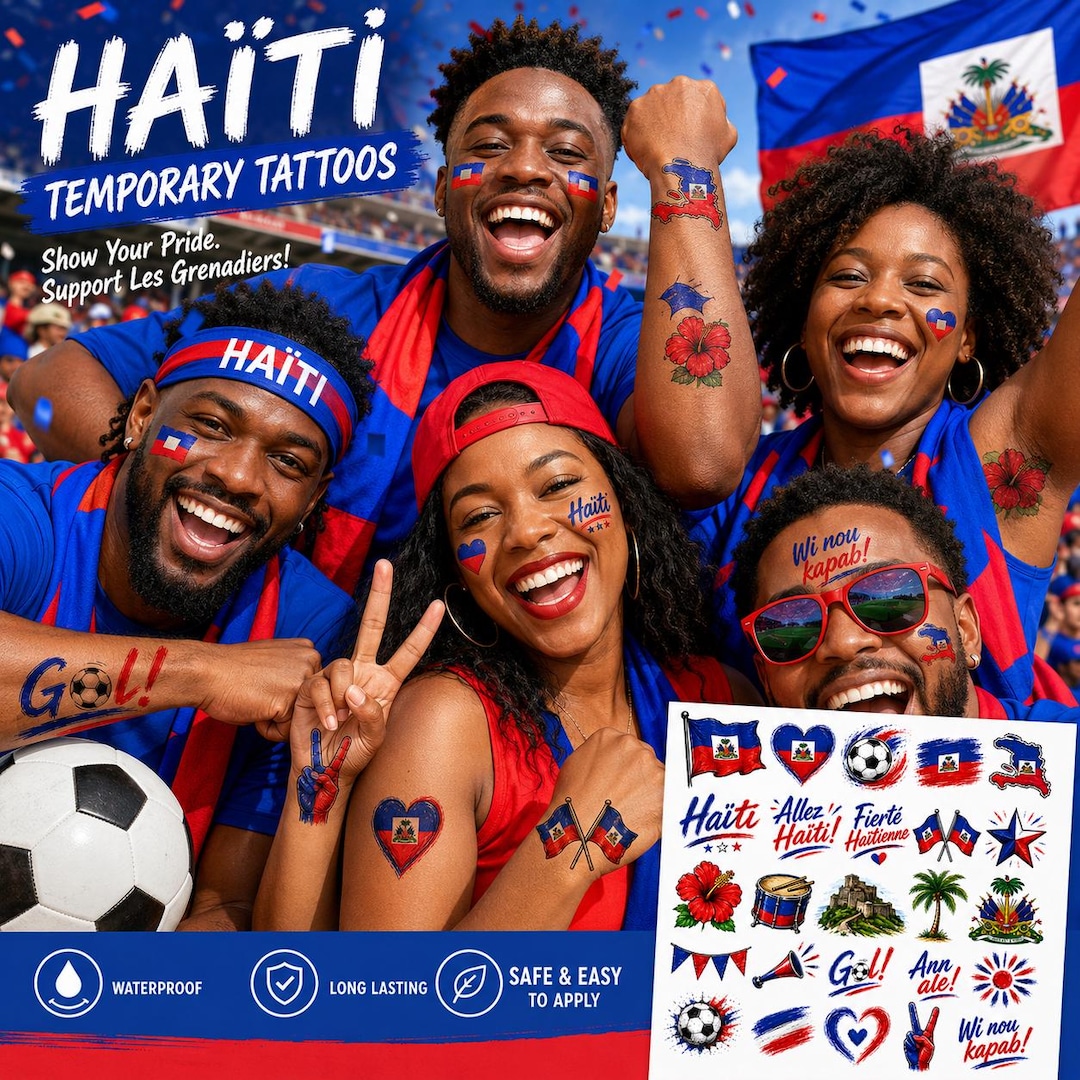
Beyond spirituality, Haitian identity is heavily influenced by the 1804 Revolution. Imagery such as the Haitian flag, the national coat of arms—featuring palms, cannons, and the motto L'union fait la force (Unity is strength)—and portraits of revolutionary figures like Toussaint Louverture or Jean-Jacques Dessalines are common motifs. These tattoos serve as a permanent declaration of historical pride, documenting the transition from slavery to sovereignty.
Artistic Considerations and Technical Execution
Representing cultural symbols through ink requires a high level of technical precision, particularly when working with the complex linework inherent in veves. Because these symbols were originally intended for ephemeral use (traditionally drawn in cornmeal or ash on dirt floors), translating them to skin requires an artist capable of maintaining structural symmetry while accounting for the curvature of the human body.
When preparing for a Haiti-inspired tattoo, consider the following technical variables:
- Linework Precision: Many Haitian symbols utilize fine-line geometry. Ensure your artist specializes in "fine-line" or "Blackwork" styles to prevent the symbols from blurring over time.
- Scale and Placement: Veves are often highly detailed. Attempting to shrink a complex veve into a small area like a wrist or finger may lead to ink spread (blowout) as the tattoo ages. Larger surfaces like the forearm, shoulder blade, or back are recommended.
- Cultural Consultation: If you are incorporating a specific Lwa or spiritual symbol, it is often considered best practice to speak with practitioners or conduct thorough research to ensure the placement is respectful and accurate to the original tradition.
Comparison of Popular Haitian-Themed Tattoo Motifs
| Motif Category | Primary Visual Element | Cultural Significance | Ideal Placement |
|---|---|---|---|
| Spiritual (Veves) | Geometric, maze-like lines | Represents specific Lwa spirits | Forearm, back, chest |
| Historical | Revolutionary cannons, flags | Honors the 1804 Independence | Shoulder, bicep, calf |
| National Flora | Royal Palm, Hibiscus | Connection to the Haitian landscape | Thigh, forearm |
| Traditional Art | Ironwork (Fer Forgé) motifs | Inspired by Croix-des-Bouquets art | Any medium-sized area |
Practical Guidance: Planning Your Tattoo
Before commissioning a piece, the process should be treated as a collaborative project between the client and the artist. Since "the Haiti tattoo" is not a singular, standardized design, the artist must understand your personal connection to the imagery.
- Refine Your Concept: Distinguish whether your design is meant to be a literal reproduction of an object (like the national crest) or an abstract interpretation of a cultural concept. Abstract designs allow for more artistic freedom but can obscure historical meaning.
- Verify Artist Competency: Search for artists who have demonstrated experience in black-and-grey realism or intricate geometry. If an artist has never worked with Haitian iconography, provide clear high-resolution references for the specific symbols you require.
- Address Potential Stigmas: Be aware that Vodou symbols are often misunderstood by those outside the culture. If you work in a conservative environment, consider placement that can be concealed by professional attire, as these symbols can sometimes elicit misinformed reactions from the general public.
- Aftercare: Due to the often-dense black ink used in these pieces, rigorous aftercare is essential. Follow your artist’s specific instructions regarding moisturizing and sun protection to prevent the lines from fading or shifting in clarity.
Addressing Misconceptions and Cultural Appropriation
One of the most common challenges for those interested in Haitian-themed body art is the distinction between cultural appreciation and appropriation. Because Haiti has historically been subject to exoticization and misrepresentation in Western media, many Haitians are protective of their symbols.
If you are not of Haitian descent, approaching these symbols requires a level of humility. It is generally recommended to avoid using sacred religious symbols if you are not a participant in the faith. Instead, focus on historical motifs, national symbols, or patterns inspired by Haitian Fer Forgé (ironwork) artistry, which is globally recognized as a secular art form. By prioritizing these elements, you can honor the aesthetic beauty of Haiti without co-opting sacred spiritual practices.
Frequently Asked Questions
Are Haitian symbols considered "sacred" and therefore restricted? Some symbols, particularly those associated with specific Lwa, are considered sacred within the Vodou faith. While there is no legal restriction on tattooing them, many in the culture view the use of sacred symbols by outsiders or for purely decorative purposes as disrespectful. Always research the specific symbol before committing it to your skin.
What is the best art style for a Haiti-inspired tattoo? Blackwork and fine-line tattooing are generally the best styles. These techniques allow for the high level of detail required for complex geometric veves and historical imagery while maintaining a clean, legible appearance over time.
Can I combine different symbols into one piece? Yes, but you should do so carefully. Mixing revolutionary symbols with spiritual veves requires a cohesive artistic vision. Discuss the "narrative" of your tattoo with your artist so that the composition feels unified rather than a random collection of images.
Does skin tone affect the visibility of Haitian motifs? Yes. While black ink is highly versatile, those with deeper skin tones may benefit from discussing "bold-line" techniques with their artist. Thicker, more pronounced lines ensure that the detail remains visible against the skin's natural melanin.
How do I find an artist who understands these symbols? Look for artists who specialize in cultural or heritage tattoos. If no local artists have a portfolio featuring Haitian art, look for specialists in West African or Caribbean-inspired geometry. Providing your own high-quality reference material is always a responsible step.
Next Steps for Enthusiasts
If you have decided to move forward with a tattoo that celebrates Haiti, your first practical action should be to curate a folder of verified, high-quality images. Avoid using low-resolution JPEGs from the internet; instead, seek out scanned images of traditional sketches or professional photography of Haitian ironwork. Once you have a clear vision, consult with a professional artist who demonstrates a willingness to learn about the context of the symbols you have chosen. A successful tattoo in this niche is one that serves as a bridge between your personal journey and the profound historical and spiritual legacy of the Haitian people.
Image Gallery