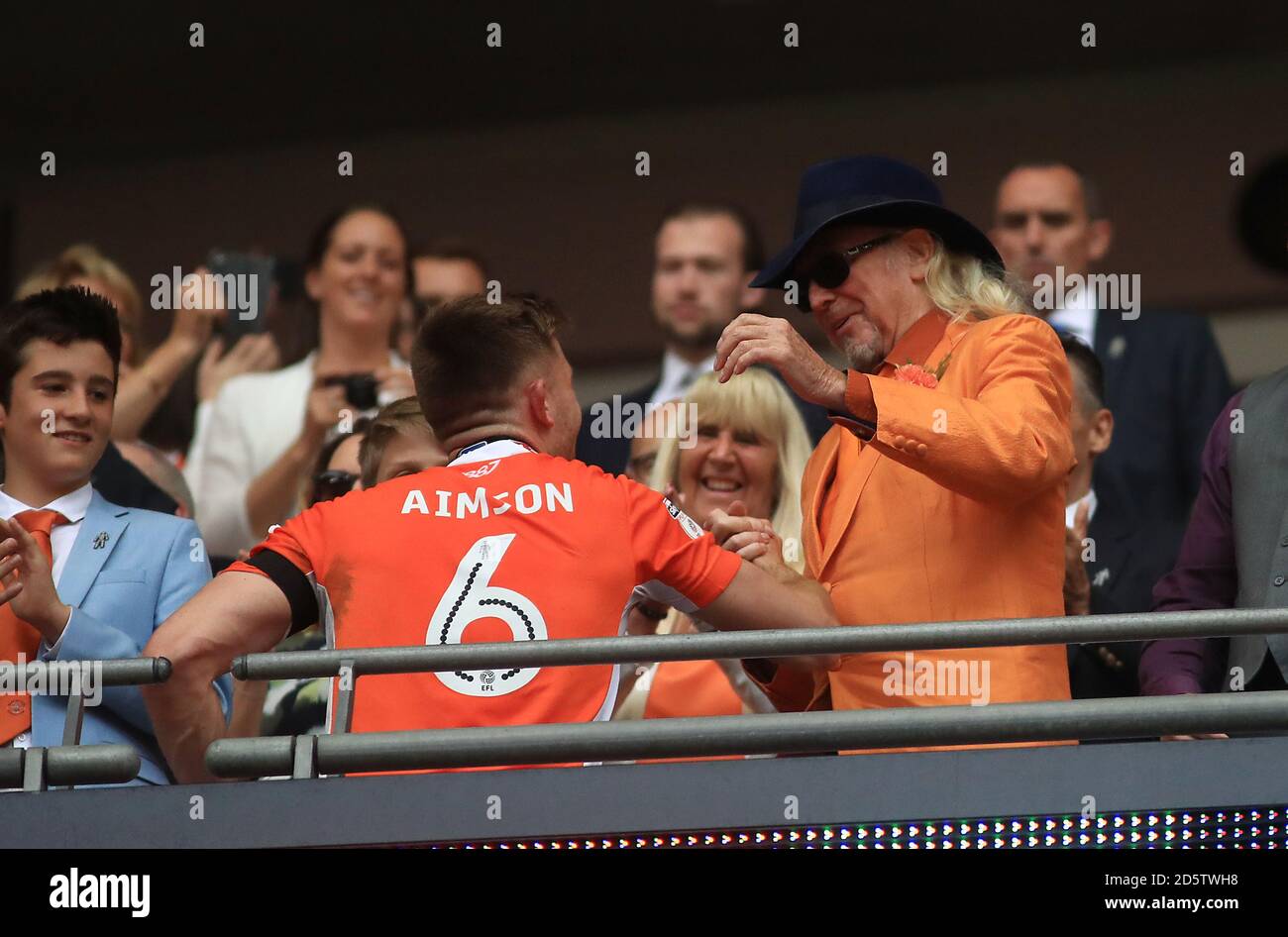
The Rise and Controversy of Owen Oyston in British Football
Owen Oyston’s tenure at Blackpool Football Club stands as one of the most polarizing chapters in modern British football history, characterized by a transition from initial financial stabilization to a protracted, toxic breakdown in re...
Owen Oyston’s tenure at Blackpool Football Club stands as one of the most polarizing chapters in modern British football history, characterized by a transition from initial financial stabilization to a protracted, toxic breakdown in relations between the club’s ownership and its supporter base. This period of ownership highlights the complexities of corporate control in professional sports, the erosion of fan trust, and the eventual intervention of legal and regulatory frameworks in the governance of historic community institutions.
Contents
The Ascent: Acquisition and Early Stability
Owen Oyston, a businessman with interests in property development and media, became involved with Blackpool Football Club in the late 1980s. At the time, the club was languishing in the lower tiers of the Football League, suffering from significant financial distress and dilapidated infrastructure. For many supporters, Oyston’s initial involvement was viewed through the lens of cautious optimism. His capital injections were seen as a necessary catalyst to prevent the club from insolvency and to modernize Bloomfield Road, the club's historic home.
During the 1990s and early 2000s, the Oyston family consolidated their control. The "rise" of the club under their stewardship was marked by periods of relative stability and, eventually, a historic ascent to the Premier League in 2010 under manager Ian Holloway. This promotion was the zenith of the Oyston era, providing the club with unprecedented television revenue and national visibility. However, even as the team reached the top flight, tensions regarding the club’s financial management and the lack of reinvestment into infrastructure began to surface among the fan base.
The Emergence of Conflict: Financial Governance and Fan Estrangement
The controversy surrounding Oyston’s reign shifted from peripheral concern to open hostility following the club's relegation from the Premier League in 2011. As the club transitioned back into the Football League Championship, a series of revelations regarding the movement of funds from the football club to other companies owned by the Oyston family sparked widespread outrage.
Central to this dispute was the "Segesta" payments. The Blackpool Supporters Trust and other fan organizations scrutinized the accounts, discovering that significant sums—often cited in the millions—had been extracted from the club's coffers for the benefit of the owners' wider business interests. Supporters argued that this capital should have been prioritized for team strengthening and the long-delayed redevelopment of the East Stand at Bloomfield Road. The discrepancy between the club’s revenue as a former Premier League entity and its failing infrastructure became a primary focal point for protest movements.
The Legal Threshold: The Belokon Litigation
The breakdown of the relationship between the Oyston family and their minority shareholder, Valeri Belokon, served as the definitive turning point in the club’s modern history. Belokon, a Latvian businessman who had invested heavily in the club during its rise to the top flight, eventually launched legal action, alleging that the Oystons had acted in a way that was unfairly prejudicial to his interests as a minority shareholder.
In 2017, the High Court of Justice in London delivered a landmark judgment. Mr. Justice Marcus Smith ruled in favor of Belokon, finding that Owen Oyston and his son, Karl Oyston, had indeed stripped the club of assets. The court described their conduct as an "illegitimate stripping" of the club’s resources. This ruling was monumental, not only for the legal precedent it set regarding minority shareholder rights in football clubs but because it provided the factual validation that many Blackpool supporters had been seeking for years.
The legal judgment necessitated a significant financial payout to Belokon. The Oyston family found themselves unable to meet the immediate, massive financial requirements of the court-ordered settlement, which led to the club being placed into receivership in early 2019.
Comparison of Ownership Phases
The following table summarizes the distinct shifts in ownership dynamics during the Oyston era.
| Phase | Key Characteristic | Impact on Club |
|---|---|---|
| Initial Acquisition | Capital injection | Stabilized finances; prevented insolvency. |
| Growth Era | Promotion to Premier League | Increased national profile and revenue. |
| The Contention | Asset extraction | Erosion of fan trust; protest movements. |
| Legal Resolution | Court-mandated settlement | Receivership and change of ownership. |
The Legacy of Protest and Regulatory Change
The Blackpool protest movement became a blueprint for fan activism in British football. The "Oyston Out" campaign utilized a multi-faceted approach, including legal challenges, match boycotts, and high-profile public demonstrations. This era underscored the vulnerability of football clubs to private owners who may not align with the long-term interests of the local community.
The controversy prompted deeper national debates regarding the "fit and proper persons" test administered by the English Football League (EFL). Critics argued that the existing regulations were insufficient to protect clubs from owners whose primary motivation appeared to be the extraction of capital rather than the sustainability of the sporting entity. In 2026, the discourse surrounding independent regulation in football continues to draw heavily on the Blackpool experience as a cautionary tale of what occurs when financial governance fails to protect a cultural asset.
Changing Hands: The Post-Oyston Era
Following the period of receivership, the club was sold to Simon Sadler, a locally born businessman, in 2019. This transition marked a formal end to the Oyston era. The new ownership focused on rebuilding the relationship with the community, investing in the stadium, and fostering transparency in the club’s financial dealings. For the supporters, the departure of the Oystons was not merely a change in management but a reclamation of the club’s identity.
Frequently Asked Questions
1. What was the primary reason for the fan protests against Owen Oyston? The protests were primarily driven by the perceived "asset stripping" of the club, where significant funds were moved out of the football club into companies owned by the Oyston family instead of being reinvested in the team or stadium infrastructure.
2. How did the High Court ruling affect the club’s ownership? The 2017 High Court judgment ordered the Oystons to pay a massive sum to minority shareholder Valeri Belokon. Their inability to satisfy this debt led to the club being placed into receivership, which eventually facilitated the sale of the club to new owners in 2019.
3. Did the club suffer long-term damage from this period? While the club maintained its footballing status, the era resulted in significant infrastructure neglect—specifically the unfinished East Stand—and a fractured relationship between the club and its core fan base, which took years to repair following the 2019 ownership change.
4. What role did the EFL play during the conflict? The EFL was heavily criticized by supporters for not intervening sooner. The situation highlighted limitations in the league’s oversight mechanisms, specifically regarding the financial stewardship of clubs by their owners.
5. How is the Oyston era viewed in British football history today? It is widely regarded as a significant case study on the need for better corporate governance in sports, contributing to the broader movement in 2026 for more robust independent oversight of professional football clubs.
Conclusion: Lessons for the Future
The rise and fall of the Oyston ownership of Blackpool Football Club serves as a stark reminder of the fragile balance between private ownership and community heritage. It demonstrated that when ownership interests diverge sharply from the collective interest of a club's supporters and its long-term financial health, the result is often institutional decline and social unrest. As the sport continues to evolve, the lessons learned from the Blackpool experience remain vital for those advocating for increased transparency, regulatory reform, and the preservation of football clubs as sustainable, community-oriented entities.
Image Gallery