A Comprehensive Guide to Left-Wing Ideologies: Core Principles, Historical Evolution, and Key Movements
Left-wing ideologies encompass a diverse spectrum of political philosophies that generally prioritize social equality, the reduction of economic hierarchies, collective solidarity, and the protection or expansion of civil rights. Movin...
Left-wing ideologies encompass a diverse spectrum of political philosophies that generally prioritize social equality, the reduction of economic hierarchies, collective solidarity, and the protection or expansion of civil rights. Moving beyond a monolithic definition, the left wing spans from moderate reformist social democracy to revolutionary communism and stateless anarchism, each offering distinct frameworks for structuring society, distributing resources, and managing political power.
Contents
Defining the Left-Wing Spectrum
To understand left-wing thought, one must first examine the historical origins of the left-right political spectrum, which dates back to the French Revolution of 1789. During the meetings of the National Assembly, supporters of the monarchy and traditional social hierarchies sat on the right side of the president's chair, while opponents of the ancien régime, reformers, and radicals sat on the left. Over time, this spatial metaphor evolved globally to categorize political perspectives based on their stance toward equality and social hierarchy.
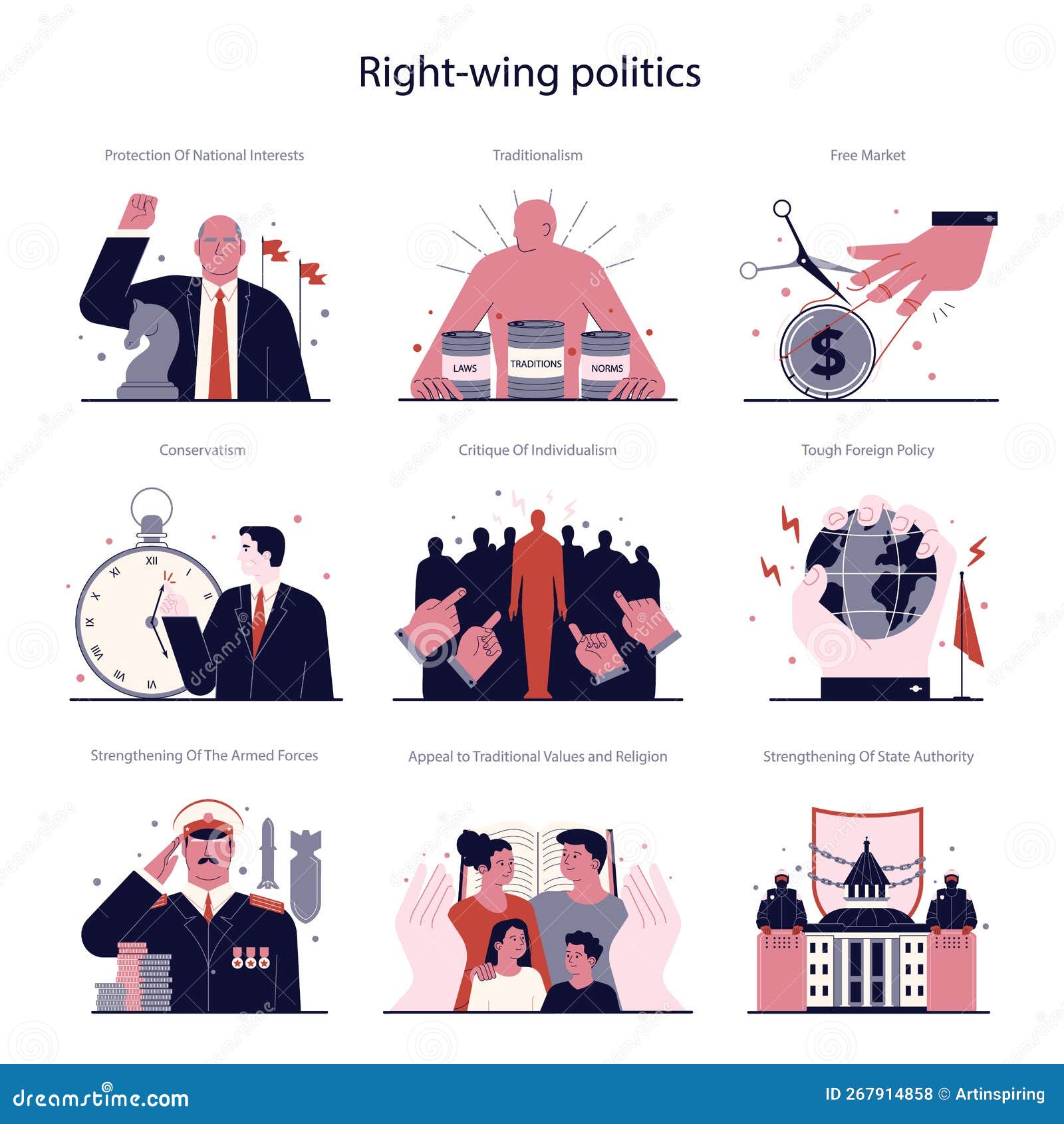
While right-wing ideologies often view social hierarchies and traditional institutions as natural, necessary, or efficient, left-wing ideologies generally regard systemic inequalities as artificial, unjust, and detrimental to human flourishing. Leftists argue that concentrations of wealth, property, and political power stifle individual freedom for the majority. Consequently, political movements on the left typically advocate for institutional interventions—ranging from progressive taxation and robust welfare states to the total abolition of private property—to redistribute power and resources more equitably.
Core Principles Across Left-Wing Thought
Despite significant differences in strategy and ultimate goals, most left-wing ideologies share several foundational tenets. These principles shape how different factions analyze society and propose alternative structures.
Egalitarianism and Social Justice
Egalitarianism is the ideological anchor of the left. Left-wing philosophies assert that all humans are of equal moral worth and deserve equal access to fundamental life outcomes, including healthcare, education, housing, and meaningful work. Social justice requires actively dismantling systemic barriers related to race, gender, sexuality, and class that prevent marginalized populations from achieving parity.
Economic Democracy and Resource Redistribution
While right-wing systems emphasize free-market capitalism and private ownership of the means of production, the left emphasizes collective or democratic control over economic life. This can manifest as worker-managed enterprises, public ownership of key utilities and natural resources, or stringent market regulations designed to curb corporate monopolies and protect labor rights.
Internationalism and Solidarity
Left-wing movements historically emphasize international solidarity across national borders, viewing the working class and oppressed populations globally as sharing common interests. This contrasts with nationalist ideologies, as leftists frequently critique imperialism, militarism, and exclusionary border policies in favor of global cooperation and mutual aid.
Major Left-Wing Ideologies Explained
The left wing is not a singular doctrine but a rich tapestry of distinct schools of thought. Below are the primary ideologies that have shaped modern political history.
Social Democracy
Social democracy sits on the reformist end of the left-wing spectrum. Unlike revolutionary ideologies, social democrats do not seek to overthrow capitalism; instead, they aim to humanize it through democratic institutions and state intervention.
- Core Mechanism: Utilizing a regulated market economy to generate wealth, which is then taxed to fund extensive public services, universal healthcare, free higher education, and comprehensive social safety nets.
- Historical Context: Heavily influenced by the Nordic model in countries like Sweden, Denmark, and Norway, social democracy gained prominence in the mid-20th century as a compromise between labor unions and capital owners.
Democratic Socialism
While sharing policy goals with social democrats (such as universal healthcare and strong labor rights), democratic socialists argue that true human liberation and equality are impossible under capitalism.
- Core Mechanism: Democratic socialists advocate for a transition away from private corporate ownership toward democratic, social ownership of the economy—such as worker cooperatives and public utilities—while strictly maintaining democratic political systems and civil liberties.
- Key Distinction: They reject the authoritarian centralization of power seen in historical state-socialist regimes, emphasizing that both economic and political life must be democratized from the bottom up.
Marxism and Communism
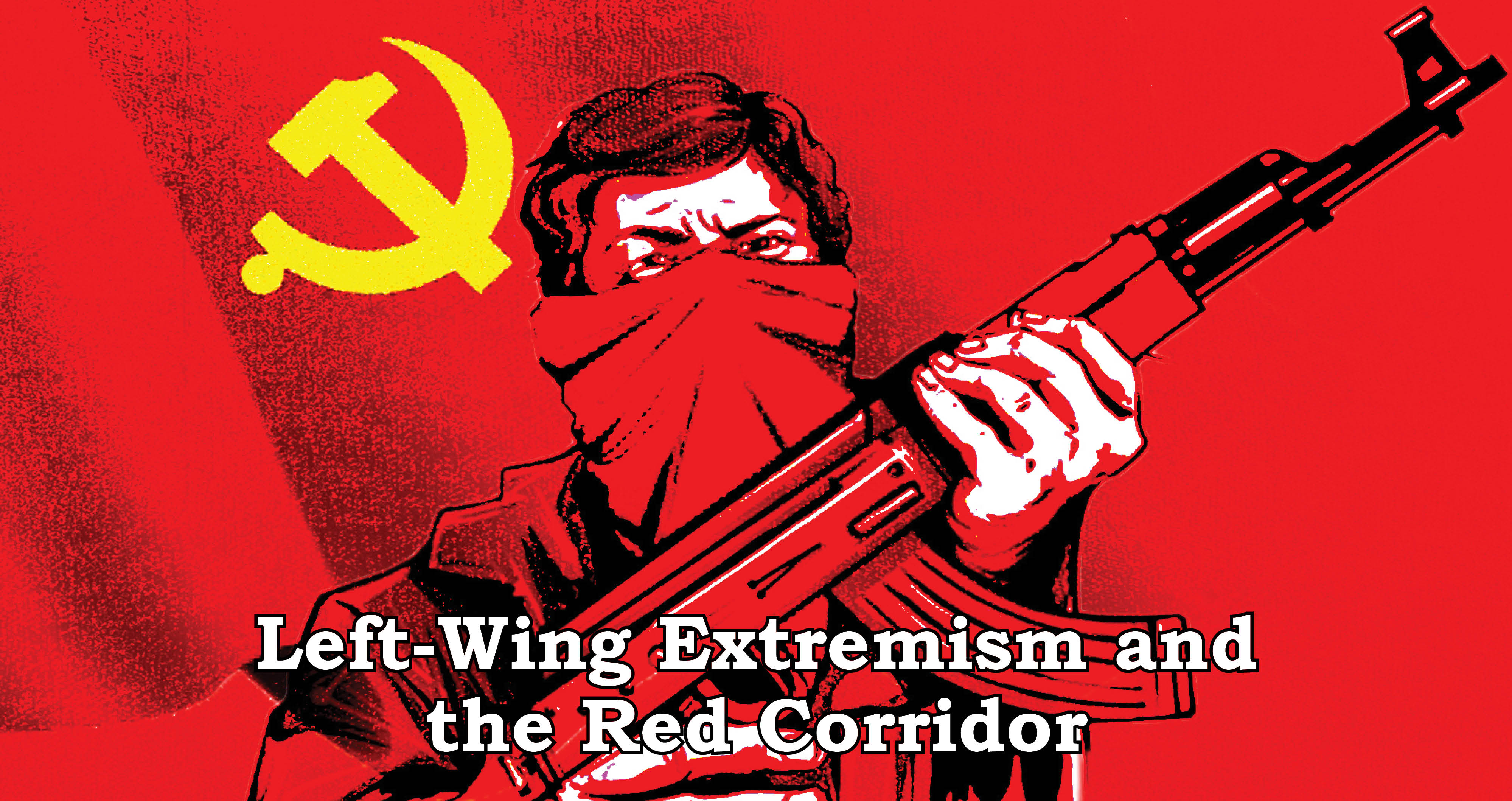
Developed by Karl Marx and Friedrich Engels in the 19th century, Marxism provides a materialist critique of capitalism, arguing that history is driven by class struggle between those who own the means of production (the bourgeoisie) and those who sell their labor (the proletariat).
- Core Mechanism: Orthodox Marxism posits that capitalism contains inherent contradictions that will lead to its collapse, resulting in a proletarian revolution. This revolution would transition society through a socialist phase (where the state organizes production) toward communism—a stateless, classless, moneyless society where resources are distributed according to need.
- Historical Context: Marxism-Leninism served as the ideological foundation for the Soviet Union, the People's Republic of China, and various other 20th-century states, though these regimes varied significantly in their governance and economic execution.
Anarchism and Libertarian Socialism
Anarchism is a radical anti-authoritarian philosophy that rejects all forms of involuntary hierarchy, including the state, capitalism, organized religion, and patriarchal structures.
- Core Mechanism: Anarchists advocate for voluntary cooperation, mutual aid, and decentralized, self-governing communes or federations of worker syndicates.
- Key Distinction: Unlike Marxists who utilize a transitional state, anarchists argue that the state itself is an instrument of oppression that must be dismantled immediately, as state power invariably corrupts and reproduces hierarchy.
Comparison of Major Left-Wing Ideologies
| Ideology | Economic Model | Stance on the State | Primary Strategy |
|---|---|---|---|
| Social Democracy | Regulated capitalism with welfare programs | Utilizes the existing democratic state | Electoral politics, labor organizing, progressive taxation |
| Democratic Socialism | Social/worker ownership mixed with public utilities | Utilizes the state to democratize the economy | Democratic reform, labor unions, public mobilization |
| Communism / Marxism | State-planned or collectively owned production | Abolition of the state (ultimate goal) | Revolutionary overthrow of capitalist structures |
| Anarchism | Decentralized, cooperative, or communal economies | Immediate abolition of the state | Direct action, mutual aid, federation of worker councils |
Bruised by historical conflicts and internal debates over reform versus revolution, the left continues to evolve in the 21st century. Contemporary left-wing movements increasingly integrate ecological concerns into their frameworks, giving rise to concepts like Eco-Socialism, which argues that infinite capitalist growth is fundamentally incompatible with ecological sustainability.
Frequently Asked Questions
Are liberalism and leftism the same thing?
No, though they often overlap on social issues. Modern American liberalism generally supports regulated capitalism, civil rights, and moderate welfare programs within a market-driven framework. Leftism, by contrast, fundamentally critiques capitalism and structural economic hierarchies, seeking deep systemic transformation rather than regulatory reform.
Do all left-wing ideologies want to ban private property?
Not all. While revolutionary communists and anarchists advocate for abolishing private ownership of the means of production (factories, land, resources), reformist ideologies like social democracy protect personal property and private enterprise while regulating business practices and taxing accumulated wealth to support public goods.
What is the difference between socialism and communism?
In Marxist theory, socialism is the transitional stage following the overthrow of capitalism, where production is publicly managed and goods are distributed based on individual contribution ("to each according to their contribution"). Communism is the ultimate, stateless stage where productivity is high enough that goods are abundant and distributed according to need ("to each according to their need").
How do left-wing ideologies view individual freedom?
Left-wing philosophies argue that true individual freedom is impossible without material security. Without access to housing, healthcare, and financial stability, a person's choices are severely constrained by economic necessity. Therefore, leftists view collective economic security as the foundation that enables genuine individual autonomy.
Next Steps and Further Reading
For those seeking to deepen their understanding of left-wing political theory, engaging with primary texts is essential. Recommended foundational readings include Karl Marx and Friedrich Engels' The Communist Manifesto for revolutionary theory, Tony Judt’s Ill Fares the Land for modern social democracy, and Peter Kropotkin’s Mutual Aid: A Factor of Evolution for anarchist perspectives. Evaluating these texts within their respective historical contexts provides critical insight into how modern economic and political debates continue to be shaped by left-wing thought.
Image Gallery