C.W. Copeland Life Insurance Overview: Services, Products, and Financial Strategy in 2026
C.W. Copeland Life Insurance operates primarily as a specialized agency providing personalized life insurance solutions and financial education. Founded on the principles of community empowerment and legacy building, the agency offers...
C.W. Copeland Life Insurance operates primarily as a specialized agency providing personalized life insurance solutions and financial education. Founded on the principles of community empowerment and legacy building, the agency offers a range of products including term life, whole life, and final expense insurance, often emphasizing the use of insurance as a strategic wealth-building tool.
Contents
In the 2026 insurance landscape, consumers are increasingly looking for more than just a policy; they seek a comprehensive financial strategy. The C.W. Copeland Life Insurance Agency, led by Charles W. Copeland, has positioned itself as a bridge between traditional risk management and modern wealth accumulation. This overview examines the agency's core offerings, its unique approach to financial literacy, and what prospective policyholders should consider when evaluating their services.
Understanding the C.W. Copeland Approach
The agency is not a monolithic insurance carrier that underwrites its own policies. Instead, it functions as a specialized brokerage or agency that partners with major, A-rated insurance providers. This structure allows the agency to shop the market for the best rates and policy features while providing the "white-glove" service of a boutique firm.
One of the defining characteristics of the C.W. Copeland brand is its focus on the African American community and underserved markets. The agency frequently hosts seminars and educational workshops that go beyond the mechanics of "buying a policy." Instead, they focus on how life insurance can serve as the foundation for "generational wealth," a concept that has gained significant traction in 2026 as families look for ways to protect assets against inflation and economic volatility.
The Role of Financial Literacy
A significant portion of the agency’s "overview" involves its educational arm. Charles W. Copeland has long been an advocate for financial literacy, teaching clients how to read a policy contract, understand the "cash value" component of permanent insurance, and utilize "death benefits" as a tool for business succession or estate planning. This educational focus helps demystify the insurance process, making it more accessible to those who might otherwise be skeptical of traditional financial institutions.
Core Insurance Products Offered
To provide a thorough overview, we must break down the specific types of coverage C.W. Copeland typically facilitates. While the exact carriers may vary depending on state licensing and current market partnerships in 2026, the product categories remain consistent.
1. Term Life Insurance
Term life insurance remains the most popular choice for young families and those seeking high coverage amounts at a low cost. It provides protection for a specific period (the "term"), usually ranging from 10 to 30 years.
- Who it is for: Individuals looking to cover specific debts like mortgages, or to provide income replacement for dependents during their prime working years.
- The Copeland Advantage: The agency often focuses on "convertible term" policies. These allow the policyholder to switch to a permanent policy later in life without undergoing a new medical exam, preserving their insurability even if their health declines.
2. Whole Life Insurance (Permanent Coverage)
Whole life insurance is a cornerstone of the agency’s wealth-building strategy. Unlike term insurance, whole life provides coverage for the insured's entire lifetime and includes a savings component known as "cash value."
- Cash Value Accumulation: A portion of each premium grows over time on a tax-deferred basis. In 2026, this is frequently marketed as a "private bank" or a source of emergency liquidity that can be borrowed against.
- Dividends: Many of the carriers C.W. Copeland works with are mutual companies, which may pay annual dividends to policyholders. These dividends can be used to purchase additional coverage, reduce premiums, or be taken as cash.
3. Final Expense and Burial Insurance
For older clients or those with pre-existing health conditions, the agency offers final expense insurance. These are smaller whole life policies specifically designed to cover funeral costs, medical bills, and small debts.
- Simplified Underwriting: These policies often do not require a medical exam. Applicants usually only need to answer a few health questions.
- Guaranteed Issue Options: For those who are otherwise uninsurable, the agency can often source "guaranteed issue" policies where coverage is granted regardless of health history, provided the applicant meets the age requirements.
The Strategy: Life Insurance as an Asset Class
In 2026, a major trend in the financial world is the treatment of life insurance as an alternative asset class. C.W. Copeland has been at the forefront of this trend, moving away from "death-benefit-only" conversations.
Infinite Banking and Cash Flow Management
The agency often discusses concepts similar to "Infinite Banking" or "Bank on Yourself." This involves over-funding a specific type of whole life policy to maximize the cash value growth. Once enough cash value has accumulated, the policyholder can take out a policy loan to finance major purchases—such as real estate or business equipment—instead of using a traditional bank.
The logic is that the policyholder pays interest back to the insurance company (which they essentially "own" a piece of, in the case of mutual companies), while the full value of the policy continues to earn dividends and interest as if the loan had never been taken. This dual-compounding effect is a high-level financial strategy that C.W. Copeland specializes in explaining to laypeople.
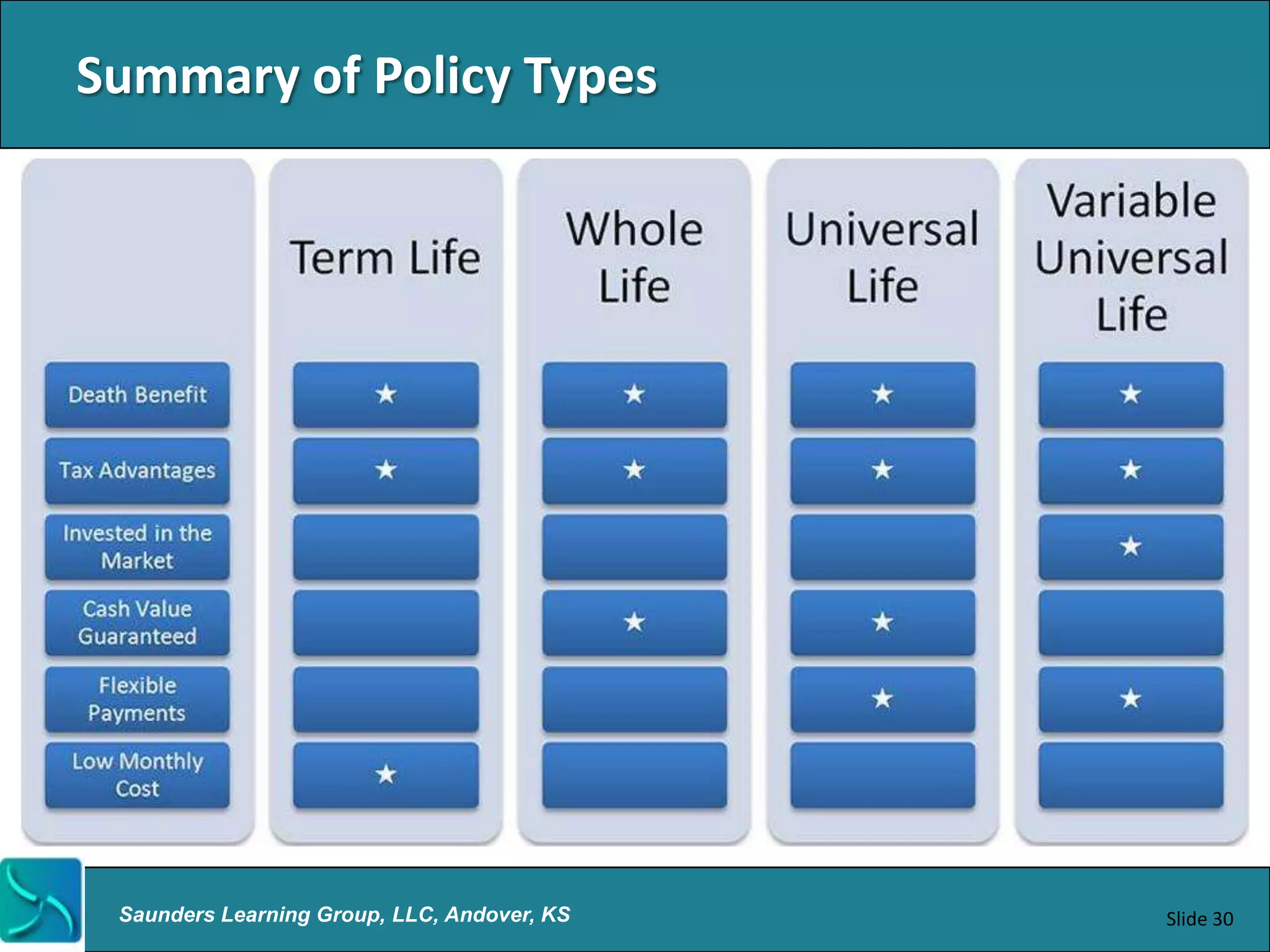
Comparison of Coverage Types
The following table summarizes the primary differences between the products typically discussed in a C.W. Copeland consultation.
| Feature | Term Life Insurance | Whole Life Insurance | Final Expense |
|---|---|---|---|
| Duration | Fixed (10, 20, 30 years) | Lifetime (Permanent) | Lifetime (Permanent) |
| Cash Value | None | Yes (Grows over time) | Yes (Small amounts) |
| Premiums | Lowest; increases at renewal | Fixed for life | Fixed for life |
| Medical Exam | Usually required | Often required | Usually not required |
| Death Benefit | High (e.g., $250k - $1M+) | Moderate (e.g., $50k - $500k) | Low (e.g., $5k - $40k) |
| Primary Goal | Income replacement | Wealth/Legacy building | Funeral/Burial costs |
Costs and Premium Factors in 2026
One of the most frequent questions regarding the C.W. Copeland Life Insurance overview is the cost. Because the agency works with multiple carriers, there is no "standard" price. However, several factors universally influence the quotes provided:
- Age and Gender: Generally, the younger and healthier you are, the lower the premium. Statistically, women tend to have lower life insurance rates than men due to longer life expectancy.
- Health Status: In 2026, many carriers have integrated "wearable tech" data (like step counts and heart rate monitoring) into their underwriting to offer discounts to healthy individuals.
- Smoking and Lifestyle: Tobacco use remains the single largest factor in premium hikes, often doubling or tripling the cost compared to a non-smoker.
- Policy Type: As shown in the table above, whole life insurance is significantly more expensive than term life because it is guaranteed to pay out eventually and includes the cash value component.
Pros and Cons of Working with C.W. Copeland
Pros
- Expert Guidance: Unlike buying a policy online through a generic "robo-advisor," you get personalized advice from an agent who understands complex financial strategies.
- Niche Expertise: The agency has a deep understanding of the specific financial hurdles faced by minority communities and small business owners.
- Carrier Variety: They are not captive to one company, meaning they can pivot to a different carrier if your health profile or financial needs change.
Cons
- Higher Initial Complexity: The wealth-building strategies advocated by the agency are more complex than basic term insurance and require a disciplined approach to premium payments.
- Cost of Permanent Insurance: For those on a very tight budget, the focus on whole life insurance might feel out of reach compared to simple, low-cost term options.
Verification and Regulatory Compliance
When dealing with any life insurance agency, it is critical to verify their standing. As of 2026, C.W. Copeland Life Insurance and its associated agents are required to maintain active licenses in every state where they conduct business. These licenses are regulated by state departments of insurance (e.g., the Alabama Department of Insurance if the agency is based there).
Furthermore, the underlying carriers they represent (such as North American Company for Life and Health, Mutual of Omaha, or others) are rated by independent agencies like A.M. Best or Standard & Poor’s. It is always recommended that consumers ask for the A.M. Best rating of the specific carrier being proposed; a rating of 'A' or higher is generally considered excellent.
Note: Life insurance involves legal contracts and significant financial commitments. It is recommended to consult with a licensed financial advisor or tax professional regarding your specific situation before committing to a permanent life insurance strategy.
Frequently Asked Questions
Is C.W. Copeland a life insurance company?
No, C.W. Copeland Life Insurance is an agency or brokerage. They do not issue the policies themselves; instead, they represent various established insurance carriers and help clients select the policy that best fits their financial goals.
Does the agency offer policies for people with health issues?
Yes. Through their partnerships with various carriers, they have access to "simplified issue" and "guaranteed issue" products. These are specifically designed for individuals who may have been denied coverage elsewhere due to chronic conditions or age.
What is the "Infinite Banking" concept they mention?
This is a strategy using a high-cash-value whole life insurance policy to act as a personal financing vehicle. You accumulate cash in the policy, borrow against it for major purchases, and pay it back, all while your policy continues to grow.
Can I get a quote online from C.W. Copeland?
While the agency maintains a digital presence, they typically emphasize a personal consultation. This ensures that the quote is accurate based on your health history and that the policy structure aligns with your long-term financial objectives.
Are the death benefits from these policies taxable?
In almost all cases in 2026, life insurance death benefits are paid out to beneficiaries tax-free. However, if the policy is part of a very large estate, there may be estate tax implications, which is why the agency often works in tandem with estate planners.
Summary and Next Steps
The C.W. Copeland Life Insurance overview reveals an agency that is deeply invested in the intersection of protection and prosperity. Whether you are a young parent looking for affordable term insurance or a business owner seeking a sophisticated "private banking" setup through whole life insurance, the agency provides a high level of specialized expertise.
Next Action: If you are considering their services, the most effective next step is to prepare a summary of your financial goals (e.g., debt payoff, college funding, or retirement supplement) and schedule a consultation. Ask specifically about "convertible" options if you are starting with term insurance, and always request a "policy illustration" that shows the projected cash value growth over 20+ years.
Image Gallery