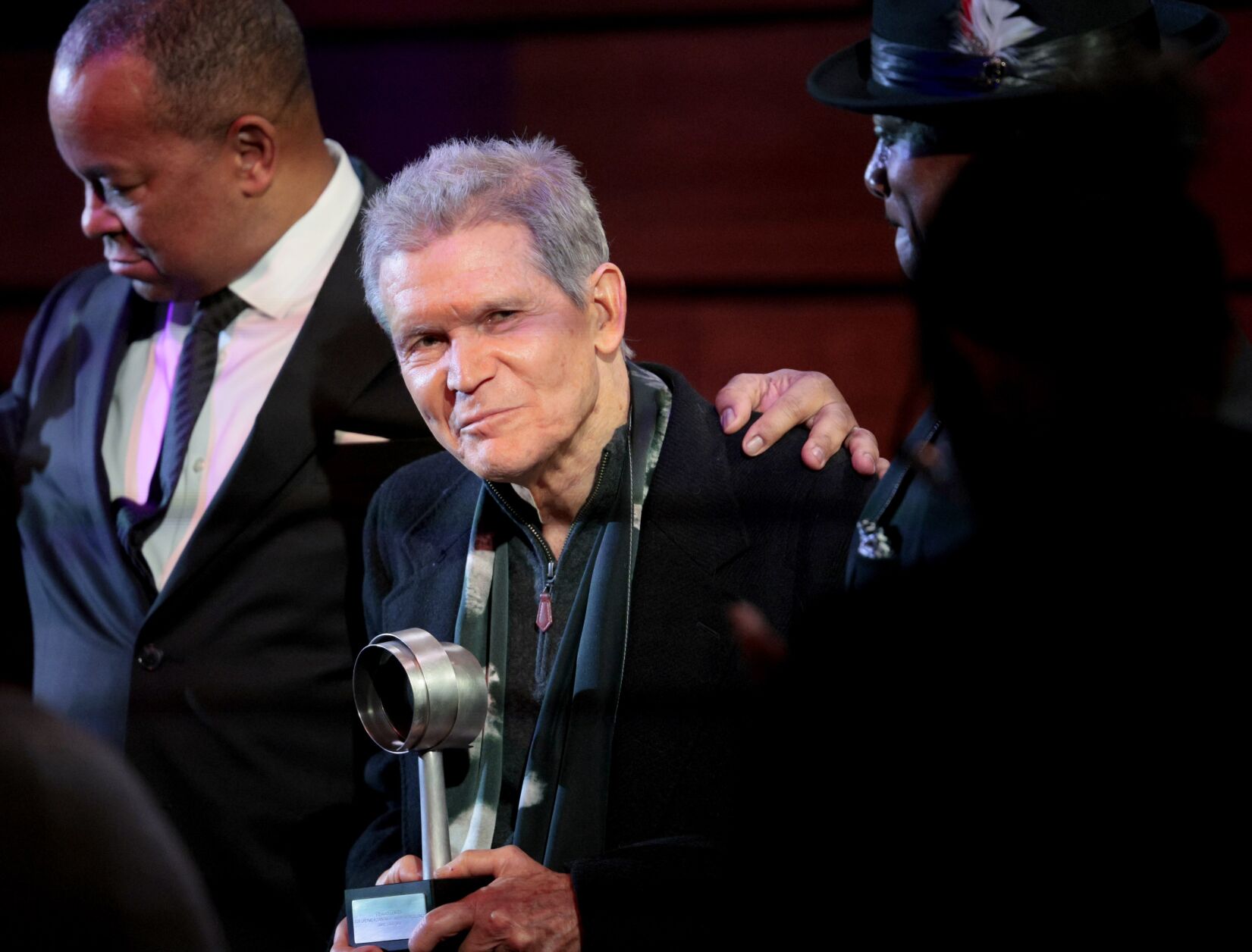
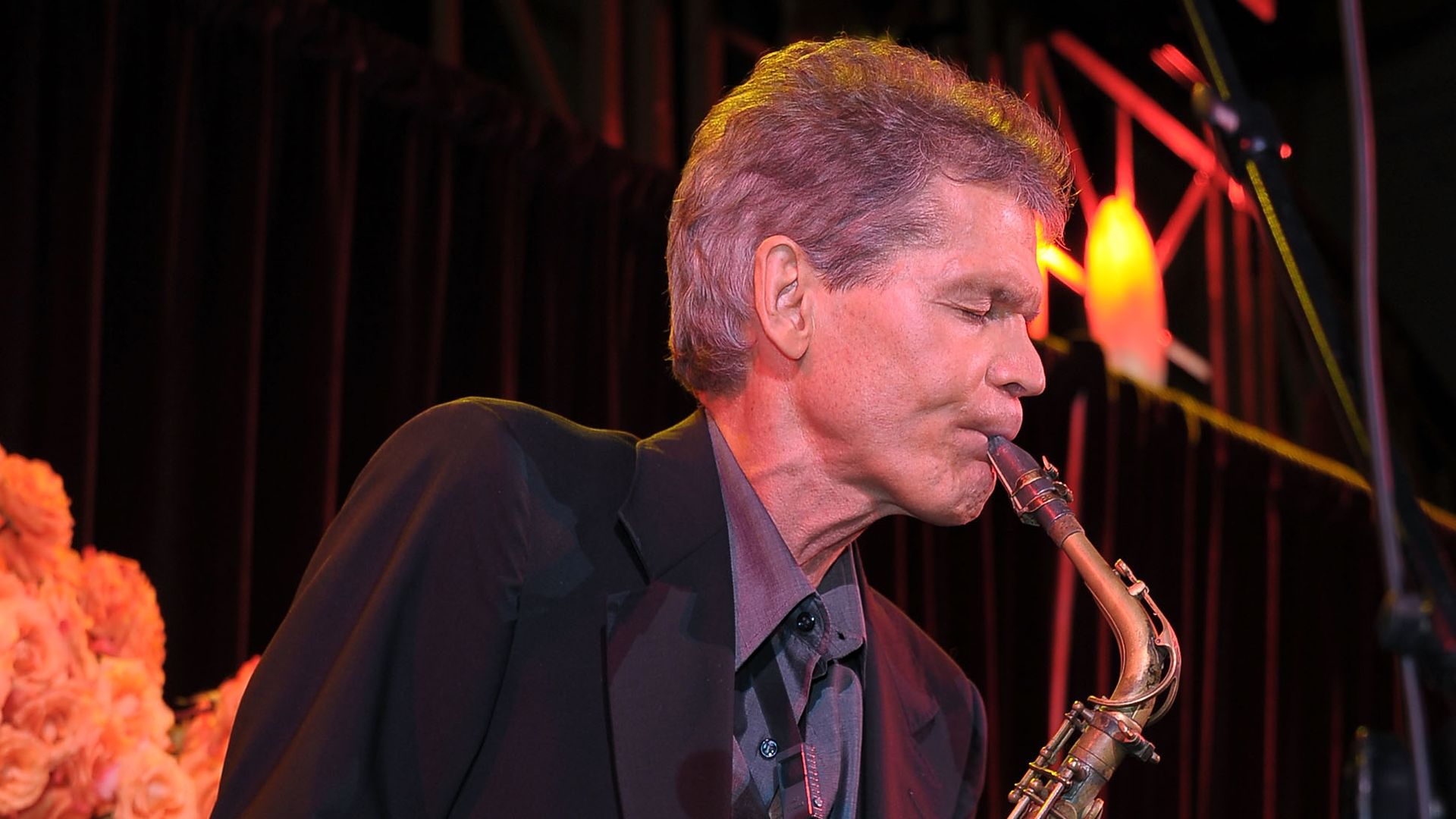
David Sanborn Death: Remembering the Legacy of the Pioneering Alto Saxophone Legend
David Sanborn, the immensely influential Grammy-winning alto saxophonist who bridged the worlds of jazz, pop, R&B, and rock with his distinctive, impassioned tone, passed away on May 12, 2024, at the age of 78, due to complications fro...
David Sanborn, the immensely influential Grammy-winning alto saxophonist who bridged the worlds of jazz, pop, R&B, and rock with his distinctive, impassioned tone, passed away on May 12, 2024, at the age of 78, due to complications from prostate cancer after a battle he managed privately for years.
Contents
The Passing of a Musical Titan
The music world suffered an immense loss with the passing of David Sanborn on May 12, 2024. Sanborn died at his home in Peekskill, New York, surrounded by his family. Publicly, he had been diagnosed with prostate cancer in 2018, yet he continued to perform, record, and engage with his fans with remarkable resilience. His passing marked the end of an era for contemporary instrumental music, where his piercing, high-register wail and blues-soaked phrasing had served as an instantly recognizable signature for more than five decades.
Throughout his illustrious career, Sanborn was not merely a jazz musician; he was a cultural force who redefined what an instrumentalist could achieve in mainstream commercial music. His ability to evoke raw human emotion through the polished brass of his Selmer alto saxophone earned him six Grammy Awards, eight gold albums, and one platinum album. Friends, collaborators, and fans across the globe flooded media channels with tributes, highlighting not only his virtuosity but also his deep generosity, infectious enthusiasm, and gentle demeanor.
Early Life and Musical Awakening
David Sanborn was born on July 30, 1945, in Tampa, Florida, but raised primarily in Kirkwood, Missouri, a suburb of St. Louis. At the age of three, Sanborn contracted polio, a debilitating disease that severely weakened his respiratory muscles and limbs. To strengthen his chest and help him regain lung capacity, his doctors recommended playing a wind instrument. This medical recommendation inadvertently set the course of music history.
Choosing the saxophone, Sanborn quickly discovered an affinity for the instrument and the rich musical culture of St. Louis. During his youth, he frequented local rhythm and blues clubs, absorbing the stylings of blues and jazz masters such as Albert King, Little Milton, and Oliver Sain. This early immersion laid the foundation for his unique sonic identity. Unlike many traditional jazz musicians who focused primarily on the bebop lineage, Sanborn fused the harmonic sophistication of jazz with the driving rhythms, visceral energy, and emotional directness of urban blues and soul.
He pursued music education at Northwestern University before transferring to the University of Iowa, where he played alongside future jazz greats and refined his technical mastery. However, his education was rooted as much in the practical crucible of the American touring circuit as it was in academia, preparing him for the intense professional demands of the studio and stage.
Pioneering a Genre: The Sanborn Sound
Defining David Sanborn’s style requires examining how he synthesized divergent musical idioms. His tone was famously characterized by its edginess, vibrato-rich intensity, and a blues-drenched cry that cut through dense arrangements. Rather than adopting the cool, mellow, or detached tone favored by some West Coast jazz saxophonists, Sanborn leaned into a gritty, aggressive, yet deeply melodic approach.
This sound became the cornerstone of what would later be categorized as smooth jazz, contemporary jazz, or pop-instrumental music, though Sanborn himself often resisted rigid genre boundaries. His 1975 debut solo album, Taking Off, established his commercial viability, but it was subsequent records like Hideaway (1979), Voyeur (1981), and the commercial blockbuster A Change of Heart (1987) that cemented his legacy as a chart-topping artist.
The following table summarizes key milestones, albums, and recognitions defining his extensive career:
| Era / Year | Milestone or Album | Significance |
|---|---|---|
| 1975 | Taking Off | Debut solo album establishing his distinct crossover sound. |
| 1981 | Voyeur | Won his first Grammy Award for Best R&B Instrumental Performance ("Chicago Song" / title track context). |
| 1988 | Hideaway / A Change of Heart | Continued commercial dominance, blending pop sensibilities with jazz improvisation. |
| 1988–1990 | Night Music (TV Show) | Hosted the critically acclaimed, eclectic late-night music television program. |
| 1992 | Another Hand | A critically praised return to a more avant-garde, straight-ahead acoustic jazz aesthetic. |
| 2024 | Passing | Died at age 78 due to prostate cancer complications, leaving a monumental legacy. |
Prolific Session Work and Iconic Collaborations
Beyond his solo output, Sanborn was one of the most sought-after session musicians in popular music history. His saxophone lines added emotional gravity, hooks, and texture to hundreds of landmark recordings by rock, pop, and R&B royalty.
Most famously, his soaring, emotional solo on David Bowie’s 1975 hit "Young Americans" introduced his sound to a massive global audience. Sanborn also contributed memorable saxophone work to Stevie Wonder’s legendary Talking Book album, James Taylor’s recordings, Paul Simon’s "Late in the Evening," and tracks by artists as diverse as Bruce Springsteen, The Rolling Stones, Elton John, Steely Dan, Linda Ronstadt, and Eric Clapton.
Whether playing a blistering, punchy horn section arrangement or delivering a haunting, intimate solo, Sanborn possessed an innate understanding of how to serve a song. He never overplayed; every note had a purpose, tension, and release that elevated the primary composition.
Television Pioneer: Night Music
In addition to his recording career, Sanborn left an indelible mark on television culture as the host of the groundbreaking late-night music series Night Music (originally titled Sunday Night), which aired from 1988 to 1990. Produced by Hal Willner and Lorne Michaels' engineering teams, the show provided a rare platform for uncompromising, live musical collaboration.
Sanborn served as a gracious, knowledgeable, and genuinely enthusiastic host, facilitating once-in-a-lifetime jams between disparate musical legends. On a single episode, viewers might witness Sonny Rollins playing alongside Leonard Cohen, or avant-garde guitarist Bill Frisell backing up Deborah Harry. The show became a cult touchstone for musicians and music lovers, reflecting Sanborn’s inclusive, curious approach to art where genre boundaries were completely dismantled.
Health Battle and Private Resilience
Though Sanborn was diagnosed with prostate cancer in 2018, he chose to maintain a private approach to his illness while continuing to perform live dates whenever possible. He understood the therapeutic power of music and remained active on the road, delighting audiences with his unmatched stage presence and technical brilliance well into his late seventies.
Prostate cancer remains one of the most common malignancies among aging men, and Sanborn's quiet endurance drew quiet admiration from peers who witnessed his dedication. His ability to maintain a rigorous touring schedule while undergoing management therapies underscored a lifelong work ethic forged during his early struggles with polio.
Frequently Asked Questions
What was the cause of David Sanborn's death?
David Sanborn died from complications related to prostate cancer. He had been privately managing his diagnosis for several years prior to his passing on May 12, 2024, while continuing to maintain an active schedule in the music industry.
What instruments did David Sanborn play?
Sanborn primarily played the alto saxophone. While the alto was his primary voice, he occasionally played other members of the saxophone family and woodwinds to achieve specific tonal textures in studio environments.
How many Grammy Awards did David Sanborn win?
David Sanborn won six Grammy Awards over the course of his career, in addition to receiving numerous nominations across categories spanning R&B instrumental, jazz fusion, and pop instrumental performances.
What are some of David Sanborn's most famous guest appearances?
Some of his most iconic session work includes his soaring solo on David Bowie's "Young Americans," contributions to Stevie Wonder’s Talking Book, Paul Simon’s "Late in the Evening," and recordings with James Taylor, The Rolling Stones, and Steely Dan.
What was Night Music?
Night Music was a late-night television music program hosted by David Sanborn from 1988 to 1990. It was celebrated for bringing together diverse, eclectic musicians for live, unscripted musical collaborations across genres.
Preserving a Timeless Musical Identity
David Sanborn's death closed a brilliant chapter in modern music history, but his recordings ensure that his voice remains timeless. For aspiring saxophonists, his catalog serves as a masterclass in tone production, phrasing, and emotional honesty. For music enthusiasts, he remains the definitive architect of a sound that successfully married the sophistication of jazz with the visceral power of soul. Remembering Sanborn requires celebrating a life that triumphed over physical adversity to create an enduring sonic legacy that continues to resonate across generations.
Image Gallery