Understanding Full Coverage Auto Insurance for a 2012 Volvo
Full coverage auto insurance for a 2012 Volvo in 2026 typically includes a combination of liability, collision, and comprehensive protections. While the vehicle is now 14 years old, maintaining high-level coverage depends on its curren...
Full coverage auto insurance for a 2012 Volvo in 2026 typically includes a combination of liability, collision, and comprehensive protections. While the vehicle is now 14 years old, maintaining high-level coverage depends on its current market value, your personal risk tolerance, and whether the repair costs for Volvo's specialized safety systems exceed the car’s total worth.
Contents
Determining the right insurance for a 14-year-old vehicle requires a shift in perspective. When the 2012 Volvo was new, full coverage was a logical necessity to protect a significant financial asset. In 2026, the decision becomes a mathematical trade-off between the annual premium costs and the vehicle's Actual Cash Value (ACV). Because Volvos are engineered for longevity, many 2012 models remain on the road with high mileage, but their resale value has stabilized at a point where traditional "full coverage" may or may not be the most economical choice.
Defining Full Coverage for an Aging Luxury Vehicle
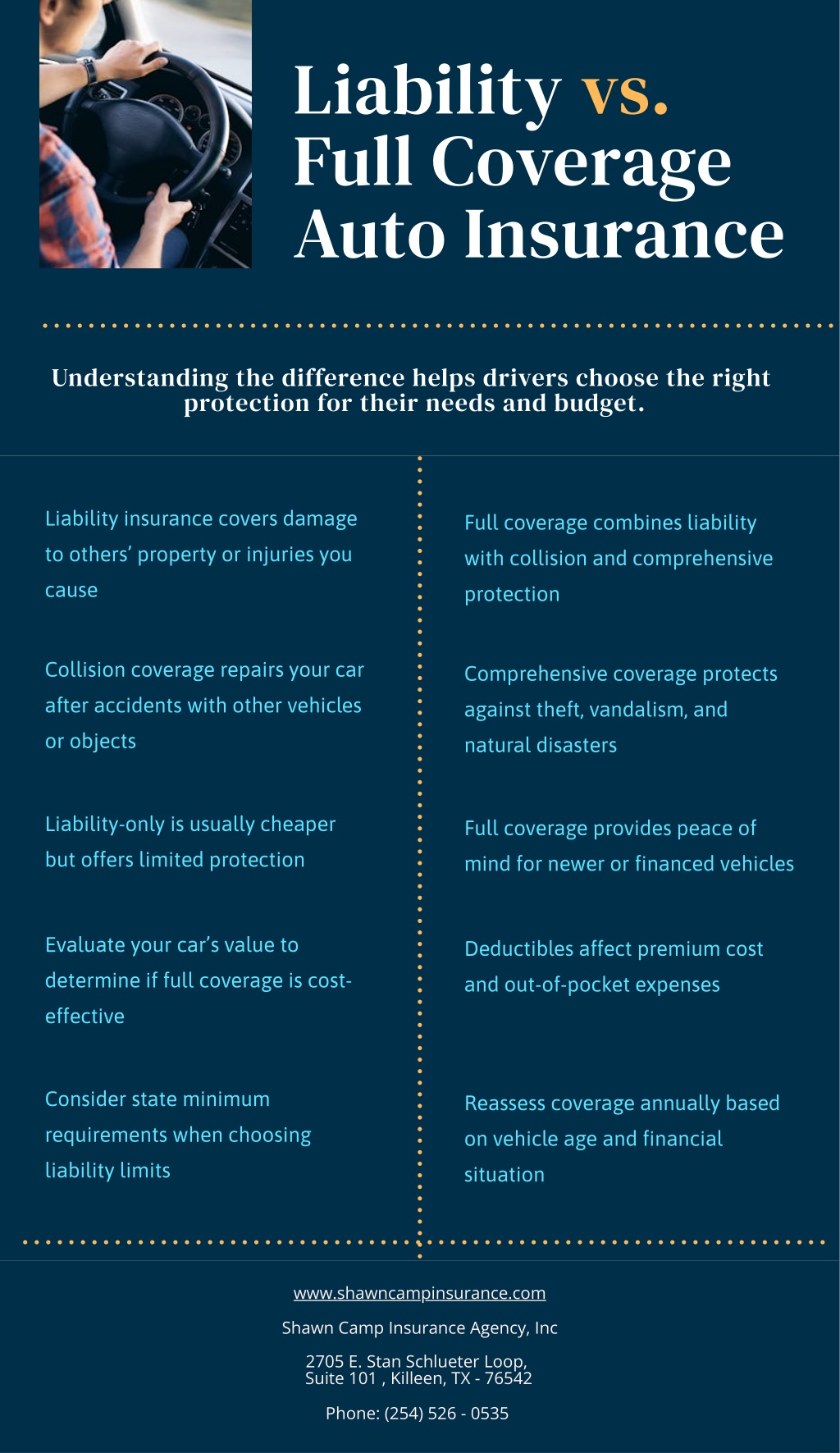
The term "full coverage" is frequently used by consumers and agents, but it is not a specific policy type. Instead, it refers to a bundle of coverages that protect both your legal liability and the physical asset of the car itself. For a 2012 Volvo, this bundle generally consists of three primary components.
Bodily Injury and Property Damage Liability
This is the foundational element of any policy and is legally mandated in nearly every state. It pays for the medical bills and property damage of others if you are at fault in an accident. Even though your 2012 Volvo is older, your liability risk remains the same as if you were driving a brand-new car; you can still cause significant damage to others regardless of your vehicle's age.
Collision Coverage
Collision insurance pays to repair or replace your 2012 Volvo if it is damaged in a crash with another vehicle or an object, such as a fence or a guardrail. In 2026, the utility of collision coverage for an older Volvo is limited by the car's current market value. If a repair estimate exceeds a certain percentage of the car's value (often 70% to 80%), the insurer will "total" the car and pay you the market value minus your deductible.
Comprehensive Coverage
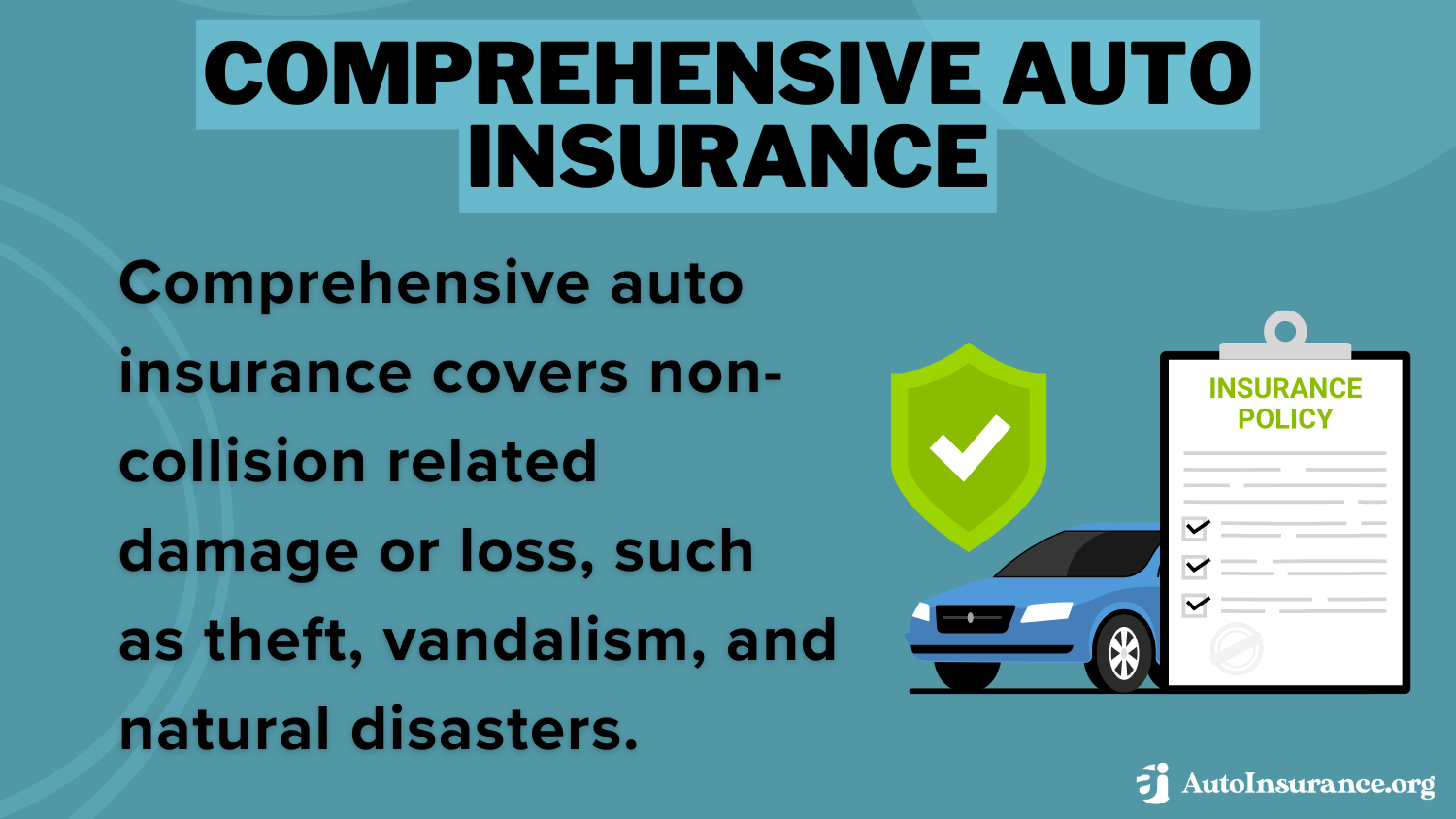
Comprehensive insurance covers "acts of God" and non-collision events. This includes theft, vandalism, fire, and damage from animals or weather events like hail. For Volvo owners, comprehensive coverage is often valued for glass protection. Volvo windshields frequently house sensors for early versions of City Safety—the brand’s autonomous braking technology—which can make replacement more expensive than on a standard sedan of the same era.
The Financial Math: Is Full Coverage Worth It in 2026?
As of 2026, a 2012 Volvo (depending on the model, such as the S60, XC60, or XC90) has likely depreciated significantly. To decide if full coverage is necessary, you must compare the cost of the premiums to the potential payout in the event of a loss.
The 10% Rule
A common rule of thumb in the insurance industry is the "10% Rule." If the annual cost of your collision and comprehensive coverage exceeds 10% of your Volvo’s total market value, it may be time to drop down to liability-only coverage. For example, if your 2012 Volvo S60 is valued at $5,000 and the "full coverage" portion of your premium costs $600 per year, you are paying a significant portion of the car's worth just to insure it against physical damage.
Deductible Considerations
Your deductible is the amount you pay out of pocket before insurance kicks in. For a 2012 model, a $500 or $1,000 deductible is standard. However, if your car is only worth $4,000, a $1,000 deductible means the maximum the insurance company will ever pay you for a total loss is $3,000. If you have $3,000 in a savings account, you are essentially "self-insuring" the vehicle, and paying for collision coverage may be a redundant expense.
Volvo-Specific Factors Influencing 2026 Premiums
Insuring a Volvo is different from insuring a generic economy car, even when that Volvo is 14 years old. Several brand-specific factors influence how underwriters calculate your rates in 2026.
Advanced Safety Systems (City Safety)
The 2012 model year was a pivotal time for Volvo’s safety technology. Many models from this year came standard with "City Safety," a laser-based system designed to prevent low-speed collisions. While these systems reduce the likelihood of an accident—which can lead to lower liability premiums—they also increase the cost of repairs. A minor front-end "fender bender" that might cost $1,200 on another car could cost $3,000 on a 2012 Volvo because of the need to replace and recalibrate specialized sensors.
Parts Availability and Repair Costs
By 2026, parts for 2012 models are widely available in the secondary (salvage) market, which can help keep repair costs down. However, Volvos are European luxury vehicles, and specialized labor rates at certified European repair shops remain higher than average. Insurance companies factor these higher labor rates into the premium, meaning you might pay slightly more to insure a 2012 Volvo than a 2012 Toyota.
Structural Integrity and Crash Ratings
Volvos are historically over-engineered for safety. In 2026, these vehicles still perform well in crash tests compared to other cars of the same vintage. This "survivability" factor can lead to lower premiums for the Medical Payments (MedPay) or Personal Injury Protection (PIP) portions of your policy, as the likelihood of severe injury in a Volvo remains statistically lower.
2026 Coverage Comparison for a 2012 Volvo
The following table illustrates the different coverage tiers and how they apply to an older luxury vehicle like a 2012 Volvo.
| Coverage Type | What It Protects | Recommended For | 2026 Context |
|---|---|---|---|
| Liability Only | Others' property and injuries | High-mileage cars worth < $4,000 | The bare minimum required by law; leaves you with no payout if your Volvo is damaged. |
| Full Coverage (Low Deductible) | Your car + others; $250-$500 deductible | Pristine, low-mileage 2012 Volvos (e.g., XC90) | Provides maximum peace of mind but may cost more than the car is worth over 2-3 years. |
| Full Coverage (High Deductible) | Your car + others; $1,000+ deductible | Owners who want protection against total loss but want lower monthly premiums | Often the "sweet spot" for 14-year-old Volvos that are still in good daily-driving condition. |
| Uninsured Motorist | You, if hit by someone without insurance | All 2012 Volvo owners | Highly recommended in 2026 as the number of uninsured drivers continues to fluctuate. |
Factors That Determine Your Premium in 2026
While the car itself is a major factor, your personal profile significantly dictates the cost of full coverage for a 2012 Volvo.
- Annual Mileage: In 2026, many 2012 Volvos are used as secondary vehicles or "commuter beaters." If you drive fewer than 7,500 miles per year, you may qualify for low-mileage discounts or pay-per-mile insurance models.
- Geographic Location: Rates vary wildly by zip code. A 2012 Volvo parked in a secure garage in a rural area will be significantly cheaper to insure than the same car parked on the street in a high-crime urban environment.
- Driving Record: Because the 2012 Volvo is an older car, the "risk" is shifted more heavily onto the driver. A clean record over the last three to five years is the most effective way to keep full coverage affordable.
- Credit-Based Insurance Score: In most states, insurers use a version of your credit score to predict risk. Maintaining a healthy credit profile in 2026 remains a key component of securing low insurance rates.
How to Lower Insurance Costs Without Losing Protection
If you decide that full coverage is necessary for your 2012 Volvo, there are several strategies to reduce the financial burden.
- Bundle Policies: Combining your auto insurance with a homeowners or renters policy is often the most significant discount available.
- Safety Features: Ensure your insurer is aware of all the safety features on your 2012 Volvo. While City Safety was standard on many trims, features like Blind Spot Information System (BLIS) or adaptive cruise control might garner additional discounts.
- Defensive Driving Courses: Many states mandate a premium reduction for drivers who complete an accredited defensive driving course, a benefit that applies regardless of the vehicle's age.
- Usage-Based Insurance (UBI): By 2026, telematics programs (apps or plug-in devices that track your driving) have become highly sophisticated. If you drive your 14-year-old Volvo gently and infrequently, UBI can offer savings of up to 30%.
Common Mistakes When Insuring Older Volvos
One frequent error is over-insuring a vehicle that the market has deemed a "total loss candidate." Because Volvos hold their mechanical integrity longer than their cosmetic or market value, owners often feel the car is "worth more" to them than it is to the insurance company.
Another mistake is neglecting to update the policy's primary driver. If a 2012 Volvo has been handed down to a teenage driver in the household, failing to disclose this to the insurer can lead to a denied claim. Conversely, if a teen driver has moved out and is no longer using the Volvo, removing them from the policy can result in substantial savings.
Frequently Asked Questions
Does full coverage include roadside assistance for my 2012 Volvo?
Not automatically. Roadside assistance is typically an "add-on" or endorsement. Given that a 2012 Volvo is 14 years old, mechanical issues such as alternator failure or cooling system leaks are more common. Adding roadside assistance to your policy is usually very inexpensive (often less than $20 per year) and is highly recommended for older European vehicles.
Will insurance pay for OEM Volvo parts if I have a claim?
Standard full coverage policies generally allow the use of "like kind and quality" parts, which often means aftermarket or recycled (used) parts. If you want guaranteed Original Equipment Manufacturer (OEM) parts for your 2012 Volvo, you may need to purchase an OEM parts endorsement. However, for a car of this age, many insurers may not offer this option, or the cost may be prohibitively high.
If my 2012 Volvo is totaled, how is the "Actual Cash Value" determined?
In 2026, insurance adjusters use proprietary software to compare your car to similar 2012 Volvos sold recently in your geographic area. They look at mileage, trim level (e.g., T5 vs. T6), and overall condition. It is important to maintain service records to prove the car was well-maintained, as this can sometimes help negotiate a slightly higher payout if the car is totaled.
Is glass coverage different from comprehensive coverage?
In many states, glass coverage is a sub-section of comprehensive insurance. Some policies offer "Full Glass" coverage with a $0 deductible. Because 2012 Volvos often have complex windshields with rain sensors and camera mounts, a $0 deductible glass plan can be a wise investment to avoid paying $500 to $1,000 for a simple rock chip that turns into a crack.
Does the trim level (S60 vs. XC90) affect the price of full coverage?
Yes. Larger vehicles like the XC90 often have higher liability premiums because they can cause more damage to others in an accident due to their weight. Conversely, smaller models like the C30 or S40 (if still on the road) might have higher collision rates because they are more easily damaged.
Final Recommendation for 2012 Volvo Owners
For most owners of a 2012 Volvo in 2026, the most balanced approach is Full Coverage with a High Deductible ($1,000). This configuration protects you against a catastrophic financial loss if the car is stolen or totaled in a major accident, but keeps your monthly premiums low enough to be justifiable for a 14-year-old vehicle. If the car's market value drops below $3,000, you should seriously consider transitioning to liability-only coverage and redirecting your premium savings into a dedicated vehicle repair or replacement fund.
Image Gallery