How IDM Heat Pumps Work in Practice: Efficiency, Technology, and Real-World Performance
In practice, IDM heat pumps function by extracting low-grade thermal energy from the air, ground, or water and upgrading it through a high-efficiency refrigerant cycle—predominantly using R290 (Propane) in 2026. They utilize proprietar...
In practice, IDM heat pumps function by extracting low-grade thermal energy from the air, ground, or water and upgrading it through a high-efficiency refrigerant cycle—predominantly using R290 (Propane) in 2026. They utilize proprietary HGL (Hygienic-Gliding-Layering) technology and the Navigator 2.0 control system to provide simultaneous space heating and domestic hot water while optimizing energy consumption through predictive AI and smart grid integration.
Contents
The Thermodynamic Core: How IDM Processes Energy
To understand how an IDM heat pump operates in a real-world setting, one must first look at the technical refinement of its refrigeration circuit. While the basic principle of a heat pump—evaporation, compression, condensation, and expansion—is universal, IDM differentiates its performance through high-precision components and advanced refrigerants.
In 2026, the industry has shifted almost entirely toward natural refrigerants. IDM was an early adopter of R290 (Propane), which offers excellent thermodynamic properties and a very low Global Warming Potential (GWP). In practice, this means the heat pump can achieve flow temperatures of up to 70°C (158°F) even when outside temperatures are significantly below freezing. This capability is critical for renovation projects where traditional radiators require higher temperatures than modern underfloor heating systems.
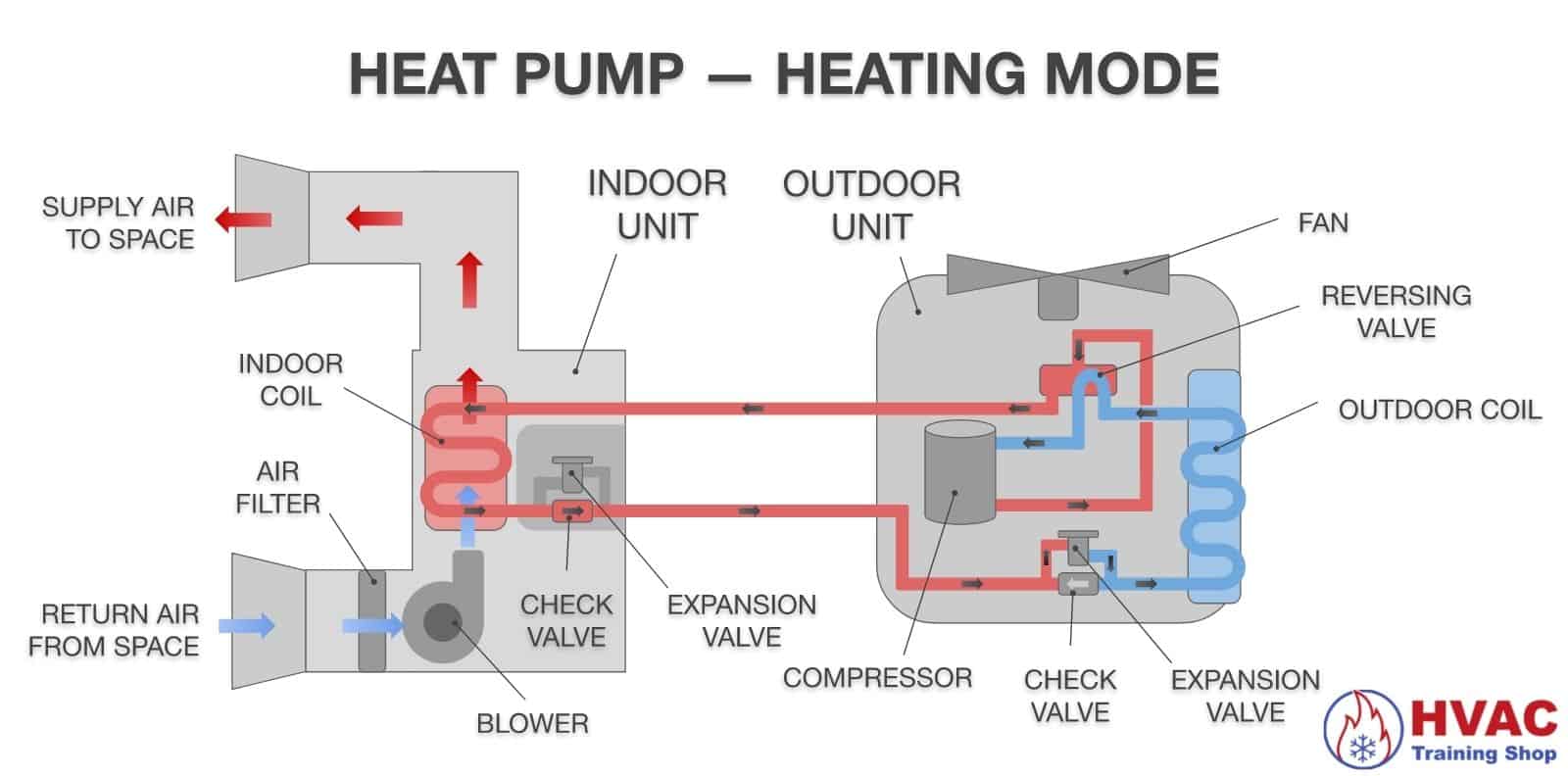
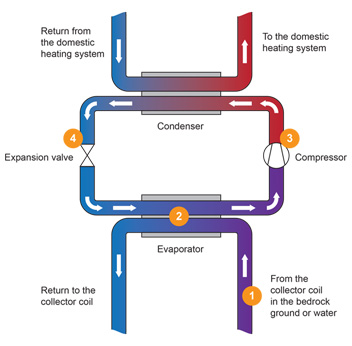
The process begins at the evaporator, where the refrigerant absorbs ambient heat. Even at -20°C, there is still enough thermal energy in the air to boil R290. The compressor, which is the heart of the system, then increases the pressure of the gaseous refrigerant. IDM uses inverter-controlled compressors, which do not simply turn on and off. Instead, they modulate their speed to match the exact heating load of the building. If the house only needs 2 kW of heat on a mild autumn day, the compressor runs at a low frequency, significantly reducing wear and tear and improving seasonal efficiency.
HGL Technology: The Practical Advantage of Simultaneous Comfort
One of the most significant technical hurdles for standard heat pumps is the "switching" problem. Normally, a heat pump must choose between heating the rooms or heating the domestic hot water tank. When it switches to hot water mode, space heating stops, and the pump must ramp up to a high temperature, which is often inefficient.
IDM’s HGL (Hygienic-Gliding-Layering) technology solves this in practice through a specialized hydraulic design and a second heat exchanger (the "hot gas" heat exchanger).
- Energy Diversion: During the standard heating cycle, a small portion (approx. 10–15%) of the high-temperature "hot gas" from the compressor is diverted before it reaches the main condenser.
- Gliding Temperature: This hot gas is used to maintain the domestic hot water tank at a high temperature (e.g., 60°C) while the bulk of the energy continues to heat the house at a lower, more efficient temperature (e.g., 35°C).
- Efficiency Gains: Because the system provides hot water "on the side" during the heating season, it avoids frequent, energy-intensive high-temperature cycles. This reduces the number of compressor starts (cycling), which is the primary cause of mechanical failure in heat pumps.
In a practical household application, this means that while the floor heating is running, the hot water tank is being topped up without the occupants noticing any dip in room temperature or a spike in electricity demand.
Intelligent Control: Navigator 2.0 and Predictive AI
In 2026, the performance of a heat pump is as much about software as it is about hardware. The Navigator 2.0 control system acts as the "brain" of the IDM unit. In practice, this system does not just react to a thermostat; it anticipates needs.
Weather Forecast Integration
The Navigator 2.0 connects via the internet to local meteorological services. If the forecast predicts a sunny afternoon, the heat pump will deliberately delay heating the thermal storage or the hot water tank during the cold morning hours. Instead, it waits for the sun to rise so it can power the process using free electricity from the home’s photovoltaic (PV) system.
Voice Control and Smart Home Ecosystems
Modern IDM units are fully compatible with Matter and Zigbee protocols, allowing them to integrate into broader smart home ecosystems. Users can adjust temperatures via voice commands or mobile apps, but more importantly, the system can communicate with smart thermostatic valves in individual rooms. If a window is opened, the Navigator 2.0 receives a signal to pause heating in that specific zone, preventing energy waste.
Predictive Maintenance
Through cloud-based monitoring, the system tracks performance metrics such as pressure levels, flow rates, and electricity consumption. If the system detects a deviation from the norm—such as a declining flow rate indicating a clogged filter—it can alert the homeowner or the service technician before a breakdown occurs.
Physical Variants: AERO, TERRA, and iPump
IDM categorizes its systems based on the energy source and the physical footprint. Choosing the right one depends on the property's constraints and local geology.
| Feature | AERO (Air-Source) | TERRA (Ground/Water-Source) | iPump (Compact Series) |
|---|---|---|---|
| Primary Energy Source | Ambient Air | Brine (Ground) or Groundwater | Air or Brine (versatile) |
| Typical COP (2026) | 4.2 – 5.0 | 5.2 – 6.1 | 4.5 – 5.5 |
| Space Requirement | Outdoor unit + Indoor module | Indoor unit only (needs boreholes) | Extremely small footprint (<0.5 m²) |
| Best For | Renovations and urban lots | New builds with garden space | Modern apartments and small homes |
| Cooling Capability | Active cooling standard | Passive cooling (near zero cost) | Active or Passive options |
The iPump: Solving the Space Problem
For modern urban living, the iPump is perhaps the most practical application of IDM technology. It combines the heat pump, the Navigator control system, and a 200-liter stainless steel hot water tank into a single unit that occupies less than half a square meter of floor space. Despite its small size, it utilizes the same HGL technology and high-efficiency inverter components as the larger industrial models.
Renewable Integration: The PV Link
In the energy landscape of 2026, a heat pump is rarely installed in isolation. It is almost always paired with a PV system. IDM heat pumps are "Smart Grid Ready" (SG Ready), meaning they can receive signals from the utility provider to increase consumption when there is an oversupply of renewable energy on the grid (often resulting in lower electricity prices).
Practically, this works through thermal storage. When the PV panels produce excess electricity that isn't needed by appliances, the Navigator 2.0 ramps up the heat pump to "overheat" the hot water tank or a buffer tank by a few degrees. This effectively turns the water tanks into a thermal battery, storing solar energy in the form of heat to be used later in the evening when the sun has set. This strategy can increase a home’s self-consumption rate of solar energy by up to 30%.
Real-World Performance in Renovation vs. New Construction
A common misconception is that heat pumps only work in new, airtight houses. IDM’s focus on high flow temperatures has changed this reality for many homeowners.
- New Construction: Systems are usually ground-source (TERRA) or highly efficient air-source (AERO). They operate with low flow temperatures (30–35°C) for underfloor heating, achieving maximum efficiency.
- Renovations: In older homes with radiators, the IDM unit uses R290 refrigerant to provide flow temperatures of 60–70°C. While this is slightly less efficient than a low-temperature system, it is still significantly more cost-effective and environmentally friendly than an oil or gas boiler. In these scenarios, the Fresh Water Module is often used, which heats domestic water on demand using a plate heat exchanger, eliminating the need for large, high-temperature storage tanks and reducing the risk of Legionella.
Maintenance and Operational Longevity
In practice, an IDM heat pump is designed for a service life of 20 to 25 years. This longevity is achieved through:
- Low Cycle Counts: The HGL technology and inverter modulation prevent the "stuttering" (on/off) operation that degrades compressors.
- Stainless Steel Construction: Use of high-grade materials in the hot water tanks and heat exchangers prevents corrosion.
- Software Updates: Like a modern electric vehicle, the Navigator 2.0 receives over-the-air (OTA) updates to optimize efficiency algorithms as new data becomes available.
Maintenance typically involves an annual check of the brine pressure (for ground-source units) or cleaning the evaporator fins (for air-source units). Because R290 is a natural refrigerant, it does not fall under the same strict leakage testing regulations as older synthetic F-gases in many jurisdictions, though professional servicing remains essential for safety and efficiency.
Frequently Asked Questions
Are IDM heat pumps loud during operation?
No, modern IDM AERO units are among the quietest on the market. In practice, they utilize owl-wing inspired fan blades and sound-insulated compressor compartments. In "Silent Mode," the noise level at a distance of 3 meters is often less than 30 dB(A), which is quieter than a whisper.
Can an IDM heat pump cool my house in the summer?
Yes. Ground-source units (TERRA) offer passive cooling, where the cool temperature of the earth is transferred to the house using only a circulation pump, consuming almost no electricity. Air-source units (AERO) offer active cooling by reversing the refrigerant cycle, effectively acting as a large air conditioning system.
Is a buffer tank always necessary?
While not strictly required for all configurations, IDM generally recommends a buffer tank to ensure hydraulic separation. This allows the heat pump to maintain a constant flow rate regardless of how many individual room thermostats are open or closed, which protects the compressor and improves overall system stability.
How does the Fresh Water Module work?
Unlike a traditional boiler that keeps 300 liters of water hot all day, the IDM Fresh Water Module uses a high-performance heat exchanger to heat cold tap water instantly as it flows through. This ensures that the water you shower with is always fresh and has not been sitting in a tank, providing superior hygiene.
What is the typical installation time?
For an air-source AERO system, a professional installation team can typically complete the setup in 2 to 3 days. Ground-source TERRA systems take longer because they require specialized drilling or trenching for the geothermal collectors, which must be coordinated with local environmental authorities.
Practical Recommendation
When considering an IDM heat pump, the primary focus should be on the system integration rather than just the unit itself. To get the most out of the technology, ensure your installer is certified in the Navigator 2.0 ecosystem and can properly integrate your PV system. For those in colder climates or with older properties, prioritize models utilizing R290 refrigerant to ensure that flow temperatures remain sufficient during peak winter months without relying on expensive electric immersion heaters.
Image Gallery