The Ultimate Running Shoes Guide: How to Choose Your Perfect Pair in 2026
To choose the best running shoe in 2026, you must identify your specific foot biomechanics, primarily your pronation style, and match it to a shoe’s support category—neutral, stability, or motion control. Additionally, consider the int...
To choose the best running shoe in 2026, you must identify your specific foot biomechanics, primarily your pronation style, and match it to a shoe’s support category—neutral, stability, or motion control. Additionally, consider the intended terrain, cushioning preferences (stack height), and technical features like carbon plates or supercritical foam midsoles to optimize comfort and performance.
Contents
Choosing the right running shoes is no longer a matter of simply picking a color or a brand. As we navigate 2026, the footwear industry has moved toward hyper-specialization, utilizing advanced materials and biomechanical data to create shoes tailored to specific strides and surfaces. This guide provides a technical deep dive into the elements that define modern running footwear, helping you make an informed investment in your physical health.
Understanding Your Foot Biomechanics and Pronation
Before looking at specific models, you must understand how your foot moves when it strikes the ground. This movement is known as pronation, a natural part of the gait cycle that helps the body absorb shock.
Neutral Pronation
In a neutral gait, the foot lands on the outside of the heel and then rolls inward (about 15%) to absorb shock and support the body weight. This is the most efficient movement for distributing impact. Runners with neutral pronation or slight supination (underpronation) typically thrive in neutral cushioning shoes, which offer flexibility and impact protection without restrictive support structures.
Overpronation
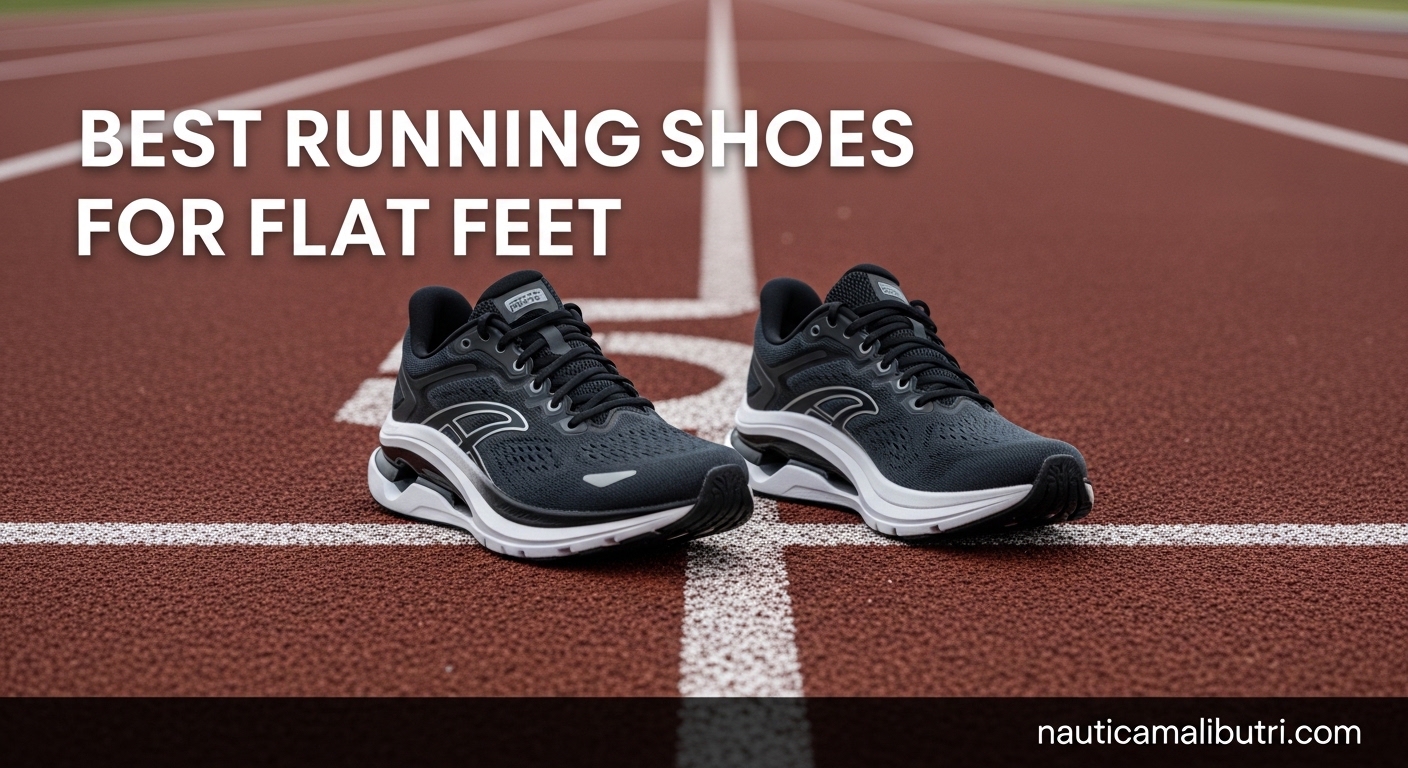
Overpronation occurs when the foot rolls inward excessively—more than the ideal 15%. This is common in individuals with flat feet or low arches. Overpronation can lead to instabilities and common running injuries like shin splints or plantar fasciitis. To counteract this, stability shoes or motion control shoes are designed with firmer materials on the medial (inner) side of the midsole, often called a medial post, to prevent the foot from collapsing inward.
Supination (Underpronation)
Supination is the opposite of overpronation; the foot does not roll inward enough after landing, placing the impact on the outer edge of the foot. This is frequently seen in runners with high, rigid arches. Supinators require high levels of cushioning to compensate for the lack of natural shock absorption, as their feet do not effectively dissipate the energy of each stride.
The Anatomy of a Modern Running Shoe
In 2026, the construction of running shoes has reached a peak of material science. Understanding the components allows you to evaluate why one shoe costs $120 while another costs $250.
The Upper
The upper is everything above the sole. Most modern shoes use engineered mesh or circular knits. In 2026, many brands have moved toward bio-based synthetics and recycled polymers that offer high breathability and a "second-skin" fit. Look for an upper that secures the midfoot without restricting the toes (the toe box).
The Midsole: The Engine of the Shoe
The midsole is the most critical component, responsible for cushioning and energy return.
- EVA (Ethylene Vinyl Acetate): The traditional standard, now often "supercritical" (injected with nitrogen) to make it lighter and more resilient.
- PEBA (Polyether Block Amide): Found in high-performance "supershoes," this material offers the highest energy return, often exceeding 80-90%.
- Stack Height: This refers to the amount of material between your foot and the ground. "Maximalist" shoes feature high stack heights for maximum protection, while "minimalist" or "low-profile" shoes offer better ground feel.
The Outsole
The outsole is the rubber layer that contacts the ground. For road running, outsoles are generally thinner and made of high-abrasion rubber. Trail running shoes feature deeper "lugs" (3mm to 7mm) to provide traction on mud, rocks, and loose dirt.
Heel-to-Toe Drop
This is the difference in height between the heel and the forefoot.
- High Drop (8mm-12mm): Traditional, suits heel strikers.
- Mid Drop (4mm-7mm): Versatile, suits midfoot strikers.
- Zero Drop (0mm): Mimics natural barefoot positioning; requires a transition period to avoid Achilles tendon strain.
Categorizing Shoes by Usage and Terrain
Selecting a shoe depends heavily on where and how fast you intend to run. The "quiver" approach—having different shoes for different types of runs—is common among intermediate and advanced runners in 2026.
Daily Trainers
These are the workhorses of the running world. They are designed for durability (lasting 400-500 miles) and comfort. They provide a balanced mix of cushioning and weight, making them suitable for the majority of a runner's weekly mileage.
Racing and Speedwork Shoes ("Supershoes")
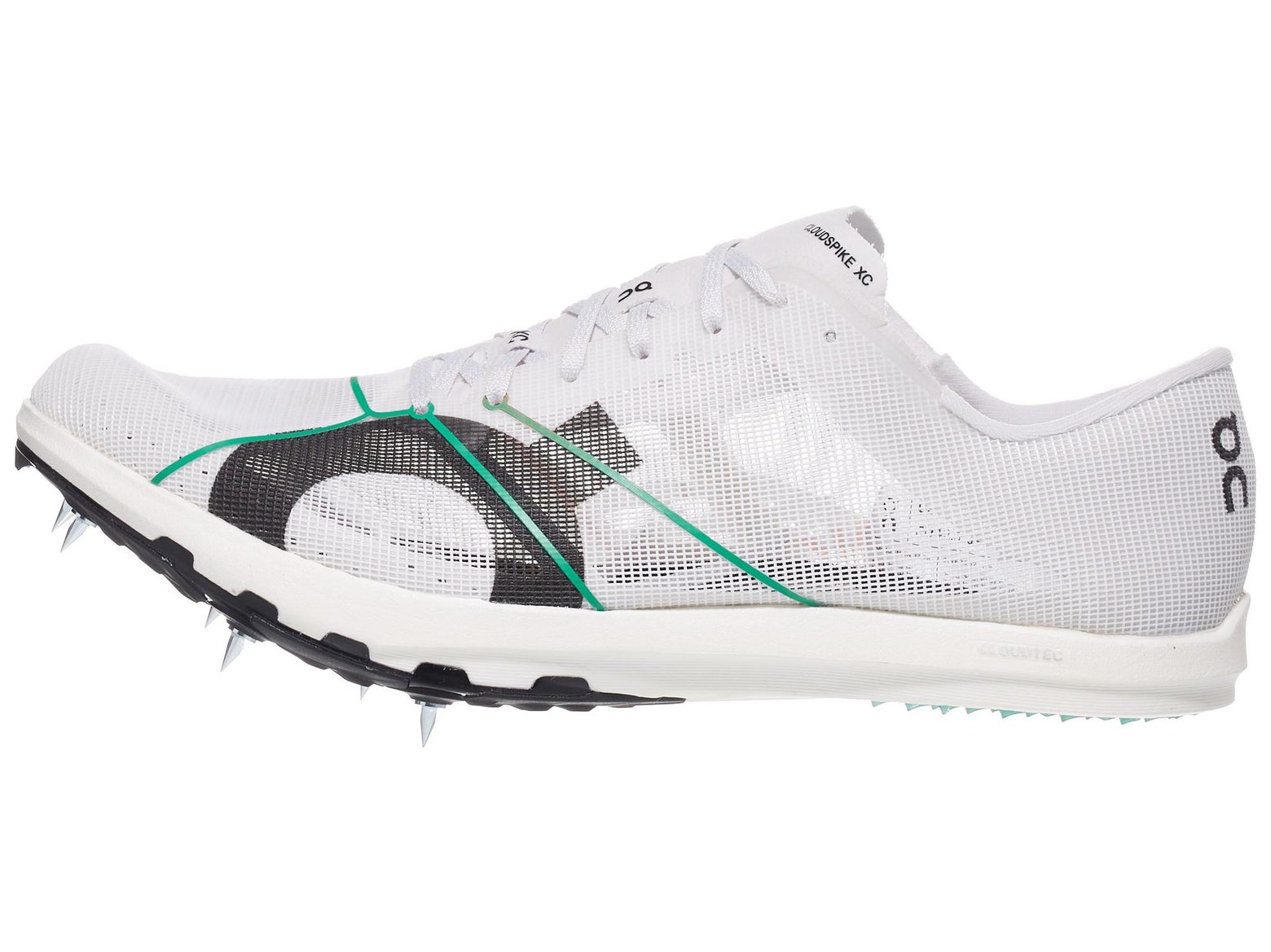
Equipped with carbon-fiber or nylon plates embedded within high-rebound PEBA foams, these shoes are designed to maximize efficiency. According to research from the American College of Sports Medicine, these shoes can improve running economy by 3-4%. However, they are less durable and often more expensive.
Trail Running Shoes
Trail shoes are built with reinforced uppers to protect against debris and stiff midsoles to provide stability on uneven terrain. Many 2026 models now include rock plates—thin layers of plastic or carbon—to protect the bottom of the foot from sharp stones.
Technical Comparison of Running Shoe Categories
The following table summarizes the key differences between the primary types of running shoes available in 2026.
| Feature | Daily Trainer | Stability Shoe | Racing "Supershoe" | Trail Shoe |
|---|---|---|---|---|
| Primary Goal | Versatility/Comfort | Correction/Support | Speed/Energy Return | Traction/Protection |
| Midsole Tech | Supercritical EVA/TPU | Dual-density Foam | PEBA + Carbon Plate | Firm EVA + Rock Plate |
| Typical Drop | 8mm - 12mm | 8mm - 12mm | 4mm - 8mm | 4mm - 10mm |
| Weight | Moderate | Heavy | Ultra-light | Moderate to Heavy |
| Durability | 400 - 550 Miles | 400 - 500 Miles | 150 - 250 Miles | 400 - 500 Miles |
| Terrain | Pavement/Treadmill | Pavement/Treadmill | Pavement/Track | Dirt/Mud/Technical |
How to Ensure the Correct Fit
Even the most technologically advanced shoe will cause problems if it does not fit your specific foot shape. In 2026, many specialty running stores use 3D foot scanning to recommend sizes, but manual verification remains essential.
- Shop in the Afternoon: Your feet naturally swell throughout the day and during a run. Buying shoes when your feet are at their largest prevents constriction during long efforts.
- The Thumb Rule: There should be approximately a thumb’s width of space between your longest toe and the end of the shoe. This allows for forward foot slide during downhill running.
- Check the Width: Ensure the "ball" of your foot is not pinching. Many brands now offer wide (2E) and extra-wide (4E) versions of their popular models.
- Heel Lock: Your heel should stay firmly in place without slipping. If you experience minor slipping, try the "runner’s loop" lacing technique to secure the ankle.
Sustainability and Innovation in 2026
The running shoe industry has faced scrutiny regarding its environmental impact. In 2026, we are seeing a shift toward circularity. Several leading brands have launched subscription models where old shoes are returned, ground down, and manufactured into new midsoles.
Materials like castor bean oil-based foams and recycled ocean plastics have transitioned from niche marketing to standard production. When selecting a shoe, looking for certifications like Global Recycled Standard (GRS) can help ensure your purchase aligns with modern environmental standards.
Common Mistakes to Avoid
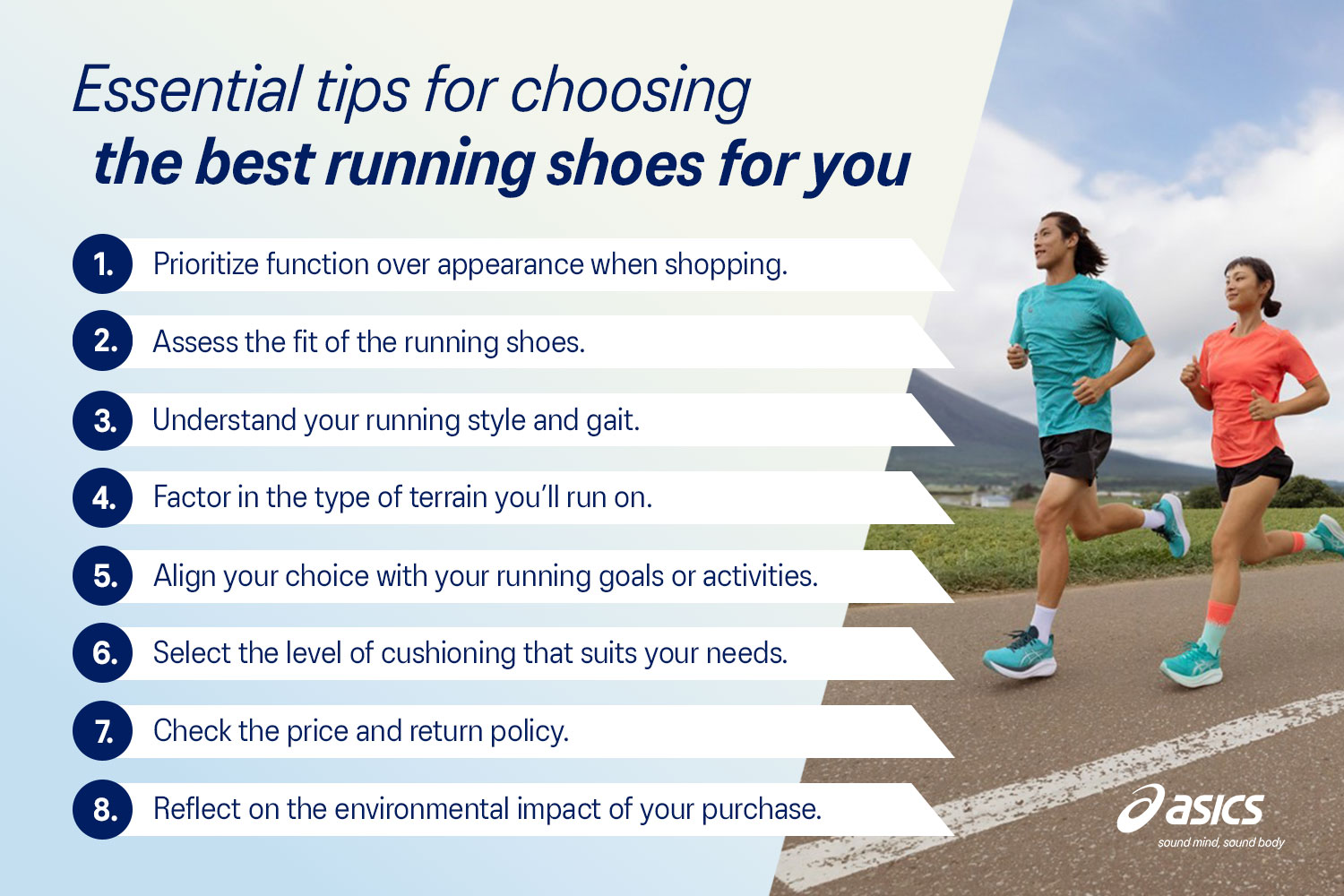
- Buying for Aesthetics: A shoe that looks great but doesn't match your gait will lead to injury. Always prioritize function over fashion.
- Holding Onto Shoes Too Long: Once the midsole foam loses its "resilience," it no longer absorbs shock effectively. Even if the outsole looks fine, the internal structure may be compromised.
- Ignoring the Socks: Always try on shoes with the specific running socks you intend to use. Thick cushioned socks can change a shoe's fit by half a size compared to thin racing liners.
Frequently Asked Questions
How often should I replace my running shoes?
Most running shoes should be replaced every 300 to 500 miles (480 to 800 kilometers). However, this varies based on your weight, running surface, and shoe type. Racing shoes with specialized foams often degrade faster (150-250 miles), while rugged trail shoes might last longer. Listen to your body; if you start feeling new aches in your knees or arches, the cushioning may be spent.
Can I use running shoes for gym workouts or cross-training?
While you can, it is not ideal. Running shoes are designed for linear (forward) movement and have high stack heights that can be unstable during lateral (side-to-side) movements found in HIIT or tennis. Furthermore, the soft foams in running shoes can be prematurely compressed by heavy weightlifting.
What is the difference between "stability" and "neutral" shoes?
Neutral shoes are designed for runners with a natural gait or who supinate, offering uniform cushioning. Stability shoes feature "medial posts" or "guide rails"—firmer sections of foam on the arch side—to prevent excessive inward rolling (overpronation).
Do I really need carbon-plated shoes?
Carbon-plated shoes are designed for racing and high-speed training. While they provide significant energy return, they are often less stable and can place different stresses on the lower legs. For the average fitness runner, a high-quality daily trainer is often more comfortable and cost-effective.
Is "maximalist" cushioning better for my knees?
Maximalist shoes provide excellent impact protection, which can reduce pressure on the soles of the feet. However, some studies suggest that high stack heights can change landing mechanics, potentially shifting stress to the hips or knees. It is a matter of personal comfort and transition; if you move to a maximalist shoe, do so gradually.
Final Recommendation
When navigating "the running shoes guide" for your next purchase, the most effective strategy is to start with a professional gait analysis. Once you know your pronation profile, prioritize a shoe that offers a balance of comfort and the specific technical features required for your primary running surface. In 2026, the best shoe is no longer the most expensive one, but the one that disappears on your foot, allowing you to focus entirely on the run itself.
Image Gallery