Understanding Cycling Studio Commercial General Liability Coverage
Cycling studio commercial general liability coverage is the foundational insurance policy designed to protect boutique fitness businesses from the financial repercussions of third-party bodily injury, property damage, or advertising in...
Cycling studio commercial general liability coverage is the foundational insurance policy designed to protect boutique fitness businesses from the financial repercussions of third-party bodily injury, property damage, or advertising injury claims. For owners of indoor cycling studios, this coverage is essential for mitigating risks inherent in high-intensity, group-based fitness instruction and physical facility management.
Contents
The Core Necessity for Cycling Studios
Running a cycling studio involves unique operational risks that go beyond the standard liability faced by a retail storefront. Because your business relies on participants performing strenuous physical activity in a shared space, the potential for accidents is statistically significant. A client may trip over a stray water bottle, fall during a transition, or suffer a strain that they later attribute to improper facility maintenance or equipment positioning.
Commercial General Liability (CGL) functions as your primary defense. When a third party—such as a student, a delivery person, or a landlord—claims that your business is responsible for their injury or financial loss, the insurance company typically steps in to pay for legal defense costs, medical bills, and potential settlements or judgments, provided the claim falls within the scope of your policy’s definitions and limits.
Distinguishing CGL from Specialized Fitness Coverage
It is common for new studio owners to conflate CGL with Professional Liability (Errors and Omissions) insurance. While they are often bundled together in a "Business Owner’s Policy" (BOP), they serve distinct purposes.
- Commercial General Liability (CGL): Covers "slip and fall" accidents, facility-related injuries, and damage to third-party property. It focuses on the physical premises and the general activities conducted there.
- Professional Liability (Errors and Omissions): Covers allegations of professional negligence. If a client sues you claiming your instruction caused a specific physical injury due to improper coaching technique or lack of medical clearance, standard CGL may not suffice.
For a cycling studio, relying solely on CGL leaves a gap in coverage regarding the actual instruction of classes. Most comprehensive commercial insurance programs for fitness studios require both components to ensure full protection against the full spectrum of operational risks.
Key Components of Coverage
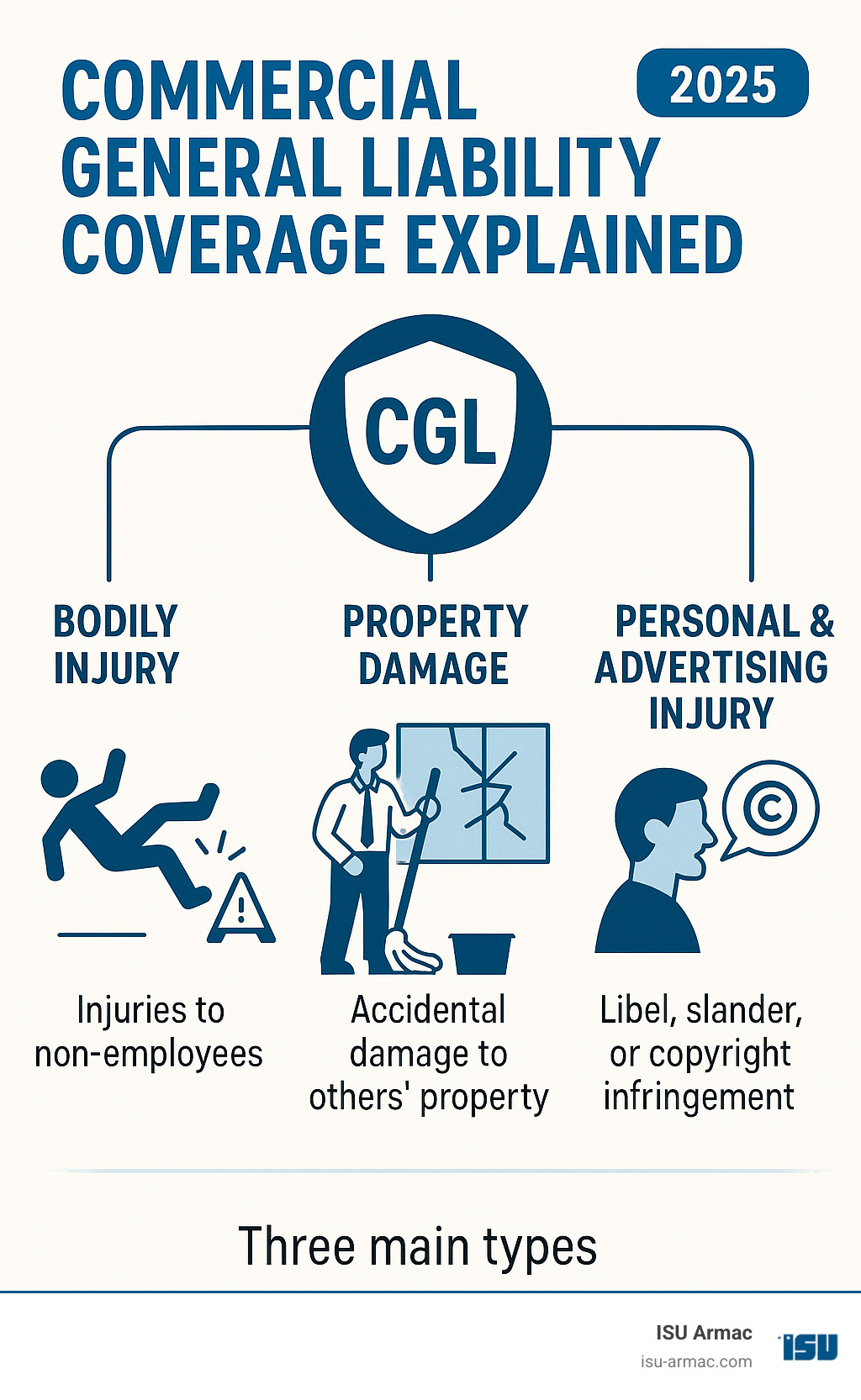
When securing a policy for your studio, you must evaluate the specific coverage triggers and exclusions. A standard CGL policy generally provides protection in three main areas:
- Bodily Injury: This is the most common claim for cycling studios. It covers the costs associated with a student being injured on your premises, whether through a slip, a fall, or equipment failure.
- Property Damage: If you lease your studio space, your landlord will almost certainly require proof of liability insurance. This covers accidental damage to the premises that you do not own, such as flooding a neighboring unit or damaging the building structure.
- Personal and Advertising Injury: This covers non-physical injuries, such as claims involving libel, slander, or copyright infringement regarding your marketing materials or social media presence.
Evaluating Policy Limits and Deductibles
As of 2026, standard commercial leases for boutique fitness studios typically mandate a minimum of $1,000,000 per occurrence and a $2,000,000 aggregate limit. However, the specific risk profile of your studio—such as the number of classes held, the square footage of the facility, and the frequency of high-traffic events—may warrant higher limits.
A deductible is the amount you are responsible for paying out-of-pocket before the insurance carrier begins covering a claim. While higher deductibles lower your annual premium, they increase your financial exposure during an incident. For a small business, balancing these figures requires an honest assessment of your cash reserves and risk appetite.
| Coverage Feature | Purpose | Typical Requirement |
|---|---|---|
| Per Occurrence Limit | Max payout for a single claim | $1,000,000 |
| General Aggregate Limit | Max payout for all claims in a policy term | $2,000,000 |
| Damage to Rented Premises | Liability for damage to your studio space | $100,000 – $500,000 |
| Medical Payments | Small, no-fault medical coverage | $5,000 – $10,000 |
Risk Management and Premium Reduction
Insurance carriers evaluate your studio based on your risk management protocols. Demonstrating a proactive approach to safety can lead to more favorable premiums. Effective risk management in a cycling studio includes:
- Maintenance Logs: Regularly inspecting stationary bikes for mechanical issues (e.g., loose pedals, worn-out frames) and documenting these inspections.
- Waiver Management: Ensuring every participant signs a robust, legally reviewed liability waiver before their first ride. While waivers do not eliminate the possibility of a lawsuit, they are critical evidence of "assumption of risk" by the client.
- Staff Training: Implementing standardized emergency protocols, including regular CPR/AED training for all instructors and clear procedures for handling mid-class injuries.
- Flooring Standards: Using slip-resistant flooring in the cycling room and locker areas to minimize fall risks.
Exclusions and Coverage Gaps
No insurance policy is universal. Being aware of standard exclusions is just as important as understanding what is included. Common exclusions in CGL policies include:
- Intentional Acts: Injuries caused intentionally by the insured party.
- Employment-Related Practices: Claims regarding wrongful termination or discrimination (this requires separate Employment Practices Liability Insurance).
- Professional Services: As noted earlier, if the claim is based on the quality of the cycling instruction itself, a standard CGL policy may invoke a "professional services exclusion." Ensure your policy includes an endorsement or a separate policy for professional liability to cover these instruction-related risks.
Steps to Secure Coverage
- Assess Business Assets: Calculate the total value of your equipment, inventory, and leasehold improvements.
- Review the Lease: Identify the specific insurance requirements stipulated by your commercial property landlord.
- Consult a Licensed Broker: Engage a commercial insurance broker who specializes in fitness or sports liability. They are better equipped to negotiate specific endorsements tailored to the cycling industry.
- Complete a Detailed Application: Provide accurate data regarding your gross annual revenue, square footage, and the number of certified instructors. Misrepresentation can lead to denied claims.
- Review and Bind: Carefully read the policy exclusions before signing. Ensure you receive a Certificate of Insurance (COI) that can be provided to your landlord or partners as proof of coverage.
FAQ
Is CGL enough to cover my instructors? Generally, CGL covers the business entity. Your instructors should be covered as employees or independent contractors under the business policy, but you must verify that your policy includes "Additional Insured" status for instructors to ensure they are protected when acting on your behalf.
Do I need a separate policy for my cycling equipment? CGL typically does not cover the theft or replacement of your own business property. You should look into "Business Personal Property" (BPP) coverage, which is often included in a Business Owner’s Policy, to protect your bikes, sound systems, and studio equipment from theft or fire.
How does my location affect my premiums? Premiums are influenced by the regional litigiousness of your area and the specific safety requirements mandated by local municipal codes. Studios in high-density urban environments often face higher premiums due to the increased foot traffic and potential for third-party injury claims.
What should I do if a student is injured during a class? Immediately secure the scene and prioritize the student’s medical well-being. Document the incident thoroughly with photos, witness statements, and a formal internal incident report. Notify your insurance agent or carrier as soon as possible, as most policies have strict reporting timelines for potential claims.
Do I need to update my insurance if I start offering virtual classes? Yes. Providing services online changes the scope of your risk. You must inform your carrier, as they may need to add "Cyber Liability" or expand your Professional Liability coverage to account for the delivery of fitness services over digital platforms.
Next Steps for Your Business
If you are currently operating or preparing to open your cycling studio, your immediate action should be to request a "Loss Run" report if you have had prior insurance, and to contact a reputable broker to obtain at least three competitive quotes. Do not settle for the cheapest premium; prioritize carriers that provide clear definitions of what constitutes "professional services" so you avoid the common trap of being underinsured during a coaching-related dispute. Ensure that all maintenance and safety logs are digitized and backed up, as these documents are your best defense during any audit or claim process.
Image Gallery