Understanding Billy Idol’s Net Worth and Financial Legacy
As of 2026, Billy Idol, the iconic English rock musician and pioneer of the punk-to-new-wave transition, holds an estimated net worth of approximately $10 million to $15 million. This valuation is built upon a career spanning five deca...
As of 2026, Billy Idol, the iconic English rock musician and pioneer of the punk-to-new-wave transition, holds an estimated net worth of approximately $10 million to $15 million. This valuation is built upon a career spanning five decades, characterized by multi-platinum album sales, global concert tours, lucrative licensing of his music, and consistent royalty streams from his extensive catalog of hits.
Contents
The Foundation of a Musical Career
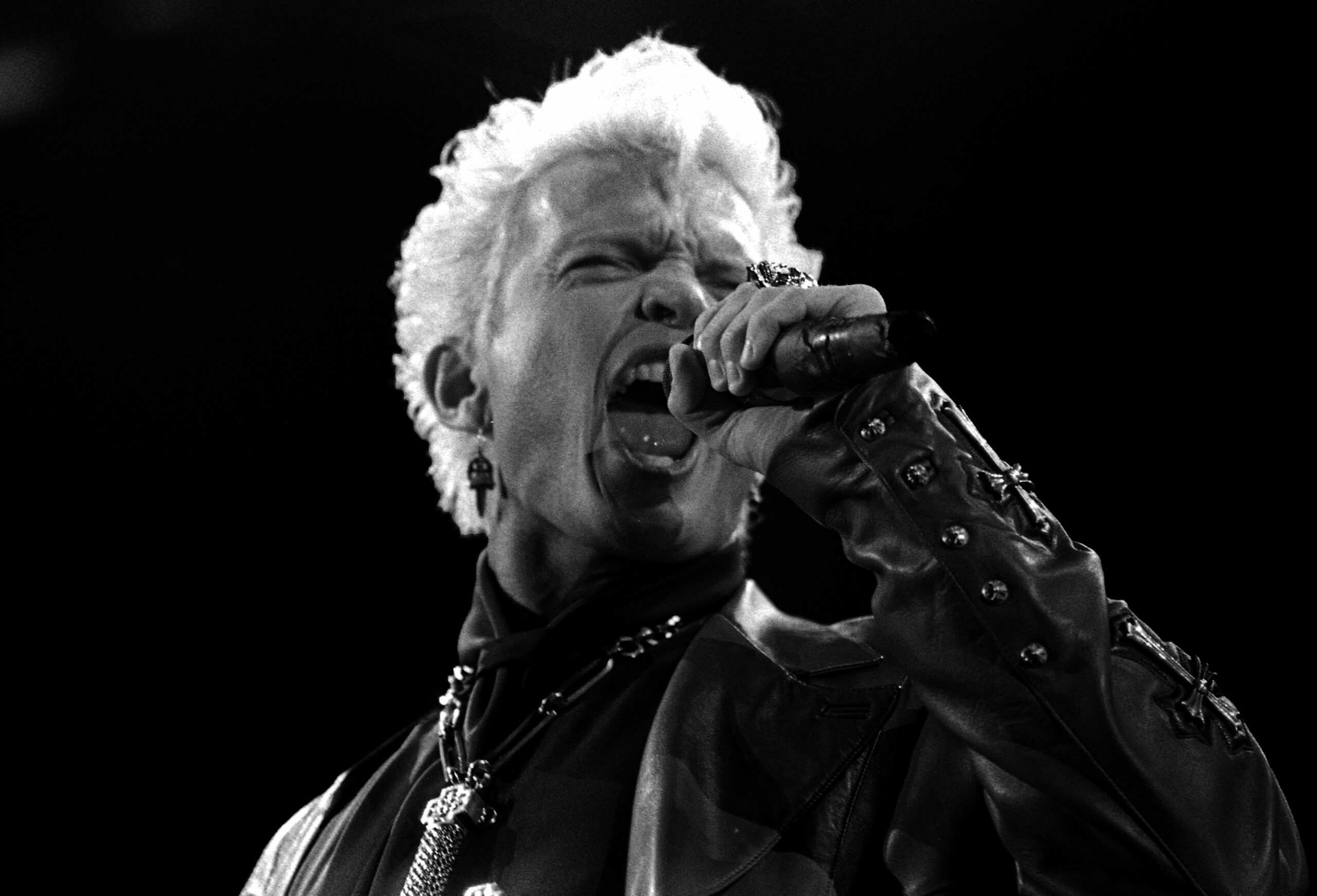
To understand the financial standing of Billy Idol, born William Michael Albert Broad, one must look at the trajectory of his professional output. Rising to prominence in the late 1970s as the frontman of the punk rock band Generation X, Idol transitioned into a solo career in the early 1980s that redefined the sound of the MTV era. Unlike artists who faded with the changing of musical tides, Idol maintained commercial relevance by blending aggressive punk aesthetics with polished, synth-heavy pop production.
His financial growth was primarily driven by the massive commercial success of albums like Billy Idol (1982) and Rebel Yell (1983). These records produced enduring radio staples such as "White Wedding," "Eyes Without a Face," and the title track "Rebel Yell." The high volume of units moved during the golden age of the music industry—when physical album sales were the primary revenue driver—provided the capital base for his long-term financial security.
Revenue Streams and Intellectual Property
The primary components of a rock star’s wealth often evolve from record sales to a more diversified portfolio. For Billy Idol, the following pillars support his current net worth:
- Catalog Royalties: As the primary songwriter on many of his hits, Idol benefits from performance royalties and mechanical licensing. Every time a track like "Dancing with Myself" is played on the radio, streamed on platforms like Spotify or Apple Music, or synchronized in a film, television show, or commercial, he generates passive income.
- Live Performances: Even well into his career, Idol remains an active touring musician. Unlike early career tours where a significant portion of revenue is lost to label overhead and high-interest loans, established legacy artists often command high guarantees for headlining festival spots and residencies.
- Licensing and Merchandising: The aesthetic of Billy Idol—the leather, the bleached hair, and the sneer—is a recognizable brand. His likeness and music have been licensed for use in video games, high-profile advertising campaigns, and biographic documentaries, creating a steady stream of revenue that does not require the physical labor of touring.
Financial Dynamics of the Music Industry
It is important to contextualize the "net worth" of a musician within the volatile nature of the entertainment industry. A common misconception is that the high gross revenue of the 1980s directly translates into current wealth. However, artists of that era often operated under predatory recording contracts that granted labels a disproportionate share of the profits.
By the mid-1990s, the landscape changed. Artists gained more leverage to renegotiate their deals, recapture their master recordings, or demand better royalty percentages. Billy Idol’s financial health is also attributed to his longevity; by remaining relevant through the 2000s and 2010s, he ensured his brand did not become a "one-hit wonder" footnote, allowing him to charge premium prices for ticket sales and festival appearances.
Comparison of Revenue Sources
The following table illustrates the typical shift in income sources for a long-standing musical artist:
| Revenue Source | 1980s Impact | 2026 Impact | Note |
|---|---|---|---|
| Album Sales | Primary | Negligible | Physical media has been replaced by streaming. |
| Touring | High | High | Increased reliance on premium ticket tiers. |
| Sync Licensing | Moderate | Very High | Use in media provides stable, long-term returns. |
| Merchandise | Low | Moderate | Direct-to-fan sales are now more efficient. |
Risks and Factors Influencing Valuation
While an estimated net worth of $10 million to $15 million is substantial, several factors can cause this figure to fluctuate. First is the cost of lifestyle and management. Sustaining a professional team, legal representation, and the inherent costs of maintaining a celebrity standard of living in major music hubs like Los Angeles or London requires significant liquidity.
Second, the music industry is subject to market corrections. When an artist decides to retire or reduce touring, their net worth may see a sharp decline if they have not successfully transitioned their assets into passive investments like real estate or equity portfolios. However, Idol has successfully leveraged his "legacy" status, which creates a floor for his income that newer, unproven artists do not possess.
Frequently Asked Questions
Does Billy Idol still earn money from his 1980s albums? Yes. Through performance royalties and the licensing of his master recordings, Idol continues to earn significant revenue from his early hits. The enduring popularity of 80s rock ensures these tracks remain in high demand for media synchronization.
What is the impact of touring on his wealth? Touring remains a significant contributor. By headlining established festivals and performing at arenas, Idol can command substantial performance fees, which, after deducting production costs and management commissions, provide a reliable annual income.
How much of his net worth comes from movie appearances? While Idol has appeared in films such as The Wedding Singer and The Doors, his acting career is a supplementary income source rather than a primary driver of his wealth. His primary financial value remains rooted in his musical catalog.
Is his net worth audited or public? No. Estimates provided in the media are based on professional analysis of touring history, record sales, and industry trends. These figures are approximations, not verified financial disclosures, as private individuals are not required to publish their net worth.
Could his net worth decrease over time? Like any individual, his net worth is subject to the costs of living, tax liabilities, and the performance of his investment portfolios. However, the recurring nature of music royalties acts as a hedge against inflation and provides a baseline for financial stability.
Recommendation and Next Action
For those interested in the financial mechanics of the music industry, it is worth analyzing the shift from physical record sales to streaming services. The best way to understand how legacy artists like Billy Idol maintain their wealth is to monitor their public touring schedules and their involvement in licensing deals. If you are researching this for investment purposes or historical interest, focus on the "Music Catalog" as a modern asset class, as this is where the long-term value for artists of this era is now concentrated. Always consult with a financial advisor regarding the risks associated with investing in media assets or the entertainment sector.
Image Gallery