Understanding How Solar Panel Installation in Dandenong North Works
Solar panel installation in Dandenong North follows a standardized process governed by Australian federal regulations and Victorian state-specific energy policies. Residents in this suburb of Melbourne transition to solar energy by eng...
Solar panel installation in Dandenong North follows a standardized process governed by Australian federal regulations and Victorian state-specific energy policies. Residents in this suburb of Melbourne transition to solar energy by engaging Clean Energy Council (CEC) accredited installers to design, permit, and commission photovoltaic (PV) systems that integrate with the existing grid infrastructure.
Contents
The Phases of Solar Integration
The journey from decision to operation involves several distinct stages. Because Dandenong North sits within the City of Greater Dandenong, local homeowners must navigate both structural safety requirements and Victorian energy distribution rules.
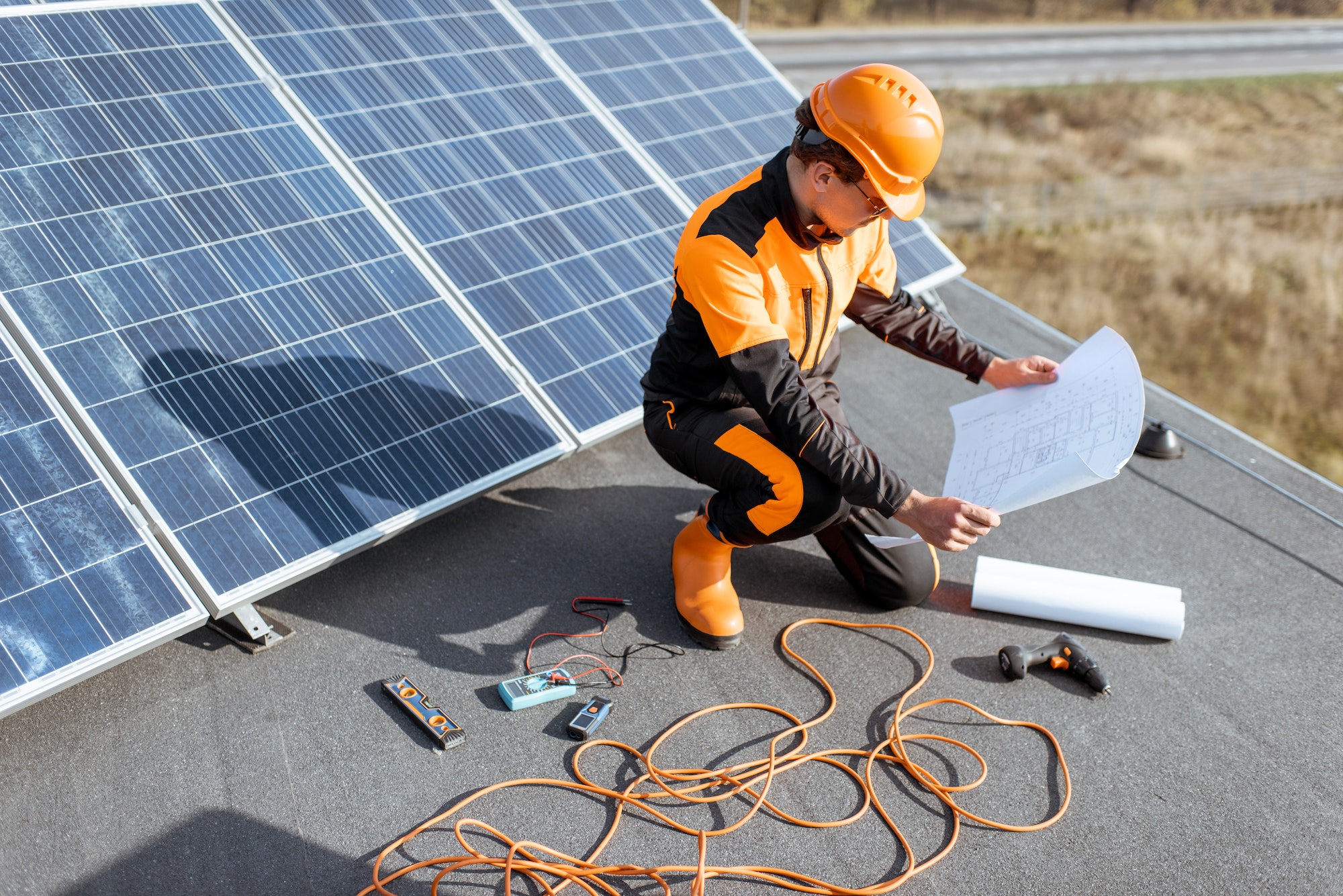
- Site Assessment and Feasibility: Before installation begins, a professional technician assesses the roof's orientation, tilt, and structural integrity. In Dandenong North, north-facing roofs are typically preferred to capture maximum solar irradiance throughout the day.
- System Design and Sizing: Engineers calculate the energy requirements of the household. This includes analyzing past electricity bills to determine the number of panels required. Most residential systems in the region range between 6kW and 10kW.
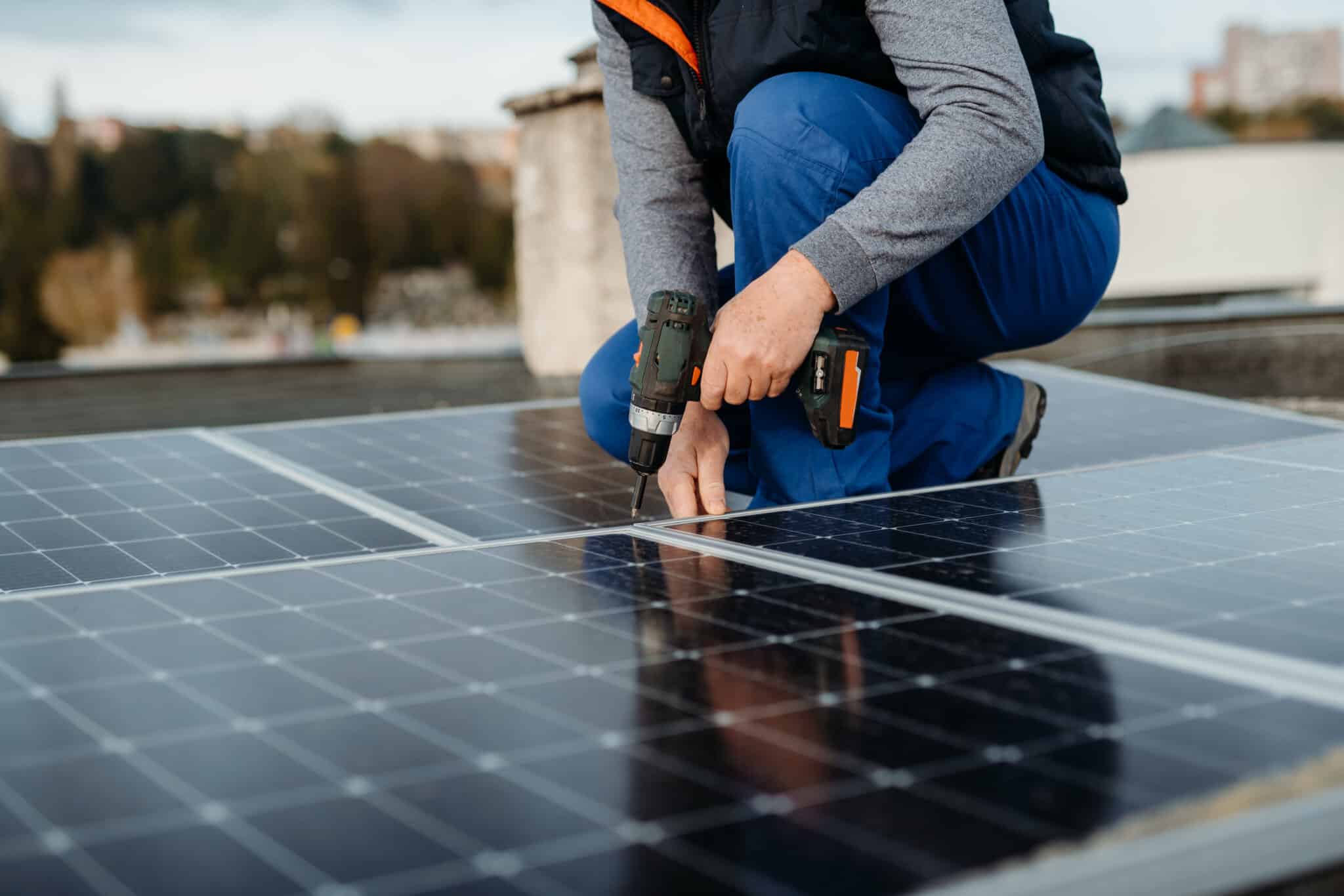
- CEC-Accredited Installation: A certified team mounts the racking system to the roof, installs the PV panels, and runs DC wiring to an inverter. The inverter acts as the "brain" of the system, converting the sunlight-captured direct current (DC) into usable alternating current (AC) for household appliances.
- Electrical Connection and Metering: Once the hardware is installed, an electrician must complete the final connection to the main switchboard. If the household does not already have a smart meter, the local Distribution Network Service Provider (DNSP) must be notified to facilitate the upgrade, enabling the tracking of both solar production and grid exports.
- Safety Certification and Commissioning: The installer provides the homeowner with a Certificate of Electrical Safety (CES). This document is essential for insurance purposes and confirms the system meets all Australian Standards (AS/NZS 5033 and AS/NZS 4777).
Regulatory Compliance and Financial Incentives
In 2026, the installation process remains heavily influenced by the Solar Homes Program, managed by Solar Victoria. This state-led initiative provides rebates that reduce the upfront costs of installation. Homeowners must verify their eligibility through the Solar Victoria portal before work commences.
It is a legal requirement that all solar equipment used in installations—including panels and inverters—must be on the CEC-approved product list. Using non-approved hardware can lead to the forfeiture of financial incentives and may present significant fire or electrical safety risks.
Technical Components of the System
Understanding the hardware ensures homeowners know what they are paying for and how to monitor the system's longevity.
| Component | Function | Maintenance Note |
|---|---|---|
| PV Panels | Convert solar radiation into DC electricity. | Clean annually to maintain efficiency. |
| Inverter | Converts DC to AC for home use. | Monitor output via app; replace every 10-15 years. |
| Racking System | Secures panels to the roof structure. | Inspect for corrosion in coastal/humid areas. |
| Smart Meter | Measures energy flow to and from the grid. | Managed by the DNSP; usually requires no interaction. |
| Battery (Optional) | Stores excess energy for night-time use. | Manage discharge cycles for maximum life. |
Why Orientation and Shading Matter in Dandenong North
Dandenong North features a mix of housing styles, ranging from established mid-century homes to modern infill developments. Shading from neighboring trees or adjacent multi-story properties can drastically reduce a system's output. If a roof is partially shaded, installers may recommend the use of micro-inverters or power optimizers. These devices allow each panel to operate independently, ensuring that the performance of the entire system is not limited by the single lowest-performing panel.
Operational Limitations and Troubleshooting
Even a perfectly installed system may face operational hurdles. Homeowners should observe the status lights on their inverter daily. A solid green light usually indicates normal operation, while a flashing red light often signals a fault, such as a grid voltage issue or a ground fault.
Common issues include:
- Voltage Rise: If many homes in a street export solar at the same time, the local grid voltage may exceed safe limits, causing inverters to shut down temporarily.
- Performance Degradation: Over time, physical debris or micro-cracks in panels reduce efficiency. If monitoring data shows a significant drop in production that cannot be attributed to weather, a professional inspection is required.
- Inverter Connectivity: Many modern inverters use Wi-Fi to send data to monitoring platforms. If the home’s internet router is moved, the system may lose connectivity. This does not stop the system from generating power, but it stops the homeowner from tracking the output.
Legal and Safety Considerations
Installing solar panels involves working at heights and dealing with high-voltage electrical currents. DIY installation is illegal in Victoria; all work must be performed by a licensed electrician who holds a specific accreditation for solar work. Homeowners should always ask to see the installer’s electrical license and their CEC accreditation card before allowing work to begin on their property.
Frequently Asked Questions
Does the City of Greater Dandenong require a planning permit for solar panels? Generally, rooftop solar installations on existing residential buildings do not require a planning permit, provided the panels do not project more than a certain distance from the roof surface. However, if your home is in a heritage overlay area, you should check with the local council office to confirm specific zoning restrictions.
How long does a typical installation take? For a standard residential detached home in Dandenong North, the physical installation of the panels and inverter usually takes one to two business days. The time-consuming part of the process is often the administrative work, such as submitting the pre-approval request to the electricity distributor and waiting for the meter update.
What happens to my solar energy when I am not at home? Any energy generated by your panels that is not immediately consumed by your household appliances is exported back to the grid. Your smart meter records these exports, and you receive a "feed-in tariff" credit on your electricity bill.
Is it worth installing a battery in 2026? Battery storage is becoming increasingly common. It is worth considering if your household consumes a high volume of electricity during the evening when the sun is not shining. A battery allows you to store the excess solar energy produced during the day for use at night, further reducing your reliance on grid electricity.
How do I verify that my installer is legitimate? Always request the installer's accreditation number and verify it against the official Clean Energy Council website. Additionally, ensure that the company provides a warranty for both the workmanship (installation) and the performance of the hardware components.
What is the "Grid-Connect" system? A grid-connect system is the most common setup in Australia. It allows your home to be powered by a mix of solar and grid power. If your solar panels produce more than you need, the surplus goes to the grid. If you need more power than your panels are producing (e.g., on a cloudy day), the grid automatically supplies the remainder.
Next Steps for Homeowners
To begin your transition to solar energy, your first step is to contact a reputable local installer to request a "site feasibility report." Provide them with your recent electricity bills so they can model a system that matches your consumption patterns. Once you have a quote, check your eligibility for the current Solar Victoria rebates before signing any contract. By following this structured path, you ensure a safe, efficient, and cost-effective transition to renewable energy for your Dandenong North property.
Image Gallery