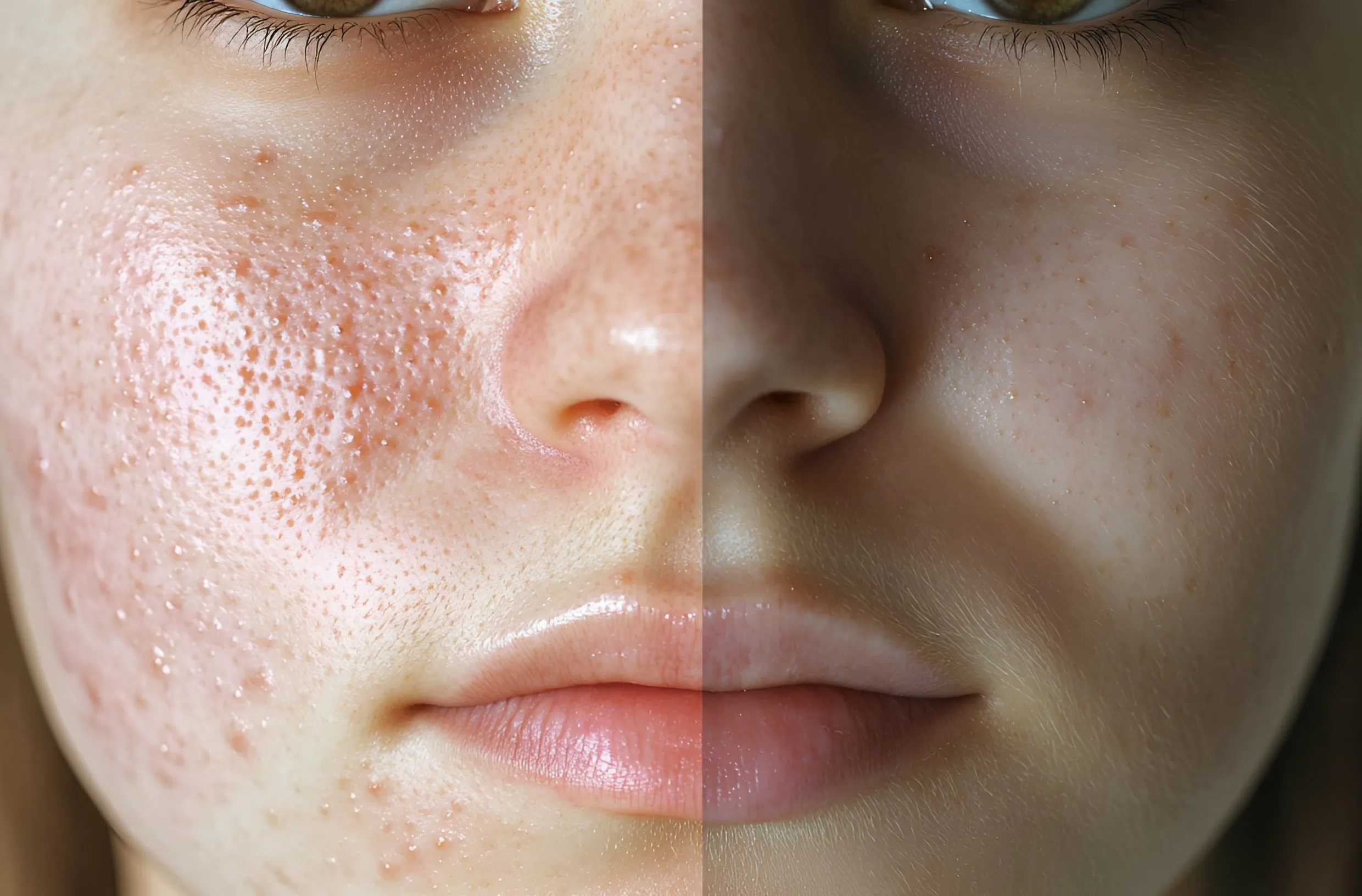
Comprehensive Guide to Gentle Chemical Exfoliation for Sensitive Skin
Gentle chemical exfoliation uses mild acids or enzymes to dissolve the "glue" holding dead skin cells together, promoting cellular turnover without the abrasive friction of physical scrubs. By utilizing larger molecular structures like...
Gentle chemical exfoliation uses mild acids or enzymes to dissolve the "glue" holding dead skin cells together, promoting cellular turnover without the abrasive friction of physical scrubs. By utilizing larger molecular structures like Polyhydroxy Acids (PHAs) or buffered Alpha Hydroxy Acids (AHAs), this method improves skin texture and tone while preserving the delicate skin barrier.
Contents
In 2026, the dermatological consensus has shifted decisively away from aggressive resurfacing in favor of barrier-first formulations. For individuals with sensitive skin, rosacea, or those prone to inflammatory responses, understanding the nuances of gentle chemical exfoliation is the key to achieving a "glass skin" finish without the risk of redness, peeling, or long-term damage to the stratum corneum.
The Evolution of Exfoliation: Why "Gentle" is the New Standard
For decades, the skincare industry equated a "stinging" sensation with efficacy. However, as our understanding of the skin microbiome and barrier lipids has evolved, we now recognize that chronic inflammation from harsh exfoliants leads to premature aging and increased sensitivity. Gentle chemical exfoliation relies on the controlled weakening of desmosomes—the protein structures that bond skin cells—allowing them to shed naturally.
Unlike physical exfoliants (such as walnut scrubs or micro-beads), which can create microscopic tears in the skin, chemical exfoliants provide a uniform application. The "gentle" category specifically focuses on molecules that penetrate the skin slowly. This slower penetration rate prevents the rapid pH drop that often triggers the skin’s inflammatory response, making these ingredients suitable for daily or bi-weekly use even on reactive complexions.
Key Ingredients in Gentle Chemical Exfoliation
Selecting the right acid is not just about the concentration; it is about the molecular weight and the delivery system. In 2026, formulations have become more sophisticated, often encapsulating active ingredients to ensure they reach the intended layer of the epidermis without causing surface irritation.
Polyhydroxy Acids (PHAs): The Sensitive Skin Hero
PHAs, such as gluconolactone and lactobionic acid, are widely considered the gold standard for gentle exfoliation. Their molecular structure is significantly larger than traditional AHAs like glycolic acid. Because of this size, they cannot penetrate deeply or quickly into the skin. Instead, they work diligently on the very surface.
Beyond exfoliation, PHAs act as humectants, meaning they attract and lock moisture into the skin. This dual-action—exfoliating while hydrating—is what sets PHAs apart. Research published in clinical dermatology journals highlights that PHAs are non-irritating even for patients with clinically diagnosed rosacea or atopic dermatitis.
Mandelic Acid: The Larger AHA
If you require the benefits of an Alpha Hydroxy Acid but find glycolic acid too aggressive, mandelic acid is the primary alternative. Derived from bitter almonds, mandelic acid has a larger molecular weight than lactic acid. It is oil-soluble, which allows it to penetrate pores to a degree, making it excellent for treating mild acne and post-inflammatory hyperpigmentation (PIH) in sensitive skin types.
Lactic Acid: The Hydrating Exfoliant
Lactic acid is a naturally occurring carboxylic acid that forms part of the skin’s Natural Moisturizing Factor (NMF). While it can be powerful at high concentrations, at lower percentages (5% to 8%), it provides a very gentle exfoliation. It is particularly valued for its ability to stimulate ceramide production, which strengthens the skin barrier over time.
Proteolytic Enzymes
Enzymatic exfoliation is often overlooked but represents the gentlest tier of resurfacing. Enzymes derived from fruits, such as papain (papaya) and bromelain (pineapple), work by digesting the keratin proteins in dead skin cells. Because enzymes are only active within a specific pH range and do not disrupt living cells, the risk of over-exfoliation is significantly lower than with acid-based products.
Comparative Analysis of Gentle Exfoliants
Choosing the right ingredient depends on your specific skin concerns and tolerance levels. The following table compares the most common gentle chemical exfoliants used in 2026 formulations.
| Ingredient | Category | Molecular Size | Primary Benefit | Best For |
|---|---|---|---|---|
| Gluconolactone | PHA | Very Large | Hydration + Surface Smoothing | Extreme Sensitivity / Rosacea |
| Lactobionic Acid | PHA | Very Large | Antioxidant + Texture | Aging, Dehydrated Skin |
| Mandelic Acid | AHA | Large | Acne + Discoloration | Oily, Sensitive Skin |
| Lactic Acid (Low %) | AHA | Medium | Brightening + Moisture | Dry, Dull Skin |
| Papain/Bromelain | Enzyme | N/A | Smoothing without Acids | Beginners / Reactive Skin |
How to Implement a Gentle Exfoliation Routine
Success with chemical exfoliation is 20% product selection and 80% application technique. Even the gentlest acid can cause issues if applied to compromised skin or used too frequently.
1. The Patch Test Protocol
Before applying any new chemical exfoliant to your face, perform a patch test on the inner forearm or behind the ear. Wait 24 to 48 hours to monitor for delayed inflammatory responses. In 2026, dermatologists emphasize that "instant" reactions are rare; it is the cumulative effect over two days that reveals true sensitivity.
2. Frequency and Timing
For beginners, the "low and slow" approach is mandatory.
- Weeks 1-2: Apply the product once a week.
- Weeks 3-4: Increase to twice a week if no redness or stinging occurs.
- Week 5+: For PHAs, you may move toward every other day, but most sensitive skin types find their "sweet spot" at 2-3 times per week.
Exfoliation should primarily occur during your evening routine. This prevents the immediate exposure of newly revealed skin cells to UV radiation and environmental pollutants.
3. Layering and Interactions
Chemical exfoliants should generally be applied to clean, dry skin. Applying acids to damp skin can increase penetration depth and speed, which may turn a gentle exfoliant into an irritant.
Avoid "cocktailing" or layering multiple actives in the same session. For example, do not use a PHA toner in the same routine as a prescription retinoid or a high-percentage Vitamin C (L-Ascorbic Acid) serum. Instead, use your exfoliants on "off" nights to support the skin's recovery cycle—a practice often referred to as "skin cycling."
Signs of Success vs. Signs of Irritation
Distinguishing between the normal "tingle" of an active ingredient and a warning sign of a damaged barrier is crucial.
- Normal Reactions: A very slight, brief tingling that subsides within 30 seconds; skin that looks temporarily pink but returns to normal quickly; a smoother feel to the skin the following morning.
- Warning Signs: Persistent redness; a stinging sensation that lasts several minutes; itchy patches; a "plastic-like" shiny appearance (signaling a stripped stratum corneum); or the sudden onset of small, white pustules.
If you experience warning signs, immediately stop all actives and focus on barrier repair using ceramides, cholesterol, and fatty acid-rich moisturizers for at least 7 to 10 days.
The Role of Sun Protection
It is a common misconception that gentle exfoliants do not increase photosensitivity. While PHAs are less sensitizing than glycolic acid, any process that removes the outer layer of dead skin cells makes the underlying tissue more vulnerable to UV damage.
According to the Skin Cancer Foundation, daily application of a broad-spectrum SPF 30 or higher is non-negotiable when using chemical exfoliants. Failure to protect the skin can result in the very hyperpigmentation and premature aging you are trying to treat.
Frequently Asked Questions
Can I use gentle chemical exfoliants if I have acne?
Yes. In fact, mandelic acid and low-strength salicylic acid are often preferred for sensitive, acne-prone skin. They help clear pore blockages without the excessive drying caused by traditional benzoyl peroxide treatments. Mandelic acid's antibacterial properties make it especially effective for adult acne where the skin barrier may already be fragile.
Are PHAs safe for use during pregnancy?
While many topical PHAs and AHAs are generally considered low-risk, you should always consult your healthcare provider or dermatologist. Most clinical guidelines, including those from the American Academy of Dermatology (AAD), suggest that low-concentration lactic acid and PHAs are typically acceptable, but individual health profiles vary.
Will gentle exfoliation help with "crepey" skin?
Gentle chemical exfoliation is excellent for crepey skin, particularly on the body or neck. By removing the dry, brittle surface cells and acting as a humectant, ingredients like lactic acid and gluconolactone can make the skin appear more plump and hydrated, reducing the visible fine lines associated with crepey texture.
How do I know if I'm over-exfoliating?
The most common sign of over-exfoliation is "tight" skin that feels uncomfortable even after applying moisturizer. Other signs include increased sensitivity to products that previously didn't bother you (like your basic cleanser) and a rough, sandpaper-like texture despite the use of exfoliants. This is the skin's way of trying to create a protective "scab" of dead cells because the barrier has been thinned too much.
Next Steps for Your Skincare Journey
If you are transitioning from physical scrubs to gentle chemical exfoliation, start with a PHA-based toner or a 5% Mandelic Acid serum. Use it once a week on a Wednesday or Sunday night to establish a baseline for your skin's reaction. Ensure your supporting routine contains a pH-balanced cleanser and a fragrance-free moisturizer to minimize external stressors. By prioritizing the health of your skin barrier over aggressive results, you will achieve more sustainable, long-term improvements in skin clarity and resilience.
Image Gallery