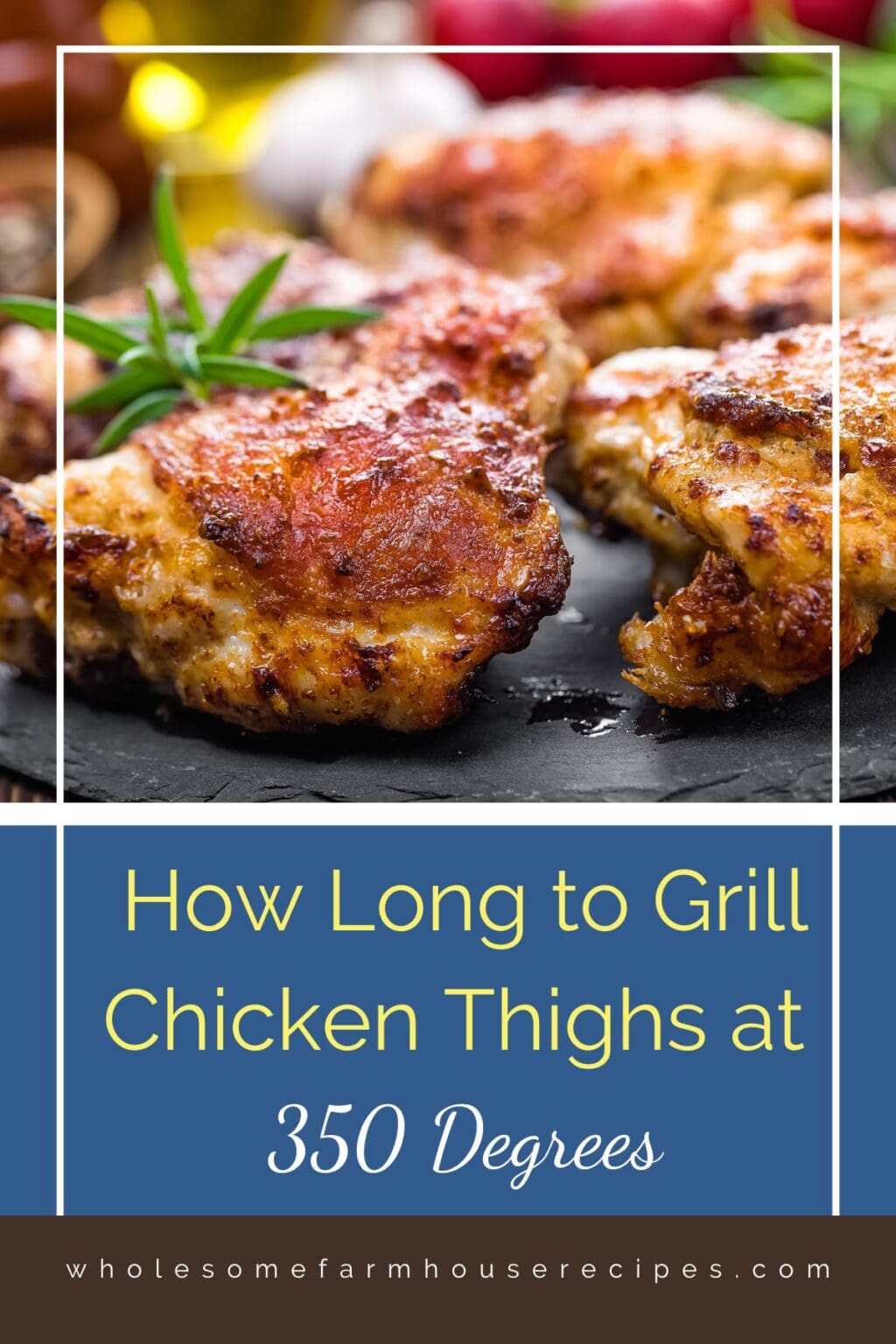
How to Grill Chicken Thighs on Grill Temp: Mastering Heat for Perfect Results
To grill chicken thighs successfully, maintain a grill temperature between 375°F and 425°F (190°C to 220°C) for direct grilling, or use a two-zone setup to manage flare-ups. Chicken thighs are forgiving due to their higher fat content,...
To grill chicken thighs successfully, maintain a grill temperature between 375°F and 425°F (190°C to 220°C) for direct grilling, or use a two-zone setup to manage flare-ups. Chicken thighs are forgiving due to their higher fat content, but they require careful temperature monitoring to ensure the skin renders properly without burning, reaching an internal target of 175°F for optimal texture.
Contents
Understanding the Importance of Grill Temperature
When working with chicken thighs, the target temperature of the grill is arguably the most critical variable in the cooking process. Unlike lean chicken breasts, which can dry out instantly if overcooked, chicken thighs possess a higher concentration of connective tissue and intramuscular fat. This composition makes them exceptionally flavorful and resistant to drying, but it also necessitates a specific thermal environment to achieve a crisp exterior.
If the grill is too cold, the chicken will steam rather than sear, resulting in rubbery skin and a pale, unappetizing appearance. Conversely, if the temperature exceeds 450°F, the fat within the thighs will render too quickly, dripping onto the heat source and causing frequent flare-ups. These flare-ups coat the meat in soot and create charred, bitter spots before the interior has reached a safe, succulent temperature. By keeping your grill in the moderate-to-high range of 375°F to 425°F, you strike a balance that allows the skin to brown through Maillard reaction while ensuring the meat cooks through evenly.
Prerequisites for Success
Before you begin the grilling process, ensure you have the necessary tools and preparations in place. Grilling is as much about preparation as it is about the actual cooking time.
- Digital Instant-Read Thermometer: Visual cues are often misleading when it comes to chicken. A calibrated instant-read thermometer is the only way to verify that the chicken has reached its safe, optimal temperature.
- Proper Fuel Management: Whether using charcoal or gas, ensure your heat source is preheated for at least 15 minutes before the meat hits the grate. This establishes an even thermal mass in the grill.
- Oil and Seasoning: Because chicken skin contains natural fats, you do not need excessive oil. However, a light coating of high-smoke-point oil (like avocado or grapeseed) can help heat transfer to the skin. Seasoning should be applied shortly before grilling; salt pulled out by moisture over long periods can alter the texture of the meat.
The Two-Zone Grilling Technique
The most effective way to manage temperature when grilling chicken thighs is the "two-zone" setup. This method provides both a safety net and a finishing chamber, allowing you to control the cooking process precisely.
- The Direct Zone: This area sits directly over the heat source (coals or lit burners). Use this zone to create the initial sear and develop the crust on the skin.
- The Indirect Zone: This area has no direct heat beneath it. It acts as an oven, allowing the chicken to finish cooking through without the risk of burning the exterior.
To set this up on a gas grill, ignite only half of the burners to medium-high. On a charcoal grill, heap the lit coals on one side of the grill basin, leaving the other side empty. If the chicken begins to flare up or char too quickly before the inside is cooked, move it to the indirect side to coast to the final temperature.
Comparative Temperature and Cooking Guidelines
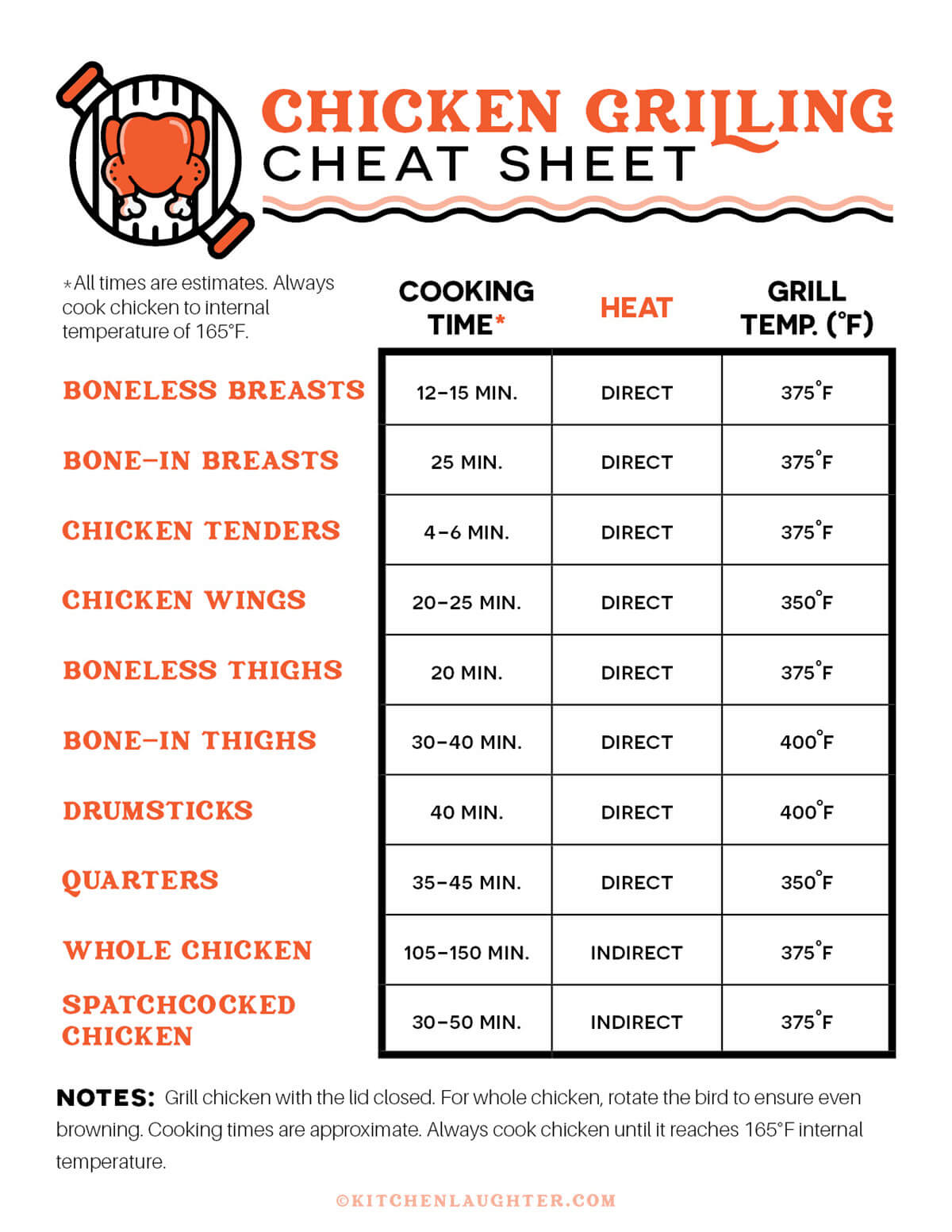
The following table outlines the expected results based on common grill temperature settings for chicken thighs. Note that "doneness" is measured by internal meat temperature, not just time.
| Grill Temperature | Heat Type | Suitability | Expected Outcome |
|---|---|---|---|
| 325°F (163°C) | Low-Medium | Thicker bone-in thighs | Slow rendering of fat; minimal char. |
| 375°F (190°C) | Medium-High | Ideal for all thighs | Balanced sear; crisp skin; juicy meat. |
| 450°F+ (232°C) | High | Searing only | Risk of excessive char and uneven cooking. |
Step-by-Step Execution
- Preparation: Pat the thighs dry with paper towels. Excess moisture on the surface creates steam, which prevents the skin from crisping.
- Preheat: Ignite your grill and aim for a steady 400°F. Ensure the grates are clean and lightly oiled.
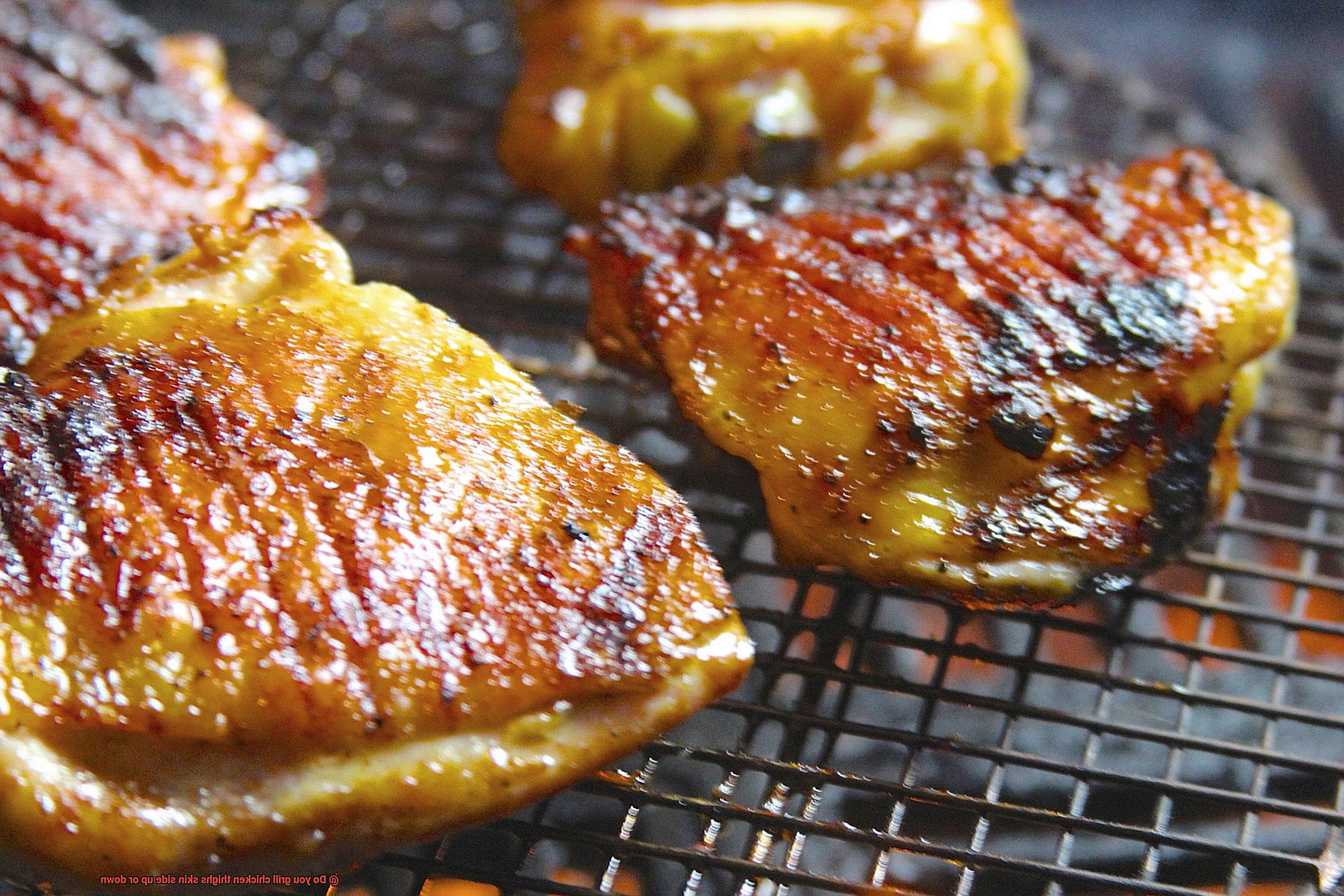
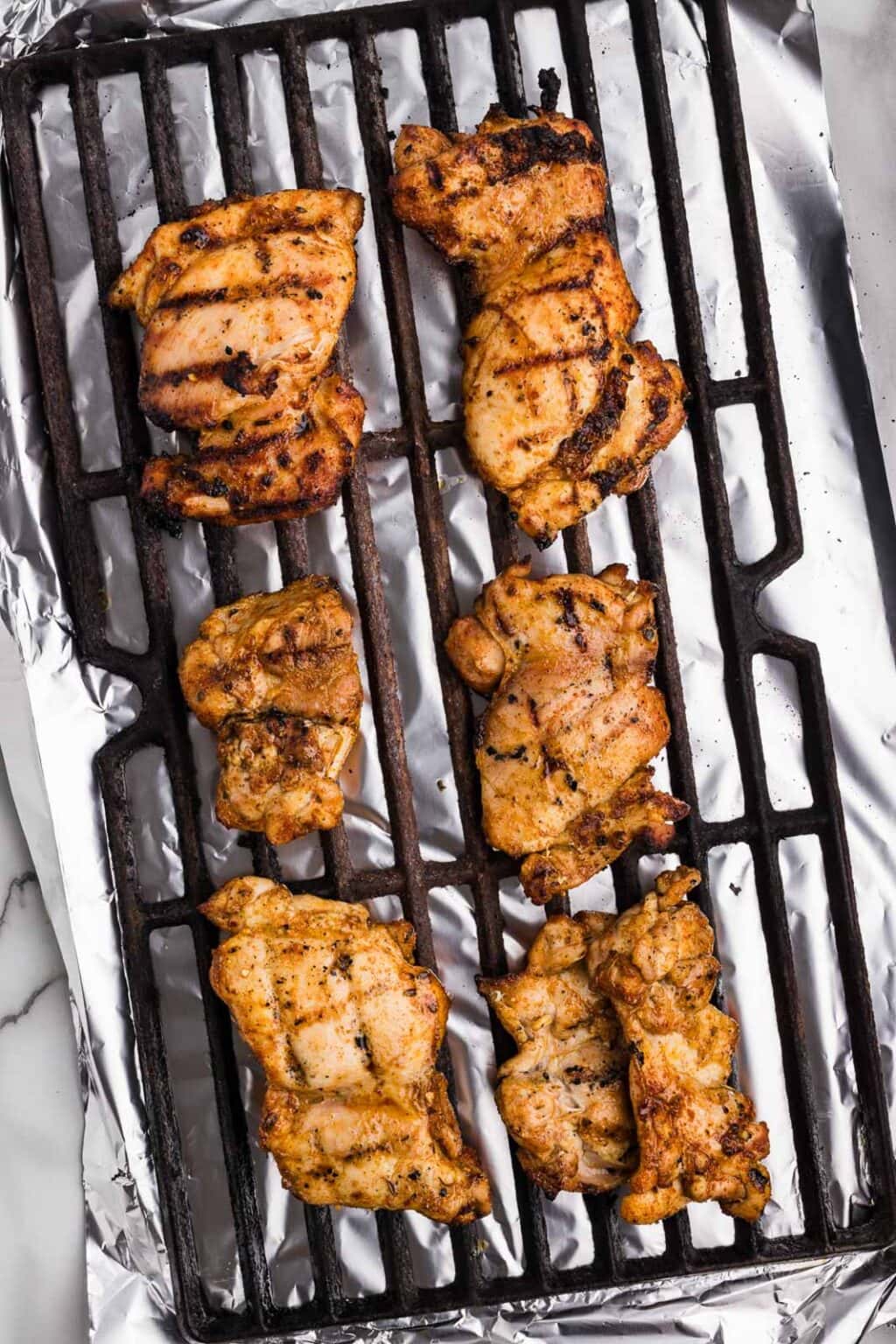
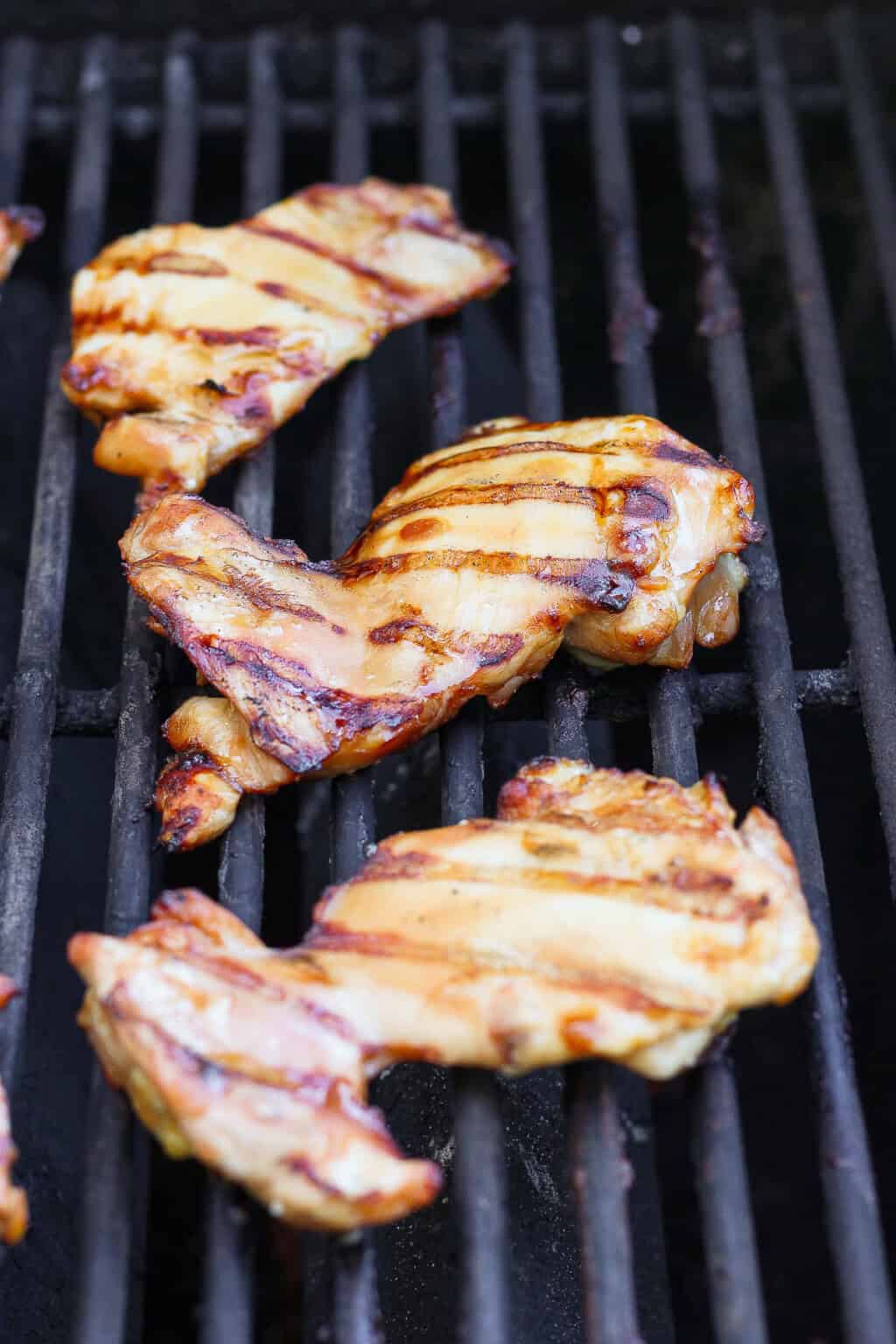
- Sear: Place the thighs skin-side down over the direct heat zone. Close the lid and monitor closely for 3–5 minutes. Avoid moving the chicken too early; it will release from the grates naturally once a crust has formed.
- Flip and Move: Once the skin is golden brown and crisp, flip the thighs. If the grill is crowded, move them to the indirect zone to finish.
- Monitor: Insert your thermometer into the thickest part of the thigh, avoiding the bone. The USDA recommends a minimum internal temperature of 165°F, but many culinary experts prefer 175°F for thighs to ensure the collagen breaks down, resulting in a more tender texture.
- Rest: Remove the chicken from the grill and let it rest for 5 minutes. This allows the juices to redistribute throughout the meat, preventing them from running out upon the first cut.
Troubleshooting Common Issues
If your chicken is charring on the outside but remains raw near the bone, your grill temperature is likely set too high. Shift the pieces to the indirect zone immediately and close the lid to trap the heat, effectively transitioning to a roasting environment.
If the chicken is sticking to the grates, it is typically because the meat was placed on the grill before the surface had developed a sear. If this happens, lower the heat or increase the distance from the heat source and let the chicken cook until it releases naturally. Finally, remember that flare-ups are caused by rendered fat dripping onto the heat source. Keep a spray bottle of water nearby or simply move the meat to the indirect side until the flames subside.
Frequently Asked Questions
Should I grill chicken thighs bone-in or boneless? Bone-in, skin-on thighs are more forgiving and retain moisture better during the grilling process. Boneless, skinless thighs cook much faster and require closer attention to avoid overcooking, as they lack the insulating protection of the skin and bone.
How do I know when the chicken is finished without a thermometer? It is highly recommended to use a thermometer. However, as a secondary check, pierce the meat with a skewer or knife; the juices should run clear, not pink. Note that this is less reliable than a digital thermometer, which accounts for the specific internal thermal state of the protein.
Is it safe to use a marinade while grilling? Yes, but be cautious with sugar-based marinades. Sugars (in honey, BBQ sauce, or fruit juices) burn at temperatures as low as 265°F. If your marinade contains sugar, apply it only in the last 2–3 minutes of grilling to prevent the sugars from turning into acrid, black carbon.
How many thighs can I grill at once? Ensure there is at least one inch of space between each piece of chicken. Overcrowding the grill reduces airflow, which lowers the overall grill temperature and prevents the skin from crisping properly.
What is the best way to clean the grill after cooking chicken? While the grates are still warm, use a stainless-steel bristle-free brush to remove residual fat and debris. Cleaning while the grill is warm is significantly easier than waiting for the grease to harden as it cools.
Final Recommendation
For the most consistent results, prioritize a setup that utilizes the two-zone cooking method. Start by achieving a deep, golden sear over direct heat at 400°F, then move the thighs to the indirect zone to finish. By aiming for an internal temperature of 175°F, you ensure that the fats have properly rendered, resulting in a tender, flavorful piece of chicken that maintains its juiciness throughout.
Image Gallery