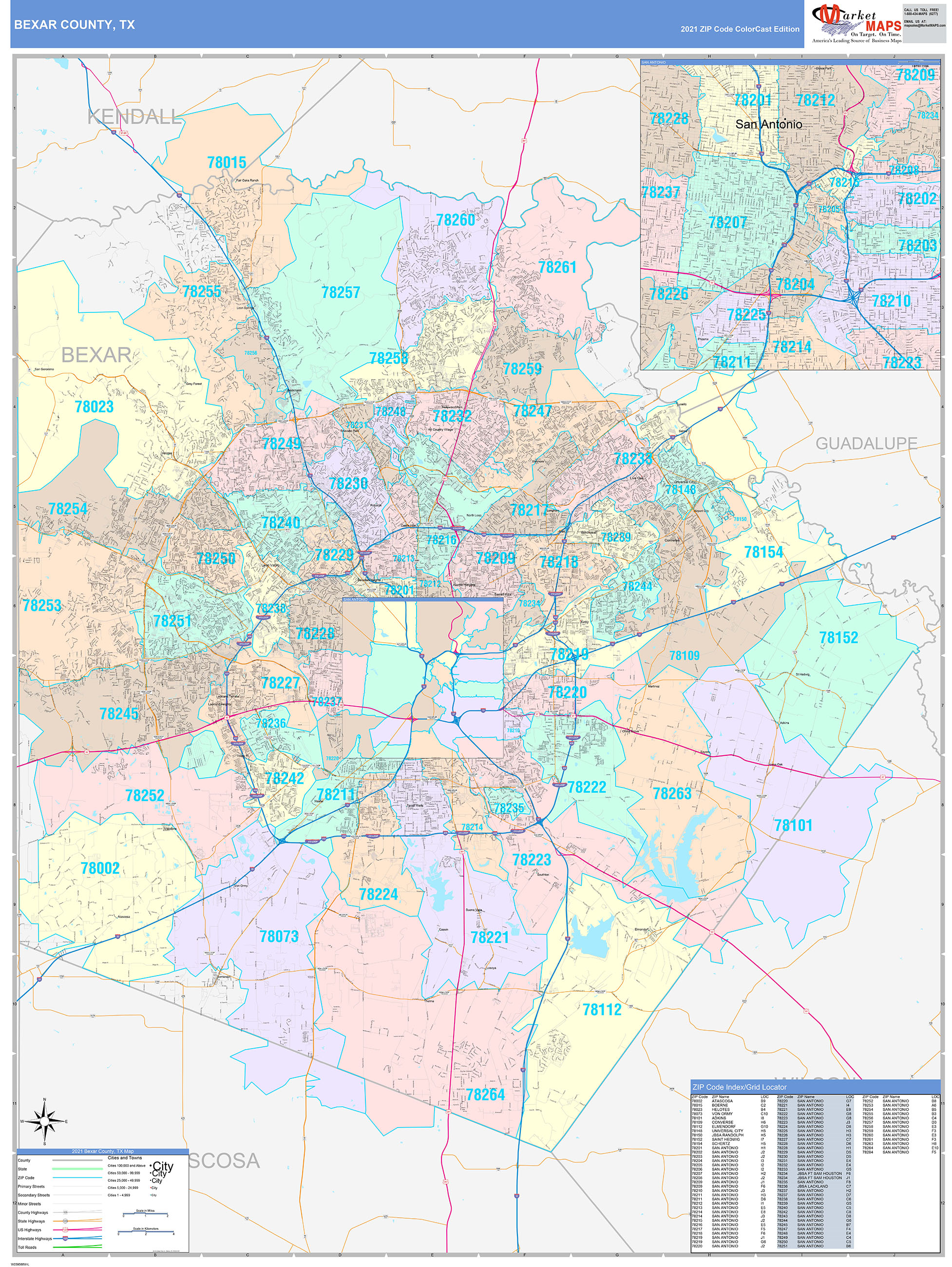
Bexar County Property Search: The Complete 2026 Guide to Real Estate Records and Taxes
To perform a Bexar County property search, you must utilize the official portal of the Bexar Appraisal District (BCAD) for valuation and ownership data or the Bexar County Tax Assessor-Collector’s website for payment history. These dig...
To perform a Bexar County property search, you must utilize the official portal of the Bexar Appraisal District (BCAD) for valuation and ownership data or the Bexar County Tax Assessor-Collector’s website for payment history. These digital tools allow residents and professionals to access real-time records using a property address, owner name, or account number to verify appraisals, exemptions, and tax liabilities.
Contents
Navigating the Bexar County Property Information Landscape
Navigating property records in San Antonio and the surrounding Bexar County municipalities requires understanding the distinct roles of two primary government entities. While many users conflate "property search" with a single database, the information is actually split between the appraisal of value and the collection of revenue. In 2026, these systems have become more integrated, yet they serve different statutory purposes under the Texas Property Tax Code.
The Bexar Appraisal District (BCAD) is a political subdivision responsible for discovering, listing, and appraising all property within the county for ad valorem tax purposes. Every year, BCAD determines the market value of over 700,000 parcels. Conversely, the Bexar County Tax Assessor-Collector is responsible for calculating the actual tax bill based on the rates set by local taxing units (such as the City of San Antonio, Bexar County, and various ISDs) and collecting those funds.
Understanding which database to use is the first step in an efficient search. If you are looking for square footage, year built, or to protest a valuation, you use the BCAD portal. If you need to pay a bill, check for delinquent taxes, or obtain a tax certificate for a real estate closing, you utilize the Tax Assessor-Collector's records.
How to Conduct a Bexar Appraisal District (BCAD) Property Search
The BCAD online property search tool is the most comprehensive resource for physical property data and valuation history in the region. As of 2026, the interface has been optimized for both desktop and mobile users, providing high-speed access to public records.
Search Methods and Parameters
The BCAD portal offers several ways to locate a specific account. Accuracy in data entry is critical to avoid "no records found" errors.
- Property Address Search: This is the most common method. When entering the address, less is often more. For example, instead of typing "123 North St. Mary's Street," try "123 St Marys" to account for potential variations in suffix abbreviations in the database.
- Owner Name Search: Enter the last name followed by the first name. For properties held in trusts or by LLCs, ensure you have the exact legal entity name as recorded on the deed.
- Property ID or Geographic ID: These are unique identifiers. The Property ID is usually a 6 or 7-digit number, while the Geographic ID is a longer alphanumeric string used for mapping. These are the most accurate ways to find a property.
- Advanced Search: This allows for filtering by neighborhood codes, land use types (residential, commercial, industrial), or specific taxing jurisdictions.
Utilizing the Interactive GIS Map
For users who do not have a specific address but want to explore a geographic area, the BCAD Interactive Map is an invaluable tool. The 2026 version features high-resolution aerial imagery and layered data.
Expert Insight on GIS Mapping The GIS (Geographic Information System) map allows users to overlay school district boundaries, flood zones, and city limits over parcel lines. By clicking on a specific parcel, you can instantly pull up the summary data for that property. This is particularly useful for real estate investors looking for contiguous lots or developers analyzing regional growth patterns in the San Antonio North Stone Oak or Westover Hills areas.
Understanding Your Property Data Results
Once you have successfully located a property record, the data is typically organized into several key sections. Interpreting these correctly is vital for financial planning and legal due diligence.
Market Value vs. Appraised Value
In Texas, and specifically within Bexar County, there is a critical distinction between "Market Value" and "Appraised Value."
- Market Value: This is the estimate of what the property would sell for on the open market as of January 1st of the current year.
- Appraised Value: This is the value used to calculate your taxes. For residents with a Homestead Exemption, the Appraised Value cannot increase by more than 10% per year, regardless of how much the Market Value rises. This is often referred to as the "Homestead Cap."
Exemptions and Their Impact
The property search results will list any active exemptions. These are legal provisions that reduce the taxable value of the property, thereby lowering the tax bill. Common exemptions in 2026 include:
- General Residence Homestead: Available for primary residences.
- Over-65 Exemption: Provides an additional valuation reduction and "freezes" the school district tax amount.
- Disabled Homestead: For owners meeting specific disability criteria.
- Disabled Veteran: Based on the percentage of service-connected disability as determined by the VA.
Detailed Property Description
The search result will also provide technical specifications including:
- Improvement Data: Living area square footage, year built, and construction type (e.g., brick veneer, frame).
- Land Data: Acreage or square footage of the lot.
- Legal Description: The formal identification of the property (Lot, Block, Subdivision), which is necessary for legal documents and title transfers.
Bexar County Tax Assessor-Collector Search
While the BCAD handles the "what it's worth" side, the Tax Assessor-Collector handles the "what you owe" side. Searching this database is essential for verifying that taxes are current before purchasing a property.
Key Features of the Tax Search
The Tax Assessor-Collector portal provides a multi-year history of tax levies and payments.
- Current Tax Due: Shows the total amount owed for the current tax year.
- Payment History: A ledger of when payments were made and by whom (e.g., the homeowner or a mortgage company via an escrow account).
- Delinquent Taxes: Identifies any unpaid taxes from prior years, including accrued penalties and interest.
- Distribution of Taxes: A breakdown of exactly how many dollars are going to the City, the County, the University Health System, and the local School District.
Comparison of Bexar County Property Portals
The following table outlines the primary differences between the two main search systems used in Bexar County for 2026.
| Feature | Bexar Appraisal District (BCAD) | Bexar County Tax Office |
|---|---|---|
| Primary Purpose | Property Valuation & Characteristics | Tax Billing & Collection |
| Search By | Owner, Address, Property ID, Map | Owner, Address, Account Number |
| Value Information | Market, Appraised, & Assessed Values | Taxable Value per Jurisdiction |
| Financial Info | N/A (Valuation only) | Payment Status, Receipts, Delinquency |
| Legal Info | Deeds, Acreage, Legal Descriptions | Tax Liens, Suit Status |
| Actionable Tasks | File Exemptions, Protest Values | Pay Taxes, Print Statements |
| Update Frequency | Annual Reappraisals (Jan-May) | Daily Payment Updates |
The 2026 Property Tax Calendar and Deadlines
Understanding the timing of the Bexar County property search process is as important as the search itself. The Texas property tax cycle follows a strict statutory timeline.
- January 1st: The date used for all property appraisals and to determine exemption eligibility for the year.
- April 15th: Deadline for business owners to file Business Personal Property (BPP) renditions.
- Late April / Early May: BCAD mails "Notices of Appraised Value." This is the most critical time for property owners to conduct a search and review their new values.
- May 15th: The standard deadline for filing a protest with the Appraisal Review Board (ARB) if you disagree with your property's value.
- October: Tax bills are mailed out by the Bexar County Tax Assessor-Collector.
- January 31st (of the following year): The final day to pay taxes without penalty and interest.
How to Protest Your Bexar County Property Appraisal
If your 2026 property search reveals a valuation that exceeds the actual market value of your home, you have the legal right to protest. This process is handled through the BCAD and the Appraisal Review Board (ARB).
Steps to a Successful Protest
- File the Notice of Protest: Use the online portal provided by BCAD to file electronically. This is faster and provides a digital paper trail.
- Request the Evidence Packet: Under Texas law, you are entitled to see the data BCAD used to determine your value. Request this packet immediately after filing your protest.
- Gather Comparable Sales: Look for similar homes in your neighborhood that sold for less than your appraised value.
- Document Property Issues: If your home has foundation issues, roof damage, or outdated interiors, provide photographs and repair estimates. These "equity" and "condition" arguments are highly effective in Bexar County hearings.
- Informal Hearing: Most protests are settled in an informal meeting with a BCAD appraiser. If you reach an agreement, the process ends there.
- Formal ARB Hearing: If no agreement is reached, you will present your case to a three-member panel of citizens (the ARB).
Troubleshooting Common Search Issues
Sometimes, a Bexar County property search does not yield immediate results. Here are professional troubleshooting steps to resolve these issues.
- New Construction: If the home was recently built, it might not yet have a separate account number or address in the BCAD system. Search for the "Parent Tract" or the developer's name to find the original parcel of land.
- Recent Sales: If a property recently changed hands, the owner name might not be updated for several weeks or months. Search by the property address instead of the name.
- Address Abbreviations: The BCAD system is sensitive to how names like "Street" (ST), "Drive" (DR), or "Boulevard" (BLVD) are entered. If one variation fails, try the other or omit the suffix entirely.
- Conflicting Jurisdictions: Ensure the property is actually within Bexar County. Some San Antonio addresses may fall into Comal, Guadalupe, or Medina Counties, requiring a search of those specific appraisal districts.
The Role of Technology in 2026 Property Searches
In 2026, property searches in Bexar County have benefited from increased transparency through the "Truth in Taxation" requirements. Texas state law now mandates that taxing units provide a clear, easy-to-read website (often called Bexar.TexasPropertyTaxes.com) that shows how much your taxes will increase if a taxing unit adopts a proposed tax rate.
This tool integrates directly with your property search results, allowing you to see the potential impact of local government budget decisions on your specific wallet before those rates are even finalized. This level of "real-time tax impact" analysis is a significant advancement for Bexar County taxpayers.
Frequently Asked Questions
How often is property appraised in Bexar County? Bexar County property is appraised every year. The Bexar Appraisal District (BCAD) conducts mass appraisals to determine the market value of all property within the county as of January 1st to ensure taxes are distributed equitably.
Where can I find my property's legal description? You can find the legal description by performing a search on the BCAD website. Once you open the specific property account, look for the "Legal Description" field, which will list the subdivision name, lot number, and block number.
Can I search for someone else's property taxes in Bexar County? Yes. Property ownership and tax records are public information in Texas. You can search for any property using the owner's name or address on either the BCAD or the Tax Assessor-Collector's website.
What is a "Geographic ID" in a Bexar property search? A Geographic ID is a unique alphanumeric code assigned to a specific piece of land for mapping purposes. It is often more specific than a standard Property ID and is used by title companies and surveyors to ensure the correct parcel is being identified.
How do I find out if a property has a tax lien in Bexar County? To check for tax liens, you should search the Bexar County Tax Assessor-Collector’s database for delinquent taxes. For other types of liens (mechanic's liens, judgment liens), you must search the Bexar County Clerk’s Official Public Records (OPR).
How do I update my mailing address for tax statements? Mailing address updates must be submitted to the Bexar Appraisal District. You can typically do this via an online form on the BCAD website or by submitting a written request. Updating the address with BCAD will automatically update it for the Tax Office.
Essential Action Steps for Property Owners
For those managing property in Bexar County, a proactive approach to record management is recommended. In 2026, the cost of property taxes remains a significant portion of homeownership expenses.
- Annual Verification: Conduct a search every May to verify your appraisal and ensure all eligible exemptions (like the Homestead Exemption) are correctly applied.
- Monitor Tax Rates: Use the Truth in Taxation portal during August and September to see proposed rate changes from the City and ISD.
- Check for Delinquencies: If you do not have an escrow account with your mortgage lender, perform a search on the Tax Office website every February to confirm your payment was processed successfully.
- Archive Your Records: Download and save a PDF copy of your property's "Certified Value" and "Tax Receipt" every year for your personal financial records.
By utilizing these official Bexar County property search tools, you can ensure the accuracy of your real estate data, protect your legal interests, and effectively manage your tax liabilities in the 2026 fiscal year.
Image Gallery