Understanding the Lehigh Valley Region: Geography, Economy, and Culture
Understanding the Lehigh Valley region requires examining its unique geographic footprint across eastern Pennsylvania, its transformation from an industrial manufacturing titan into a diverse logistics and technology hub, and its disti...
Understanding the Lehigh Valley region requires examining its unique geographic footprint across eastern Pennsylvania, its transformation from an industrial manufacturing titan into a diverse logistics and technology hub, and its distinct cultural identity centered around cities like Allentown, Bethlehem, and Easton.
Contents
The Lehigh Valley region—encompassing primarily Lehigh and Northampton counties in eastern Pennsylvania—represents one of the most economically dynamic and culturally vibrant areas in the Mid-Atlantic. Bounded by the Pocono Mountains to the north and the Delaware River to the east, the region has transitioned over the past several decades from a heavy industrial powerhouse rooted in steel production and cement manufacturing into a multifaceted economic corridor.
For newcomers, businesses, and researchers looking to grasp the intricacies of this area, analyzing the region requires a multi-layered approach. This guide breaks down the geographic boundaries, economic drivers, educational infrastructure, and residential characteristics that define the Lehigh Valley.
Geographic Boundaries and Core Municipalities
The Lehigh Valley derives its name from the Lehigh River, which cuts through the region before emptying into the Delaware River at Easton. Geographically, the United States Census Bureau defines the region as the Allentown-Bethlehem-Easton, PA-NJ Metropolitan Statistical Area (MSA). This designation includes Carbon, Lehigh, and Northampton counties in Pennsylvania, as well as Warren County in New Jersey, though everyday usage of "Lehigh Valley" typically focuses heavily on Lehigh and Northampton counties.
At the heart of the region are its three major urban centers:
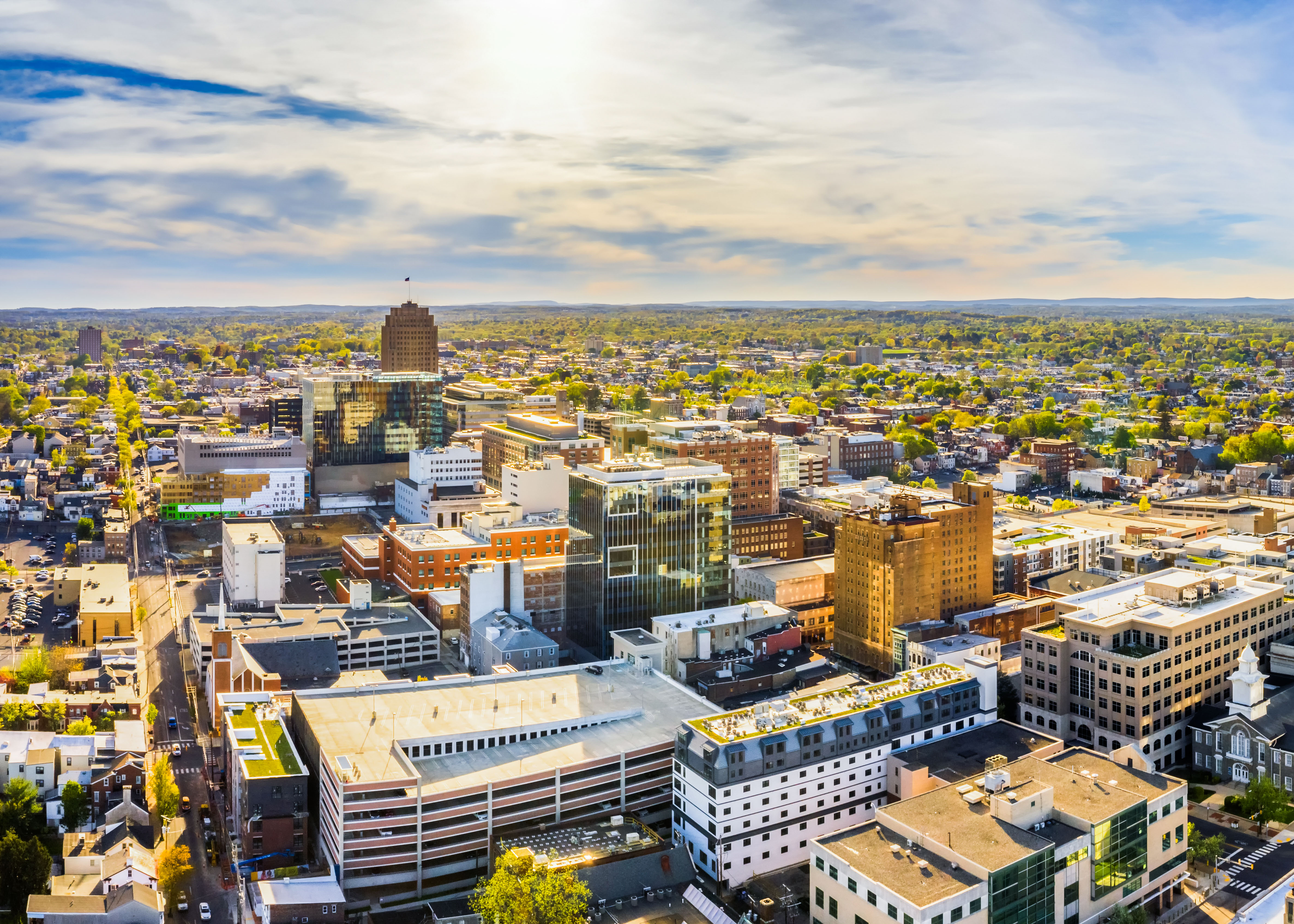
- Allentown: As the seat of Lehigh County and the largest city in the region, Allentown has undergone significant urban revitalization, particularly through its Neighborhood Improvement Zone (NIZ) tax district, which has fueled downtown commercial development.
- Bethlehem: Spaddling Lehigh and Northampton counties, Bethlehem boasts a rich colonial history established by the Moravians alongside a monumental industrial legacy left by the Bethlehem Steel Corporation.
- Easton: Located at the confluence of the Lehigh and Delaware rivers on the New Jersey border, Easton serves as the seat of Northampton County, featuring a historic downtown, a thriving public market, and Lafayette College.
Surrounding these urban hubs are numerous suburban townships and rural boroughs—such as Lower Merion, Upper Saucon, Whitehall, and Nazareth—that maintain a delicate balance between preserved agricultural lands and modern suburban expansion.
Economic Transformation and Modern Industries
The economic story of the Lehigh Valley is a textbook example of industrial adaptation. Throughout the late 19th and 20th centuries, the region was globally renowned for its heavy manufacturing. Bethlehem Steel was a foundational supplier of structural steel for American skyscrapers and naval vessels, while the valley's abundant limestone deposits made it the capital of the American cement industry, supplying material for the Panama Canal and the Empire State Building.
Following the structural decline of heavy manufacturing in the late 20th century, the region reinvented itself. Today, the economy rests on several core pillars:
| Economic Sector | Primary Drivers & Characteristics |
|---|---|
| Logistics & Warehousing | Strategic proximity to I-78, I-476, and Northeast markets |
| Healthcare | Major networks like Lehigh Valley Health Network & St. Luke's |
| Advanced Manufacturing | Specialized production, medical devices, and food processing |
| Higher Education | Research institutions feeding talent into local industries |
Logistics and Distribution Hub
Because of its strategic geographic placement within a day's drive of one-third of the North American population, the Lehigh Valley has emerged as a premier logistics hub. Millions of square feet of distribution and fulfillment centers line major transit corridors like Interstate 78 and Route 22, serving giants in retail and e-commerce.
Healthcare Systems
Healthcare is one of the region's largest employers and economic anchors. Networks such as the Lehigh Valley Health Network (LVHN) and St. Luke's University Health Network provide advanced medical care, residency programs, and specialized research facilities that far outpace typical regional markets.
Manufacturing and Innovation
While traditional steel manufacturing has faded, advanced manufacturing remains robust. The region produces specialized plastics, medical instruments, food and beverage products, and electrical equipment, supported by local economic development organizations like the Lehigh Valley Economic Development Corporation.
Higher Education and Talent Pipeline
A critical factor in understanding the Lehigh Valley is its robust higher education ecosystem. The region hosts several nationally recognized colleges and universities that not only drive cultural life but also supply a steady pipeline of educated talent for local industries.
- Lehigh University: Located in Bethlehem, Lehigh is a premier research university renowned for its engineering, business, and sciences programs.
- Lafayette College: Situated in Easton, Lafayette is a highly selective undergraduate liberal arts college with strong engineering offerings.
- Muhlenberg College: A liberal arts institution in Allentown known for strong programs in the humanities, social sciences, and pre-health tracks.
- Moravian University: Located in Bethlehem, it holds the distinction of being the sixth-oldest higher education institution in the nation, tracing its roots back to 1742.
- DeSales University: Located in Center Valley, DeSales offers private Catholic higher education with notable performing arts and business programs.
- Northampton Community College and Lehigh Carbon Community College: These two institutions provide vital workforce training, technical certifications, and affordable associate degrees tailored to regional labor needs.
Culture, Arts, and Quality of Life
The Lehigh Valley offers a unique blend of urban amenities, historic preservation, and outdoor recreation. This cultural landscape is shaped by its diverse immigrant history—from early German and Moravian settlers to later waves of industrial workers and contemporary demographic shifts.
Festivals and Events
The region is nationally recognized for its cultural festivals. Musikfest, held annually in Bethlehem, is one of the largest music festivals in the United States, drawing hundreds of thousands of visitors to celebrate genres ranging from indie rock to classical across dozens of stages, many set against the dramatic backdrop of the old Bethlehem Steel blast furnaces (now preserved as the SteelStacks arts and cultural campus).
Recreation and Outdoors
Nature enthusiasts find ample opportunities in the region. The Lehigh Gorge State Park and the Delaware and Lehigh National Heritage Corridor (D&L Trail) offer extensive hiking, biking, and whitewater rafting. Additionally, the region's proximity to the Appalachian Trail and local county parks provides robust four-season outdoor engagement.
Housing and Cost of Living
Compared to nearby metropolitan centers like New York City and Philadelphia, the Lehigh Valley has historically offered a more affordable cost of living and housing market, making it an attractive destination for remote workers, families, and retirees. However, increased regional growth has led to rising housing demand and changing real estate dynamics across both urban cores and suburban townships.
Frequently Asked Questions
What states and counties make up the Lehigh Valley?
The core of the Lehigh Valley consists of Lehigh and Northampton counties in eastern Pennsylvania. The broader federal metropolitan statistical area (MSA) also includes Carbon County, Pennsylvania, and Warren County, New Jersey.
What is the Lehigh Valley known for historically?
Historically, the region was globally famous for heavy industry, specifically steel production via Bethlehem Steel and cement manufacturing, which supplied critical infrastructure materials for major American architectural and engineering projects throughout the 19th and 20th centuries.
How is the Lehigh Valley economy performing today?
Today, the economy is diversified, driven primarily by logistics and distribution centers, advanced manufacturing, extensive healthcare networks, and higher education. Its geographic location near major East Coast markets makes it a prime hub for supply chain operations.
Is the Lehigh Valley a good place to live?
Many residents find the region attractive due to its balance of urban and rural settings, strong school districts, cultural institutions, and lower cost of living relative to nearby major metropolitan areas like New York City and Philadelphia.
What are the major cities in the Lehigh Valley?
The three principal cities anchor the region: Allentown, the most populous city and seat of Lehigh County; Bethlehem, split across Lehigh and Northampton counties with a rich Moravian and industrial heritage; and Easton, the seat of Northampton County located along the Delaware River.
Next Steps for Exploring the Region
For individuals or businesses planning a relocation, investment, or visit to the area, navigating local municipal websites, regional tourism boards like Discover Lehigh Valley, and economic development portals will provide granular, up-to-date data on zoning, employment opportunities, and community resources. Engaging directly with these local networks ensures an accurate, practical understanding of how the Lehigh Valley continues to evolve.
Image Gallery