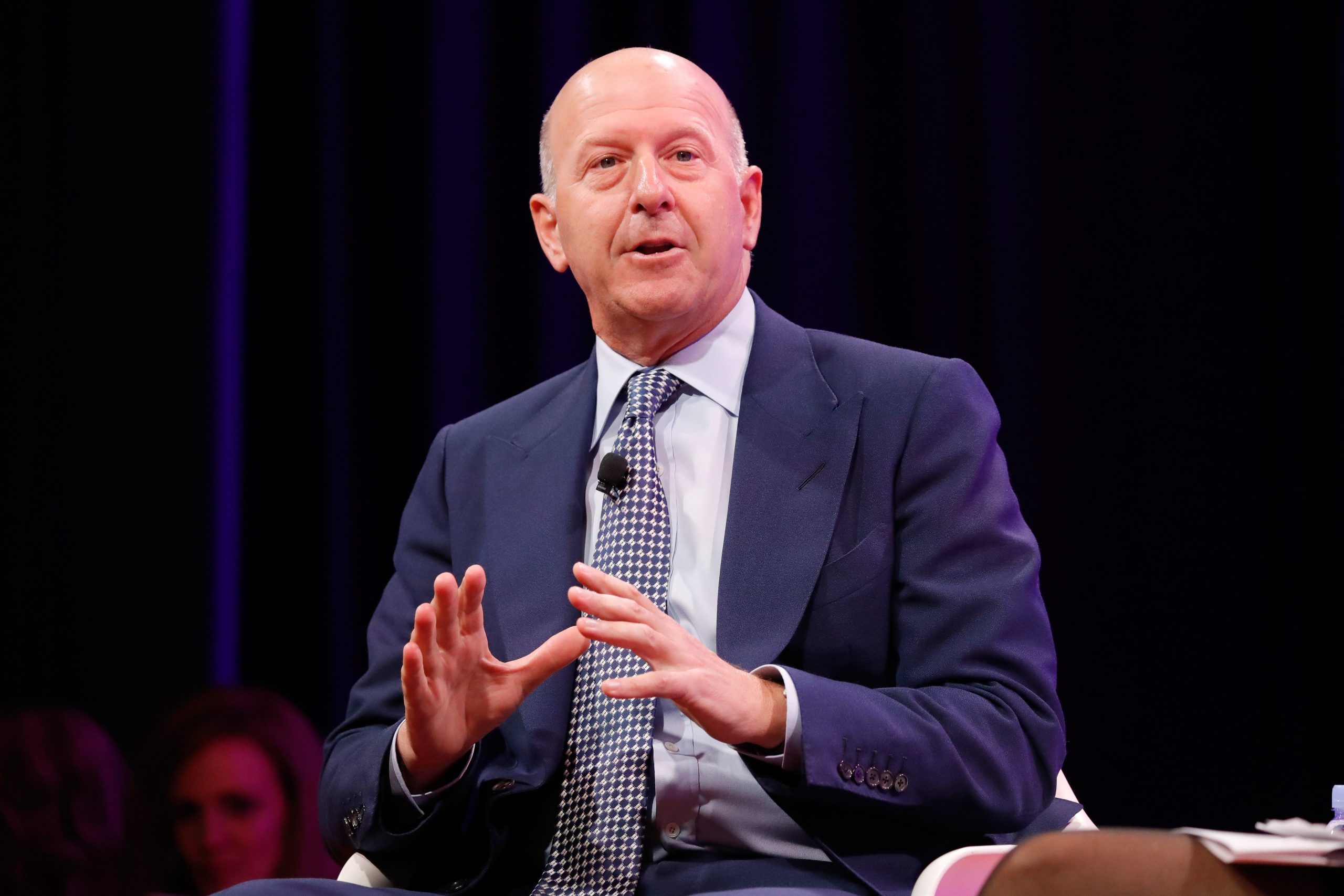
Navigating David Vieau's Net Worth in the Venture World
Evaluating David Vieau's net worth in the venture world requires examining his extensive executive career, leadership roles in technology startups, and participation in venture capital financing rounds. While exact personal wealth figu...
Evaluating David Vieau's net worth in the venture world requires examining his extensive executive career, leadership roles in technology startups, and participation in venture capital financing rounds. While exact personal wealth figures for private executives and non-public venture investors are rarely disclosed publicly, an analysis of his operational track record across prominent tech companies provides clear insight into his financial standing within the venture ecosystem.
Contents
The Venture Capital and Tech Startup Ecosystem
Understanding the financial trajectory of a seasoned technology executive requires looking closely at how venture capital, equity distribution, and startup exits operate. In the venture world, wealth is rarely accumulated through a standard salary. Instead, it is built through equity ownership, founder shares, stock options, and successful liquidity events such as initial public offerings (IPOs) or strategic acquisitions.
Executives who step into leadership roles at venture-backed companies typically negotiate compensation packages that heavily favor equity. These packages align the executive's financial success with the growth and ultimate valuation of the enterprise. For figures operating at the executive level within high-growth technology sectors, net worth is intrinsically tied to the performance of the companies they build, scale, and lead through critical funding phases.
Executive Leadership and Corporate History
David Vieau has built a reputation as a seasoned technology executive and CEO, guiding multiple companies through critical phases of growth, venture financing, and market expansion. Examining his professional footprint reveals involvement in sectors such as networking, storage, and clean technology, where capital intensity and venture backing are exceptionally high.
When venture capital firms invest in early-stage or growth-stage enterprises, they typically install or vet experienced leadership to steer the company toward commercial viability. Executives with a track record of successful scaling are highly sought after. Their compensation structures in these scenarios generally comprise:
- Base Compensation: Standard executive salaries designed to cover living expenses and operational oversight.
- Initial Equity Grants: Stock options or restricted stock units (RSUs) vesting over a multi-year period, representing the core vehicle for long-term wealth accumulation.
- Performance-Based Milestones: Additional equity or cash bonuses triggered by hitting specific revenue, product development, or fundraising targets.
- Liquidity Participation: Opportunities to participate in secondary share sales during later-stage venture capital rounds.
Equity Mechanics and Liquidity Events
To understand how venture-backed executives build substantial net worth, one must examine the lifecycle of venture funding rounds and the mechanisms of wealth realization. Early-stage employees and incoming CEOs receive equity priced at a low initial valuation. As the company successfully secures Series A, Series B, and subsequent funding rounds from institutional venture capital firms, the valuation of the enterprise typically increases.
| Venture Stage | Primary Objective | Executive Equity Impact | Typical Liquidity Status |
|---|---|---|---|
| Seed / Series A | Product-market fit, core team building | High percentage of initial pool; low nominal valuation | Illiquid; paper wealth only |
| Series B / Series C | Scaling operations, market expansion | Dilution from new issuance; higher enterprise valuation | Mostly illiquid; rare secondary sales |
| Late Stage / Mezzanine | Pre-IPO preparation, profitability | Further institutional dilution; significant valuation growth | Potential structured secondary transactions |
| Exit (IPO / M&A) | Market realization, strategic acquisition | Conversion of options/shares to public stock or cash | Fully liquid based on lock-up periods |
During major liquidity events—such as an acquisition by a larger technology conglomerate or an IPO—accumulated equity converts into liquid assets or marketable securities. For executives who have successfully navigated these transitions multiple times, the cumulative returns from equity distribution form the primary basis of their standing in the venture capital community.
Factors Influencing Private Executive Wealth
Because private executive wealth is not subject to the mandatory public disclosures required of officers at publicly traded corporations, estimating figures like David Vieau's net worth involves analyzing verifiable market data rather than relying on speculative estimates. Several key variables influence the financial footprint of a venture-world executive:
1. Company Valuations and Exit Multiples
The financial return on an executive's equity depends directly on the valuation of the company at the time of its exit. A leadership tenure that ends in a high-value acquisition generates substantial cash payouts, whereas a shutdown or fire sale results in near-zero equity recovery.
2. Dilution Across Funding Rounds
As startups raise successive rounds of venture capital, new shares are issued to investors, which dilutes the ownership percentage of existing shareholders, including the CEO. However, the increased overall valuation of the company often offsets the lower percentage ownership, resulting in a higher net value for those shares.
3. Portfolio Diversification and Angel Investing
Seasoned executives in the venture ecosystem frequently transition from operational leadership to angel investing or advisory roles. By reinvesting capital accrued from past ventures into early-stage startups, these individuals diversify their holdings and create additional streams of equity-based wealth.
Comparing Venture Executives vs. Public Company Officers
| Feature | Venture-Backed Executives | Publicly Traded Executives |
|---|---|---|
| Primary Compensation | High equity concentration, lower baseline cash | Balanced cash, RSUs, and performance shares |
| Liquidity Timeline | Long and uncertain; contingent on exit events | Immediate and periodic via open-market trading windows |
| Regulatory Disclosure | Private; minimal public reporting required | Transparent; SEC filings (Forms 4, 10-K, DEF 14A) |
| Risk Profile | High risk, high asymmetric reward potential | Moderate risk, tied to broader market performance |
This operational distinction explains why precise net worth figures for private venture executives are difficult to pin down. While public company executives must report their stock holdings and transactions to regulatory bodies, private enterprise leaders operate under confidential corporate structures.
Frequently Asked Questions
What is David Vieau's exact net worth?
Exact net worth figures for private executives and venture-backed entrepreneurs are not publicly disclosed. Reliable financial analysis focuses on verifiable career milestones, leadership roles in capitalized startups, and standard executive compensation structures rather than unverified estimates.
How do venture-backed executives build their wealth?
Venture executives accumulate wealth primarily through equity compensation, such as stock options and restricted stock units, which appreciate in value as the company grows through successive funding rounds and ultimately reaches a liquidity event like an IPO or acquisition.
What is the role of a CEO in venture-backed startups?
A venture-backed CEO is responsible for setting strategic direction, managing capital allocation, scaling operational teams, and guiding the company through critical fundraising milestones while aligning performance with the expectations of venture capital investors.
Are executive equity holdings public information for private startups?
No. Private companies are not required to disclose individual shareholder stakes, executive compensation packages, or internal equity distributions to the public, unlike publicly traded corporations governed by strict regulatory reporting standards.
How do liquidity events affect startup executives?
Liquidity events—such as a corporate acquisition or a public stock offering—convert illiquid stock options and private equity shares into cash or publicly traded securities, allowing executives to realize the financial value of their tenure.
Next Actions for Researching Executive Profiles
When examining the financial backgrounds or career histories of technology executives within the venture ecosystem, analysts should rely on primary corporate announcements, regulatory filings from previous public board seats, venture capital press releases, and reputable business registries. Avoiding speculative net worth aggregators ensures a factual, objective understanding of an executive's professional impact and industry standing.
Image Gallery