Essential Best Practices for Creating an Invoice for Freelance Work
Creating an invoice for freelance work is the critical bridge between completing a project and receiving payment. A professional, compliant invoice serves as a formal request for payment, a legal record for your tax filings, and a key...
Creating an invoice for freelance work is the critical bridge between completing a project and receiving payment. A professional, compliant invoice serves as a formal request for payment, a legal record for your tax filings, and a key document for your client’s accounts payable department. By maintaining a consistent structure and including all necessary data points, you minimize communication delays, prevent accounting errors, and establish yourself as a reliable professional in your industry.
Contents
The Anatomy of a Professional Freelance Invoice
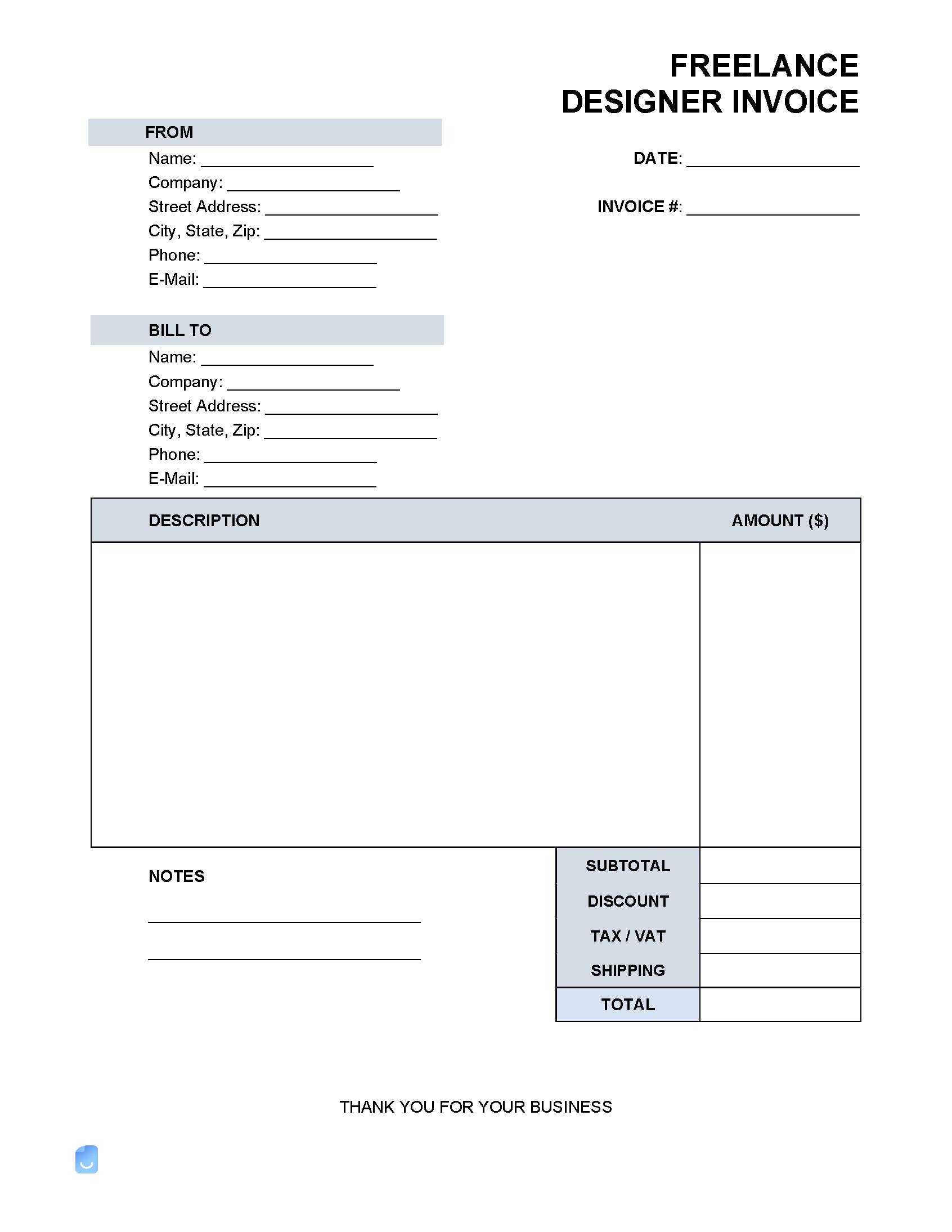
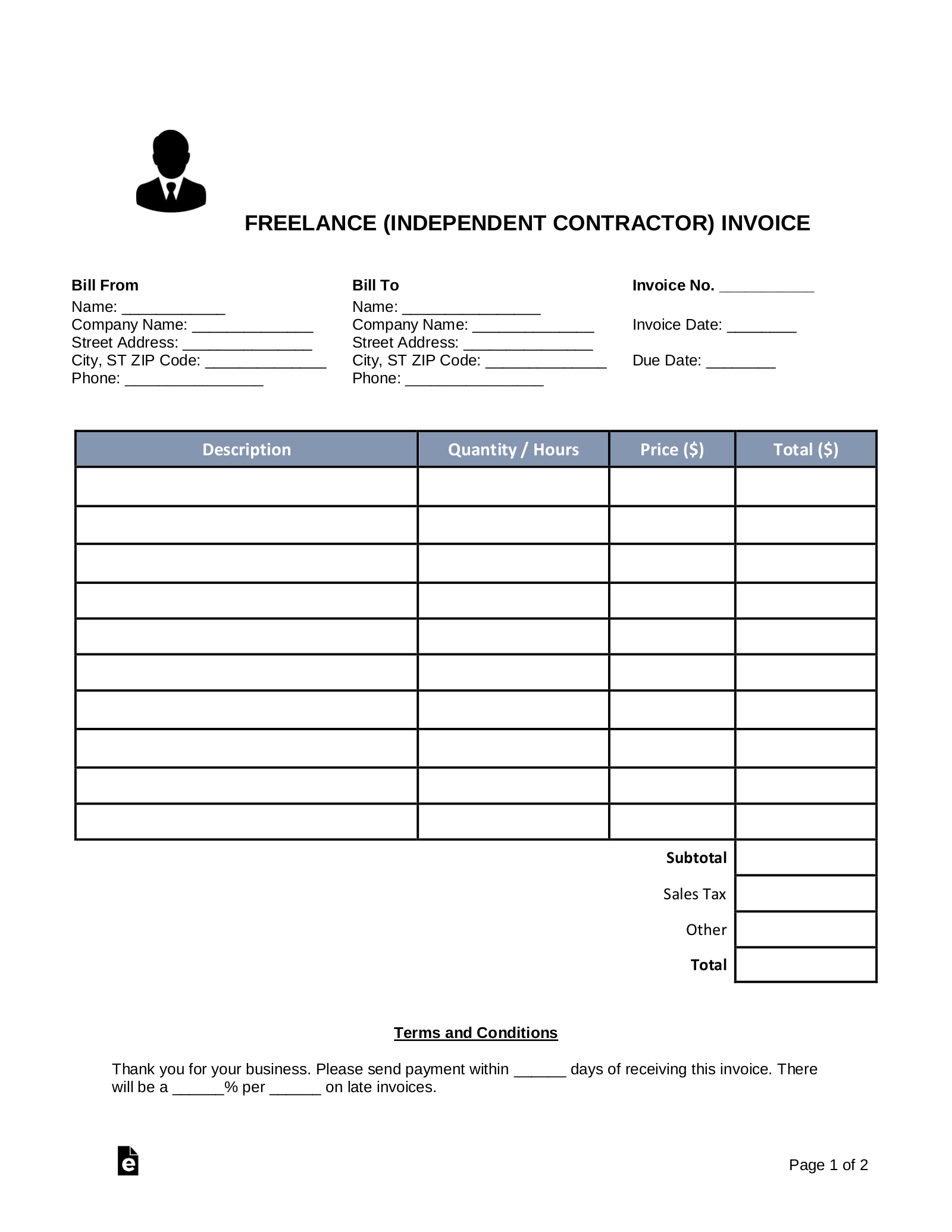
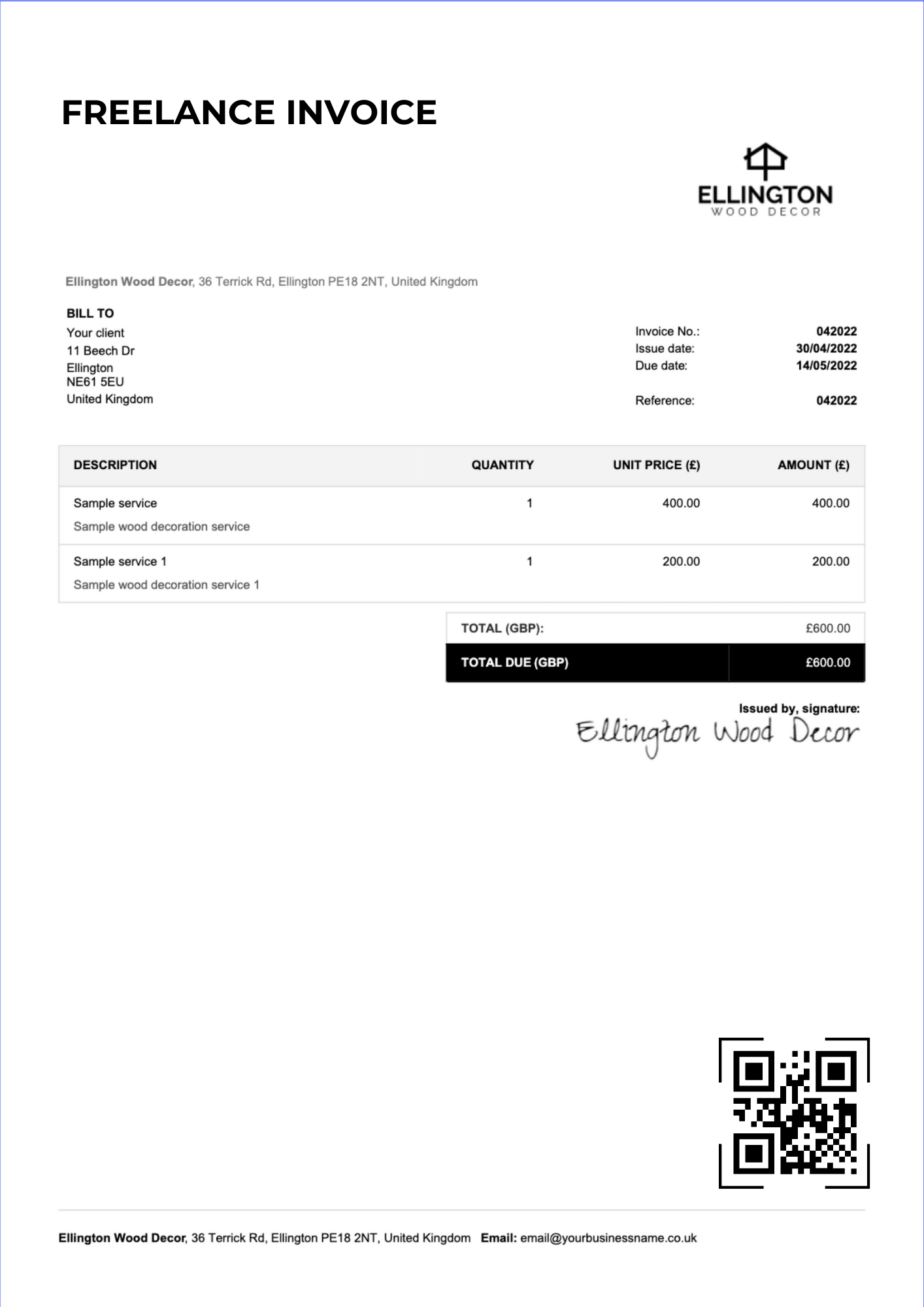
An effective invoice is more than just a request for funds; it is a legal document that tracks financial obligations. To ensure timely processing, every invoice should be structured with clear, predictable segments.
1. Header Information
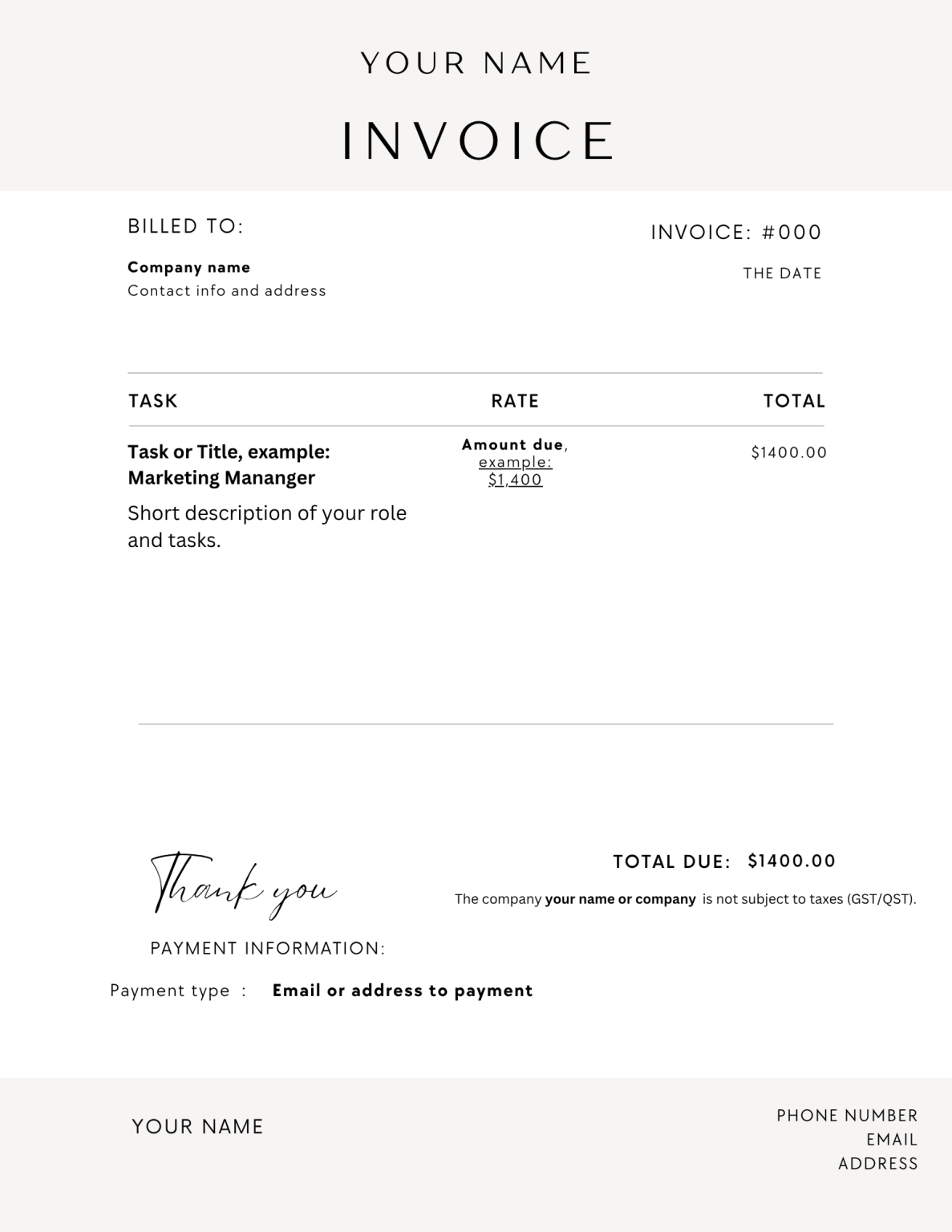
Every invoice must clearly state "INVOICE" at the top to distinguish it from a quote or a pro-forma document. Include a unique invoice number, which acts as your primary tracking mechanism. Using a sequential numbering system—such as 2026-001, 2026-002—helps you and your client cross-reference payments easily.
2. Contact Details
Include your full legal name or business name, mailing address, email, and phone number. On the opposite side, list the client’s contact information, including the specific person responsible for approving or processing the invoice. This reduces the risk of the document being routed to the wrong department.
3. Dates and Terms
The invoice date is the day you issue the document. The due date is equally important; clarity here prevents disputes. Common payment terms include "Due on Receipt" or "Net 30," which indicates payment is expected within 30 days. Clearly stating these terms helps define expectations before the work even begins.
4. Itemized Service Breakdown
This is the core of the document. Each task or milestone should be listed on a separate line. Include a brief description of the work performed, the unit price (if billing by hour or by item), and the total quantity. If you provide a project-based rate, ensure the description matches the deliverables outlined in your initial contract.
5. Financial Totals and Payment Instructions
Subtotals should be calculated before any applicable taxes are added. Finally, present the "Total Amount Due" in a larger, bold font. Below this, provide explicit payment instructions. If you accept bank transfers, include your routing and account numbers. If you use digital payment platforms like Stripe, PayPal, or Wise, include the necessary payment link or associated email address to reduce friction.
Selecting the Right Invoicing Method
Freelancers generally choose between three methods for generating invoices, depending on the volume of work and the complexity of their tax requirements.
| Method | Pros | Cons | Best For |
|---|---|---|---|
| Manual Documents | Low cost, high customization | Prone to human error, hard to track | Beginners with few clients |
| Spreadsheet Templates | Organized, free, archival | Requires manual math and updates | Consistent monthly billing |
| Automated Software | Real-time tracking, tax-ready, professional | Monthly subscription costs | Scaling businesses, high volume |
Essential Legal and Financial Considerations
When creating an invoice for freelance work, you must adhere to jurisdictional requirements. In many regions, you are legally required to include specific details such as your business registration number, VAT or GST identification numbers (if applicable), and clear tax breakdowns.
Before issuing your first invoice, consult with a qualified tax professional or your local tax authority to understand your obligations. For instance, in some jurisdictions, businesses must collect sales tax on specific digital services. Failing to include these on your invoice could make you personally liable for the tax amount during an audit.
Furthermore, ensure your payment terms are consistent with your original service agreement or contract. If your contract specifies payment within 15 days, but your invoice reflects "Net 30," you create a discrepancy that could delay payment. Always keep a copy of your signed contract as a reference for your billing cycle.
Common Pitfalls to Avoid
Even experienced freelancers occasionally face payment delays due to simple oversight. Avoid these common mistakes to keep your cash flow healthy:
- Vague Descriptions: Simply writing "Consulting Services" can lead to questions from client accounting departments. Instead, be specific, such as "Strategy Session - Q1 Market Analysis."
- Missing Purchase Order (PO) Numbers: If your client requires a PO number for internal tracking, failing to include it will almost certainly guarantee a delay in payment. Always ask if they require a specific reference code.
- Late Invoicing: Sending an invoice weeks after a project is finished is unprofessional and makes it difficult for the client to reconcile their budget. Aim to send the invoice within 24–48 hours of project completion.
- Ignoring Follow-up Protocols: If a payment is past due, do not panic. Send a polite reminder a few days after the due date. Often, the invoice simply fell through the cracks of a busy department.
Streamlining the Workflow
Automation is the most effective way to save time and ensure accuracy. By using specialized software, you can set up recurring invoices for monthly retainers, enable automated payment reminders for clients, and instantly generate profit-and-loss reports. Most modern platforms provide "client portals," which allow your customers to download past invoices, update their payment information, and view their full billing history. This transparency builds trust and reduces the administrative burden on both parties.
Frequently Asked Questions
What is the best way to handle disputes over an invoice? Address the dispute immediately. Review your original contract to ensure the scope of work was clearly defined. If the client disputes a specific charge, offer a clear explanation or supporting evidence, such as time logs or approved project milestones. Professionalism in negotiation often preserves long-term relationships.
Should I charge late fees for unpaid invoices? You may include late fee terms in your original contract, such as a percentage increase after a specified grace period. However, exercise this option carefully, as it can impact client relationships. Always discuss these terms before starting a project.
How do I handle international clients with different currencies? Ensure your invoice clearly states the currency used. When working across borders, clarify who is responsible for wire transfer fees or currency exchange fluctuations, as these can significantly reduce your take-home pay.
Can I use a personal bank account for business invoicing? It is highly recommended to separate business and personal finances. Use a dedicated business bank account for all client payments to simplify bookkeeping and professional tax preparation.
What should I do if a client refuses to pay? If a client is significantly late, start with formal reminders. If this fails, consider legal or collection agency assistance depending on the invoice amount. Maintain documented evidence of all communications and the completed work.
How do I invoice for a large, long-term project? Break the project into milestones. Issue invoices upon the completion of specific phases (e.g., 25%, 50%, and final delivery). This protects your cash flow and ensures the client remains satisfied throughout the process.
Final Recommendation
To ensure you are paid promptly and professionally, adopt a standardized process immediately. Begin by creating a reusable template that includes your contact details, clear payment terms, and an itemized breakdown of services. If you bill more than once a month, transition to cloud-based accounting software to automate reminders and tracking. Most importantly, ensure that every invoice you send matches the scope of work agreed upon in your original contract to avoid confusion and project friction.
Image Gallery