How Beavercreek Mold Remediation Works: A 2026 Homeowner’s Guide
Mold remediation in Beavercreek involves a structured process of moisture control, physical containment, and HEPA-filtered removal designed to return indoor environments to a "Normal Fungal Ecology." By following IICRC S520 standards,...
Mold remediation in Beavercreek involves a structured process of moisture control, physical containment, and HEPA-filtered removal designed to return indoor environments to a "Normal Fungal Ecology." By following IICRC S520 standards, professionals identify the water source, isolate affected zones with poly-sheeting, and use specialized equipment to extract spores without contaminating unaffected areas of the home.
Contents
In the humid continental climate of Beavercreek, Ohio, mold growth is a persistent challenge for homeowners, particularly in basements, crawl spaces, and attics. Whether resulting from seasonal humidity, flash flooding, or hidden plumbing leaks, the remediation process is more than just "cleaning" visible spots. It is a technical engineering project that prioritizes air quality and structural integrity.
Understanding the Local Mold Environment in Beavercreek
Beavercreek’s geography and climate play a significant role in how mold proliferates. With average relative humidity levels often exceeding 60% during Ohio summers, moisture-rich environments are common. Furthermore, the region’s soil composition can lead to hydrostatic pressure against basement foundations, resulting in seepage that feeds mold colonies behind drywall and under floorboards.
Professional remediation in 2026 focuses on the "Source-Path-Receiver" model. Technicians first locate the moisture source, identify the path the spores are taking through the HVAC system or airflow, and protect the receivers—the occupants and their belongings.
Phase 1: Comprehensive Assessment and Moisture Mapping
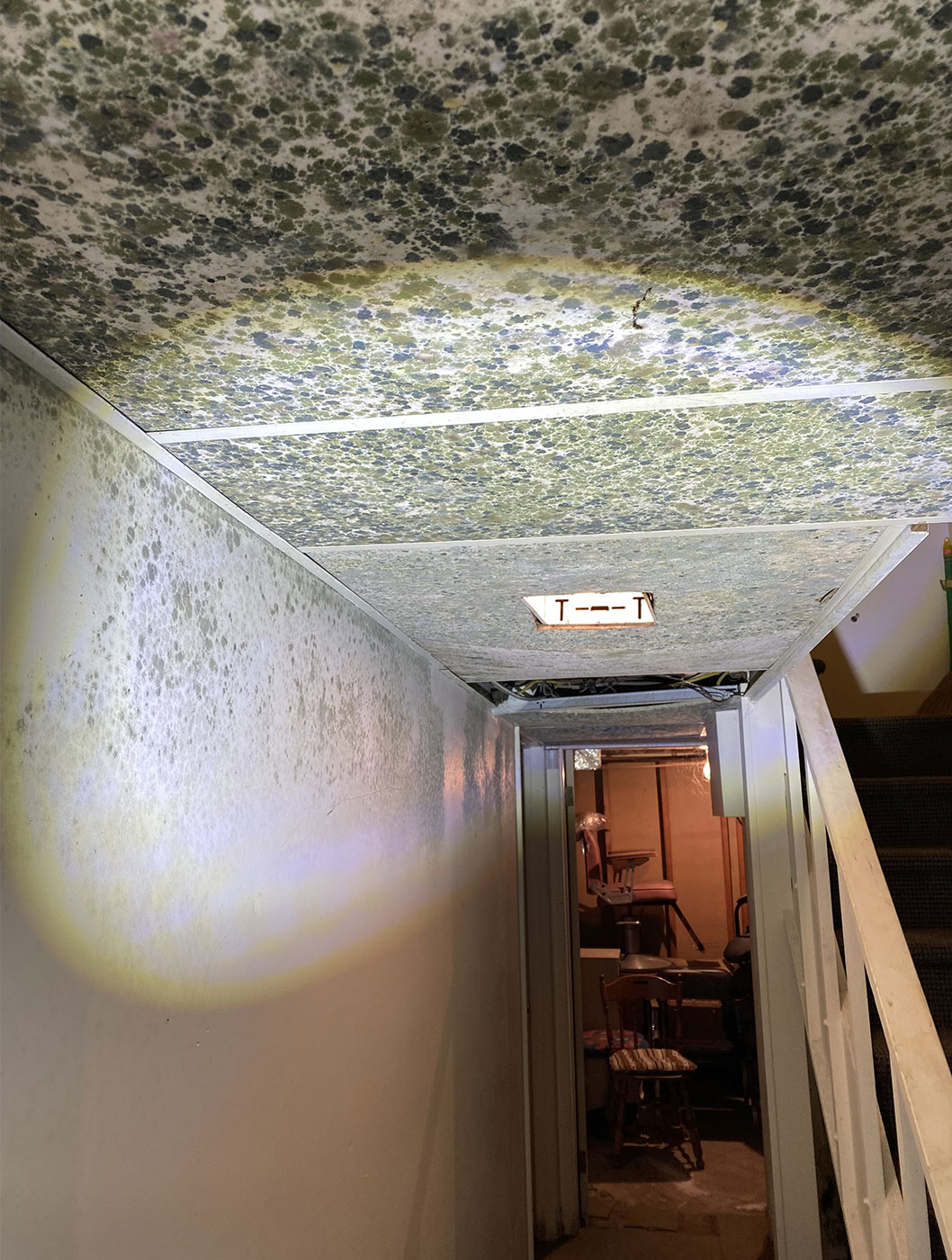
The remediation process begins with a detailed inspection. It is a common misconception that mold can be managed simply by identifying visible growth. In Beavercreek homes, mold often exists in "blind spots" such as wall cavities or behind fiberglass insulation.
- Thermal Imaging: Technicians use infrared cameras to detect temperature differentials in walls. Cold spots often indicate moisture intrusion that is invisible to the naked eye.
- Moisture Metering: Handheld sensors measure the moisture content of structural materials like studs and subflooring. Any material with a moisture content over 16-19% is considered at risk for supporting fungal growth.
- Air and Surface Sampling: While not always required for remediation to begin, sampling provides a baseline for the types of mold present (e.g., Aspergillus/Penicillium vs. Stachybotrys) and the concentration of airborne spores.
Phase 2: Containment and Pressure Management
Once the extent of the damage is mapped, the priority shifts to preventing cross-contamination. This is arguably the most critical step in the remediation process.
Physical Barriers Technicians install 6-mil flame-retardant polyethylene sheeting to seal off the work area. This includes sealing doorways, windows, and "critical barriers" such as HVAC vents and electrical outlets. In Beavercreek’s larger multi-story homes, this prevents spores from traveling through the ductwork to unaffected bedrooms or living areas.
Negative Air Pressure To ensure that air only flows into the containment zone and not out of it, professionals use High-Efficiency Particulate Air (HEPA) air scrubbers. These machines exhaust filtered air outside the home, creating a vacuum effect. If a seal is breached, the negative pressure ensures that no spores escape into the rest of the house. According to EPA guidelines, air scrubbers must be capable of changing the air in the containment zone at least four times per hour.
Phase 3: HEPA Filtration and Air Scrubbing
Air scrubbing is an ongoing process that continues throughout the remediation. Even while technicians are physically removing materials, the air scrubbers are working to capture microscopic spores that become airborne during the demolition phase.
Modern 2026-standard HEPA filters are rated to capture 99.97% of particles as small as 0.3 microns. This is essential because mold spores typically range from 2 to 20 microns, but fragments of spores can be significantly smaller and equally allergenic.
Phase 4: Controlled Removal of Impacted Materials
Remediation distinguishes between porous, semi-porous, and non-porous materials. Each requires a different handling strategy based on how deeply the mold hyphae (root-like structures) have penetrated.
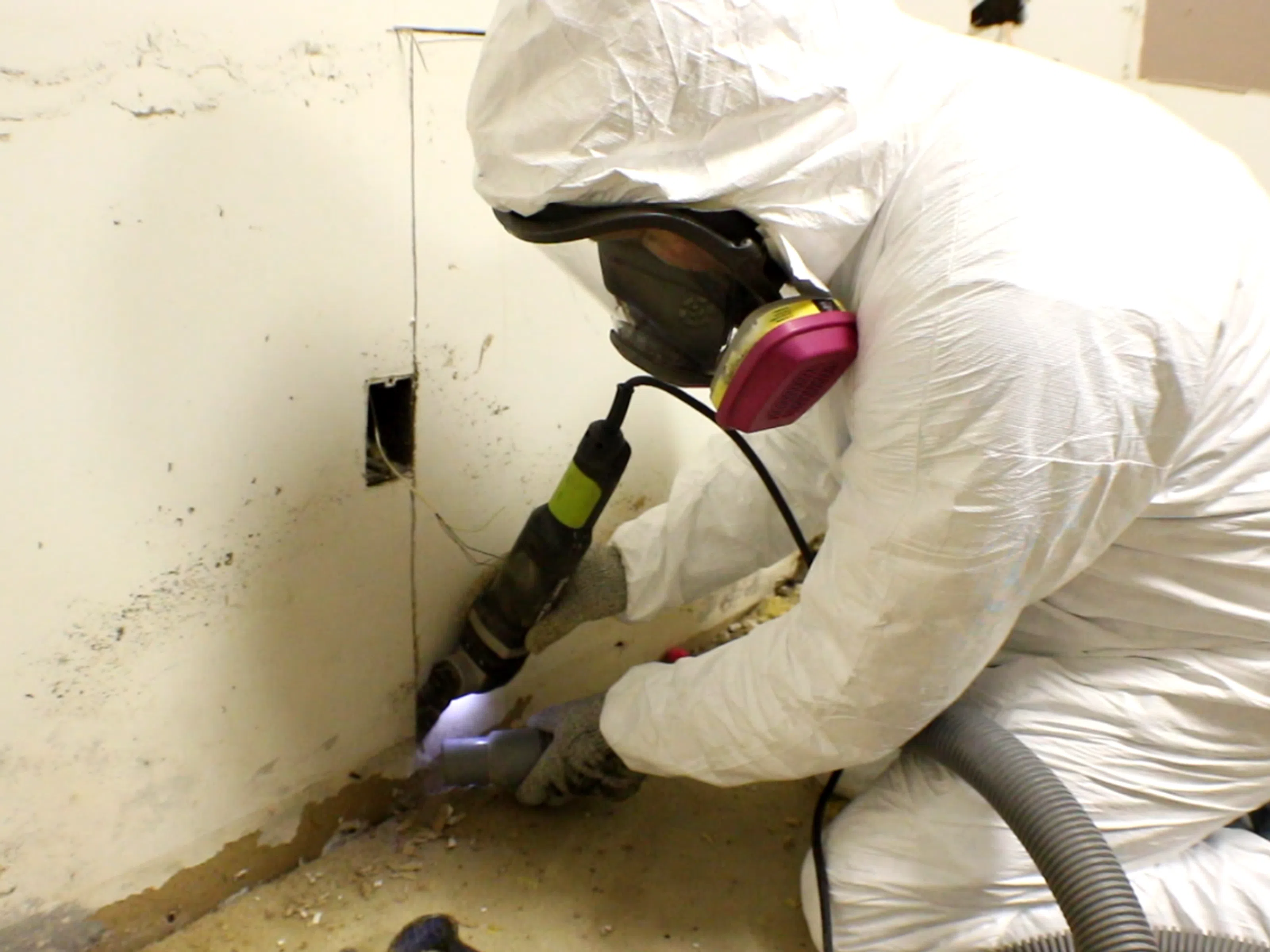
- Porous Materials (Drywall, Carpet, Insulation): These materials generally cannot be fully cleaned once mold has taken hold. They are "flood-cut" (removed at least 12–24 inches beyond the last visible sign of mold) and double-bagged before being transported out of the home.
- Semi-Porous Materials (Wood Framing, Concrete): If the structural integrity remains intact, wood studs are cleaned using abrasive methods. This might include wire brushing, sanding, or "media blasting" (using dry ice or soda) to remove the surface mold.
- Non-Porous Materials (Metal, Glass, Hard Plastics): These can typically be restored through high-level disinfection using EPA-registered antimicrobial solutions.
Phase 5: Deep Cleaning and HEPA Vacuuming
After the bulk of the contaminated material is removed, the remaining surfaces undergo a "HEPA Sandwich" cleaning technique. This involves:
- Initial HEPA Vacuuming: Capturing all loose dust and spores from every surface within containment.
- Damp Wiping: Using antimicrobial cleaners to neutralize any remaining spores.
- Final HEPA Vacuuming: A second pass to ensure the area is clinically clean.
This meticulous approach is necessary because mold spores are heavy and will settle on horizontal surfaces during the removal process.
Phase 6: Post-Remediation Verification (PRV)
The project is not considered complete until it passes a Post-Remediation Verification (PRV) test, often referred to as "clearance testing." This is ideally conducted by an independent third-party industrial hygienist to avoid conflicts of interest.
The PRV includes a visual inspection (checking for dust, debris, or odors) and air sampling. The goal is to prove that the spore count inside the containment area is lower than or equal to the outdoor ambient air levels, and that no "marker" molds (like Stachybotrys) are present.
Remediation Methods and Equipment Comparison
| Method/Tool | Primary Use | Effectiveness on Porous Surfaces | Professional Requirement |
|---|---|---|---|
| HEPA Air Scrubbing | Removing airborne spores/dust | N/A (Air only) | Essential |
| Antimicrobial Wiping | Disinfecting non-porous surfaces | Low | Standard |
| Dry Ice Blasting | Removing mold from wood studs | High | Specialized |
| Encapsulation | Sealing remaining stains | Moderate (Surface only) | Optional/Site-specific |
| Dehumidification | Reducing RH levels below 50% | High (Prevention) | Essential |
Financial and Timeline Considerations in 2026
In 2026, the cost of mold remediation in the Beavercreek area is influenced by labor rates and the cost of specialized waste disposal. On average, a standard basement remediation project might take 3 to 5 days, depending on the drying time required for structural members.
Homeowners should consult their insurance policies regarding "Mold Riders." Many standard Ohio homeowners' insurance policies have limits (often capped at $5,000 or $10,000) for mold unless it is a direct result of a covered "sudden and accidental" water peril, such as a burst pipe. Gradual seepage or high humidity are typically excluded.
Professional Advice Limitation
This guide is for informational purposes only. Mold can cause respiratory issues and allergic reactions in sensitive individuals. If you suspect toxic mold growth exceeding 10 square feet, the Ohio Department of Health and the EPA recommend hiring a certified professional rather than attempting DIY cleanup. Always wear an N95 respirator, gloves, and goggles if entering a suspected mold-impacted area.
Frequently Asked Questions
How long does the mold remediation process take? Most residential projects in Beavercreek are completed within 3 to 7 business days. This timeframe includes the setup of containment, the actual removal of materials, and the mandatory 24-48 hour period for air scrubbers to stabilize the environment before final testing.
Can I stay in my home during Beavercreek mold remediation? In many cases, yes, provided the HVAC system is not compromised and the containment remains airtight. However, if the mold is in a primary kitchen or bathroom, or if the noise from industrial dehumidifiers and air scrubbers is disruptive, temporary relocation may be advised.
Does bleach kill mold on drywall? No. Bleach is largely ineffective on porous materials like drywall. The chlorine in bleach stays on the surface, while the water content soaks into the material, potentially feeding the mold roots (hyphae) deeper into the wall. Professional remediation relies on physical removal or EPA-registered antimicrobials designed for deep penetration.
What is the difference between mold mitigation and remediation? Mitigation refers to the immediate actions taken to stop the spread and reduce damage (such as drying a wet carpet). Remediation is the comprehensive process of identifying, containing, and removing the fungal growth to restore the building to a healthy state.
Why is Beavercreek particularly prone to mold issues? Beavercreek's climate features high humidity and significant seasonal temperature swings. These factors, combined with many homes having finished basements and crawl spaces, create "dew point" issues where warm, moist air hits cool foundation walls, leading to condensation and mold growth.
Next Steps for Homeowners
If you discover mold in your Beavercreek property, the first step is to identify and stop the water source. Without fixing the leak or humidity issue, mold will return regardless of the quality of the remediation. Once the moisture is controlled, contact a certified professional to conduct a moisture map and develop a remediation plan that follows IICRC S520 standards.
Image Gallery