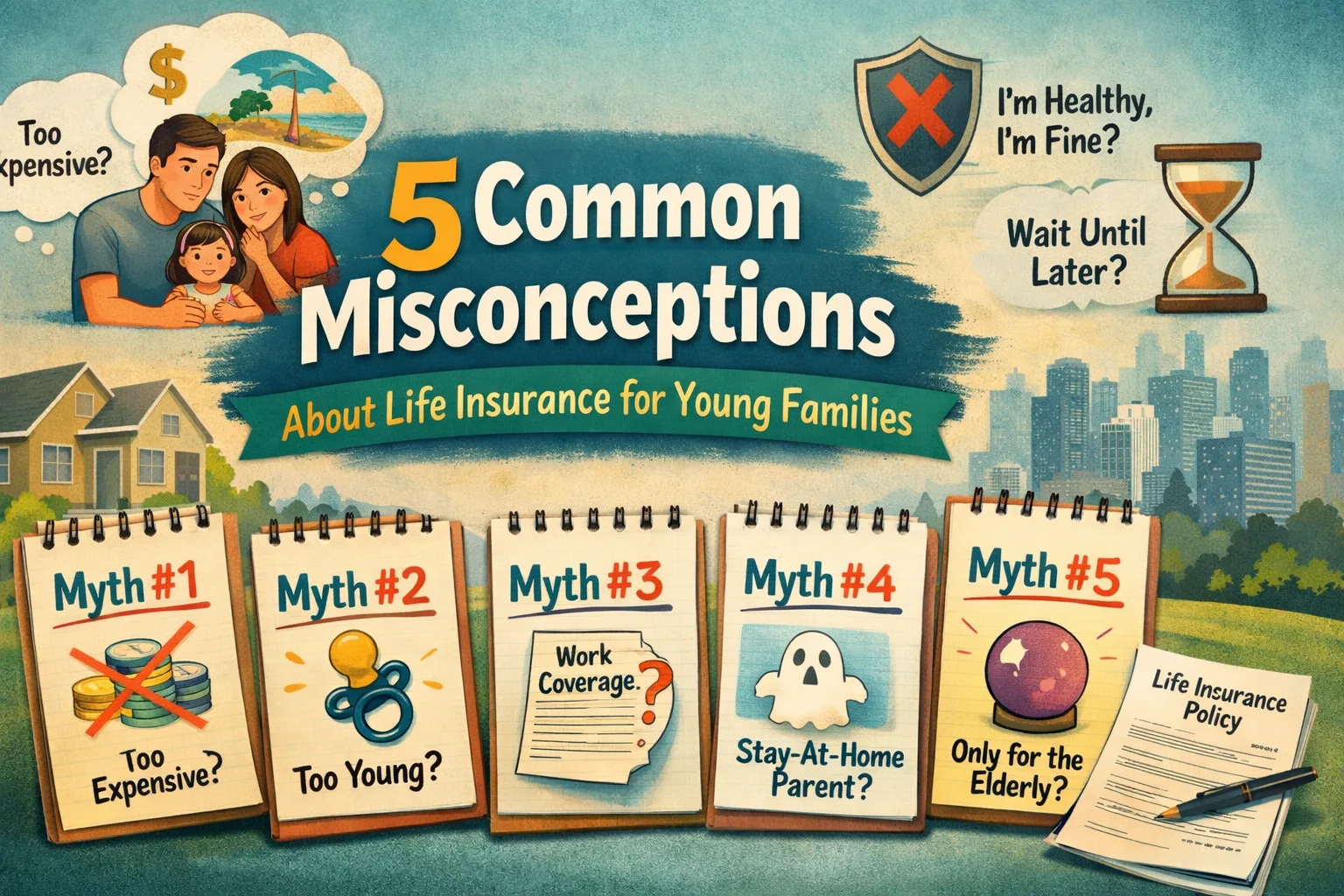
Understanding Paul Atkins Life Insurance Myths: Separating Fact from Fiction
Navigating the landscape of financial planning, executive profiles, and public commentary often brings to light various misconceptions. When examining discussions surrounding prominent public figures such as Paul Atkins—a recognized fi...
Navigating the landscape of financial planning, executive profiles, and public commentary often brings to light various misconceptions. When examining discussions surrounding prominent public figures such as Paul Atkins—a recognized financial regulatory expert and former Commissioner of the U.S. Securities and Exchange Commission (SEC)—misunderstandings frequently arise regarding personal finance strategies, including life insurance. This article explores the common myths and misconceptions often tied to high-profile financial planning figures, clarifying how life insurance products actually function, the realities of estate and asset protection, and the principles that govern sound financial management for individuals and executives alike.
Contents
The Intersection of Public Figures and Financial Misconceptions
When public figures or financial regulatory experts become subjects of online discussions, financial advice, or case studies, their names are sometimes incorrectly associated with specific financial products, wealth-building strategies, or policy recommendations. In the case of Paul Atkins, public records and professional biographies focus heavily on securities law, financial market regulation, corporate governance, and institutional oversight rather than consumer-oriented life insurance products.
Despite this, internet searches frequently couple prominent names in finance with everyday consumer questions, creating a breeding ground for myths. Consumers often look to established market authorities for validation of specific insurance strategies, assuming that a high-profile regulator's endorsement or critique applies to universal life, term life, or whole life policies. Understanding the boundaries between institutional financial regulation and personal financial instruments is the first step in dismantling these misconceptions.
Common Myths Surrounding Executive Life Insurance Strategies
To make informed decisions, policyholders and financial planning clients must separate widespread urban legends from verifiable financial principles. Several persistent myths frequently circulate regarding how high-net-worth individuals and public officials utilize life insurance.
Myth 1: Life Insurance Serves as a Guaranteed Tax Loophole for the Ultra-Wealthy
A prevalent misconception is that life insurance policies—particularly permanent or cash-value policies—are secretive vehicles designed exclusively for wealthy individuals and executives to bypass tax obligations entirely.
- The Reality: While certain permanent life insurance structures offer tax-advantaged growth and tax-free death benefits under specific sections of the Internal Revenue Code (such as IRC Section 7702), these provisions are available to any qualifying policyholder, not just public figures or corporate executives. Furthermore, these products are subject to stringent regulatory oversight by state insurance commissioners and the IRS. They are bound by rigorous compliance rules, and utilizing them incorrectly can trigger significant tax penalties or cause the policy to lapse into a modified endowment contract (MEC) status.
Myth 2: Regulatory Experts Endorse Specific Proprietary Insurance Products
Another common myth suggests that financial regulators or figures known for market oversight personally endorse proprietary financial products, universal life plans, or offshore insurance vehicles.
- The Reality: Regulatory officials and commissioners operate under strict ethical guidelines and professional standards designed to avoid conflicts of interest. Figures like Paul Atkins, whose career centers on securities regulation and market structure, do not endorse specific consumer insurance policies. Insurance products are regulated at the state level by individual departments of insurance, and federal regulators focus primarily on securities, commodities, and broader systemic market integrity rather than individual insurance policy endorsements.
Core Principles of Life Insurance: Term Versus Permanent Coverage
To evaluate financial guidance effectively, consumers must understand the fundamental classifications of life insurance. Misunderstandings about what these products can and cannot achieve often stem from a lack of clarity regarding their underlying structures.
| Feature / Attribute | Term Life Insurance | Permanent Life Insurance |
|---|---|---|
| Duration | Specific term (10, 20, 30 years) | Lifetime (as long as premiums paid) |
| Cash Value | None (pure protection) | Accumulates cash value over time |
| Premium Costs | Lower initial cost, increases with age | Higher initial cost, often level |
| Primary Intent | Income replacement during working years | Estate liquidity, permanent security, and wealth transfer |
As outlined in the comparison above, term insurance and permanent insurance serve distinct purposes. Conflating the two—such as expecting term insurance to build cash value or expecting permanent insurance to act as a short-term, low-cost income replacement tool—is a frequent mistake made by consumers navigating the insurance market.
Estate Planning Realities Versus Internet Financial Myths
Discussions involving high-net-worth estate planning often conflate corporate finance tools with personal life insurance strategies. When evaluating how professionals structure their estates, several realities must be considered:
- Asset Protection Limits: Life insurance death benefits can provide liquidity to pay estate taxes or support dependents, but policies are not impenetrable shields against all legal judgments or creditor claims, depending on state jurisdiction.
- Insurability and Underwriting: High-profile status does not exempt an individual from medical underwriting, financial justification of coverage limits, and actuarial risk assessment.
- Complexity of Trusts: Utilizing life insurance within an Irrevocable Life Insurance Trust (ILIT) requires formal legal establishment and ongoing administration to remove the policy from the insured's taxable estate. Simply purchasing a policy does not automatically confer estate-tax-exempt status.
How to Verify Financial and Insurance Guidance
When encountering claims linking specific public figures, economists, or regulators to investment and insurance strategies, verification is essential. Consumers should rely on established protocols to ensure the validity of financial advice:
- Consult Primary Regulatory Sources: Check state insurance departments or regulatory bodies like the National Association of Insurance Commissioners (NAIC) for verified consumer alerts and licensing data.
- Review Official Biographies: Consult professional biographies, institutional portfolios, and verifiable public service records to understand a professional's actual area of expertise.
- Seek Licensed Professional Advice: Consult certified financial planners (CFPs), chartered life underwriters (CLUs), or qualified estate attorneys who operate under fiduciary standards rather than relying on generalized online commentary.
Frequently Asked Questions
What is the primary role of financial regulators like Paul Atkins?
Financial regulators and former commissioners primarily focus on overseeing securities markets, enforcing federal securities laws, protecting investors, and maintaining fair, orderly markets. They do not regulate or endorse individual consumer life insurance products, which fall under state-level jurisdiction.
Do permanent life insurance policies guarantee investment returns?
No. While permanent policies such as variable or universal life insurance offer potential cash value growth tied to market indices or fixed interest rates, they also carry administrative fees, mortality charges, and the risk of policy lapse if performance underperforms or premiums are insufficient.
Are life insurance death benefits always tax-free?
In most cases, life insurance death benefits paid to a named beneficiary are income tax-free under federal law. However, if the policy is transferred for valuable consideration or if the estate is structured improperly (such as failing to remove ownership via an ILIT), portions of the proceeds may become subject to estate taxes.
Why do myths linking public figures to insurance products spread online?
Search engine algorithms and content creators frequently combine trending public figures' names with high-interest financial topics like life insurance to capture consumer attention. These associations are often speculative, misleading, or entirely fabricated to drive web traffic.
How can a consumer determine if a life insurance policy fits their needs?
Consumers should assess their personal financial obligations, income replacement needs, debt liabilities, and long-term estate goals. Working with an independent, licensed financial professional helps match these specific needs with the appropriate term or permanent insurance structure.
Next Steps for Sound Financial Planning
Navigating financial decisions requires filtering out speculative claims and focusing on verified principles. If you are evaluating life insurance options or reviewing your estate plan, begin by conducting a comprehensive financial audit of your current liabilities and long-term goals. Consult with licensed, independent insurance brokers and financial advisors who can provide transparent, contractually backed guidance tailored to your specific jurisdictional and personal requirements.
Image Gallery