DealerFenix Auto Dealerships CRM Software: A Comprehensive Review and Operational Guide
DealerFenix auto dealerships CRM software is a specialized customer relationship management platform engineered to help car dealerships manage lead acquisition, inventory tracking, customer communication, and sales pipeline workflows f...
DealerFenix auto dealerships CRM software is a specialized customer relationship management platform engineered to help car dealerships manage lead acquisition, inventory tracking, customer communication, and sales pipeline workflows from a centralized digital dashboard.
Contents
Introduction to Dealership CRM Software
The automotive retail industry operates on tight margins, rapid inventory turnover, and high-volume customer interactions. Modern dealerships cannot rely on legacy spreadsheets or generalized customer relationship management (CRM) tools to manage buyers. Specialized platforms like DealerFenix are designed to address the specific friction points of vehicle sales, including trade-in valuations, financing pre-qualifications, service department scheduling, and multi-channel lead routing.
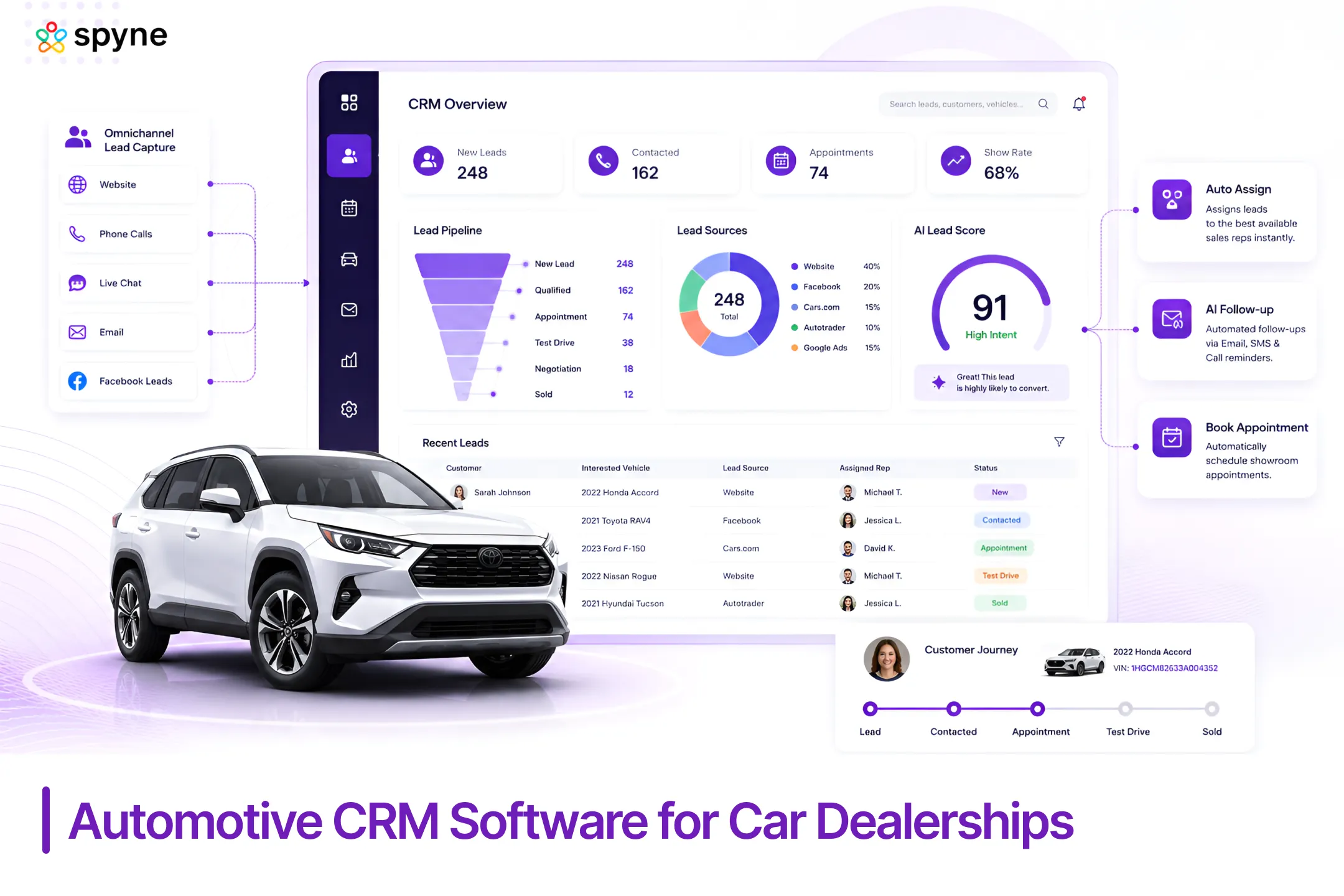
Automotive CRM software functions as the operational core of a dealership. It bridges the gap between digital marketing efforts and the showroom floor. When a prospective buyer submits an inquiry on a third-party marketplace or the dealership website, the CRM captures the data, assigns the lead to a sales representative based on predefined rules, and triggers automated multi-channel communication sequences. Understanding how DealerFenix structures these workflows requires examining its core architecture, functional modules, and integration capabilities.
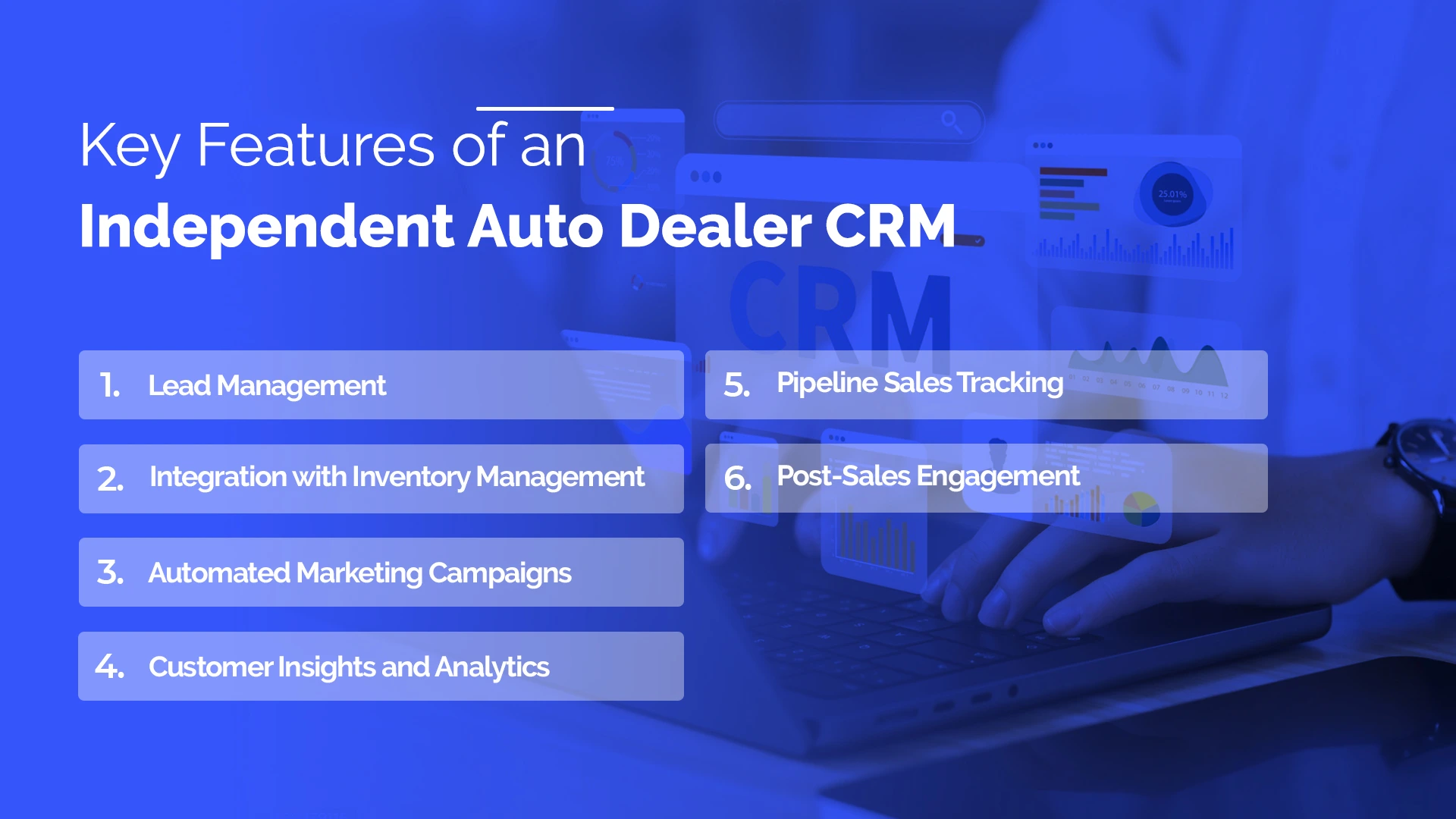
Core Features and Functional Modules of DealerFenix
Evaluating an automotive CRM requires looking closely at its day-to-day utility for sales managers, desk managers, and sales associates. DealerFenix incorporates several distinct modules designed to streamline dealership operations.
Lead Management and Multi-Channel Routing
The lifeblood of any dealership is its lead generation pipeline. DealerFenix aggregates leads from various sources, including original equipment manufacturer (OEM) portals, social media advertisements, classified listing sites, and walk-in traffic.
- Instant Lead Distribution: Leads are parsed instantly via XML or API integrations and assigned using round-robin, tier-based, or geographic rules.
- Communication Tracking: Every phone call, text message, email, and live chat is logged automatically against the customer profile, providing a unified communication history.
- Automated Follow-Up Sequences: Time-sensitive drip campaigns keep prospective buyers engaged when sales personnel are occupied on the showroom floor.
Inventory Integration and Desk Operations
Unlike standard retail CRMs, an automotive platform must synchronize directly with the dealership's inventory management system (IMS) and Dealer Management System (DMS).
- Real-Time Stock Matching: Sales representatives can search available lot inventory or inbound transit vehicles directly from the customer record.
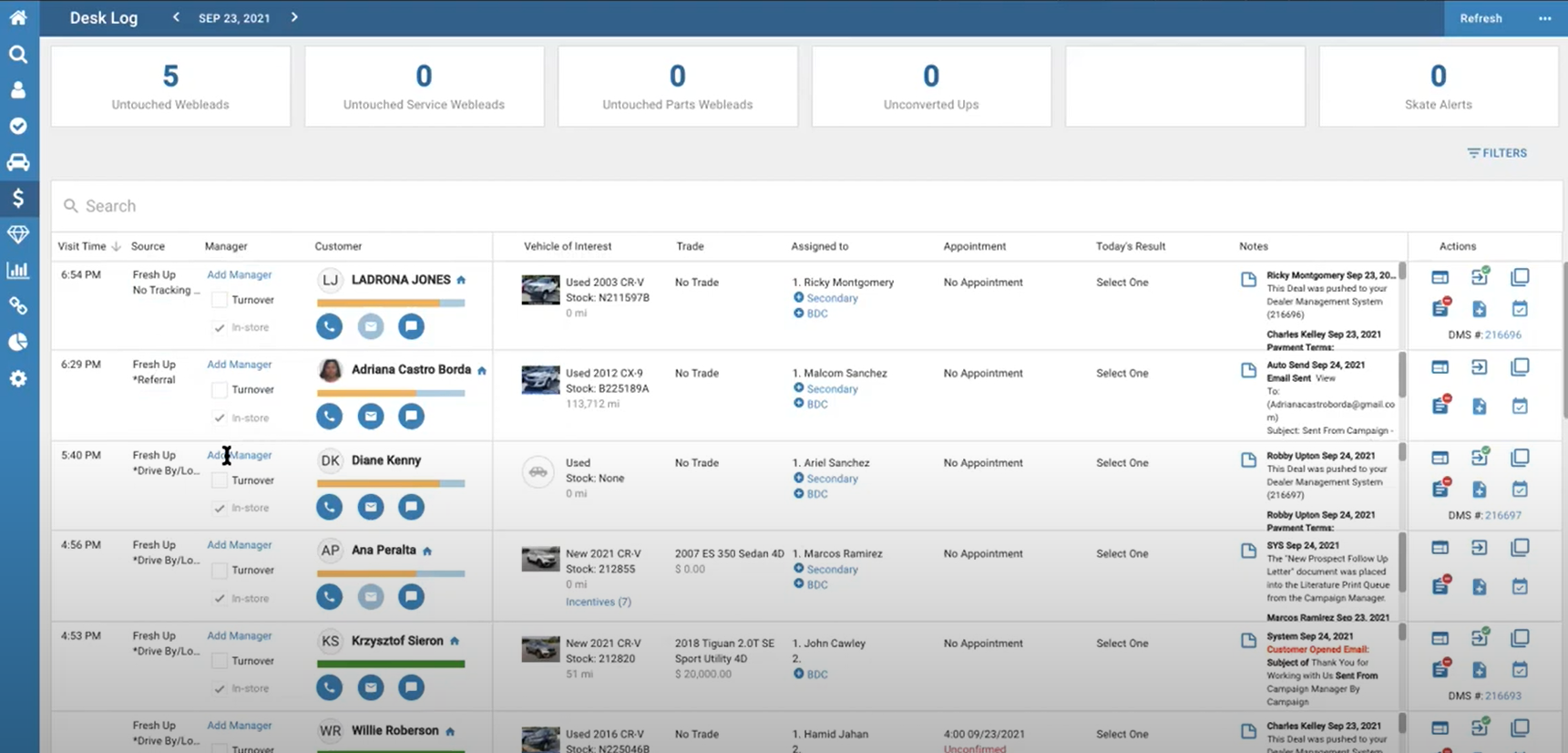
- Desoking Tools: Integration with pricing engines and desk logs allows managers to structure pencil deals, calculate monthly payments, and evaluate trade-in equity without switching applications.
- Desking Transparency: Deal jackets are tracked digitally, reducing administrative errors and accelerating the financing approval process.
Technical Specifications and Integration Capabilities
A CRM cannot operate as an isolated island within a modern dealership technology stack. It must communicate seamlessly with existing accounting, inventory, and marketing infrastructure.
DMS and Third-Party API Integrations
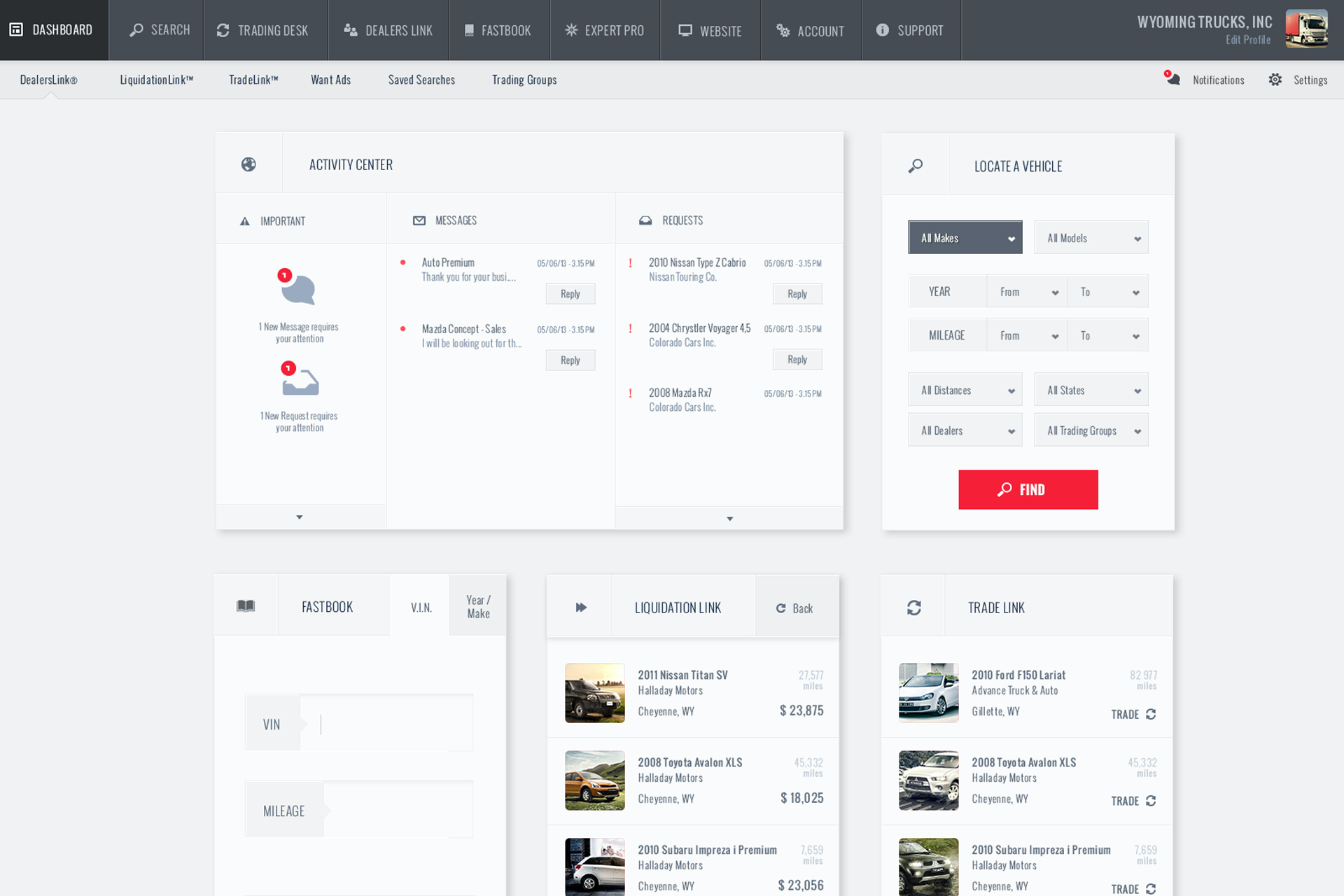
DealerFenix supports data exchange with major Dealer Management Systems such as Reynolds and Reynolds, CDK Global, and Dealertrack. This bidirectional synchronization ensures that once a vehicle is marked as sold in the DMS, its status updates across the CRM to prevent double-booking or marketing sold inventory.
Furthermore, open API architecture allows dealerships to connect specialized third-party tools. This includes digital retailing widgets, credit bureaus, insurance verification services, and service scheduling platforms. Data security protocols, including role-based access controls and encrypted data transmission, protect sensitive Personally Identifiable Information (PII) such as Social Security numbers and banking details collected during the credit application process.
| Feature Category | DealerFenix Capability | Standard Industry Alternative |
|---|---|---|
| DMS Integration | Bidirectional synchronization with major DMS providers | Often unidirectional or requires manual CSV exports |
| Lead Response Time | Instant automated parsing and sub-minute routing | Manual entry with average response times exceeding 30 minutes |
| Mobile Accessibility | Dedicated native mobile application for lot walks | Mobile-responsive web browser interface |
| Desking Tools | Integrated payment calculators and trade-in valuation | Standalone desktop software or separate desk logs |
Implementation Prerequisites and Operational Setup
Deploying DealerFenix within an auto dealership requires careful planning, data migration, and staff training to ensure high adoption rates. Technical transitions in high-pressure retail environments often fail due to poor preparation.
1. Data Migration and Cleansing
Before launching the platform, legacy databases from previous CRMs or spreadsheets must be audited. Duplicate customer records, inactive leads, and outdated vehicle specifications need cleaning to prevent polluting the new system with unusable data. Historical service and sales records should be mapped to the new schema to preserve customer lifetime value metrics.
2. Staff Training and Role Configuration
Dealership personnel possess varying degrees of technical literacy. Implementing DealerFenix requires structured, role-specific training modules:
- Sales Associates: Focus on mobile app navigation, lead updating, task management, and customer communication logging.
- Sales Managers: Focus on pipeline visibility, lead reassignment, desk log management, and conversion rate analytics.
- BDC (Business Development Center) Agents: Focus on high-volume phone and text queues, script adherence, and appointment setting.
3. Workflow Customization
Every dealership maintains unique operational quirks, such as specific up systems or mandatory manager sign-offs. Dealership administrators must configure custom pipeline stages, automated task triggers, and notification rules to mirror established showroom processes rather than forcing staff into rigid, unnatural workflows.
Operational Limitations and Common Implementation Pitfalls
While automotive CRM platforms offer significant efficiency gains, dealerships frequently encounter specific hurdles during deployment and ongoing use.
User Adoption Resistance
The most common point of failure in automotive CRM adoption is sales floor resistance. Sales personnel often view data entry as administrative friction that pulls them away from closing deals. If managers do not enforce CRM utilization as a mandatory condition for floor ups and commission tracking, staff will revert to paper notes or personal mobile phones, creating blind spots for management.
Integration Latency and Data Mismatches
When third-party APIs experience downtime or synchronization errors, inventory prices or customer contact details can become mismatched between the CRM and the DMS. Dealerships must establish routine system audits to verify that data flows cleanly across all connected vendor platforms.
Frequently Asked Questions
What is the primary function of DealerFenix CRM?
DealerFenix acts as a centralized operational hub for auto dealerships, designed to capture leads, track customer interactions, manage inventory visibility, and streamline the sales pipeline from initial digital inquiry to final delivery.
Does DealerFenix integrate with existing Dealer Management Systems (DMS)?
Yes, the platform supports bidirectional data synchronization with major DMS providers, allowing vehicle status, customer records, and deal structures to update in real time across systems.
How does DealerFenix handle incoming digital leads?
The platform uses automated parsing rules to ingest leads from websites, OEM portals, and third-party marketplaces, instantly assigning them to appropriate sales representatives or BDC agents based on custom routing logic.
Is mobile access available for sales floor personnel?
Yes, DealerFenix provides mobile capabilities that allow sales representatives to manage customer profiles, scan vehicle VINs on the lot, and communicate via text or call directly from their mobile devices.
What are the main challenges when implementing a dealership CRM?
Primary challenges include staff resistance to administrative data entry, legacy data cleansing, and ensuring consistent utilization across the sales and business development teams.
Conclusion and Next Actions
Implementing an automotive CRM like DealerFenix requires a strategic commitment from dealership leadership, clear alignment with existing DMS infrastructure, and rigorous staff training. Dealerships seeking to evaluate or deploy this software should begin by auditing their current lead leakage points, mapping their desired sales workflows, and scheduling a structured technical demonstration with the software provider to verify specific integration requirements.
Image Gallery