Accessing and Understanding Marion County 911 CAD Logs in 2026
Marion County 911 Computer-Aided Dispatch (CAD) logs are public records documenting emergency calls, dispatch times, and agency responses. Citizens can request these records through official county or municipal public safety portals. A...
Marion County 911 Computer-Aided Dispatch (CAD) logs are public records documenting emergency calls, dispatch times, and agency responses. Citizens can request these records through official county or municipal public safety portals. Access is subject to public disclosure laws, and sensitive information—such as victim identities or medical data—is strictly redacted to comply with privacy statutes.
Contents
Understanding the Structure of CAD Logs
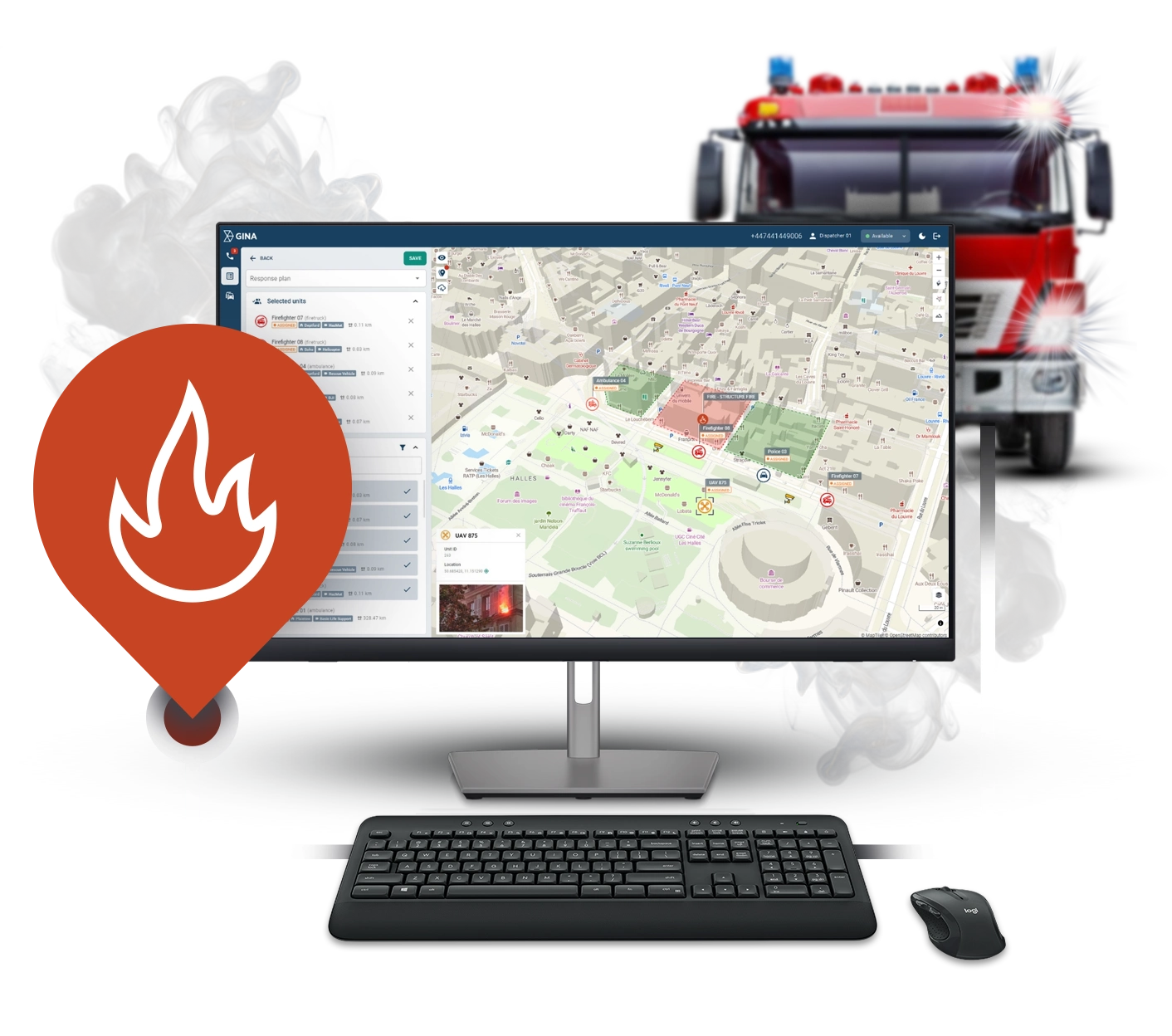
Computer-Aided Dispatch (CAD) systems serve as the digital backbone for emergency services. When a 911 operator receives a call, they input data into the CAD system, which tracks the incident from the initial report through unit assignment and final resolution. Understanding the terminology is essential for interpreting these logs correctly in 2026.
Every entry in a CAD log is time-stamped and assigned specific event codes. These codes identify the nature of the incident, such as medical emergencies, traffic accidents, or criminal activity. Because these logs are intended for administrative and operational use, they often contain shorthand or internal codes that require a legend for interpretation.
Key Data Fields Found in Dispatch Logs
- Incident Number: A unique identifier for every call for service.
- Nature of Call: A brief description or signal code identifying why 911 was contacted.
- Dispatch Time: The exact moment units were assigned to the location.
- En Route Time: When responders departed from their station or current position.
- Arrival Time: The moment personnel arrived at the scene.
- Clearance Time: The moment the incident was closed and the unit returned to service.
The Legal Framework for Public Records Requests
In Marion County, the accessibility of CAD logs is governed by state-specific public records acts. While the majority of dispatch information is considered a public record, certain data points are protected. Agencies are legally required to redact information that could compromise an ongoing criminal investigation or violate personal privacy under health information protection standards.
When submitting a request in 2026, it is important to understand that you are not guaranteed access to the raw, unredacted data. If a requested log contains information related to a juvenile, a protected witness, or detailed medical triage notes, those sections will be obscured.
Operational Constraints and Privacy Limitations
Data Privacy and Redaction Standards Under current disclosure guidelines, Marion County emergency agencies must ensure that protected health information (PHI) and personal identifiers are removed. This process is handled by a public records officer who reviews the logs before release to ensure compliance with both state law and federal privacy regulations. Requestors should anticipate a processing period that allows for this manual or automated redaction work.
How to Request Marion County 911 Records
The process for obtaining CAD logs is typically handled through the county sheriff’s department, the municipal police department, or the regional 911 communications authority. In 2026, most jurisdictions have transitioned to digital portals, though some may still require formal email or written requests.
Standard Operating Procedure for Records Requests
- Identify the Jurisdiction: Determine if the incident occurred within the city limits or in the unincorporated parts of the county, as this dictates which agency holds the records.
- Gather Essential Details: Have the specific incident number, date, time, and address ready. If the incident number is unknown, provide as much descriptive information as possible.
- Submit the Request: Utilize the official public records request form on the department's website. If no form exists, send a written request clearly stating that you are seeking CAD logs under the state's Public Records Act.
- Await Response: Monitor your email for communication regarding the status of your request or potential processing fees.
- Review and Clarify: If the data provided is insufficient or heavily redacted, you may submit a follow-up inquiry regarding the specific legal exemptions cited for the redactions.
Comparison of Log Types and Accessibility
Not all emergency logs provide the same level of detail. Understanding the difference between a public-facing dispatch summary and a full investigative report is vital for your research.
| Record Type | Detail Level | Public Accessibility | Primary Purpose |
|---|---|---|---|
| Basic CAD Log | High (Temporal) | High (Redacted) | Operational tracking |
| Police Report | Narrative Focus | Moderate (Case-by-case) | Legal/Investigative |
| EMS Run Sheet | Medical Focus | Low (HIPAA Protected) | Patient care documentation |
| Fire Incident Report | Technical Focus | Moderate | Cause and response analysis |
Frequently Asked Questions
Are all 911 CAD logs available to the public?
Most high-level CAD logs are public, but they are subject to mandatory redaction. Information that would jeopardize safety, reveal private medical status, or impede an active investigation is withheld per state public records statutes.
How long does it take to receive a response?
Response times vary based on agency workload and the complexity of the request. In 2026, many jurisdictions aim for a response within three to ten business days, though complex requests involving multiple calls or historical archives may require additional time.
Will I be charged for a copy of the logs?
Many agencies provide electronic copies free of charge. However, if your request requires extensive staff time to compile, print large volumes of data, or perform complex redactions, you may be billed according to the agency’s established fee schedule for public records.
Can I request logs for an ongoing investigation?
You can request the logs, but agencies will likely deny the release of details that could compromise the investigation. You may receive the record with significant portions blacked out, or the agency may issue a formal denial until the case status changes to closed or inactive.
Do I need to be a lawyer to request these records?
No, public records acts are designed for use by the general public. You do not need legal representation to submit a request, although you should ensure your request is specific to avoid unnecessary administrative delays.
Best Practices for Information Retrieval
To increase the likelihood of a successful request, precision is key. Avoid broad, sweeping requests (e.g., "all logs for 2025"), as these are often flagged as overly burdensome, which can lead to delays or denials. Instead, provide specific windows of time, precise locations, and clearly defined incident types.
By familiarizing yourself with the official websites of the Marion County public safety agencies, you can stay informed about updated submission procedures for 2026. If you encounter difficulty in obtaining records, contact the agency’s Public Information Officer (PIO) to clarify the specific requirements for your request.
Image Gallery