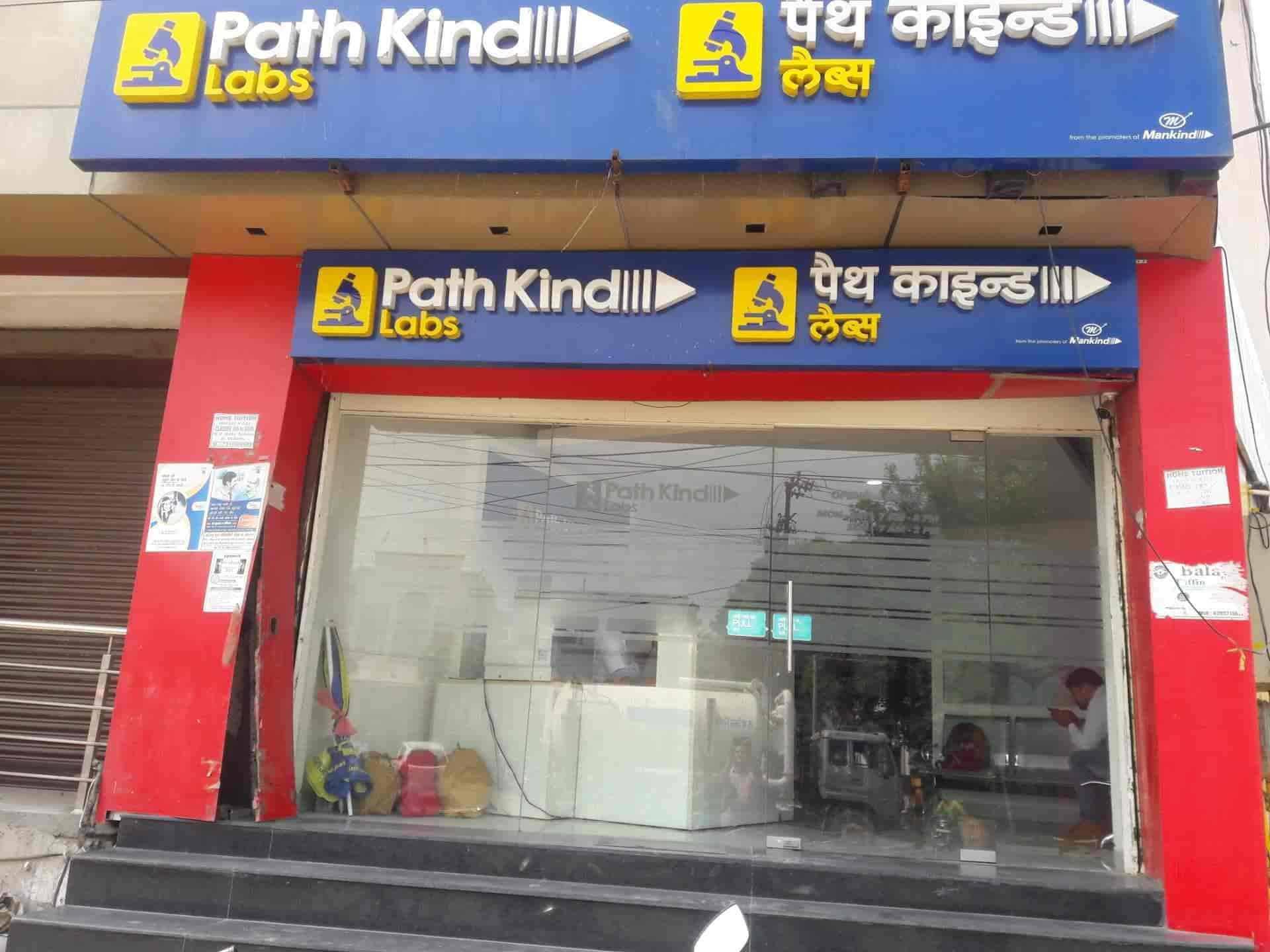
Finding Urgent and Routine Lab Testing Facilities Near Me in 2026
Locating diagnostic laboratories nearby involves matching your physician's orders with facility network compliance, operating hours, and specialized collection capabilities. Whether you require routine metabolic panels or urgent diagno...
Locating diagnostic laboratories nearby involves matching your physician's orders with facility network compliance, operating hours, and specialized collection capabilities. Whether you require routine metabolic panels or urgent diagnostic blood work, identifying the correct facility ensures seamless insurance processing and rapid result delivery to your healthcare provider.
Contents
Understanding Diagnostic Laboratory Networks and Requisitions
Navigating outpatient laboratory testing requires understanding how test orders, also known as requisitions, interact with commercial healthcare networks. A laboratory requisition is a legally binding medical document detailing the specific analytical tests required by a licensed practitioner. Facilities cannot legally draw blood or collect biological specimens without this documentation.
Diagnostic networks generally fall into two categories: national commercial reference laboratories and hospital-affiliated outpatient systems. National providers operate thousands of patient service centers (PSCs) designed for high-volume outpatient blood draws, urine collections, and specialized diagnostic drop-offs. Hospital-affiliated systems are typically integrated directly into regional medical centers or specialized clinics. Choosing the correct network prevents unexpected out-of-pocket costs and billing disputes.
Key Factors in Selecting a Local Laboratory
- Insurance Tier Status: Verify whether the laboratory is considered an in-network provider for your specific health plan tier to avoid surprise billing.
- Geographic Proximity and Accessibility: Consider travel distance, handicap accessibility, parking availability, and public transit routes.
- Test Specialty Availability: Ensure the location routinely handles complex assays, pediatric blood draws, or specialized glucose tolerance testing.
- Scheduling Flexibility: Determine if the facility requires advance appointments or accommodates walk-in patients with short wait times.
Evaluating Major National and Regional Laboratory Options
Choosing where to complete your lab work depends on your insurance carrier, geographical location, and the urgency of the physician's order. Major national chains maintain hundreds of standardized patient service centers across most metropolitan areas, while localized health systems provide specialized care integrated with your electronic health record (EHR).
| Laboratory Provider | Primary Network Affiliations | Appointment Policy | Specialized Pediatric Services |
|---|---|---|---|
| Quest Diagnostics | Aetna, UnitedHealthcare, Cigna, Blue Cross Blue Shield (varies by state) | Strongly Recommended / Walk-ins Accepted | Available at select Patient Service Centers |
| Labcorp | UnitedHealthcare, Aetna, Cigna, Humana, Medicare/Medicaid | Appointments Preferred / Walk-ins Limited | Available at designated pediatric-friendly sites |
| Regional Hospital Outpatient Labs | Integrated with local health systems (e.g., Ascension, HCA, Kaiser Permanente) | Varies (Often requires pre-registration) | Fully integrated pediatric hospital staff |
| Independent Local Labs | Variable local private insurers | Typically Walk-in Only | Rare (check facility guidelines prior to visit) |
Step-by-Step Guide to Scheduling and Completing Your Lab Work
Preparing properly for diagnostic testing minimizes the risk of rejected specimens, rescheduled appointments, or inaccurate test results caused by physiological variables. Follow this systematic process from receiving your order to receiving your results.
- Review Your Physician's Order: Check the paper requisition form or your patient portal digital order for specific instructions regarding fasting requirements, medication withholding, or specific timing windows.
- Verify Insurance Compatibility: Log into your health insurance provider portal or call customer service to confirm that your chosen laboratory site is contracted under your active policy.
- Schedule an Appointment Online: Use the official website or mobile application of the chosen laboratory provider to secure a time slot, which significantly reduces physical wait times.
- Prepare for the Visit: Fasting blood work typically requires 8 to 12 hours of absolute caloric restriction, though water is generally permitted. Bring a government-issued photo ID, your physical insurance card, and the hard-copy or digital physician order.
- Complete the Check-In Process: Arrive 10 to 15 minutes prior to your scheduled time to complete administrative verification, confirm demographic details, and verify test codes.
- Post-Draw Procedures: If you experienced lightheadedness during fasting draws, consume a light snack and water before driving. Monitor your patient portal for results within 24 to 72 hours.
Comparing National Reference Labs vs. Hospital-Based Labs
Patients often face a choice between visiting a commercial reference laboratory or a hospital-based outpatient testing center. Each option presents distinct structural, financial, and logistical differences.
Commercial Reference Laboratories (e.g., Quest Diagnostics, Labcorp)
- Pros: Highly streamlined check-in processes, extensive national footprints, optimized online scheduling, and lower baseline out-of-pocket facility fees for standard panels.
- Cons: Limited ability to handle highly specialized rare pathology assays on-site; staff may have less experience with complex pediatric or oncology-specific blood draws.
Hospital-Based Outpatient Laboratories
- Pros: Seamless integration with inpatient electronic health records, immediate access to specialized medical sub-specialists, and exceptional capability for complex or multi-step diagnostic panels.
- Cons: Frequently higher facility fees and coinsurance rates, longer physical wait times due to priority given to emergency department and inpatient specimen runs, and stricter scheduling requirements.
Troubleshooting Common Laboratory Visit Issues
Even with careful preparation, patients occasionally encounter obstacles when attempting to complete diagnostic tests. Addressing these issues proactively prevents wasted trips and delayed diagnoses.
- Missing or Incorrect Physician Orders: If the laboratory cannot locate your electronic order or the paper form lacks necessary diagnostic codes (ICD-10) or physician signatures, contact your doctor's office immediately to have them fax a corrected requisition directly to the lab printer.
- Fasting Non-Compliance: If you accidentally consumed food or sugary beverages prior to a fasting glucose or lipid panel, do not proceed with the test. Notify the phlebotomist, as elevated triglycerides or glucose will invalidate the biochemical markers, requiring a repeat visit.
- Insurance Prior Authorization Rejections: If the facility front desk states your insurance requires prior authorization for specialized molecular or genetic testing, do not pay out of pocket. Ask the lab to hold the specimen while your physician's administrative staff submits the required clinical justification to your insurer.
Frequently Asked Questions About Local Laboratory Testing
Do I need an appointment for blood work near me?
Most national patient service centers strongly encourage booking an appointment online to guarantee timely service, though limited walk-in slots are available on a first-come, first-served basis. Hospital-based laboratories often require preregistration or physician scheduling prior to arrival.
What documents must I bring to my lab appointment?
You must bring a government-issued photo identification card, your current primary and secondary health insurance cards, and either a physical paper requisition form or the digital order reference number provided by your ordering physician.
How long does it take for routine lab results to process?
Standard routine blood tests, such as complete blood counts (CBC) and comprehensive metabolic panels (CMP), typically process and post to patient portals within 24 to 48 hours. Specialized pathology, genetic assays, or cultures may take anywhere from 5 to 14 business days.
Can I go to any laboratory location for my tests?
You cannot visit any arbitrary facility; your insurance network dictates which laboratories are covered, and the facility must accept the specific electronic or paper order generated by your licensed healthcare provider to perform the requested diagnostic procedures.
What should I do if my insurance denies coverage for my lab tests?
Review the explanation of benefits (EOB) from your insurer to identify the specific denial reason, such as missing diagnosis codes or lack of prior authorization, and contact your ordering physician's billing coordinator to correct and resubmit the claim.
Are walk-in diagnostic tests available without a doctor's order?
Direct-to-consumer testing allows individuals to purchase certain routine health screenings online without a physician's traditional order, though these are typically paid out-of-pocket and may not be reimbursable by standard health insurance policies.
Practical Recommendation for Your Upcoming Diagnostic Visit
To ensure a smooth and efficient diagnostic experience, verify your insurance network status directly with your health plan prior to booking an appointment online. Always double-check your physician's order for fasting or medication instructions, and secure a morning time slot when physical wait times at outpatient collection centers are typically at their lowest.
Image Gallery