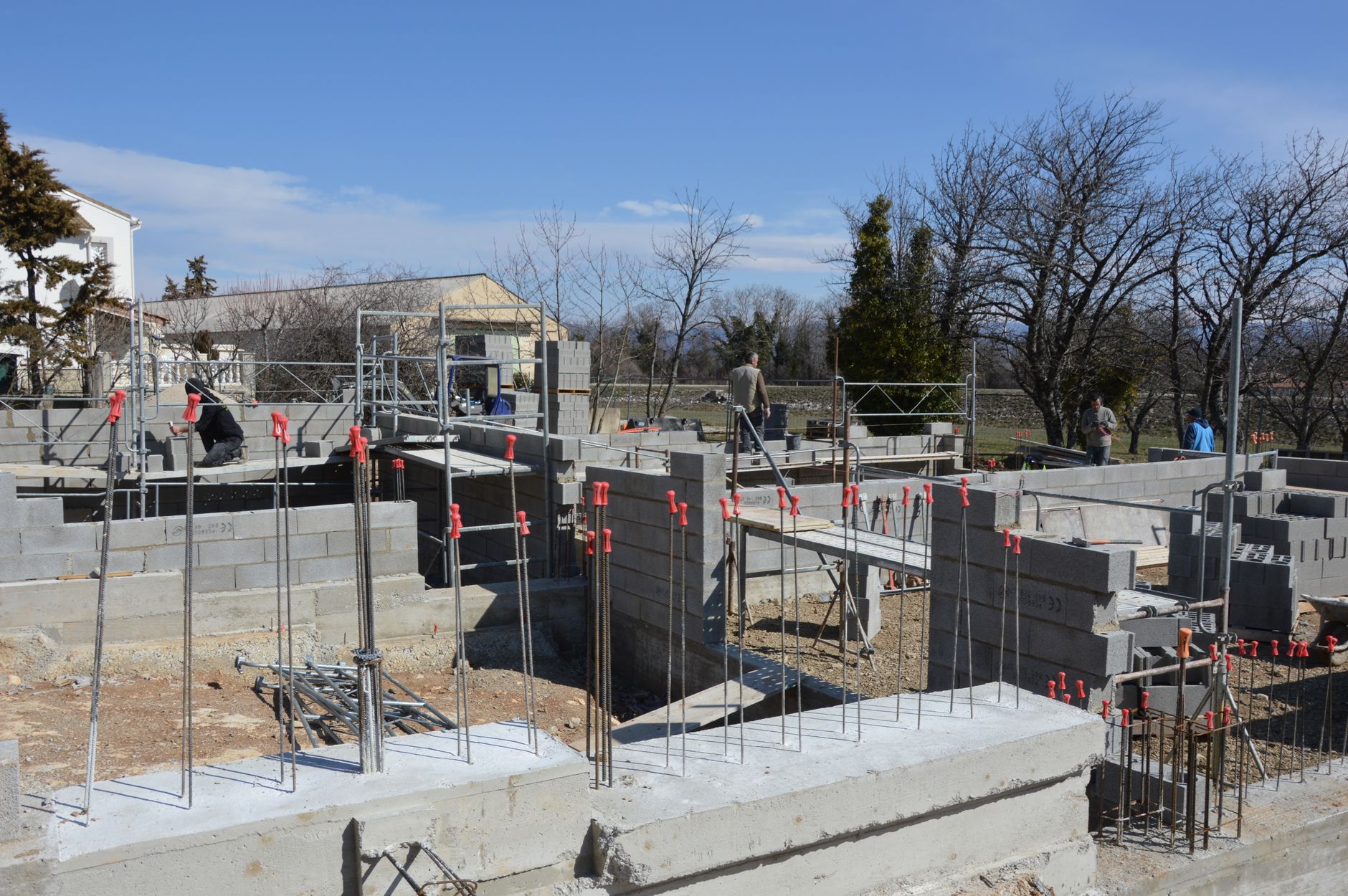
Cracked Foundation Repair Services in Colleyville TX: An Expert Overview
Finding cracks in your foundation in Colleyville, Texas, is a common experience for homeowners due to the region's unique geological conditions. Because of the heavy clay soil common in North Texas, foundations frequently undergo signi...
Finding cracks in your foundation in Colleyville, Texas, is a common experience for homeowners due to the region's unique geological conditions. Because of the heavy clay soil common in North Texas, foundations frequently undergo significant movement, leading to structural stress, visible fissures, and the need for professional remediation to ensure the long-term safety and value of the property.
Contents
Understanding the Colleyville Soil Environment
The primary driver of foundation issues in Colleyville is the high concentration of expansive clay, specifically vertisols. During the dry, hot summers typical of North Texas, the clay loses moisture and shrinks, causing the ground beneath a home to settle or drop. Conversely, during periods of heavy rainfall, the soil swells significantly. This cycle of "shrink-swell" exerts immense pressure on concrete slabs and pier-and-beam foundations.
When a foundation cannot move uniformly, the structural integrity of the concrete or masonry is compromised, leading to cracks. While small, "hairline" cracks are often cosmetic and caused by initial concrete curing, wider cracks—typically those exceeding 1/8 to 1/4 of an inch—or cracks that show signs of jagged edges or offset vertical displacement, often indicate a need for professional intervention.
Identifying Signs of Foundation Distress
Before contacting a repair service, property owners should conduct a thorough inspection. Beyond the cracks themselves, foundation failure often presents with secondary symptoms that confirm structural shifting.
- Door and Window Alignment: If doors or windows become difficult to open, stick, or have visible gaps in the frame, this is often the first indicator of a shifting foundation.
- Floor Slope: Using a simple level, check for noticeable slopes in your flooring. Significant unevenness is a red flag.
- Wall Separation: Look for gaps between the wall and the ceiling or between the wall and the floor. This indicates that the wall framing is no longer properly supported by the foundation.
- Chimney Tilting: For homes with masonry chimneys, observe if the chimney is leaning away from the structure, which indicates independent settling of the chimney footing versus the main house foundation.
- Exterior Cracks: Look for "stair-step" cracks in brick mortar joints, which are a hallmark of foundation settlement in residential construction.
Common Foundation Repair Methods in Texas
In 2026, the repair techniques utilized in Colleyville remain largely standardized, focusing on either stabilizing the foundation or lifting it back to a position as close to original grade as possible.
Pressed Piling (Concrete or Steel)
Pressed pilings are a common and effective method for residential slab foundations. The process involves driving concrete or steel cylinders into the ground until they reach a stable load-bearing stratum or reach "refusal," meaning they can be pushed no further. The foundation is then lifted and stabilized on these pillars. Steel pilings are often preferred for deeper soil penetration in areas where the load-bearing strata are exceptionally deep.
Pier and Beam Repair
For older homes or specific custom builds in Colleyville that utilize pier and beam construction, repairs often involve replacing rotted wood beams or adding additional support piers. Because the floor is elevated, contractors can access the crawlspace to adjust shims or replace deteriorated members, often providing a more localized repair solution than slab injection.
Mudjacking and Polyurethane Injection
Sometimes referred to as slab jacking, this process involves pumping a material—either a specialized concrete grout (mud) or an expanding polyurethane foam—under the slab to fill voids and lift the concrete. This is highly effective for localized sunken areas, though it does not address the underlying soil movement as effectively as deep-pier installation.
Comparison of Foundation Repair Solutions
| Method | Best Use Case | Primary Advantage | Typical Scope |
|---|---|---|---|
| Pressed Piling | Deep settlement | High stability in clay | Long-term support |
| Steel Piers | Extreme depths | Greater depth capacity | Permanent heavy load |
| Mudjacking | Voids/minor settling | Fast, less invasive | Surface correction |
| Shim Adjustment | Pier and Beam | Lower cost | Localized elevation |
The Repair Process: What to Expect
Engaging a professional service in Colleyville follows a generally predictable sequence. First, a professional foundation inspector—often an independent structural engineer—will evaluate the home. In Texas, it is strongly recommended to hire a licensed structural engineer who does not perform the repairs themselves. This separation of concerns ensures that the report you receive is unbiased and not a sales pitch for unnecessary work.
Once the engineer provides a report, you will solicit quotes from repair contractors. A reputable contractor will:
- Map the Floor Elevation: Use a ZIP level or similar precision device to create a topographical map of your floors.
- Verify Permits: Ensure that all necessary City of Colleyville building permits are obtained before starting work.
- Execute the Plan: Install the piers or injection points according to the engineer’s specifications.
- Final Review: Re-check the elevation of the foundation and clean the work site.
Maintenance and Prevention Strategies
Once a foundation has been repaired, the goal is to prevent future movement. The key in North Texas is moisture regulation. During the height of the summer, homeowners should use "soaker hoses" placed 12 to 18 inches away from the foundation perimeter. The objective is to maintain a consistent level of moisture in the soil throughout the year, preventing the extreme drying cycle that leads to shrinkage. Additionally, ensure that your gutters are cleaned regularly and that downspouts extend at least 5 to 10 feet away from the foundation to prevent pooling water from saturating the soil directly adjacent to the structure.
Frequently Asked Questions
Does home insurance cover foundation repair in Colleyville? Generally, no. Standard homeowners insurance policies in Texas typically exclude foundation repair unless the damage is caused by a specific "peril" covered by the policy, such as a plumbing leak under the slab. Always consult your specific policy documents to see what is covered.
How long does the repair process usually take? Most residential foundation repairs in Colleyville take between two to five days, depending on the severity of the damage and the number of piers required.
Can I fix foundation cracks myself? You can fill cosmetic cracks with epoxy or masonry caulk for aesthetic purposes, but this does not fix the structural underlying issue. If the crack is wide or the foundation is settling, DIY methods will not prevent further damage.
What is the difference between an engineer and a contractor? A structural engineer performs a non-biased evaluation of the foundation's status and provides a repair plan. A contractor performs the physical work based on that plan.
Is there a warranty on foundation repair work? Most reputable contractors in the Dallas-Fort Worth area provide a transferable lifetime warranty on their work. Ensure you receive a written copy of the warranty and understand the terms regarding transferability if you plan to sell the home.
Next Steps for Homeowners
If you identify cracks that are wider than a nickel or notice doors in your home failing to latch, the most responsible next step is to schedule a professional evaluation. Contact a licensed structural engineer first to determine if the damage is indeed structural or merely cosmetic. Once you have a professional report, seek quotes from at least three local, highly-rated contractors, and always check their current standing with the Texas Residential Construction Commission or local municipal licensing boards. By taking a proactive approach, you protect the structural integrity of your property against the challenging clay-rich environment of Colleyville.
Image Gallery