Ontario Best Auto Insurance Premium Protection: Securing Your Rates in 2026
In 2026, the best auto insurance premium protection in Ontario is achieved through Accident Forgiveness endorsements, which prevent your insurance rates from increasing after your first at-fault accident. Leading providers such as Inta...
In 2026, the best auto insurance premium protection in Ontario is achieved through Accident Forgiveness endorsements, which prevent your insurance rates from increasing after your first at-fault accident. Leading providers such as Intact, CAA, and Aviva offer these protections to drivers with a clean record of six years or more, ensuring that a single mistake does not result in a multi-year premium surcharge.
Contents
Auto insurance in Ontario remains one of the most complex and highly regulated systems globally. As we move through 2026, the Financial Services Regulatory Authority of Ontario (FSRA) continues to oversee a market that has recently undergone significant shifts in how benefits are structured. For drivers seeking "premium protection," the goal is twofold: maintaining a stable monthly cost and protecting their "star rating" or driving record from the financial fallout of a claim. This guide explores the mechanics of these protections, the top-rated providers in the current market, and the regulatory nuances that define Ontario’s insurance landscape.
The Mechanics of Premium Protection in Ontario
In the context of Ontario’s private insurance market, premium protection is not a single product but a combination of policy endorsements and driving record safeguards. The most prominent of these is Accident Forgiveness, often officially categorized under specific endorsement codes like the OPCF 39.
Understanding Accident Forgiveness (OPCF 39)
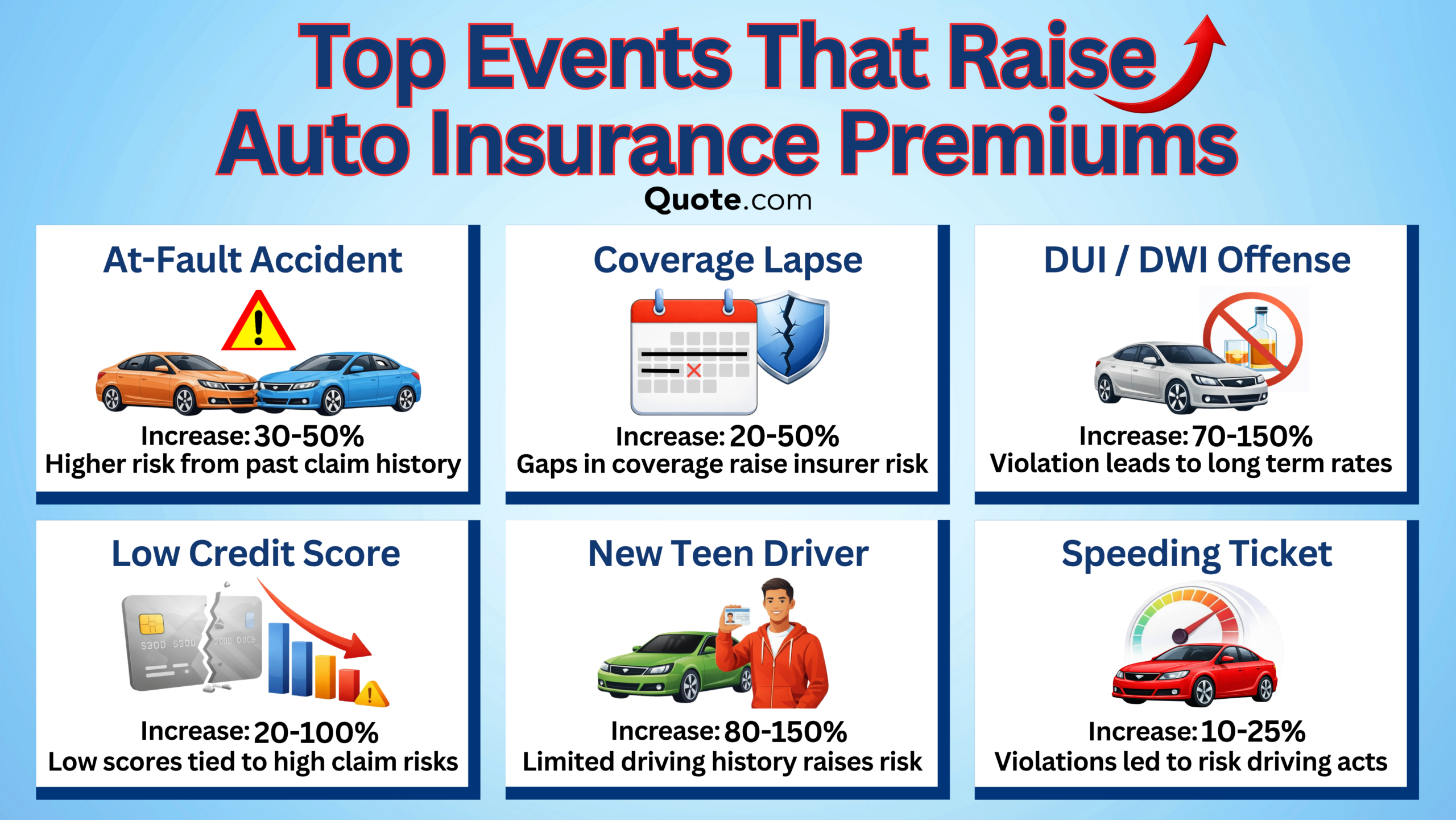
When a driver is involved in an at-fault accident, the insurer typically re-rates the policy based on a lowered driving grade. In Ontario, this can lead to premium increases of 15% to 50% for several years. An Accident Forgiveness endorsement acts as a shield. If you have this protection, the insurer agrees to "forgive" the first at-fault accident, treating your record as if the accident never occurred for the purpose of calculating your premium.
However, it is vital to understand that this protection is carrier-specific. While your current insurer will not raise your rates, the accident is still recorded on your Autoplus report (the centralized database for Ontario drivers). If you attempt to switch to a different insurance company, that new company will see the accident and price your policy accordingly. In 2026, this "portability gap" remains a critical factor for Ontario motorists to consider before changing providers.
The Role of Minor Accident Protection
Beyond major collisions, some Ontario insurers now offer protection for minor fender-benders. In 2026, several carriers have adopted a "Minor Accident Protection" clause, which ensures that claims under a certain threshold (typically $2,000 to $5,000, depending on the carrier) do not impact the driver’s rating, even without a formal Accident Forgiveness endorsement. This is particularly relevant given the rising costs of vehicle repairs due to advanced driver-assistance systems (ADAS) and sensor-heavy bumpers.
Top Providers for Premium Protection in 2026
Evaluating the "best" protection requires looking at eligibility, cost-of-endorsement, and the breadth of the shield provided. As of 2026, the following carriers lead the Ontario market in premium stability features.
1. Intact Insurance: The "My Drive" Integration
Intact remains a dominant force in Ontario, offering robust Accident Forgiveness. In 2026, they have further integrated this protection with their "My Drive" telematics program. Drivers who maintain high safety scores through the app can often earn Accident Forgiveness as a loyalty perk rather than a paid add-on. Their protection covers not just the primary driver but can often be extended to secondary drivers (like students) under the same household policy.
2. CAA Insurance: Value-Driven Safeguards
CAA is frequently cited as a top contender for the best auto insurance in Ontario due to its unique "Pay as You Drive" models and consumer-friendly endorsements. Their premium protection is highly rated for its transparency. Unlike some competitors that have strict "zero-claim" requirements for a full decade, CAA often offers Accident Forgiveness to drivers who have been licensed and accident-free for at least six years.
3. Aviva Ontario: Comprehensive Endorsement Suites
Aviva has gained traction in 2026 by offering a bundled approach. Their "Protect" suite includes both Accident Forgiveness and a "Disappearing Deductible" feature. This means that for every year you drive safely, your deductible decreases, effectively protecting your out-of-pocket costs while simultaneously shielding your premium from the first at-fault event.
Regulatory Framework: FSRA and the 2024-2025 Reforms
To understand why Ontario offers some of the most sophisticated premium protection in the world, one must look at the regulatory changes implemented by the Financial Services Regulatory Authority of Ontario (FSRA). Following the reforms of 2024 and 2025, Ontario moved toward a "choice-based" model for certain benefits.
Direct Compensation - Property Damage (DCPD) Opt-Out
A major shift that finalized in 2025 was the ability for drivers to opt out of DCPD coverage. While this can lower premiums for those driving older vehicles with low resale value, it essentially removes a layer of protection. Most experts in 2026 advise against opting out if you are seeking "premium protection," as the lack of DCPD coverage can lead to massive out-of-pocket expenses in accidents where you are not at fault.
Standardized Rating Rules
FSRA mandates that all insurers in Ontario follow strict guidelines regarding how they file their rates. This ensures that while premium protection exists, it cannot be used as a deceptive marketing tool. If a company offers "Rating Protection," the terms must be clearly defined in the policy wording approved by the regulator.
Eligibility and Requirements for Protection
Premium protection is not available to everyone. It is a reward for a history of safe driving. In 2026, the standard eligibility criteria in Ontario generally include:
- License History: Most insurers require a minimum of 6 to 10 years of continuous licensing in Canada or the US.
- Clean Record: You must typically have zero at-fault accidents within the last 6 years. Some "elite" tiers require 10 years.
- Conviction History: While minor speeding tickets might be overlooked by some carriers, major convictions (like DUI or stunt driving) will immediately disqualify a driver from premium protection endorsements.
- Policy Standing: The endorsement must be added before an accident occurs. You cannot retroactively protect a premium after a collision has been reported.
Comparing Premium Protection Features (2026 Data)
The following table compares the typical features of premium protection endorsements across major Ontario insurance segments.
| Feature | Standard Accident Forgiveness | "Elite" Rating Protection | Telematics-Based Protection |
|---|---|---|---|
| Eligibility | 6 years accident-free | 10+ years accident-free | Continuous high safety score |
| Cost | $50 – $100 per year | Often included in "Gold" plans | Usually free/earned |
| Portability | Non-portable (stays with insurer) | Non-portable | Non-portable |
| Scope | Covers 1st at-fault accident | May cover 1st and 2nd accidents | Covers 1st at-fault accident |
| Secondary Drivers | Usually excluded unless named | Sometimes included | Strictly monitored via app |
| Minor Convictions | Protected by some (Optional) | Often includes 1 minor ticket | Rate increase for any ticket |
Financial Analysis: Is the Protection Worth the Cost?
In 2026, the average cost of an Accident Forgiveness endorsement in Ontario ranges from $60 to $120 per year. To determine its value, one must weigh this against the potential cost of an at-fault accident.
If an average Ontario driver pays $2,000 annually for insurance, a 30% surcharge following an at-fault accident would increase the premium by $600 per year. Since at-fault accidents stay on your record for six years, the total cost of that single mistake could be $3,600. In this scenario, paying $80 a year for protection is a highly rational financial decision. It effectively acts as "insurance for your insurance."
However, for high-risk drivers who already pay significantly elevated rates, these endorsements are rarely offered. The "best" protection in the world is only accessible to those who have already demonstrated a commitment to road safety.
Common Pitfalls and Limitations
Even the best premium protection in Ontario has "fine print" that can catch drivers off guard.
- The One-and-Done Rule: In almost all cases, Accident Forgiveness only applies to the first accident. If you have a second at-fault accident within a certain window (usually 3 to 6 years), your rates will skyrocket as both accidents may then be used to calculate your new high-risk premium.
- Convictions vs. Accidents: Accident Forgiveness does not protect you from rate increases due to traffic tickets. If you get a "Careless Driving" charge during your accident, your premium will still rise because of the conviction, even if the "accident" portion is forgiven.
- Mandatory Reporting: You must still report the accident to your insurer. Failure to report a collision—even if you have protection—can lead to policy cancellation for non-disclosure.
- Company Changes: As mentioned previously, if your current insurer is no longer competitive in price, you are "locked in" to them if you want to keep your forgiven accident hidden from your premium calculation.
Frequently Asked Questions
Does Ontario's premium protection cover me if I'm driving a rental car?
Yes, in most cases, if you have the OPCF 27 endorsement (Liability for Damage to Non-Owned Automobiles) alongside your Accident Forgiveness, the protection extends to accidents involving rental vehicles within Canada and the US. However, you should confirm with your broker that your specific "forgiveness" clause applies to non-owned vehicles.
Can I transfer my Accident Forgiveness from one insurance company to another?
No. In 2026, Accident Forgiveness remains a loyalty-based product tied to the specific insurer. If you switch companies, the new insurer will look at your actual claim history on the Autoplus report. They will see the at-fault accident and charge you for it, regardless of whether your previous company "forgave" it.
Does premium protection prevent my deductible from increasing?
Not necessarily. Premium protection specifically targets your base rate (the premium). Your deductible is a separate policy component. However, some "premium" packages (like those from Aviva or Intact) combine Accident Forgiveness with "Deductible Protection" or "Disappearing Deductibles," which can reduce or waive your out-of-pocket costs.
If I have premium protection, do I still need to report a minor scrape?
Yes. Under the Ontario Automobile Policy (OAP 1), you are required to report any incident that could lead to a claim. Even if you don't intend to use your Accident Forgiveness for a small scrape, if the other party involved decides to file a claim later, your failure to report the incident could jeopardize your coverage.
Does the "Protection" apply to all drivers on my policy?
This depends on the carrier. Some insurers apply the protection to the policy as a whole (protecting the first accident caused by anyone on the policy), while others assign it to a specific driver. In 2026, it is common for families with young drivers to purchase protection specifically for the highest-risk individuals on the policy.
Final Recommendation: Securing Your Financial Future
For Ontario drivers in 2026, the path to the best premium protection starts with a clean driving record and a proactive conversation with a licensed insurance broker. While Accident Forgiveness is the "gold standard" for rating protection, it should be viewed as part of a broader strategy that includes maintaining a high telematics score and choosing a carrier with a history of rate stability.
If you have at least six years of clean driving history, adding an Accident Forgiveness endorsement is highly recommended. The relatively low annual cost provides a massive financial buffer against the high surcharges typical of the Ontario market. Always ensure you receive a written summary of the "forgiveness" terms, specifically noting how long you must remain accident-free to "reset" the protection after a claim is made.
Image Gallery