Understanding and Treating New Blackheads: A 2026 Clinical Guide
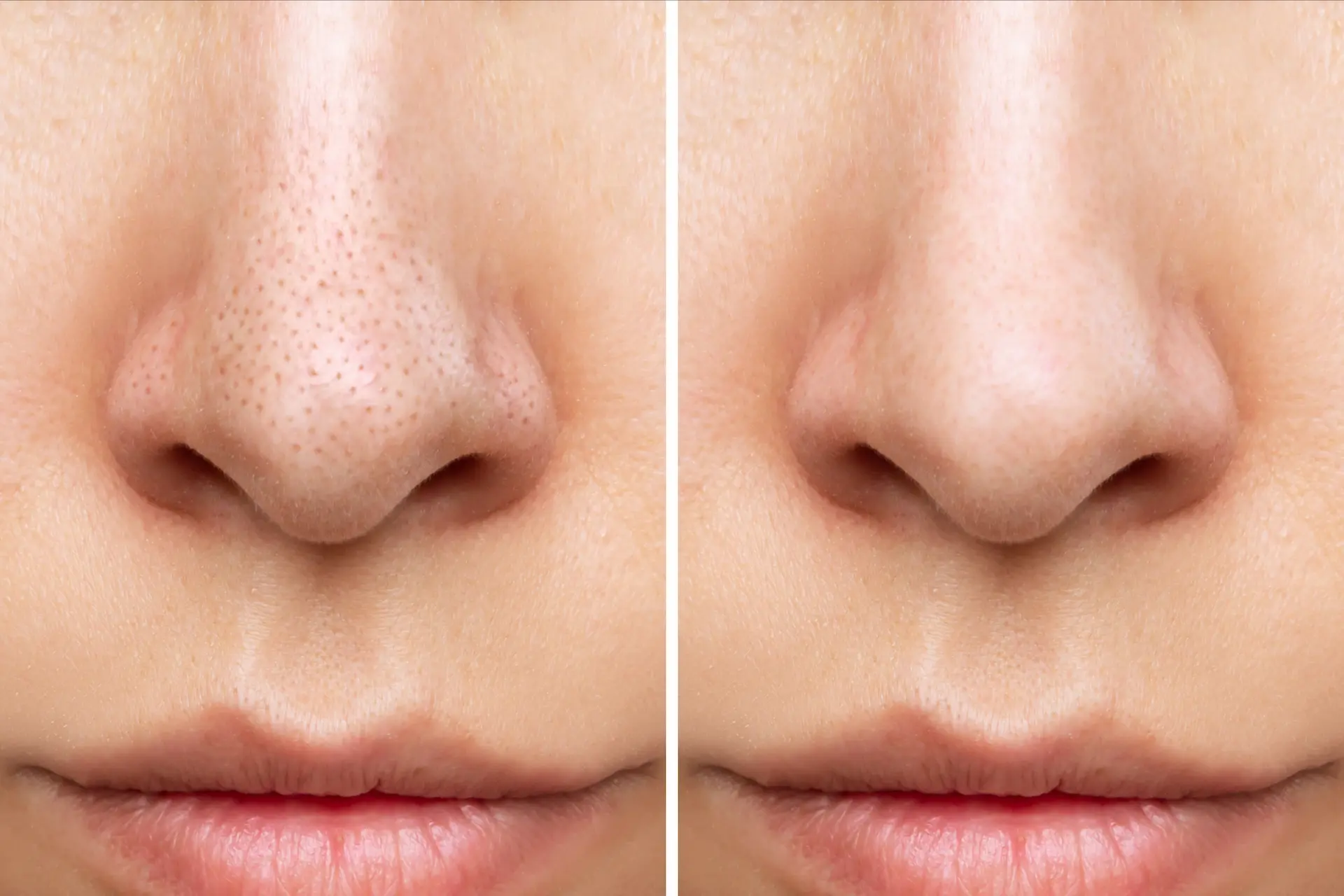
New blackheads, medically known as open comedones, occur when hair follicles become clogged with a combination of excess sebum and dead skin cells. Exposure to air causes the top of the plug to oxidize, resulting in the characteristic...
New blackheads, medically known as open comedones, occur when hair follicles become clogged with a combination of excess sebum and dead skin cells. Exposure to air causes the top of the plug to oxidize, resulting in the characteristic dark appearance. Effective management in 2026 relies on targeted topical therapies, consistent chemical exfoliation, and the elimination of pore-clogging ingredients.
Contents
The Pathophysiology of Open Comedones
Blackheads are a form of non-inflammatory acne. Unlike closed comedones (whiteheads), where the follicle opening remains blocked, an open comedone allows the keratin and lipid plug to reach the surface. The darkness is not a result of "dirt," but rather the chemical oxidation of melanin within the sebum when it contacts oxygen.
Understanding this process is critical for selecting the right treatment. Because the pore remains open, traditional surface cleansing is insufficient to resolve the deep-seated blockage. You must address the follicular lining to prevent the cycle of impaction from repeating.
Core Drivers of Persistent Comedone Formation
The appearance of new blackheads often signals a shift in hormonal activity, skin surface microbiome, or external product interaction. Common contributors include:
- Hyperkeratinization: The skin produces too many dead cells, which fail to shed properly and instead stick to the inside of the follicle.
- Seborrhea: Overactive sebaceous glands produce an excess of sebum, providing the "glue" that binds dead skin cells into a solid plug.
- Comedogenic Products: Heavy oils, silicones, or specific fatty acids in moisturizers and sunscreens can infiltrate the pore, aggravating existing clogs.
- Hormonal Fluctuations: Androgens stimulate sebaceous glands, which is why blackheads often flare during specific life stages or cycles.
Evidence-Based Topical Treatments in 2026
Modern dermatological standards prioritize ingredients that promote cell turnover and dissolve the impaction at its source. Incorporating these actives requires a gradual introduction to avoid the compromised skin barrier often seen with "over-treatment."
| Ingredient Category | Primary Function | Ideal Frequency | 2026 Standard |
|---|---|---|---|
| Retinoids | Accelerate cell turnover | Nightly | Adapalene 0.1% or Tretinoin |
| Salicylic Acid (BHA) | Lipophilic pore exfoliation | 2-3 times per week | 2% concentration |
| Azelaic Acid | Anti-inflammatory/Keratolytic | Daily | 10% - 15% concentration |
| Niacinamide | Sebum regulation | Morning/Evening | 5% formulation |
The Role of Retinoids
Retinoids are the gold standard for long-term blackhead prevention. By normalizing the desquamation process, they prevent dead cells from clumping together inside the pore. In 2026, many experts suggest starting with a pea-sized amount of Adapalene, which is available over-the-counter and specifically targets the pathways leading to comedone formation.
Targeted Exfoliation with Beta-Hydroxy Acids
Salicylic acid is unique because it is oil-soluble. While Alpha-Hydroxy Acids (AHAs) work on the skin's surface, Salicylic acid penetrates deep into the follicle to dissolve the plug. Using a BHA treatment after cleansing can help loosen stubborn material, making subsequent extraction or natural shedding more efficient.
Professional Extraction and Clinical Procedures
When topical treatments fail to clear deeply embedded or chronic blackheads, professional intervention is recommended to avoid permanent pore stretching or scarring.
Professional Extraction Safety Manual extraction should only be performed by a licensed esthetician or dermatologist using sterile equipment. Attempting to squeeze blackheads at home with fingers often leads to localized tissue trauma, bacterial introduction (Propionibacterium acnes), and potential permanent scarring or post-inflammatory hyperpigmentation.
Clinical options in 2026 include:
- Chemical Peels: Using Glycolic or Salicylic acid solutions to exfoliate the entire surface area.
- Hydrafacials: A vacuum-based technology that simultaneously clears pores and infuses hydration.
- Laser Resurfacing: Targeting the sebaceous gland activity to reduce oil production over time.
Establishing a Preventive Maintenance Routine
An effective routine focuses on consistency rather than intensity. Using harsh scrubs or high-strength treatments daily often damages the lipid barrier, forcing the skin to produce more oil to compensate, which paradoxically leads to more blackheads.
- Step 1: Double Cleansing: Use an oil-based cleanser as your first step to dissolve sebum and sunscreen, followed by a gentle, pH-balanced water-based cleanser.
- Step 2: Treatment Phase: Apply your retinoid or BHA treatment to dry, clean skin.
- Step 3: Hydration: Use a lightweight, non-comedogenic moisturizer to maintain the skin barrier.
- Step 4: Sun Protection: UV radiation can oxidize sebum and irritate the skin, worsening pore health. Use a broad-spectrum SPF 30+ daily.
Common Myths vs. Scientific Reality
Many misconceptions persist regarding the treatment of blackheads. Distinguishing between marketing claims and dermatological facts is essential for success.
- Myth: Pore strips permanently remove blackheads. Reality: They only remove the very top layer of the oxidation and can cause capillary damage or irritation.
- Myth: Blackheads are caused by poor hygiene. Reality: They are caused by internal physiological processes and external product choices, not by "dirt."
- Myth: You can "shrink" your pores. Reality: Pore size is genetically determined. You can, however, make them appear smaller by keeping them clear of debris.
Frequently Asked Questions
Can diet cause new blackheads? For some individuals, high-glycemic index foods and dairy intake may correlate with increased sebum production. While not a universal trigger, shifting to a low-glycemic diet can improve skin texture for those with hormone-responsive acne.
Why do my blackheads return after treatment? Blackheads are a chronic condition rather than a temporary infection. Once you stop the active ingredients that regulate your cell turnover and sebum production, the skin will revert to its natural, clogged state. Consistent maintenance is required.
Is it safe to use physical scrubs for blackheads? Physical scrubs often cause micro-tears in the skin and do not penetrate the pore to address the root of the blockage. Chemical exfoliants like BHA are significantly more effective and safer for long-term use.
How long does it take to see results? Skin cell turnover takes approximately 28 days. While some superficial improvements may appear within a week, significant clearing of comedones typically requires 8 to 12 weeks of consistent application of retinoids or chemical exfoliants.
When should I see a dermatologist? If your blackheads are accompanied by painful cysts, nodules, or signs of scarring, you should consult a dermatologist. You may require prescription-strength retinoids (like Tretinoin) or oral medications to manage deeper issues.
Final Recommendations for Skin Health
The path to clear skin in 2026 is paved with patience and clinical-grade ingredients. Avoid the temptation to over-exfoliate, as this compromises the skin’s protective barrier. Focus on a simple, consistent regimen involving a reliable retinoid, proper daily sun protection, and non-comedogenic hydration. If your specific condition remains unresponsive to these measures, consult a dermatology professional to discuss medical-grade chemical peels or advanced light-based therapies.
Image Gallery