CarGurus Buying and Selling Guide: How Instant Market Value and Platform Tools Work in 2026
CarGurus (often searched as "gurus car") is a leading digital automotive marketplace that uses complex data algorithms to evaluate used car listings. By analyzing historic sales data, mileage, trim, condition, and local market trends,...
CarGurus (often searched as "gurus car") is a leading digital automotive marketplace that uses complex data algorithms to evaluate used car listings. By analyzing historic sales data, mileage, trim, condition, and local market trends, CarGurus calculates an Instant Market Value (IMV) to assign transparent deal ratings—ranging from Great Deal to Overpriced—for buyers and sellers.
Contents
How CarGurus Evaluates Vehicle Prices: The Instant Market Value Engine
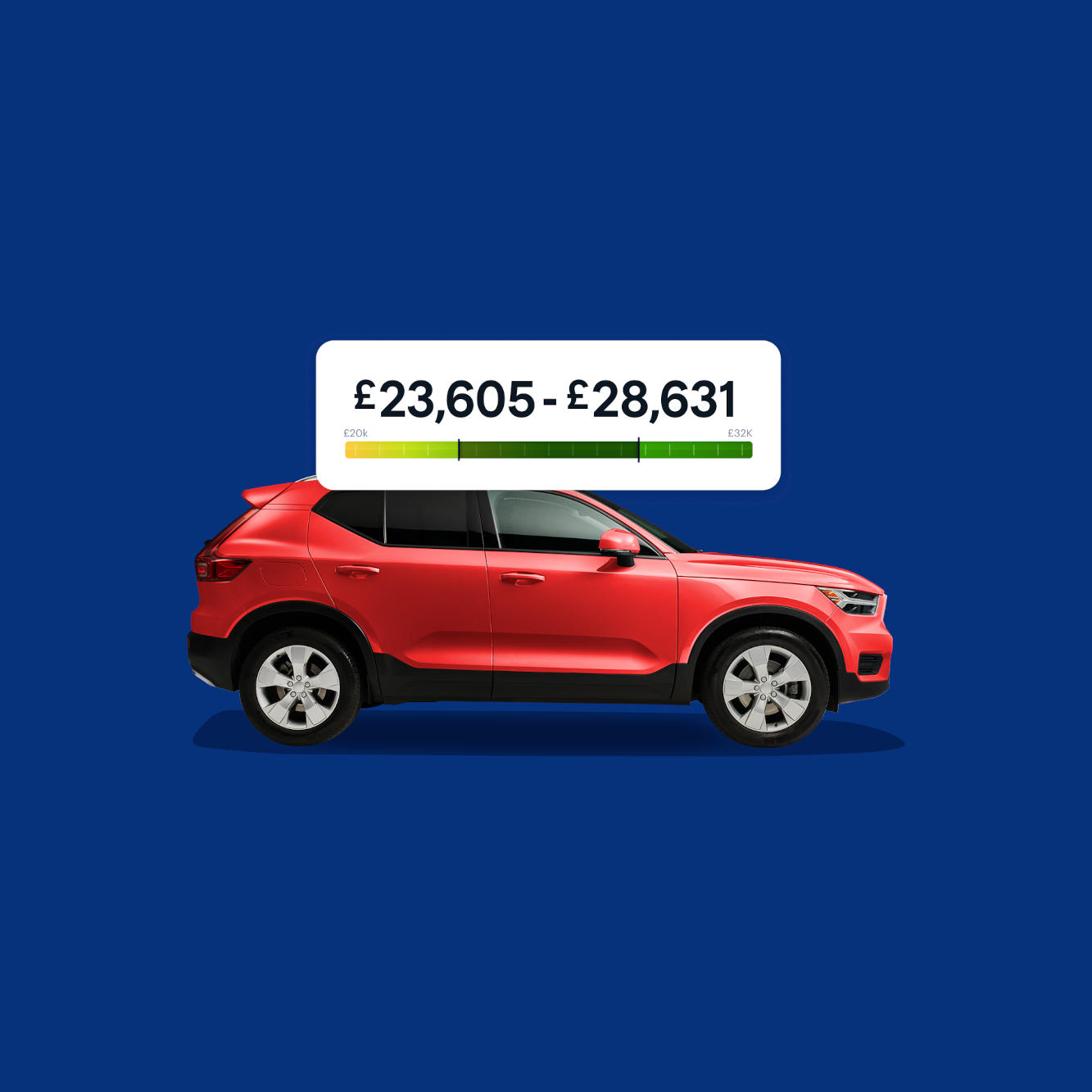
At the core of the CarGurus platform is its proprietary pricing model known as Instant Market Value (IMV). Unlike traditional valuation books that update periodically based on survey data, IMV dynamically recalibrates daily using real-time retail listing data, historical transaction figures, regional market conditions, and specific vehicle attributes.
Core Variables in the IMV Calculation
- Vehicle Identification Number (VIN) Decoding: The algorithm reads exact factory specifications, including engine size, drivetrain (AWD vs. FWD), package upgrades, and safety technology, avoiding price skewing caused by generic trim classifications.
- Geographic Localization: Used car prices fluctuate significantly by ZIP code due to climate, local supply, and demand. A four-wheel-drive SUV commands a higher IMV baseline in snowbelt states than in sunbelt markets.
- Depreciation and Mileage Scaling: CarGurus applies non-linear depreciation curves tailored to specific makes and models. The algorithm penalizes excessive mileage more heavily on luxury European sedans than on high-reliability Japanese compacts.
- Historical Price Drops and Market Duration: The system tracks how long a vehicle has remained unsold and monitors progressive dealer price adjustments to determine real market velocity.
IMV Deal Rating Scale: - Great Deal: Listed significantly below current market value based on algorithm benchmarks. - Good Deal: Listed slightly below market value; competitive pricing. - Fair Deal: Listed at standard market value. - High Price: Listed moderately above market value based on comparable listings. - Overpriced: Listed substantially higher than localized market data justifies.
The platform displays these deal ratings transparently on every listing, ordering search results by a combination of price fairness and dealer reputation rather than paying top-bidder sponsorships alone.
Navigating the Buying Process on CarGurus
Buying a pre-owned or new vehicle on CarGurus requires strategic filtering to filter out hidden reconditioning fees, title defects, or non-certified listings.
Step 1: Optimizing Search Filters for Accurate Results
Standard search queries often return hundreds of local results. To isolate high-value vehicles, buyers should configure advanced filters:
- Filter by Deal Rating: Select Great Deal and Good Deal to eliminate overpriced inventory immediately.
- History Flags: Select No Accidents Reported and Single Owner to minimize potential mechanical risks.
- Days on Market (DOM): Vehicles listed for more than 40 days often offer stronger negotiation leverage.
- Delivery vs. Local Pickup: Specify your maximum search radius or toggle Nationwide Shipping if you are open to buying out-of-state via digital signing services.
Step 2: Analyzing the Vehicle History and Price Trends
Before contacting a dealership, inspect the integrated vehicle history snapshot directly on the listing page. CarGurus synthesizes records from major providers (such as AutoCheck or Carfax) to display critical history alerts:
Important Listing Verification Check whether the vehicle carries a clean title or if it has been marked as salvage, rebuilt, lemon-law buyback, or flood-damaged. A salvage title typically reduces a vehicle's market value by 40% to 50%, regardless of how clean the physical car appears.
Additionally, examine the Price History Chart visible on the vehicle detail page. If a dealer has repeatedly reduced the price over 60 days, it signals an urgency to sell, providing a clear opportunity to submit a firm, competitive offer.
Step 3: Financing and Prequalification
CarGurus offers prequalification engines that allow shoppers to submit financial profiles without triggering a hard inquiry on their credit reports.
- Direct Dealer Financing: Prequalifying on the platform lets buyers compare prospective monthly payments and Interest Rates (APR) across participating lenders before stepping foot on the dealership lot.
- Outside Lenders: Buyers can elect to bring third-party pre-approvals from credit unions or commercial banks, utilizing CarGurus' estimated out-of-the-door price calculations (including estimated local sales tax and title fees) to secure funding.
Selling Your Vehicle: Trade-In vs. Digital Private Purchase
CarGurus provides two primary avenues for consumers looking to offload their current vehicle: an automated Instant Cash Offer (backed by a wholesale dealership acquisition network) and a Private Sale Listing.
Selling Methods Comparison: - Instant Cash Offer: Fast transaction, 100% online, guaranteed funds within 48 hours, lower net payout. - Private Sale: Manual listing, direct buyer interaction, potential for 10% to 20% higher return, higher effort/time commitment.
Option A: CarGurus Instant Cash Offer
The Instant Cash Offer mechanism operates by querying an automated dealer bidding engine.
- VIN and Condition Entry: The seller inputs the VIN, exact mileage, color, current mechanical state, and detailed exterior damage (scratches, dents, tire wear).
- Offer Generation: CarGurus generates an aggregated cash offer based on regional wholesale auction values and immediate dealer buy-specifications.
- Inspection and Pick-up: If accepted, an authorized representative inspects the vehicle at the seller's home or a designated partner location to verify condition disclosures.
- Payout: Funds are disbursed electronically via direct deposit or corporate check upon title transfer.
Option B: Listing as a Private Seller
For sellers prioritized on maximizing cash return, listing directly on the platform exposes the vehicle to millions of monthly shoppers.
- Digital Private Purchase Protections: CarGurus facilitates secure payment processing, identity verification, and optional lien-payoff assistance, protecting sellers from common peer-to-peer fraudulent check scams.
- Documentation Setup: Prepare the vehicle's title, lien release documents (if financed), complete maintenance records, and a formal Bill of Sale compliant with local state Department of Motor Vehicles (DMV) regulations.
Comparing CarGurus to Top Automotive Shopping Platforms
Selecting the appropriate automotive research platform depends on whether a consumer prioritizes algorithmic transparency, direct home delivery, or local private-party browsing.
| Platform Feature / Metric | CarGurus | AutoTrader | Edmunds | Carvana | Kelley Blue Book (KBB) |
|---|---|---|---|---|---|
| Primary Pricing Engine | Instant Market Value (IMV) | Fair Market Range | Suggested Price / True Market Value | Fixed Proprietary Retail | KBB Fair Purchase Price |
| Deal Transparency Rating | Yes (5-tier scale) | Yes (3-tier scale) | Yes (Fair/Good/Great) | No (Fixed No-Haggle) | Yes (Fair Price Range) |
| Private Seller Listings | Supported | Supported | Limited / Redirects | Not Supported | Direct Offers Only |
| Direct Instant Cash Offer | Yes | Yes (via KBB network) | Yes | Yes | Yes |
| Listing Search Order Default | Best Deal + Dealer Rating | Sponsored / Distance | Best Match / Price | Featured Inventory | Featured Listings |
| Dealer Fee Disclosures | High (Shows DOM & drops) | Moderate | Moderate | Included in fixed price | Informational only |
Avoiding Common Red Flags and Hidden Costs
While CarGurus provides transparent pricing data, buyers must remain vigilant regarding third-party dealer practices and inventory discrepancies.
Unlisted Dealer Fees (Doc Fees and Accessories)
The price calculated by CarGurus' IMV algorithm represents the vehicle sale price and generally excludes local taxes, registration fees, and mandatory dealer documentation fees (doc fees).
- Documentation Fees: Vary wildly by region, ranging from $100 in states with strict legal caps to over $1,000 in unregulated markets.
- Mandatory Add-Ons: Some low-rated dealerships list vehicles drastically below market value to rank high on CarGurus' "Great Deal" filter, only to add non-negotiable fees for items like fabric protection, GPS trackers, or nitrogen-filled tires upon arrival.
Buyer Verification Checklist Before visiting a dealership for a vehicle flagged as a "Great Deal," request an itemized Out-of-Door (OTD) Price Sheet in writing. Compare the baseline vehicle cost on the OTD sheet against the price shown on CarGurus to ensure hidden fees have not invalidated the deal rating.
Verifying Vehicle History vs. Physical Condition
An IMV score assumes a vehicle is in standard operational condition for its age and mileage. It cannot detect unrecorded accidents, deferred maintenance, frame rust, or active mechanical faults.
- Verify Recall Status: Check the vehicle's VIN through the official National Highway Traffic Safety Administration (NHTSA) Recall Database to ensure all safety recalls have been addressed by a franchised dealership.
- Order an Independent Pre-Purchase Inspection (PPI): Hire a certified mobile mechanic to conduct a comprehensive mechanical inspection, compression check, and computerized diagnostic scan before finalizing payment.
Practical Recommendations for Car Buyers and Sellers
For Buyers
- Focus on Days on Market (DOM): Target vehicles that have been listed for 45 days or longer. Dealers pay monthly floor-plan interest on unsold inventory and are far more receptive to aggressive counter-offers on older listings.
- Cross-Reference Valuations: Compare CarGurus' IMV with independent consumer platforms like Edmunds and the Federal Trade Commission (FTC) Used Car Guide to ensure regional consistency.
- Inspect Dealer Reputation Scores: Do not buy based on price alone. Filter search results to prioritize dealers maintaining at least a 4.0 out of 5.0-star rating across verified buyer reviews.
For Sellers
- Clean and Detail Prior to Photos: High-resolution, well-lit photos of a clean interior and exterior significantly improve click-through rates on private listings.
- Set Competitive Pricing: Price private listings within the lower boundary of the "Good Deal" range to attract serious buyers while preserving room for negotiation.
- Complete Lien Payoffs Early: If your vehicle has an outstanding loan balance, contact your lender to obtain an official 10-day payoff quote to streamline title transfers during the sale.
Frequently Asked Questions
How accurate is the CarGurus Instant Market Value (IMV)?
The Instant Market Value (IMV) is highly accurate for mainstream vehicles because it recalibrates daily using millions of active and historic listings. However, its accuracy decreases for rare collector cars, heavily modified vehicles, or classic models where standardized market data is limited.
Does CarGurus charge fees to buy or sell a car?
Browsing, contacting dealers, and buying cars on CarGurus is free for consumers. For private sellers, CarGurus offers basic listing options and direct sale options; standard transaction processing fees or instant offer administrative fees may apply depending on the sale method chosen.
Can you negotiate prices listed on CarGurus?
Yes, listed prices at traditional dealerships are negotiable unless explicitly tagged as a "No-Haggle" dealership. Buyers can use price history graphs, Days on Market metrics, and comparable regional listings found on CarGurus as empirical leverage during negotiations.
What is the difference between a CarGurus Instant Offer and a private listing?
A CarGurus Instant Offer provides a guaranteed, direct cash purchase from an authorized dealer network with minimal effort and quick payment. A private listing allows you to set your own price and sell directly to another consumer, which typically yields a higher price but requires manual management of test drives, inquiries, and title paperwork.
How does CarGurus verify dealer transparency?
CarGurus aggregates verified customer reviews, tracks dealer price changes, monitors historical listing practices, and correlates listed prices against average market rates. Dealerships that consistently add hidden fees or engage in deceptive pricing risk negative buyer reviews and lower ranking placement in default search results.
Ready to find your next vehicle or sell your current car? Utilize the data-driven pricing models on CarGurus to search local listings, obtain an Instant Cash Offer, or compare vehicle history reports before making your move.
Image Gallery