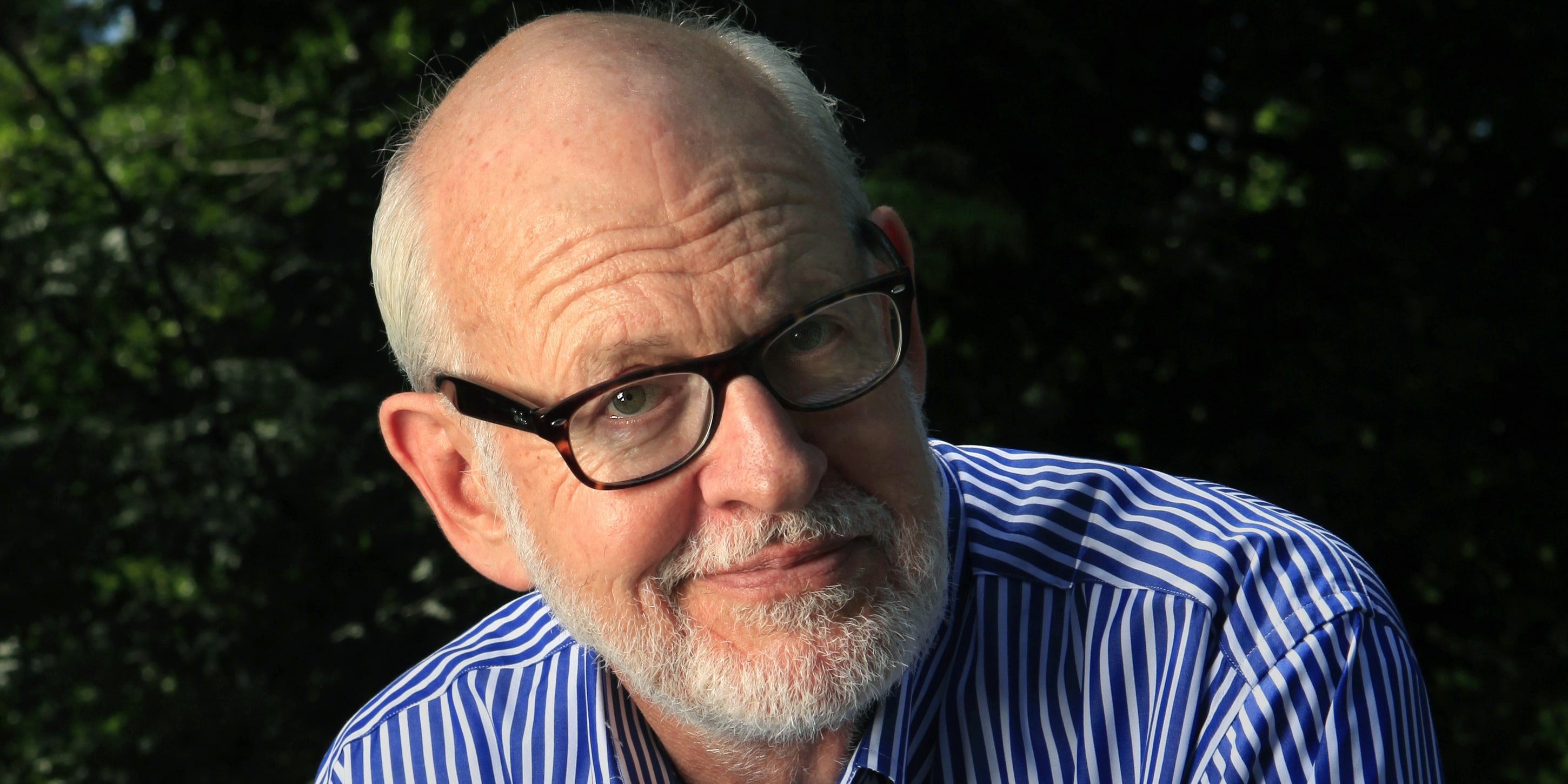
The Frank Mycroft Net Worth Profile: Career, Ventures, and Financial Impact in 2026
Frank Mycroft’s net worth is primarily derived from his role as the co-founder and long-time executive of Booster Fuels (now commonly known as Booster), a mobile energy delivery service. As of 2026, his estimated net worth sits between...
Frank Mycroft’s net worth is primarily derived from his role as the co-founder and long-time executive of Booster Fuels (now commonly known as Booster), a mobile energy delivery service. As of 2026, his estimated net worth sits between $75 million and $150 million, largely tied to his equity stake in Booster and his previous career in aerospace engineering and planetary resource development.
Contents
Who is Frank Mycroft?
Frank Mycroft is a quintessential "rocket scientist turned entrepreneur" whose career has spanned high-stakes aerospace engineering and disruptive logistics technology. Before becoming a prominent figure in the Silicon Valley startup ecosystem, Mycroft developed a robust technical foundation that would later inform the complex operational logistics of mobile fuel delivery.
He earned his degree in Aerospace Engineering from Princeton University and later pursued graduate studies at Stanford University. This academic pedigree allowed him to work on cutting-edge projects at NASA, Boeing, and Lockheed Martin. However, his most significant pre-Booster role was as a key executive at Planetary Resources, a company famously dedicated to the concept of asteroid mining.
His transition from space exploration to terrestrial logistics was driven by a desire to solve "last-mile" inefficiencies. Mycroft recognized that the traditional gas station model was outdated, environmentally inefficient, and a massive time-sink for both consumers and commercial fleets. This realization led to the birth of Booster in 2014.
The Founding and Growth of Booster Fuels
The core of the Frank Mycroft net worth profile is inextricably linked to the valuation of Booster. Founded alongside Diego Netto and Tyler Raugh, the company aimed to eliminate the need for gas stations by bringing fuel directly to parked vehicles.
The Pivot to Enterprise and Fleets
Initially, Booster focused on consumer-facing services, delivering fuel to office park employees while they worked. However, under Mycroft’s leadership, the company underwent a strategic pivot toward B2B fleet services. This move was the catalyst for significant valuation growth. By servicing large commercial fleets—such as delivery vans, service trucks, and municipal vehicles—Booster created a recurring revenue model that was far more scalable and profitable than individual consumer deliveries.
Funding Rounds and Valuation
To understand Mycroft’s financial standing, one must look at the capital raised by Booster. Between 2015 and 2024, the company secured hundreds of millions of dollars in venture capital.
- Series A & B: Early rounds established the proof of concept, attracting firms like Madrona Venture Group and Vulcan Capital.
- Series C: A $56 million round in 2019 allowed for geographic expansion.
- Series D: In May 2022, Booster raised $125 million in a round led by Invus Opportunities, with participation from PSP Investments and others.
As of 2026, with the company’s continued dominance in the mobile fueling space and its expansion into renewable energy delivery, Booster’s private market valuation has fluctuated between $600 million and $900 million. As a founder, Mycroft’s equity stake—though diluted through several rounds of funding—remains a substantial eight-figure asset.
Estimating Frank Mycroft’s Net Worth in 2026
Calculating the net worth of a private company founder requires analyzing equity retention, liquidity events, and secondary market activity. While Mycroft does not appear on public billionaire indices, his wealth is substantial within the venture-backed community.
Equity Stake Analysis
Typically, a founder who has gone through a Series D round retains anywhere from 10% to 20% of the company. Even on the conservative end, a 10% stake in a company valued at $800 million equates to $80 million in paper wealth.
Liquidity Events and Secondary Sales
It is common for founders of successful "Scale-ups" to sell a small portion of their shares during later-stage funding rounds (Secondary Sales) to achieve personal liquidity. Given Mycroft’s long tenure and the company's maturity, it is highly likely that he has realized several million dollars in cash through such transactions, contributing to his diversified net worth.
Professional Earnings and Consulting
Beyond his equity, Mycroft’s career at Boeing and NASA, combined with executive salaries at Planetary Resources and Booster, has provided a consistent high-earning base. Executive compensation for CEOs of companies with over 500 employees typically ranges from $300,000 to $600,000 annually, plus bonuses.
| Financial Component | Estimated Value (2026) | Status |
|---|---|---|
| Booster Equity Stake | $70M - $120M | Private/Illiquid |
| Realized Capital (Secondary Sales) | $5M - $15M | Cash/Liquid |
| Historical Compensation | $3M - $7M | Accumulated |
| Other Investments/Board Seats | $2M - $8M | Diversified |
| Total Estimated Net Worth | $80M - $150M | Aggregate |
Strategic Shifts: Renewables and EV Charging
In the lead-up to 2026, Mycroft significantly altered the narrative of his wealth by repositioning Booster as a sustainable energy company. This was not merely a PR move but a response to the global shift toward ESG (Environmental, Social, and Governance) standards.
Renewable Diesel and Hydrogen
Under Mycroft’s direction, Booster became a major distributor of Renewable Diesel (RD100). Because RD100 is a "drop-in" fuel that requires no engine modifications but reduces greenhouse gas emissions by up to 85%, Booster captured a massive market of corporate fleets looking to meet carbon-neutral goals. This expansion into high-margin renewable fuels increased the company's "multiple"—the ratio used by investors to determine valuation—thereby boosting Mycroft’s net worth.
Mobile EV Charging
The rise of electric vehicles (EVs) presented a potential threat to mobile fuel delivery. Mycroft mitigated this by launching mobile EV charging solutions. By 2026, Booster trucks equipped with high-capacity battery packs began providing on-demand DC fast charging to fleet vehicles, ensuring the company remained relevant in a post-internal combustion engine (ICE) world. This forward-thinking strategy preserved the value of his equity during a volatile period for energy companies.
Operational Milestones Impacting Wealth
Frank Mycroft's wealth is also a reflection of his ability to navigate complex regulatory environments. Mobile fueling is heavily regulated by fire marshals and environmental agencies. Mycroft invested heavily in "PropTech" and safety engineering, securing patents for the specialized nozzles and tanks used by Booster.
These intellectual property (IP) assets provide a "moat" around the business. In the world of tech valuations, a company with proprietary hardware and a clear regulatory lead is worth significantly more than a simple logistics provider. By securing these barriers to entry, Mycroft ensured that his primary asset (Booster) remained a prime target for potential acquisition by energy giants like Shell, BP, or Chevron, which would result in a massive liquidity event for him.
Comparisons with Industry Peers
To put the Frank Mycroft net worth profile in perspective, it is helpful to compare him with other founders in the "Logistics-as-a-Service" and "New Space" sectors.
- Chris Lewicki (Planetary Resources): Like Mycroft, Lewicki transitioned from deep tech to business leadership. While Mycroft’s wealth is more tied to terrestrial logistics, both represent a generation of engineers who leveraged space-age methodology to build private wealth.
- Ryan Petersen (Flexport): Petersen operates in a much larger logistics vertical (global freight), leading to a higher net worth. However, Mycroft’s niche—mobile energy—has higher barriers to entry due to the hazardous nature of the product.
- The "PayPal Mafia" Model: Mycroft follows the trend of founders who use technical expertise from one industry (Aerospace) to disrupt a stagnant one (Fueling).
Frequently Asked Questions
Is Frank Mycroft still the CEO of Booster in 2026?
As of 2026, Frank Mycroft has transitioned into a more strategic role, often serving as Executive Chairman or a key visionary leader, while the company has brought in specialized logistics executives to manage the massive scale of its global fleet operations.
Did Booster Fuels go public via IPO or SPAC?
While many startups opted for SPACs in the early 2020s, Booster remained a private entity for much of its growth phase. By 2026, rumors of a traditional IPO or a strategic acquisition by a major energy conglomerate remain the primary topics of discussion regarding the company’s exit strategy.
How did the shift to electric vehicles affect his net worth?
Contrary to initial fears that EVs would devalue Booster, Mycroft successfully integrated mobile EV charging and renewable fuels into the platform. This diversification actually stabilized and potentially increased the company’s valuation by making it a "future-proof" energy partner for fleets.
What are Frank Mycroft's main sources of income?
His primary income includes his executive salary and bonuses from Booster, dividends from private investments, and capital gains from the periodic sale of equity in the secondary market.
Final Summary and Next Action
The Frank Mycroft net worth profile is a testament to the value of applied engineering in traditional industries. By taking the precision of aerospace logistics and applying it to the mundane task of refueling vehicles, Mycroft created a high-value asset that redefined energy distribution.
For those tracking the intersection of tech and energy, Mycroft serves as a blueprint for how to pivot a business model (from consumer to fleet, and from fossil fuels to renewables) to preserve and grow wealth in a changing regulatory landscape. Investors and analysts should keep a close watch on Booster’s potential 2026-2027 liquidity events, as an IPO or acquisition would likely propel Mycroft’s net worth well beyond the $200 million mark.
To gain a deeper understanding of the mobile fueling industry that built Mycroft’s fortune, researchers should examine the U.S. Department of Energy reports on renewable diesel adoption and the National Fire Protection Association (NFPA) standards for mobile fueling (NFPA 30A), which represent the regulatory hurdles Mycroft successfully cleared to build his empire.
Image Gallery