North Carolina DOC Inmate Search: Comprehensive Guide to DAC Records and Offender Locators for 2026
To perform a North Carolina inmate search, you must access the North Carolina Department of Adult Correction (DAC) Offender Public Information portal. By inputting an individual's first and last name or their unique OPUS ID number, you...
To perform a North Carolina inmate search, you must access the North Carolina Department of Adult Correction (DAC) Offender Public Information portal. By inputting an individual's first and last name or their unique OPUS ID number, you can retrieve real-time data regarding their current facility location, projected release date, and sentencing history. This search tool covers all individuals currently incarcerated in state prisons, as well as those under community supervision, such as probation or parole.
Contents
The North Carolina correctional system underwent significant structural changes leading into 2026, transitioning fully from the Department of Public Safety (DPS) oversight to a streamlined, standalone Department of Adult Correction (DAC). This reorganization has improved the transparency and accessibility of public records. Whether you are a legal professional, a victim of a crime, or a family member, understanding how to navigate the Offender Population Unified System (OPUS) is critical for obtaining accurate information.
Navigating the North Carolina Offender Public Information Portal
The primary tool for tracking individuals within the state's jurisdiction is the Offender Public Information Search. This database is a public record maintained under North Carolina General Statutes, ensuring that citizens have access to the status of those within the criminal justice system. In 2026, the interface has been optimized for both desktop and mobile transparency, allowing for faster queries.
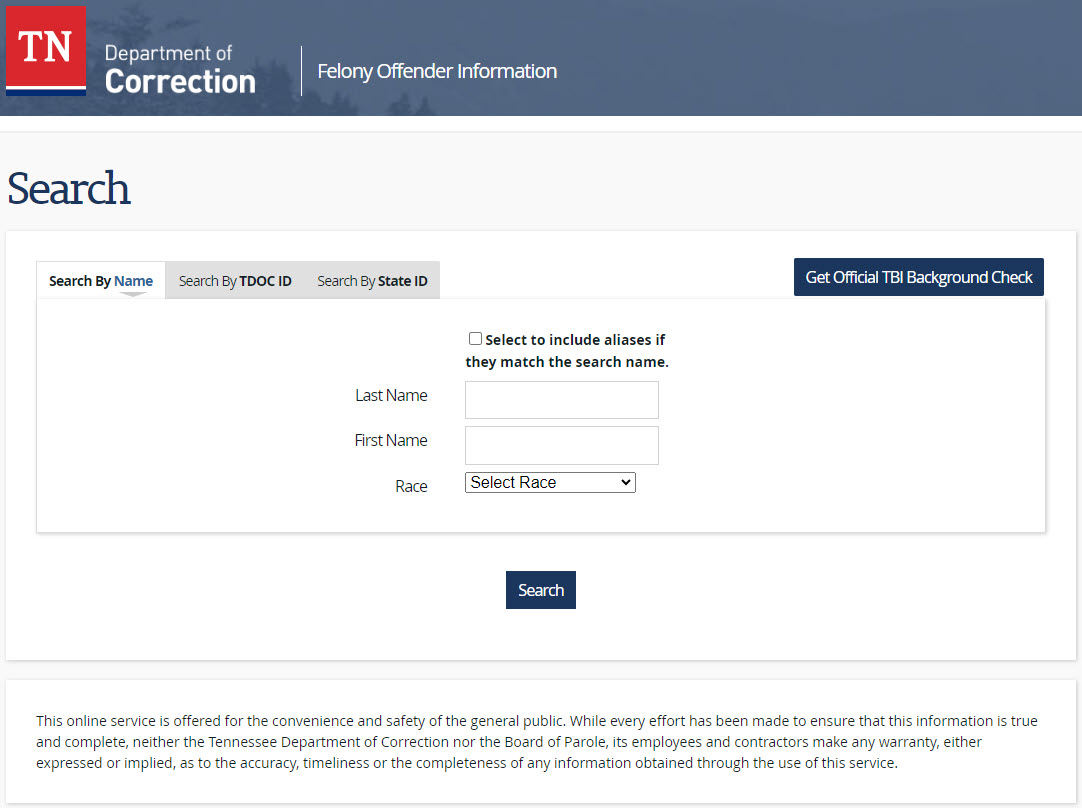
When using the portal, you are presented with several search parameters. To yield the most accurate results, it is recommended to have the offender’s full legal name. Because many individuals share common names, the system allows you to filter by:
- OPUS Number: The unique identification number assigned to an individual upon their first entry into the North Carolina prison system.
- Race and Gender: Essential filters for narrowing down results when the OPUS number is unknown.
- Birth Date: While not always mandatory, providing a birth date or an age range significantly reduces the "noise" in search results.
- Offender Status: You can choose to search for "Active" inmates, "Inactive" (those who have completed their sentences), or those on "Probation/Parole."
Understanding Search Results and Terminology
Once a search is executed, the system generates a list of matching records. Selecting a specific record opens a detailed profile. In 2026, these profiles provide a comprehensive view of the offender's journey through the NC DAC system.
Primary Data Points in an Offender Profile
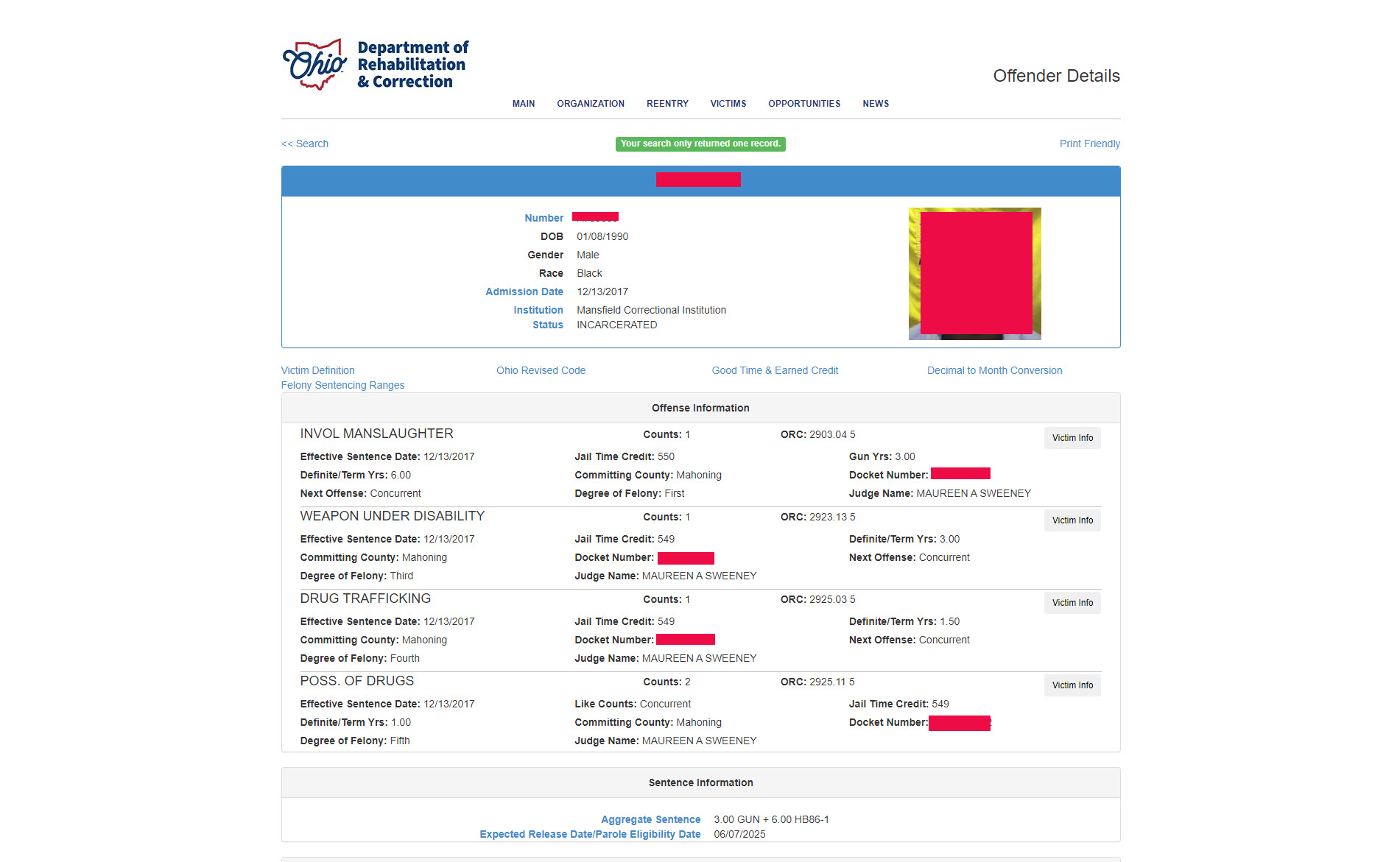
Demographic Information This section includes the legal name, aliases, physical descriptions (height, weight, scars, tattoos), and the most recent photograph taken during the intake process or annual re-classification.
Current Status and Location This indicates whether the individual is currently "Incarcerated," "Absconded," or "Released." It also lists the specific facility, such as Central Prison or a regional correctional institution.
Sentencing and Commitment Detailed records of the crimes committed, the county of conviction, and the sentence length. This includes "Structured Sentencing" details which are standard in North Carolina law.
Projected Release Dates Includes the "Minimum Release Date" and "Maximum Release Date." Note that these dates are subject to change based on "Good Time" credits, "Gain Time," or disciplinary infractions.
North Carolina Facility Classifications and Security Levels
In 2026, North Carolina operates a diverse array of facilities designed to manage different risk levels and rehabilitation needs. Understanding where an inmate is housed can provide insight into their custody level and the types of programs available to them.
| Facility Type | Security Level | Primary Function |
|---|---|---|
| Close Security | High | Houses individuals requiring the highest level of supervision; typically for violent offenses or escape risks. |
| Medium Security | Moderate | Focuses on a balance of security and rehabilitative programming; includes perimeter fencing and armed patrols. |
| Minimum Security | Low | Prepares inmates for reintegration; often involves work release programs and community service. |
| Specialized Facilities | Varies | Includes medical centers and mental health facilities for inmates with chronic conditions. |
The designation of these facilities is managed by the DAC's Diagnostic and Classification centers. Upon entry, every inmate undergoes an evaluation that determines their initial facility placement based on their crime, criminal history, and psychological profile.
How to Conduct an NC Inmate Search: A Step-by-Step Guide
Following this procedure ensures you are accessing the official state data rather than third-party sites that may charge fees or provide outdated information.
- Access the Official DAC Website: Visit the North Carolina Department of Adult Correction website and navigate to the "Offender Search" section.
- Enter Search Criteria: Input the last name followed by the first name. If you have the OPUS ID, use that exclusively as it provides a direct match.
- Filter by Status: If you are looking for someone recently arrested, ensure the "Active" status is selected. If you are researching a historical case, select "All" or "Inactive."
- Review the List: If multiple names appear, check the "Age" and "Race" columns to verify the identity.
- Access Detailed Records: Click on the OPUS ID link to view the full public record, including the inmate's current housing assignment and upcoming court dates or parole hearings.
Managing Communication and Support in 2026
Finding an inmate is often the first step in establishing communication. The North Carolina DAC uses standardized vendors for financial transactions and communication services.
Visitation Procedures
Visitation in 2026 requires an approved application on file. Potential visitors must submit an application to the specific facility where the inmate is housed. Once approved, you can schedule visits—often including video visitation options which have become standard across all North Carolina institutions to facilitate family contact regardless of geographic distance.
Sending Funds and Mail
Financial support for inmates is handled through authorized electronic platforms. These funds are used for the "Trust Fund" or "Canteen Account," allowing inmates to purchase hygiene items, snacks, and stationery.
- Electronic Funds: Deposits can be made via mobile apps or authorized kiosks.
- Mail: All mail is screened for contraband. In 2026, North Carolina has moved toward a digital mail scanning system for non-legal correspondence to enhance facility security. All personal letters are scanned and delivered to inmates via tablets or kiosks, while the originals are destroyed or returned.
Disambiguation: State Prisons vs. County Jails vs. Federal Facilities
It is a common mistake to search the NC DAC database for someone who was recently arrested and is being held in a county jail. The "doc inmate search nc" specifically targets state-level offenders.
- County Jails: Managed by the local Sheriff's Office. These facilities hold individuals awaiting trial or those serving short sentences (usually less than one year) for misdemeanor offenses. To find these individuals, you must search the specific county's "Jail Roster" or use the VINE (Victim Information and Notification Everyday) system.
- State Prisons (DAC): For individuals convicted of felonies with sentences exceeding one year. This is the primary focus of the OPUS search.
- Federal Prisons: For individuals convicted of federal crimes (e.g., drug trafficking across state lines, federal tax evasion). These inmates are tracked via the Federal Bureau of Prisons (BOP) locator, not the state DAC system.
Legal and Ethical Considerations of Public Records
The availability of inmate data is governed by North Carolina’s Public Records Law. While the information is public, it is subject to strict usage guidelines.
Important Legal Notices for 2026
Accuracy of Information While the DAC strives for 100% accuracy, there can be delays in data entry. A "Released" status may take 24–48 hours to reflect in the public portal after the physical release occurs.
Pre-Trial Status Being listed in a law enforcement database is not an admission of guilt. Individuals in county jail records are presumed innocent until proven guilty in a court of law.
Victim Rights Victims of crimes have the right to be notified of changes in an offender’s status. This is handled through the North Carolina SAVAN (Statewide Automated Victim Assistance and Notification) system, which provides automated alerts regarding releases, transfers, or escapes.
Frequently Asked Questions
How do I find an inmate's release date in North Carolina?
To find a release date, locate the offender in the DAC search portal and look for the "Projected Release Date" field. This date is an estimate based on the current sentence and applicable credits. In 2026, these dates are updated monthly to reflect any changes in "Gain Time" or disciplinary actions that might extend or shorten the stay.
What is an OPUS number, and why do I need it?
OPUS stands for Offender Population Unified System. The OPUS number is a permanent, unique identifier for anyone who enters the NC state prison system. Unlike names, which can be identical or change through legal means, the OPUS number remains constant, making it the most reliable way to track an individual over several decades.
Can I find a mugshot through the NC DOC inmate search?
Yes, most active inmate profiles include a "Most Recent Photo." These photos are public records. If a photo is not appearing, it may be due to the inmate being recently processed or undergoing a transfer where records are being updated.
How can I find out if someone is on probation in North Carolina?
The NC DAC search portal allows you to filter results by "Probation/Parole." When you search for a name, the "Status" column will indicate "Active Probation" or "Active Parole." The record will also list the county where they are being supervised and the name of their supervising officer in most instances.
Why can't I find someone who was arrested today?
If an individual was arrested within the last 24 hours, they are likely still in the custody of the local Sheriff at a county jail. The state DAC system only records those who have been sentenced to state prison or are under state supervision. Check the local county sheriff's "Current Inmates" list for recent arrests.
Troubleshooting Common Search Issues
If your search yields "No Records Found," consider the following technical adjustments:
- Check Spelling: Use partial name searches if you are unsure of the spelling (e.g., searching "Johns" for "Johnston").
- Expand the Status: If you are looking for someone who was incarcerated years ago, ensure you have selected "All" or "Inactive" in the status dropdown menu.
- Use the Soundex Feature: Some versions of the NC search portal include a phonetic search (Soundex) which helps find names that sound similar but are spelled differently.
- System Maintenance: The NC DAC databases often undergo maintenance in the late-night hours (typically between 2:00 AM and 4:00 AM EST). If the site is unresponsive, try again during standard business hours.
As of 2026, the North Carolina Department of Adult Correction remains committed to the principle of public access to information. By utilizing the official OPUS search tools and understanding the distinction between state, county, and federal jurisdictions, you can efficiently locate any individual within the North Carolina penal system and stay informed about their legal status.
Image Gallery