Physicians Mutual Life Insurance Claims Form Explained: A Step-by-Step Guide for Beneficiaries
Filing a life insurance claim with Physicians Mutual requires submitting a completed Claimant’s Statement alongside a certified death certificate and policy information. This guide explains each section of the Physicians Mutual life in...
Filing a life insurance claim with Physicians Mutual requires submitting a completed Claimant’s Statement alongside a certified death certificate and policy information. This guide explains each section of the Physicians Mutual life insurance claim form, required supporting documentation, payout options, contestability rules, and practical steps to avoid common processing delays.
Contents
Understanding the Physicians Mutual Life Claim Process
Navigating a life insurance claim during a period of bereavement can feel overwhelming. Physicians Mutual Insurance Company—headquartered in Omaha, Nebraska—manages term, whole life, guaranteed acceptance, and final expense policies. When a policyholder passes away, designated beneficiaries must formally notify the insurer, verify their identities, and submit specific legal documentation to receive the death benefit.
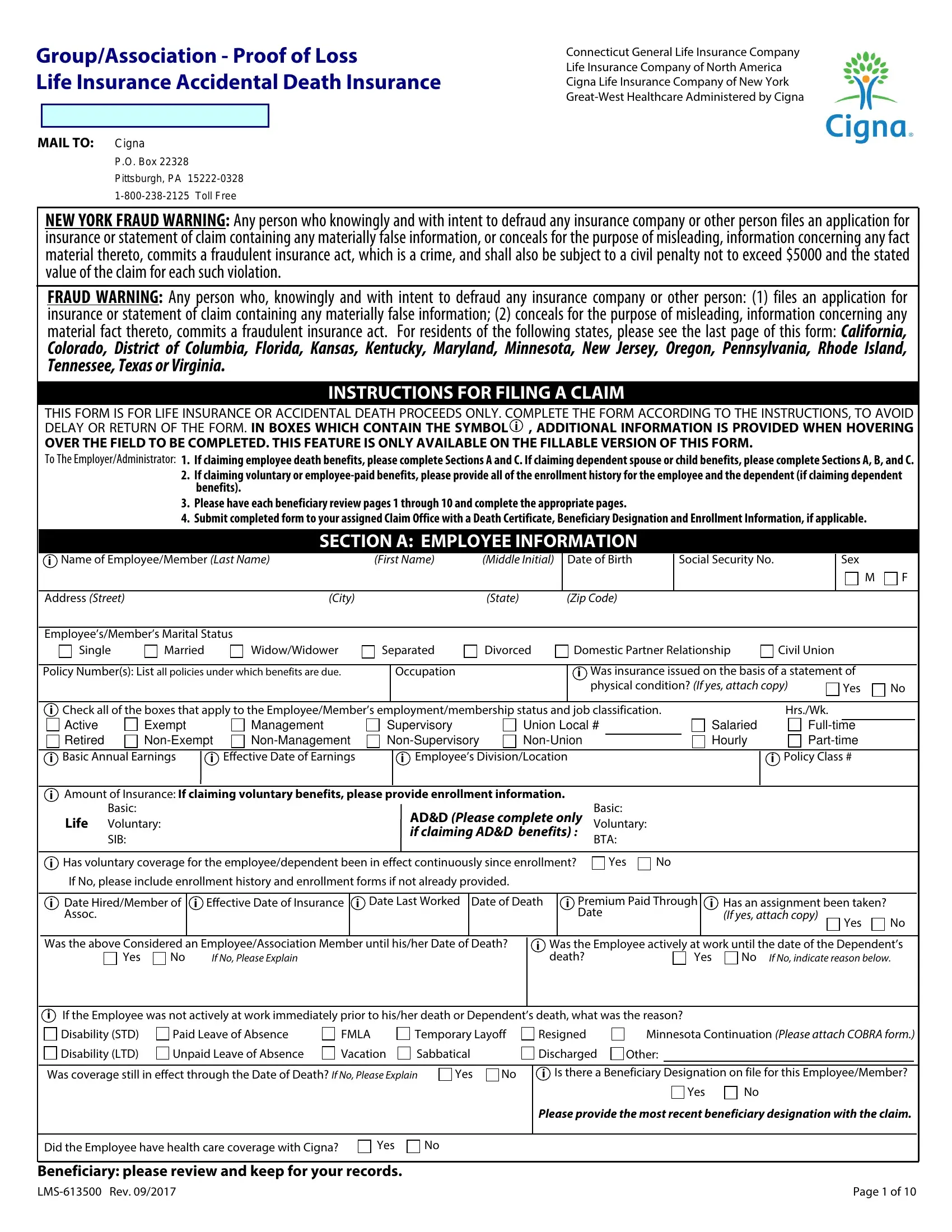
The centerpiece of this notification process is the Claimant’s Statement (commonly referred to as the life insurance claims form). This legal document establishes who is requesting the funds, verifies the deceased policyholder’s details, confirms the tax status of the payout, and directs how the funds should be distributed.
Accurate completion of this document is vital. Incomplete fields, missing signatures, or mismatched identification numbers can pause processing, leading to frustrating delays during an already difficult time.
Required Documentation Before Completing the Claim Form
Before filling out the Physicians Mutual claims form, gather all supporting documentation. Preparing these records in advance streamlines the filing procedure and prevents back-and-forth requests from claims adjusters.
Required Document Checklist:
- Completed Claimant's Statement (One per beneficiary)
- Certified Copy of the Death Certificate (With cause & manner of death)
- Policy Document / Policy Number (Or Lost Policy Statement)
- HIPAA Authorization Form (Required if death occurs within 2 years of issuance)
- Certified Copy of the Death Certificate: Physicians Mutual requires an official certified copy issued by the vital statistics office or county registrar, typically featuring a raised seal, stamp, or official watermark. Photocopies or uncertified funeral director transcripts are generally unacceptable. Ensure the certificate explicitly lists the cause and manner of death (e.g., natural, accidental), as pending cause-of-death statements will delay claim evaluation.
- Policy Number and Original Policy Contract: Locate the original policy schedule or policy booklet. If the original physical document cannot be located, contact Physicians Mutual customer service to obtain the exact policy number. Most claims can proceed with a Lost Policy Statement included on or alongside the claim form.
- Government-Issued Photo Identification: Provide a copy of a driver’s license, passport, or state ID for the primary beneficiary to confirm identity and match signature records.
- HIPAA / Medical Release Form (If Applicable): If the policy was issued within two years of the policyholder's death, the claim falls within the standard contestability period. In this scenario, Physicians Mutual requires a signed HIPAA medical release to review pre-existing health conditions noted during underwriting.
Section-by-Section Breakdown of the Claims Form
While individual claim form layouts may vary slightly based on policy type (such as term life, whole life, or accidental death rider), every Physicians Mutual Claimant’s Statement requests four primary categories of information.
Section 1: Information Regarding the Deceased Policyholder
This section establishes the identity of the insured individual and connects their identity to the active policy record in the insurer’s database.
- Full Legal Name: List the deceased’s full legal name exactly as it appears on their social security card and policy document. Include any aliases or maiden names if applicable.
- Date of Birth and Date of Death: Verify that these dates match the birth certificate and official death certificate.
- Social Security Number (SSN): Required to prevent identity fraud and ensure proper administrative cross-checking.
- Policy Number(s): Enter all active policy numbers held by the deceased with Physicians Mutual.
- Cause and Manner of Death: State whether the death resulted from illness, natural causes, or an accident. If an accident or injury was involved, additional details (such as police reports) may be requested.
Section 2: Claimant (Beneficiary) Personal Details
Each named beneficiary claiming a portion of the proceeds must complete their own personal details section.
- Full Legal Name and Relationship: State your current legal name and your familial or legal relationship to the deceased (e.g., spouse, child, sibling, trustee).
- Date of Birth and Taxpayer Identification: Provide your Date of Birth and Social Security Number (or Employer Identification Number if claiming on behalf of a trust or estate).
- Mailing Address and Contact Information: List your permanent residential mailing address, telephone number, and email address. Payout checks or electronic settlement notifications are sent here.
Section 3: Settlement and Payment Method Options
Physicians Mutual offers different options for receiving policy benefits, depending on policy terms and beneficiary preferences.
- Lump-Sum Payment: The total benefit amount is issued directly via a single check or direct bank deposit. This remains the most common selection.
- Retained Asset Account / Interest-Bearing Account: Funds are placed into an interest-bearing account managed by the insurer, allowing the beneficiary to write drafts (checks) against the balance as needed.
- Installment / Annuity Payouts: Funds are distributed over a set period (e.g., monthly or annually) or as a fixed income stream for life.
Section 4: Authorization, Tax Certifications, and Signatures
This concluding section legally validates the claim and fulfills federal tax compliance rules.
- Form W-9 Certification: Beneficiaries must certify under penalty of perjury that their Social Security Number is correct and indicate whether they are subject to IRS backup withholding.
- Fraud Warning Acknowledgement: State insurance regulations mandate an explicit statement warning that filing false or deceptive claims constitutes insurance fraud.
- Beneficiary Signature and Date: The form must be signed and dated by the beneficiary or an authorized legal representative (such as an Executor, Power of Attorney holder for a minor, or Trustee). Unsigned forms are returned immediately without processing.
Special Claim Circumstances and Requirements
Certain claims involve complex beneficiary structures or regulatory rules that require supplemental documents.
Special Circumstances & Requirements:
- Multiple Beneficiaries: Separate Claimant's Statement for each person
- Estate or Trust: Letters Testamentary / Certificate of Trust
- Minor Beneficiaries: Court-appointed guardianship of the estate
- Contestable Period: Full medical history release (First 2 years)
Multiple Beneficiaries
When a policy lists primary co-beneficiaries (for instance, three surviving children shared equally), Physicians Mutual requires each individual beneficiary to complete and submit their own separate Claimant’s Statement. The death certificate only needs to be submitted once if all claims are filed together.
Estate or Corporate Beneficiaries
If the primary beneficiary is the "Estate of the Insured" or a designated Trust:
- For Estates: Submit court-issued Letters Testamentary or Letters of Administration confirming the appointment of the Executor or Personal Representative.
- For Trusts: Submit a Certificate of Trust or copy of the trust agreement identifying the current active Trustee, alongside an Employer Identification Number (EIN) issued by the IRS for the trust entity.
Minor Beneficiaries
Insurance companies cannot disburse life insurance funds directly to minors under age 18 (or 21 depending on state jurisdiction). If a minor is named as a beneficiary, payouts require either:
- Proof of a court-appointed legal conservatorship/guardianship of the minor’s financial estate (a custodian of the person is usually insufficient).
- Administration under the state’s Uniform Transfers to Minors Act (UTMA) if authorized by policy language.
The Two-Year Contestability Period
Under standard insurance regulations, life insurance policies feature a two-year contestability clause. If the policyholder passes away within two years of policy issuance or reinstatement, Physicians Mutual reserves the right to review the original health application for material misrepresentations.
During contestability reviews, beneficiaries must sign medical record authorizations allowing the insurer to request hospital records, doctor notes, and pharmacy histories. This step verifies that no pre-existing conditions were knowingly omitted during policy underwriting.
Summary of Claim Documents, Filing Methods, and Timelines
| Claim Element | Description / Requirement | Primary Purpose | Estimated Processing Window |
|---|---|---|---|
| Claimant’s Statement | Form containing beneficiary details, tax status, and signature | Establishes formal claim identity and payment preference | 1–3 business days upon arrival |
| Certified Death Certificate | Official record with raised seal, detailing cause of death | Proves loss of life and rules out excluded causes | Validated upon receipt |
| HIPAA Authorization | Signed release for medical history (contestability cases) | Allows health record review for policies under 2 years old | Adds 30–60 days to review |
| Standard Payout Timeline | Direct lump-sum distribution via check or EFT | Disburses policy proceeds after claim approval | 7–14 business days total |
| Estate Payout Documents | Letters Testamentary, Letters of Administration, or Trust Certificate | Authorizes court-appointed representatives to receive funds | 14–30 business days |
Submission Methods: How to Submit Your Form
Once all documents are completed and verified, submit the claim package to Physicians Mutual through one of their approved delivery channels.
Direct Mail / Certified Mail: Sending original documentation via USPS Certified Mail with return receipt requested (or UPS/FedEx tracking) ensures official tracking of your sensitive physical documents.
Mailing Address: Physicians Mutual Insurance Company Attn: Life Claims Department 2600 Dodge Street Omaha, NE 68131
Phone Notification and Online Upload: Beneficiaries can initiate claims by contacting customer service directly at 1-800-228-9100. Representatives can generate pre-populated forms or provide secure portal upload links for digital document submission.
Common Causes of Claim Delays and How to Avoid Them
Claim processing delays usually stem from clerical errors or missing legal documentation. Avoid common pitfalls by following these practices:
- Submitting a Standard Copy Instead of a Certified Copy: Photocopies, scanned images without visible seals, or funeral home informational sheets are the leading cause of initial rejection. Always provide an official state-issued certified death certificate.
- Name Discrepancies: If a beneficiary’s legal name has changed due to marriage, divorce, or court order since the policy was written, provide legal supporting proof (such as a marriage certificate or court order) alongside the form.
- Leaving Fields Blank: Incomplete entries in the W-9 tax section or missing Social Security Numbers require manual outreach by the claims adjuster, delaying payment. Write "N/A" where a field does not apply rather than leaving it blank.
- Missing Signatures: Ensure all designated beneficiaries sign and date their respective forms. If signing as Power of Attorney or Executor, include certified court documents validating your legal authority.
Frequently Asked Questions
How long does Physicians Mutual take to process and pay a life insurance claim?
For straightforward claims involving uncontested policies older than two years, Physicians Mutual typically processes and disburses claims within 7 to 14 business days after receiving all required, properly completed documentation. Claims requiring contestability review or legal guardianship papers may take 30 to 60 days.
What should I do if I cannot find the original Physicians Mutual policy document?
Losing the original physical policy booklet will not prevent a valid claim from being paid. Check the box on the Claimant’s Statement indicating that the original policy is lost, or complete a separate brief Lost Policy Statement form provided by the insurer.
Is a life insurance payout from Physicians Mutual subject to federal income tax?
Generally, gross death benefit proceeds paid to a named individual beneficiary are not subject to federal income tax under Internal Revenue Code Section 101(a). However, any interest accrued on the payout between the policyholder's death and payment disbursement is taxable and must be reported on IRS Form 1099-INT.
Do multiple beneficiaries need to submit individual claim forms?
Yes. Every beneficiary designated on the policy must submit their own completed Claimant’s Statement to verify identity, establish tax reporting status, and select a payout method. Co-beneficiaries can submit their forms together in a single package alongside one certified death certificate.
What happens if the primary beneficiary passed away before the insured?
If a primary beneficiary predeceased the policyholder, the benefit passes to surviving contingent (secondary) beneficiaries. To file a claim, contingent beneficiaries must provide a certified death certificate for the deceased primary beneficiary along with their own completed claim forms. If no contingent beneficiary exists, funds are directed to the deceased policyholder’s estate.
Practical Next Steps for Beneficiaries
To initiate and complete your claim with Physicians Mutual efficiently:
- Obtain Official Death Certificates: Request at least 3 to 5 certified copies from the funeral director or county vital registrar.
- Call Customer Care: Contact Physicians Mutual at 1-800-228-9100 to report the death, verify policy numbers, and request the exact Claimant’s Statement packet.
- Complete and Cross-Check Form Sections: Carefully complete all four sections of the form, ensuring legal names, Social Security Numbers, and tax statements match official records.
- Send via Tracked Mail or Secure Portal: Submit the completed form, certified death certificate, and any supporting estate documents using a tracked mailing service or official secure digital portal.
Image Gallery