Picture Your Jelly Roll Transformation Weight Loss Edition: A Complete Guide to Sustainable Health
The "Jelly Roll transformation weight loss edition" represents a powerful approach to radical health overhaul inspired by award-winning musician Jason DeFord (known professionally as Jelly Roll). By combining progressive cardiovascular...
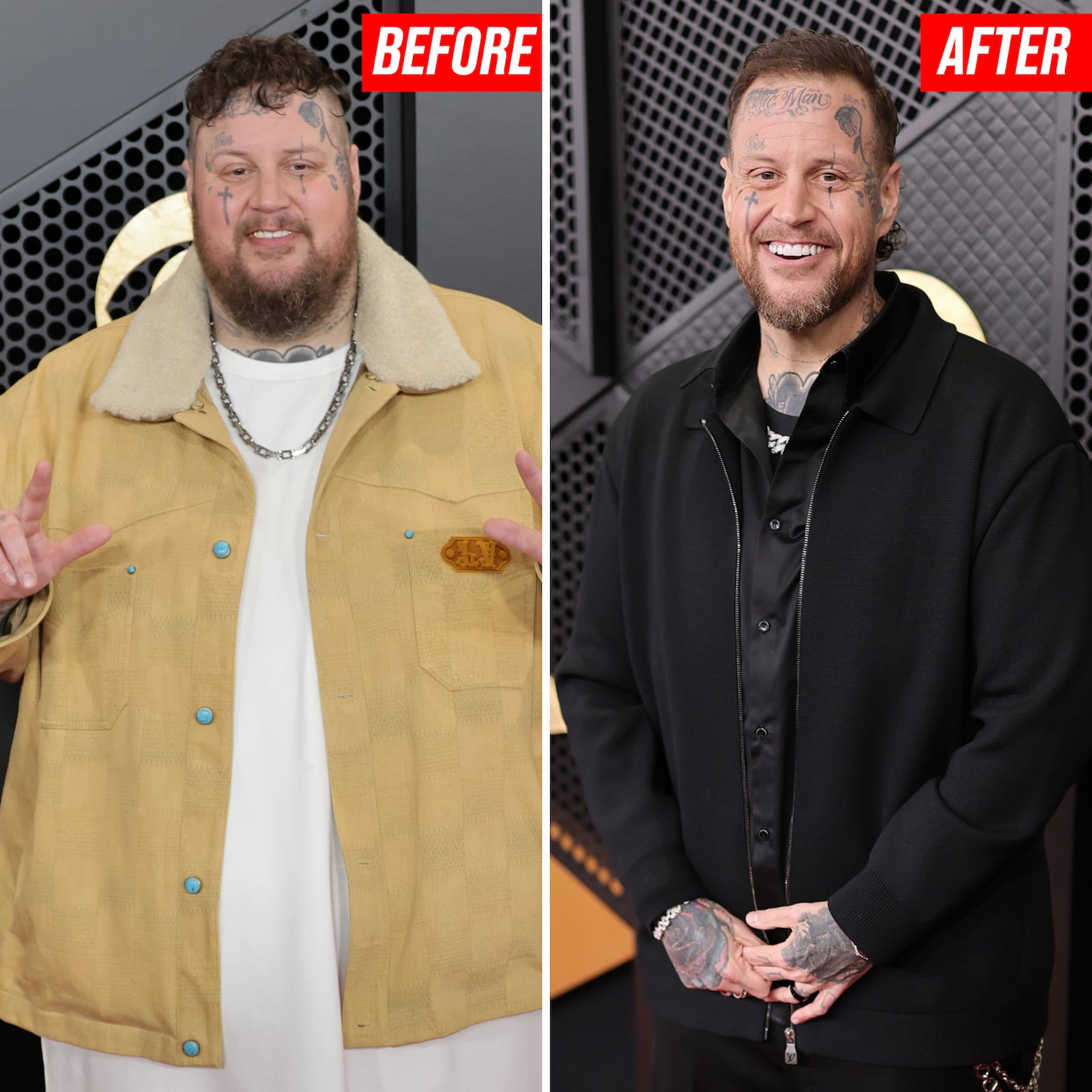
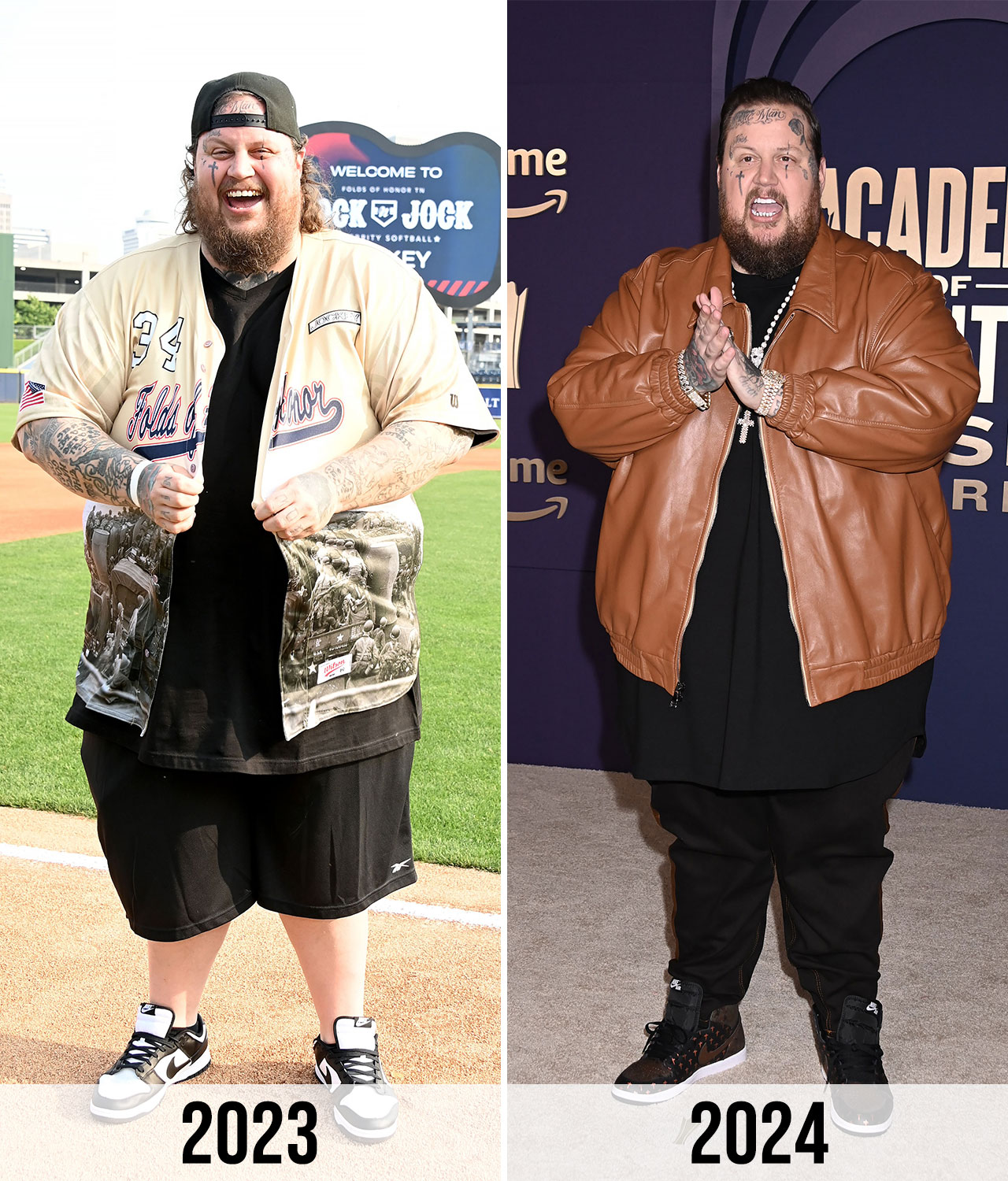
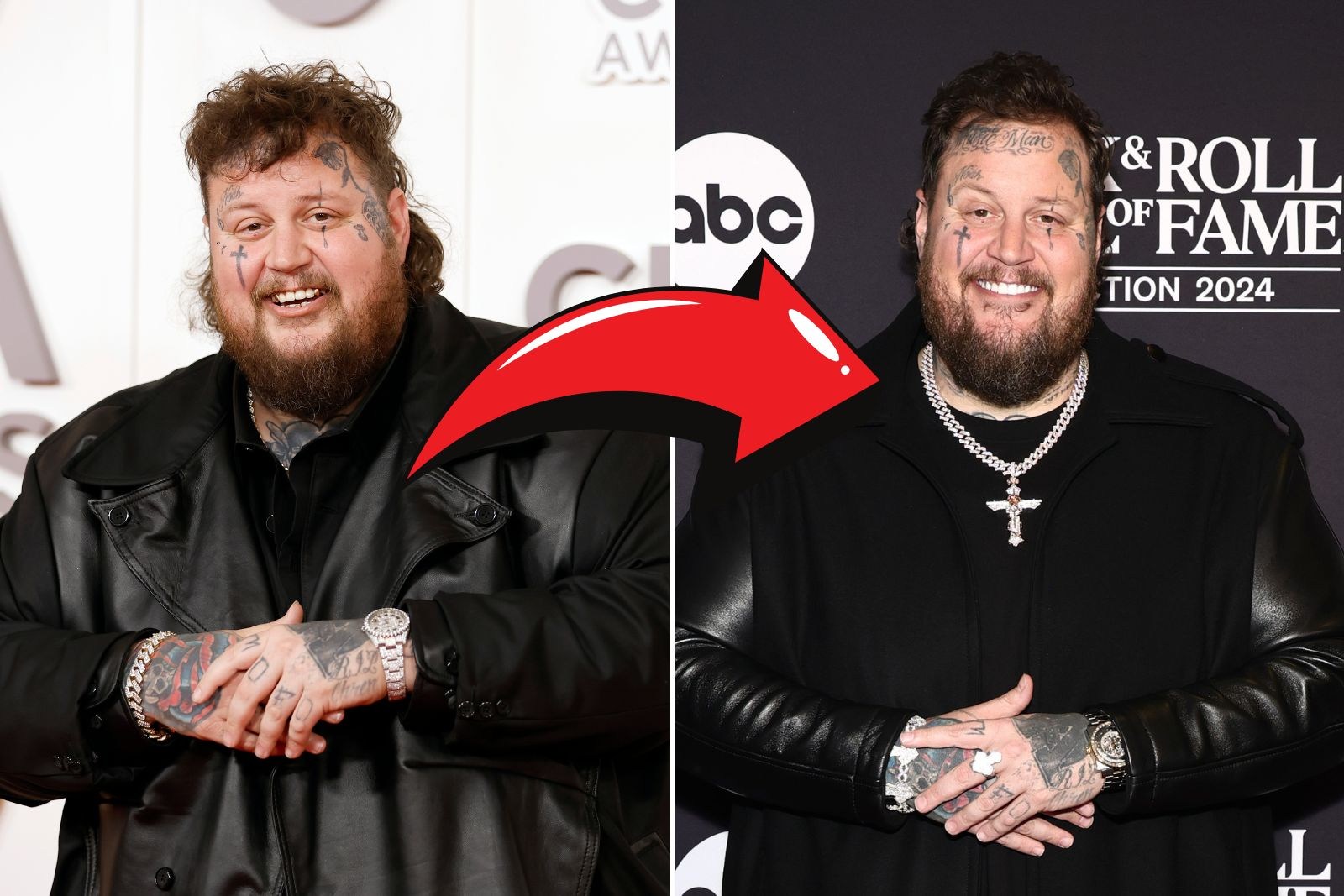
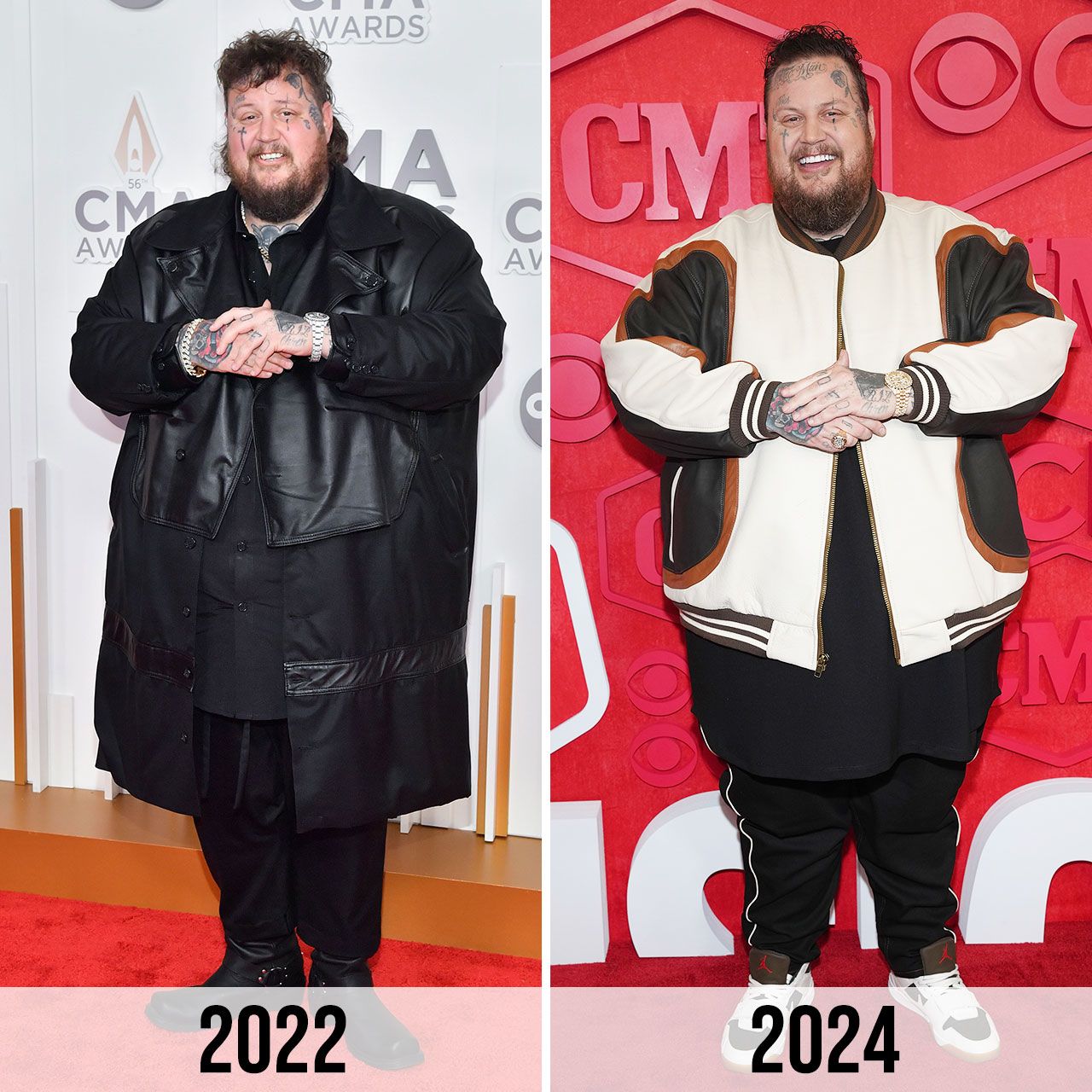
The "Jelly Roll transformation weight loss edition" represents a powerful approach to radical health overhaul inspired by award-winning musician Jason DeFord (known professionally as Jelly Roll). By combining progressive cardiovascular conditioning, whole-food nutrition, mental health accountability, and visual progress tracking, this method helps individuals carrying significant excess weight build a realistic, multi-phase plan for lasting physical transformation.
Contents
Understanding the "Jelly Roll" Transformation Blueprint
The public health journey of Jelly Roll captured widespread attention because it rejected extreme, quick-fix fad diets in favor of transparent, incremental, and highly accountable lifestyle changes. At his heaviest, the artist weighed over 500 pounds. His ongoing transformation—highlighted by dropping over 100 pounds, completing a 5K race, and dramatically improving his stamina on tour—provides a practical roadmap for anyone facing a daunting weight loss goal.
A successful high-capacity weight loss plan does not rely on overnight miracles. Instead, it relies on structured physical adjustments, nutritional discipline, emotional healing, and objective tracking methods. Whether your goal is to shed 20 pounds or 150 pounds, conceptualizing your personal "transformation edition" requires breaking down a massive objective into manageable, repeatable daily habits.
Disclaimer: This guide is for educational and informational purposes only and does not constitute medical advice. Individuals with significant obesity, underlying cardiovascular conditions, or metabolic disorders should consult a licensed physician or registered dietitian before beginning a dramatic caloric restriction or high-intensity exercise program.
Phase 1: Establishing Your Baseline and Visual Tracking ("Picture Your Progress")
Visualizing your transformation goes beyond simple positive thinking; it requires concrete visual and numerical tracking to maintain momentum when scale weight fluctuates due to fluid retention or muscle gain.
1. Standardized Progress Photography
The phrase "picture your transformation" highlights the psychological power of visual evidence. Scale weight can be deceptive, especially during early stages of body re-composition when muscle tissue retention or hydration changes obscure fat loss.
- Frequency: Take photographs every two to four weeks.
- Lighting and Environment: Use identical, natural lighting and stand against a neutral backdrop at the exact same time of day (preferably first thing in the morning after using the restroom).
- Angles: Capture three standard shots: front-facing relaxed, side profile relaxed, and rear profile relaxed.
- Attire: Wear form-fitting clothing or standard athletic wear so subtle changes in waist circumference, posture, and muscle outline remain visible over time.
2. Comprehensive Metric Logging
Relying solely on a bathroom scale creates emotional volatility. Pair your photos with key physical measurements:
- Waist Circumference: Measured directly at the navel.
- Hip Circumference: Measured at the widest point of the glutes.
- Chest and Thigh Measurements: Useful for assessing muscle preservation.
- Functional Benchmarks: Record how far you can walk without joint pain, your resting heart rate, and overall sleep quality metrics.
Phase 2: Nutritional Restructuring for Significant Fat Loss
Sustainable fat loss demands an energy deficit achieved without driving the body into severe metabolic adaptation or nutritional deficiencies. When shifting away from highly processed, hyper-palatable foods, the focus must shift to nutrient density and satiety.
Total Daily Energy Expenditure (TDEE) - Moderate Deficit (500-750 kcal) = Sustainable Fat Loss Rate (1-2 lbs/week)
Eliminating Ultra-Processed Foods
The first priority in any major weight loss edition is cutting out liquid calories, refined sugars, and hyper-processed snacks. These items trigger sharp blood glucose spikes followed by energy crashes, driving hyper-eating behaviors. Replacing sugary sodas, energy drinks, and alcohol with pure water, electrolyte-enhanced beverages (without added sugar), and unsweetened teas instantly removes hundreds of empty calories daily.
Protein Prioritization and Satiety
Consuming adequate dietary protein is critical during weight loss to prevent lean muscle tissue breakdown. High protein intake also stimulates satiety hormones like peptide YY and GLP-1, keeping hunger manageable throughout the day.
- Target Intake: Aim for approximately 0.7 to 1.0 grams of protein per pound of target body weight (or lean body mass for individuals with obesity).
- Primary Sources: Boneless skinless chicken breast, turkey, wild-caught fish, lean ground beef, eggs, egg whites, and non-fat Greek yogurt.
Whole Food Carbs and Healthy Fats
Carbohydrates should not be feared, but selected wisely. Fiber-dense carbohydrates slow digestion and support gastrointestinal health:
- Complex Carbohydrates: Sweet potatoes, oats, quinoa, brown rice, and fibrous green vegetables (broccoli, spinach, asparagus).
- Healthy Fats: Avocados, extra virgin olive oil, raw almonds, and chia seeds—consumed in measured portions due to their high caloric density.
Phase 3: Exercise Programming for High Body-Mass Individuals
For individuals starting at a higher body weight, exercise selection must protect joint integrity while maximizing caloric output and cardiovascular adaptation. Pushing into high-impact plyometrics or sprinting too early often leads to joint inflammation, chronic pain, or systemic injury.
Phase 1: Low-Impact Cardio (Walking/Water Aerobics) + Fundamental Resistance Training Phase 2: Progressive Distance Building + Structured Weight Training Phase 3: Event-Based Training (e.g., 5K Runs, Functional Athleticism)
Low-Impact Cardiovascular Conditioning
Walking is the ultimate low-impact exercise for substantial weight loss. It provides cardiovascular benefits with minimal wear on knees, hips, and lower back structures.
- Daily Step Target: Begin with an achievable baseline (e.g., 4,000–5,000 steps per day) and progressively scale by 500 to 1,000 steps each week until reaching a consistent target of 8,000–10,000 steps.
- Alternative Low-Impact Modalities: Stationary recumbent cycling, water aerobics, swimming, and elliptical trainers.
Resistance Training for Metabolic Health
Strength training builds lean body mass, which supports long-term resting metabolic rate. Focus on multi-joint compound movements tailored to your current mobility level:
- Lower Body: Box squats (to a safe chair height), leg presses, and bodyweight glute bridges.
- Upper Body: Seated cable rows, incline chest presses (using dumbbells or machines), and lat pulldowns.
- Core Stability: Bird-dogs, farmer's carries with moderate weights, and supported planks.
Traditional Diets vs. The Sustainable Transformation Model
To evaluate your path forward, examine how a balanced lifestyle transformation contrasts with common, restrictive dieting approaches:
| Feature / Metric | Traditional Fad Diets | Extreme Caloric Restriction | Sustainable Transformation Model |
|---|---|---|---|
| Primary Focus | Rapid scale weight reduction | Immediate drastic intake drop | Behavioral changes & long-term health |
| Nutritional Flexibility | Low (eliminates whole food groups) | Very low (often under 1,000 kcal/day) | High (focuses on macros and whole foods) |
| Muscle Mass Retention | Poor (high risk of muscle loss) | Very poor (metabolic slowing) | Excellent (prioritizes protein & lifting) |
| Joint Safety | Ignored | Ignored | High (prioritizes low-impact cardio) |
| Psychological Sustainability | Low (high burnout rate) | Low (promotes binge cycles) | High (builds resilient habits) |
| Long-Term Success Rate | Low (frequent rebound weight gain) | Low (metabolic adaptation) | High (built around permanent habits) |
Phase 4: Mental Health, Addiction Recovery, and Emotional Discipline
A defining element of Jelly Roll’s transformation is his openness regarding emotional eating, addiction, and mental health challenges. Weight management is rarely just a physical equation; it is deeply intertwined with psychological health.
Overcoming Emotional Eating
Food is frequently used as a coping mechanism for stress, anxiety, trauma, or boredom. To build a lasting transformation:
- Identify Triggers: Keep a log noting what emotions precede intense food cravings.
- Delay and Substitute: When an emotional craving strikes, mandate a 15-minute waiting period. Drink a large glass of water, step outside, or engage in a quick physical task to break the impulsive loop.
- Professional Support: Work with a licensed therapist specializing in cognitive-behavioral therapy (CBT) or disordered eating to resolve underlying behavioral patterns.
The Role of Recovery Mindset
Applying principles of addiction recovery—such as taking things "one day at a time" and maintaining radical self-honesty—helps prevent small setbacks from ruining long-term progress. A single overeating episode does not ruin a transformation; abandoning your plan for weeks afterward does.
Common Mistakes to Avoid During Your Weight Loss Journey
- Attempting Too Much Too Fast: Overhauling your diet, starting a 6-day workout split, and cutting calories aggressively all on Day 1 leads quickly to physical exhaustion and burnout. Phase in habits gradually.
- Ignoring Sleep Hygiene: Sleep deprivation increases cortisol level and ghrelin (the hunger hormone) while decreasing leptin (the fullness hormone). Target 7 to 9 hours of quality sleep nightly to facilitate physical recovery and appetite control.
- Relying Exclusively on Exercise for Fat Loss: You cannot out-train a poor diet. Energy expended during exercise is far smaller than energy consumed through energy-dense, high-fat, or high-sugar foods.
- Failing to Adjust Caloric Intake as Weight Decreases: As your body mass drops, your total daily energy requirement decreases. Periodically recalibrate your daily caloric targets every 15 to 20 pounds of weight lost to prevent unexpected weight loss plateaus.
Step-by-Step Action Plan to Start Your Transformation
- Calculate Your Caloric Needs: Use a standard online Mifflin-St Jeor equation to estimate your total daily energy expenditure (TDEE). Subtract 500 calories to establish an initial daily target.
- Clear out Ultra-Processed Foods: Remove sugary beverages, packaged bakery goods, and high-sodium processed snacks from your kitchen pantry.
- Purchase Basic Tracking Tools: Obtain a food scale for accurate portion measurements, a flexible measuring tape for body circumferences, and a simple digital bathroom scale.
- Establish Your Daily Movement Baseline: Track your normal step count for three days without making changes, then set your new target 1,000 steps higher for week one.
- Document Day One: Take your baseline transformation progress photos following the visual guidelines outlined above.
Frequently Asked Questions
How fast should I expect to safely lose weight on this plan?
A safe, sustainable rate of fat loss is generally 1 to 2 pounds per week. Individuals starting with substantial excess body mass may experience faster weight loss (3 to 5 pounds per week) during the initial weeks, largely due to fluid loss as carbohydrate intake and systemic inflammation decrease.
Do I need to run a 5K like Jelly Roll to get results?
No. Setting an event-based goal like a 5K walk or run is a great motivational tool, but it is not mandatory. The key is setting a clear, measurable physical objective that encourages consistent daily preparation.
What should I do when I hit a weight loss plateau?
First, verify your tracking accuracy using a digital food scale for a full week. If your adherence is consistent and scale weight remains flat for three consecutive weeks, reduce daily intake by 100-150 calories or increase daily step counts by 1,500 steps.
How do I deal with loose skin after severe weight loss?
Loose skin is a common consequence of dropping a large amount of body weight rapidly. Staying well-hydrated, building underlying lean muscle mass through strength training, and losing weight at a gradual pace help optimize skin elasticity, though surgical intervention is sometimes chosen for significant excess skin.
Can I still enjoy social meals while following this transformation plan?
Yes. Incorporating a flexible approach where 85–90% of your total calories come from whole, nutrient-dense foods allows room for social meals. Plan ahead by reviewing restaurant menus and saving extra calorie buffers for special events.
Final Recommendation: Next Actions for Success
Starting a major health transformation requires moving from planning to immediate action. Focus on executing three key steps today: calculate your estimated daily caloric targets, take your initial baseline progress photos, and complete a 20-minute brisk walk. Consistency over time, rather than short-term perfection, will drive your personal transformation journey.
EDITORIAL CATEGORY METADATA:
TOPIC METADATA:
Image Gallery