Who Really Needs Life Insurance According to the Ramsey Framework?
According to Dave Ramsey’s financial framework, life insurance is necessary only for individuals who have financial dependents relying on their income. If your death would create financial hardship for a spouse, children, or dependent...
According to Dave Ramsey’s financial framework, life insurance is necessary only for individuals who have financial dependents relying on their income. If your death would create financial hardship for a spouse, children, or dependent relatives, you need coverage. Conversely, single individuals without dependents and wealthy people who are self-insured do not need life insurance.
Contents
The Core Principle: Income Replacement for Dependents
In the Ramsey financial methodology, life insurance serves a single, narrow purpose: income replacement. It is designed to act as a financial safety net for people who count on your paycheck to cover basic living expenses, pay off housing debt, and maintain their standard of living if you pass away unexpectedly.
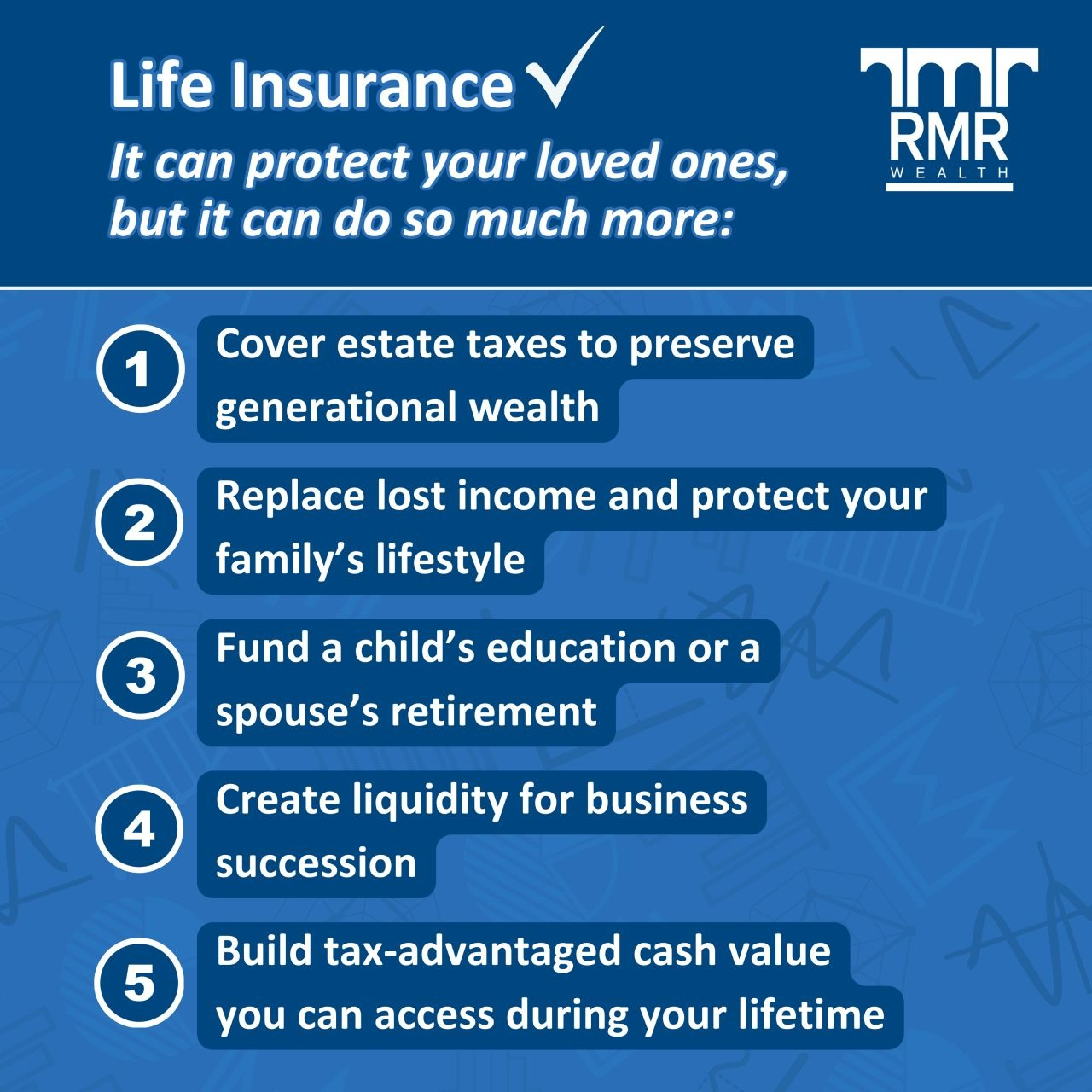
Life insurance is not meant to be a wealth-building tool, an investment portfolio, an inheritance generator, or a tax shelter for the average family. When you remove those extra functions, determining whether you need a policy becomes straightforward. You evaluate whether anyone would experience immediate or long-term financial distress if your income suddenly stopped.
To properly replace income, Ramsey guidelines advise purchasing a term life insurance policy with a face value equal to 10 to 12 times your annual gross income. For example, an individual earning $70,000 per year should secure between $700,000 and $840,000 in coverage. If that sum is invested in conservative growth stock mutual funds drawing a typical 8% to 10% annual return, the surviving family can draw an annual income equal to the deceased earner's former salary without depleting the original principal.
Disclaimer: Financial planning advice varies based on personal circumstances and jurisdiction. This article details the financial philosophy popularized by Ramsey Solutions for educational purposes and should not replace personalized advice from a certified financial planner or licensed insurance broker.
Who Definitely Needs Life Insurance?
Applying the income replacement rule makes it clear which household structures and personal situations require an active life insurance policy.
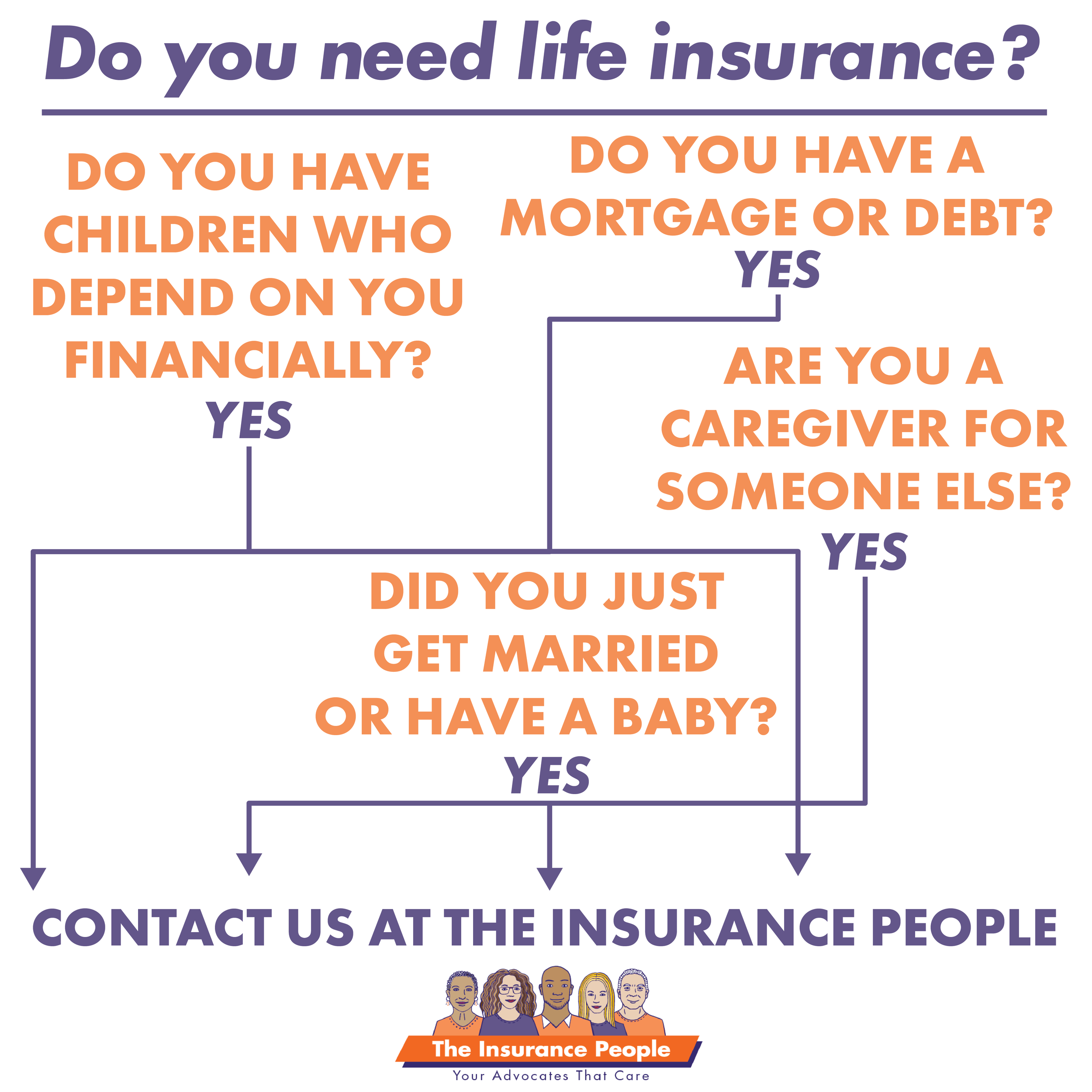
Does anyone rely on your income or labor?
- YES: You NEED Term Life Insurance
- Married couples
- Parents with minor kids
- Stay-at-home parents
- Supporting adult dependents
- NO: You DO NOT Need Life Insurance
- Single with no dependents
- Children / Minors
- Wealthy / "Self-Insured"
1. Married Couples
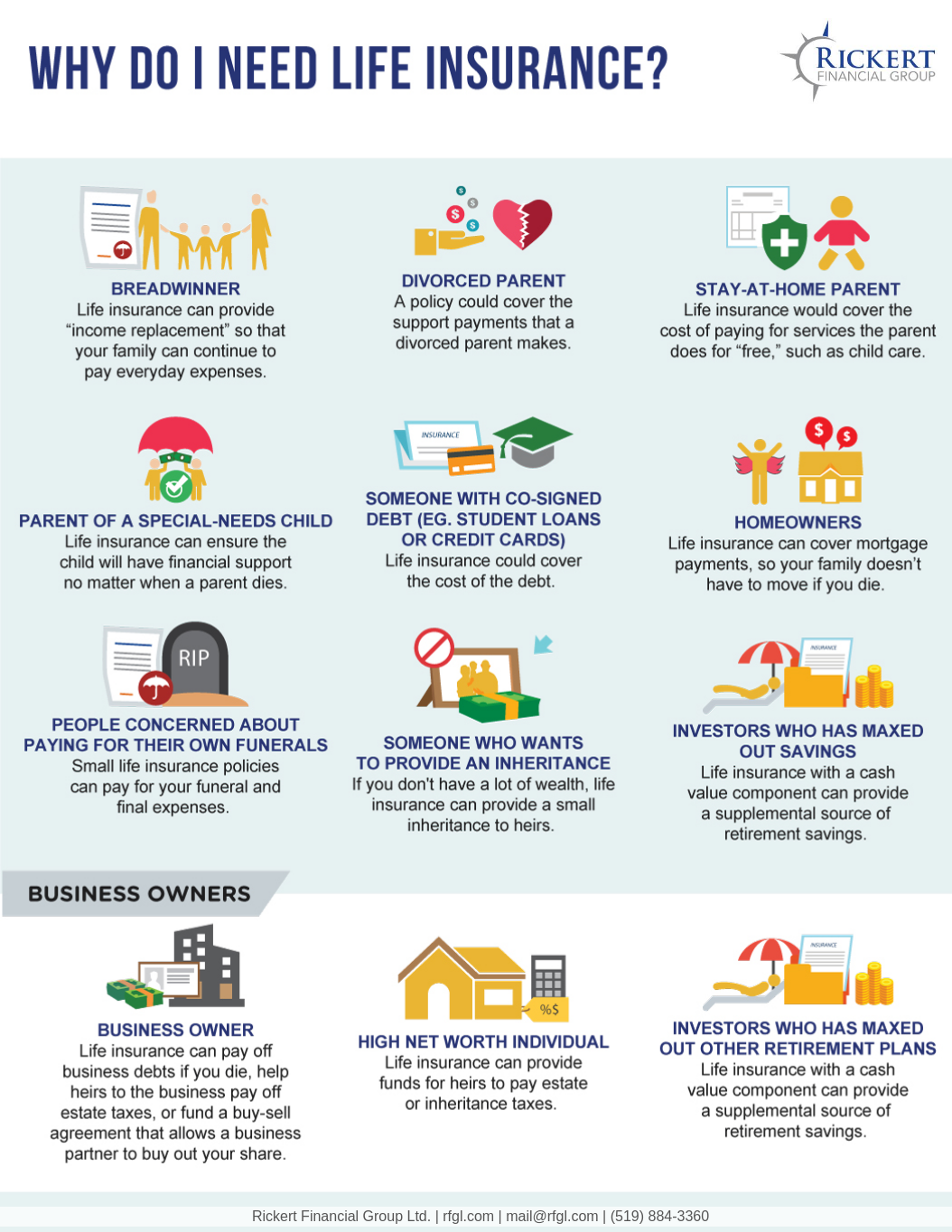
If you are married, your spouse typically relies on your shared household income to cover joint obligations, such as rent, mortgages, utility bills, and long-term financial goals. Even if both spouses work, the loss of one salary can force the surviving partner to sell their home or drop their standard of living. Both spouses in a marriage generally need coverage unless the couple has built enough net worth to become self-insured.
2. Parents with Minor or Dependent Children
Parents raising young children have the highest need for life insurance. A parent's death leaves surviving children vulnerable to immediate living costs, ongoing healthcare, housing, and future educational expenses. Coverage should remain in force at least until the youngest child finishes high school or college and reaches financial independence—typically requiring a 15- to 20-year term window.
3. Stay-at-Home Parents
A common mistake in financial planning is assuming that only traditional income earners require coverage. A stay-at-home parent provides critical, high-cost services, including childcare, home maintenance, cooking, and transportation. If that parent dies, the surviving spouse must hire outside services to handle those daily responsibilities, creating a heavy financial strain. Ramsey Solutions recommends that stay-at-home parents carry a term policy of around $250,000 to $400,000 to cover these operational household costs.
4. Adults Supporting Aging Parents or Disabled Family Members
If you provide primary care or recurring financial support to elderly parents, a disabled sibling, or an adult child with special needs, you act as their financial engine. In this situation, you need life insurance to fund a trust or ongoing care arrangement that takes over your supporting role if you die.
Who Does Not Need Life Insurance?
Because life insurance exists solely to protect dependents from financial ruin, broad categories of people do not need to buy a policy.
Single Adults with No Dependents
If you are single, live alone, and have no children, aging parents, or co-signers who depend on your paycheck, you do not need life insurance. If you pass away, your financial obligations end with your estate. Your debt is generally paid out of your remaining assets rather than passed down to relatives, provided no one co-signed your loans.
While insurance agents often try to sell policies to young, single adults under the promise of "locking in low rates," paying premiums for coverage you do not need wastes money that could otherwise be used to pay off debt or build an emergency fund.
Children and Minors
Children have no income to replace, nor do they support dependents. Buying life insurance policies on children—such as child whole life plans—is strongly discouraged in the Ramsey framework. These policies are often marketed as savings vehicles or ways to guarantee future insurability, but they offer poor investment returns and high fees. A standard emergency fund of 3 to 6 months of living expenses easily covers any unexpected burial costs without requiring monthly premiums on a child's life.
The "Self-Insured"
Under Ramsey's long-term plan (specifically across the 7 Baby Steps framework), life insurance is a temporary bridge, not a permanent necessity. Once you pay off all debt (including your home mortgage) and build a retirement portfolio, your accumulated assets replace the security provided by an insurance policy.
If your investments can generate enough annual growth to comfortably support your family's living expenses, you are officially self-insured. At that point, paying monthly premiums to an insurance provider is an unnecessary expense, and you can safely drop your term policy.
Comparing Insurance Need Across Life Stages
The table below outlines how life insurance requirements shift across different life situations and financial milestones according to the Ramsey framework:
| Life Stage / Financial Status | Dependents Present? | Recommended Policy Type | Recommended Coverage Amount | Key Objective |
|---|---|---|---|---|
| Single Adult (No Children) | No | None | $0 | Focus cash flow on debt payoff and emergency funds. |
| Married (Single Income) | Yes | 15–20 Year Term | 10–12x Income (Breadwinner) / $250k–$400k (Stay-at-Home) | Protect household stability and replace lost labor/income. |
| Married (Dual Income, Kids) | Yes | 15–20 Year Term | 10–12x Income for Each Spouse | Preserve living standards and fund long-term child support. |
| Single Parent | Yes | 15–20 Year Term | 10–12x Income + Guardianship Trust | Provide full income replacement managed by a legal guardian. |
| Retired & Debt-Free (Self-Insured) | No | None | $0 | Rely on accumulated net worth and liquid investments. |
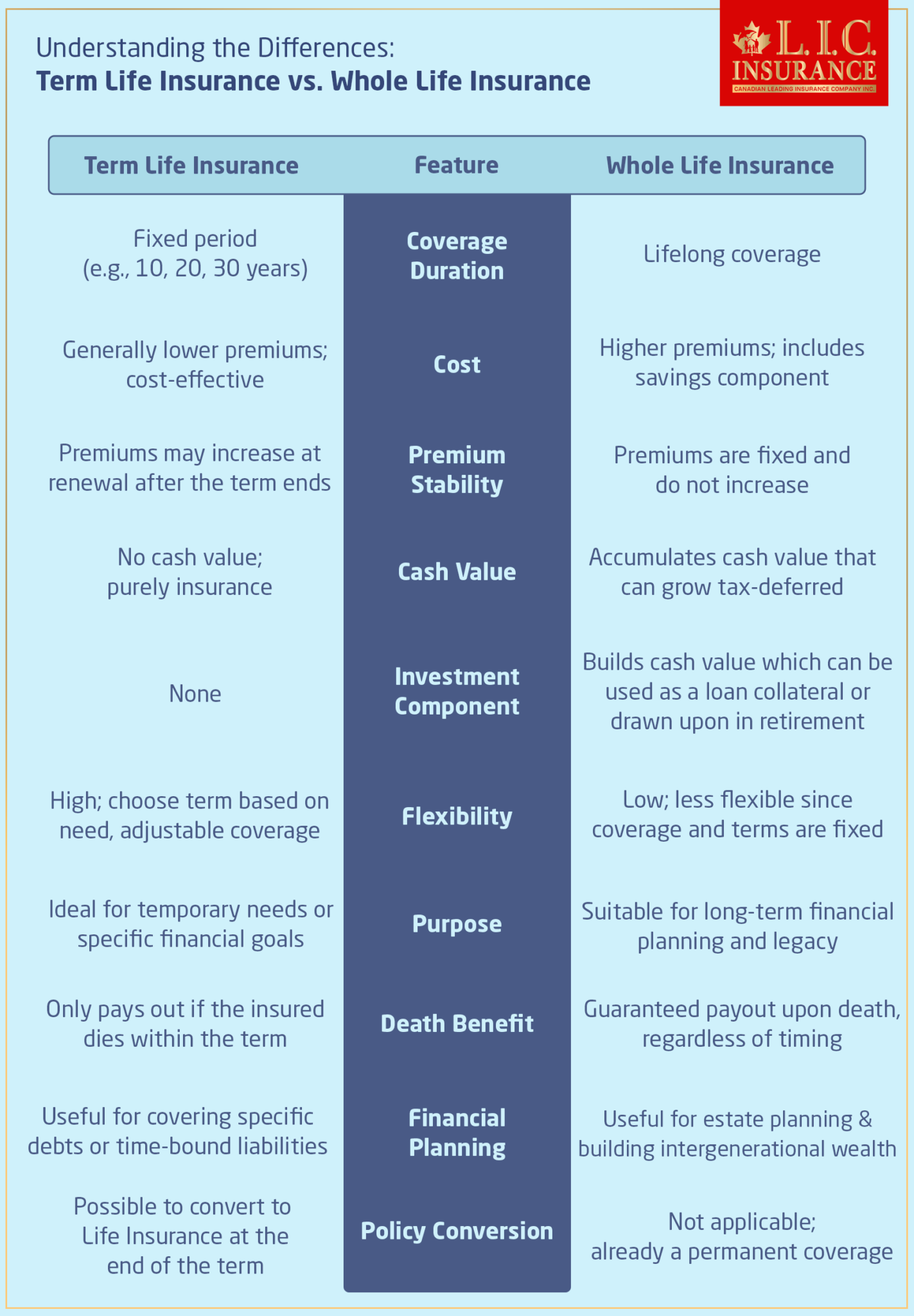
Term Life vs. Cash-Value: Why Ramsey Avoids Whole Life
Understanding who needs life insurance requires knowing which insurance to buy. The Ramsey strategy approves only level-term life insurance and completely rejects cash-value life insurance products.
The Problem with Whole, Universal, and Variable Life
Cash-value policies—which include whole life, universal life, and variable life—combine a basic death benefit with a built-in savings or investment account. These plans are marketed as lifelong protection that builds cash value over time. However, they suffer from significant structural drawbacks:
- Excessive Fees: A major portion of your initial premium payments goes toward administrative costs, management fees, and broker sales commissions rather than building equity.
- Low Yields: The investment returns inside cash-value policies historically lag behind simple stock market index funds and mutual funds.
- Loss of Cash Value upon Death: With most traditional whole life policies, when the insured party dies, the insurance company pays out the death benefit to the beneficiary but retains the accumulated cash value.
The Strategy: Buy Term and Invest the Difference
Instead of paying $300 per month for a whole life policy, you can purchase a standard 20-year term life policy for $30 to $40 per month. You then take the remaining $260 in savings and invest it directly into low-cost growth stock mutual funds inside tax-advantaged accounts like a 401(k) or Roth IRA.
Over a 20-year period, this disciplined approach builds real, liquid wealth that belongs entirely to you and your estate—eventually making you self-insured so you can drop insurance altogether.
The 20-Year Transition
- Year 1: High Financial Need (Heavy Reliance on Term Life)
- High debt / Mortgage
- Young dependents
- Small investment balance
- Year 20: Self-Insured Status (Zero Need for Insurance)
- Zero debt / Mortgage paid
- Children self-sufficient
- Large investment portfolio
Common Life Insurance Pitfalls to Avoid
Even when consumers identify their need for coverage, structural mistakes can leave families underprotected or overpaying.
1. Relying Exclusively on Employer Group Policies
Many companies provide free or low-cost life insurance equal to one or two times your annual salary. While this is a nice job perk, it is rarely enough coverage for a family needing 10 to 12 times their income.
More importantly, group policies are tied to your employer. If you change jobs, experience layoffs, or leave the workforce due to health issues, you risk losing your policy instantly. Buying an independent term policy ensures your coverage stays locked in regardless of your employment status.
2. Buying Terms That Are Too Short or Too Long
A 5-year or 10-year term is usually too short; if your health declines near the end of the term, renewing coverage can become extremely expensive or impossible.
Conversely, a 30-year policy is often unnecessary and overly expensive. If you systematically pay off debt and invest 15% of your income into retirement, you should reach self-insured status within 15 to 20 years. A level 15- or 20-year term offers the ideal balance between low cost and sufficient time to build wealth.
3. Co-Signing Debts Without Insurance Protection
If you co-sign a loan for a family member—or if someone co-signs a private student loan for you—the surviving party becomes fully responsible for paying off that debt if the other dies. If you carry shared debt with someone, you need at least enough term coverage to pay off those joint balances immediately.
Frequently Asked Questions
Does a stay-at-home parent really need life insurance?
Yes. A stay-at-home parent provides essential services, including childcare, domestic work, and home management. Replacing those services out-of-pocket after a loss carries a significant financial burden. Ramsey Solutions recommends carrying a 15- to 20-year term policy valued between $250,000 and $400,000 on a stay-at-home spouse.
Why does the Ramsey model reject whole life insurance?
Whole life insurance mixes protection with an inefficient investment model featuring high management fees, low returns, and restrictive terms. Furthermore, upon your death, the insurance company usually keeps the accumulated cash value and pays out only the face value of the death benefit. Purchasing cheap term insurance and investing the saved difference yields far higher returns over time.
How do I know when I am officially self-insured?
You are self-insured when your debt is fully paid off (including your home mortgage) and your liquid investment portfolio generates enough growth to support your family's annual expenses without a working income. At this stage, your family no longer relies on an insurance company to protect against the loss of a paycheck.
Should parents buy life insurance policies for their young children?
No. Life insurance replaces lost income for financial dependents. Children do not generate income, nor do they support household dependents. Funding a child whole life policy wastes money that could instead be placed into low-cost index funds, a 529 college savings account, or an emergency reserve.
Is policy rider add-ons like accidental death coverage necessary?
No. Accidental death riders, critical illness policies, and cancer insurance policies are unnecessary add-ons that increase monthly premiums. A standard term life policy covers death from almost any cause (excluding short contestability windows for suicide), making niche policy add-ons redundant and cost-ineffective.
Final Action Steps
To align your insurance strategy with standard financial guidelines, execute the following steps:
- Calculate Your Need: Multiply your gross annual income by 10 to 12. If you are a stay-at-home spouse, set a target benefit of $250,000 to $400,000.
- Select a Term Length: Choose a 15- or 20-year level term policy to cover the window when your children are growing up and your mortgage is being paid down.
- Secure Independent Coverage: Apply for a private term policy through an independent broker before canceling any existing coverage. Do not rely solely on work-provided life insurance.
- Eliminate Cash-Value Policies: If you currently hold a whole life or universal policy, secure your replacement term policy first. Once the new term policy is fully underwritten and active, surrender the old cash-value policy and use any recovered cash to pay off debt or fund your emergency savings.
Image Gallery