Effective Utilization and Selection of Fall Activity Worksheets
Fall activity worksheets serve as structured educational and developmental tools designed to reinforce seasonal themes while supporting core curriculum objectives. These materials provide a focused method for educators and parents to i...
Fall activity worksheets serve as structured educational and developmental tools designed to reinforce seasonal themes while supporting core curriculum objectives. These materials provide a focused method for educators and parents to integrate thematic learning—such as harvest cycles, autumnal changes, and traditional seasonal observances—into structured reading, mathematics, and critical thinking exercises for primary and early elementary students.
Contents
The Role of Thematic Worksheets in Education
Thematic education utilizes the concept of "fall" to anchor abstract academic concepts in relatable, tangible experiences. For a child, the transition of leaves, the cooling temperatures, and the agricultural harvest cycle offer a concrete framework for understanding scientific and mathematical processes. Activity worksheets act as the bridge between these sensory experiences and analytical work.
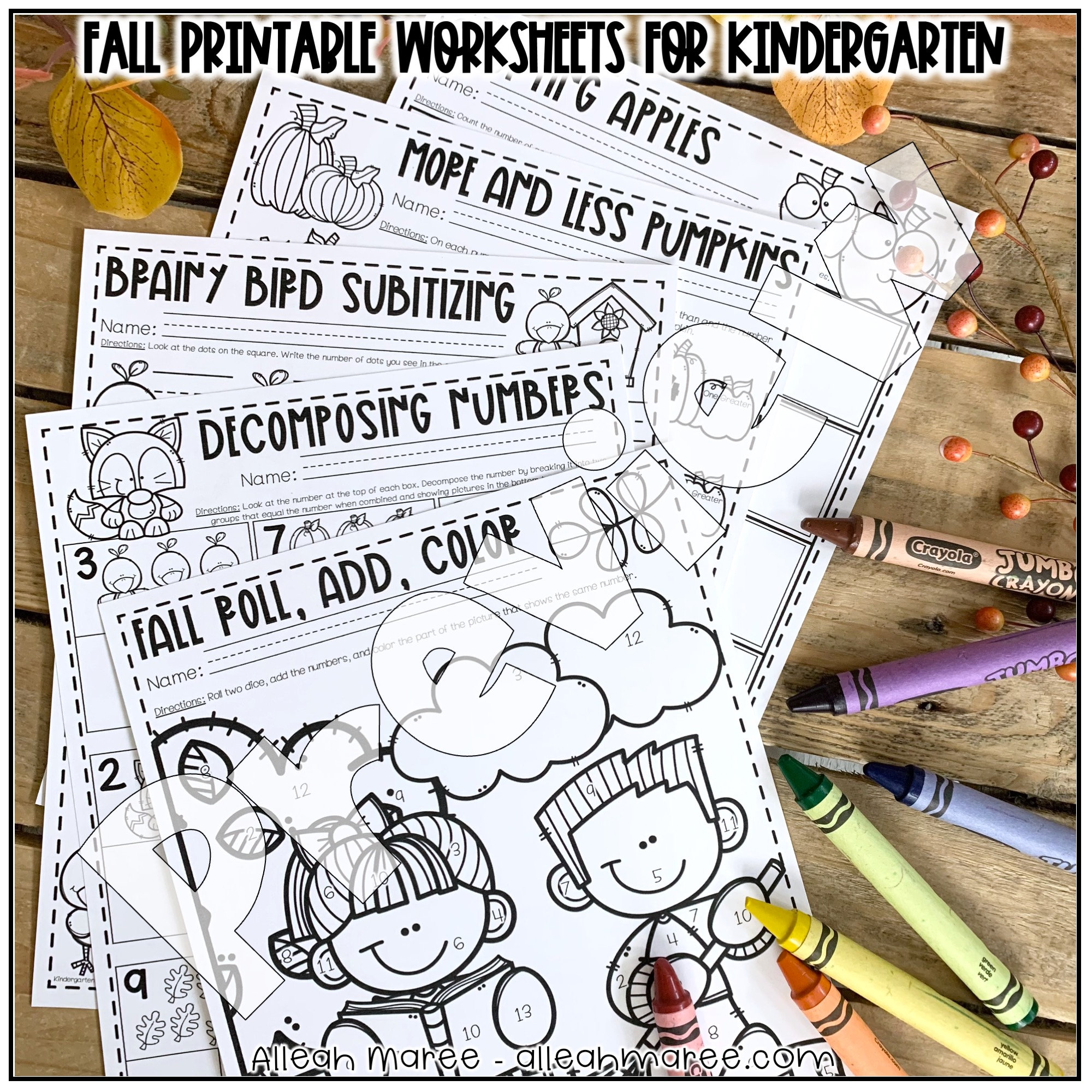
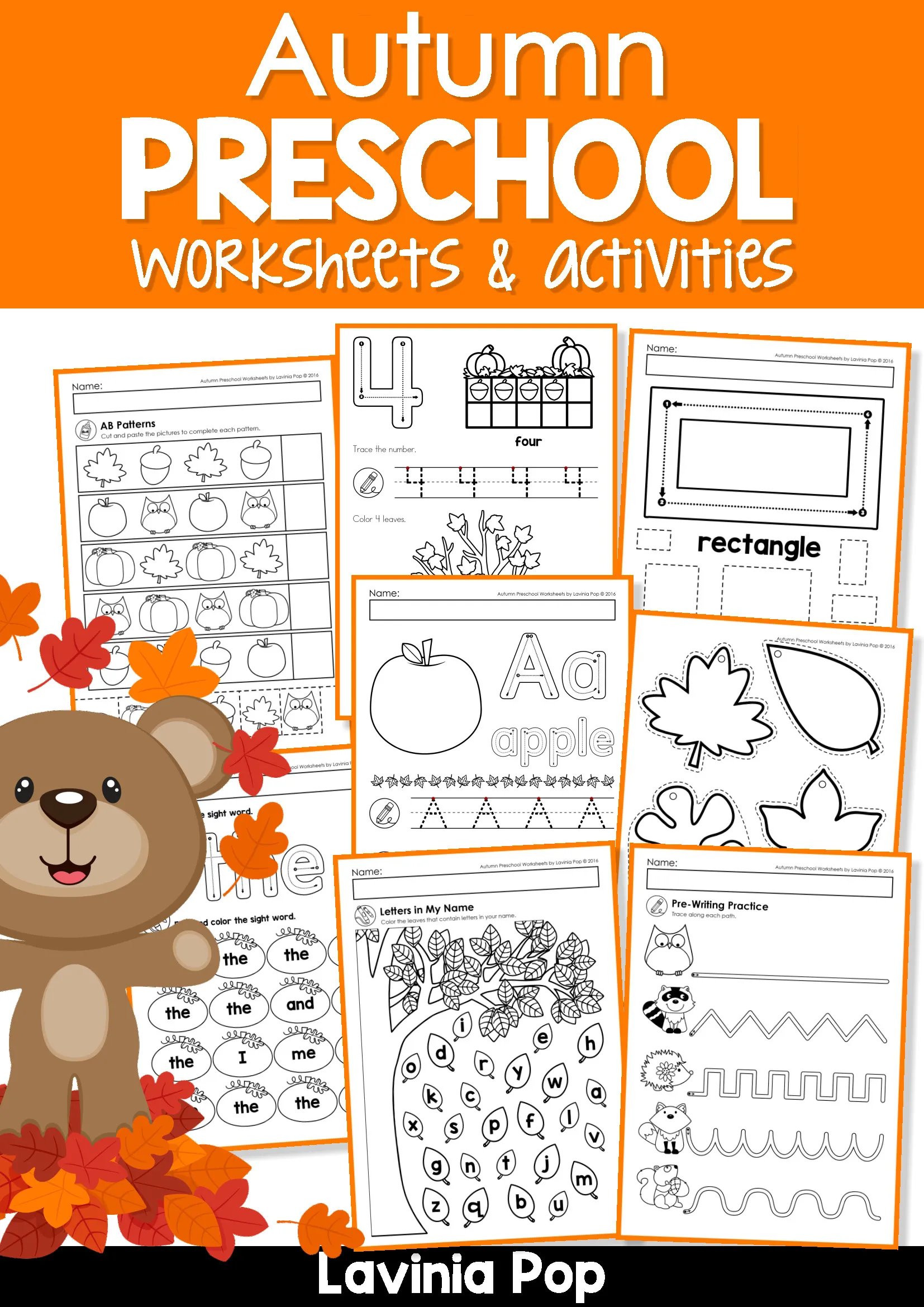
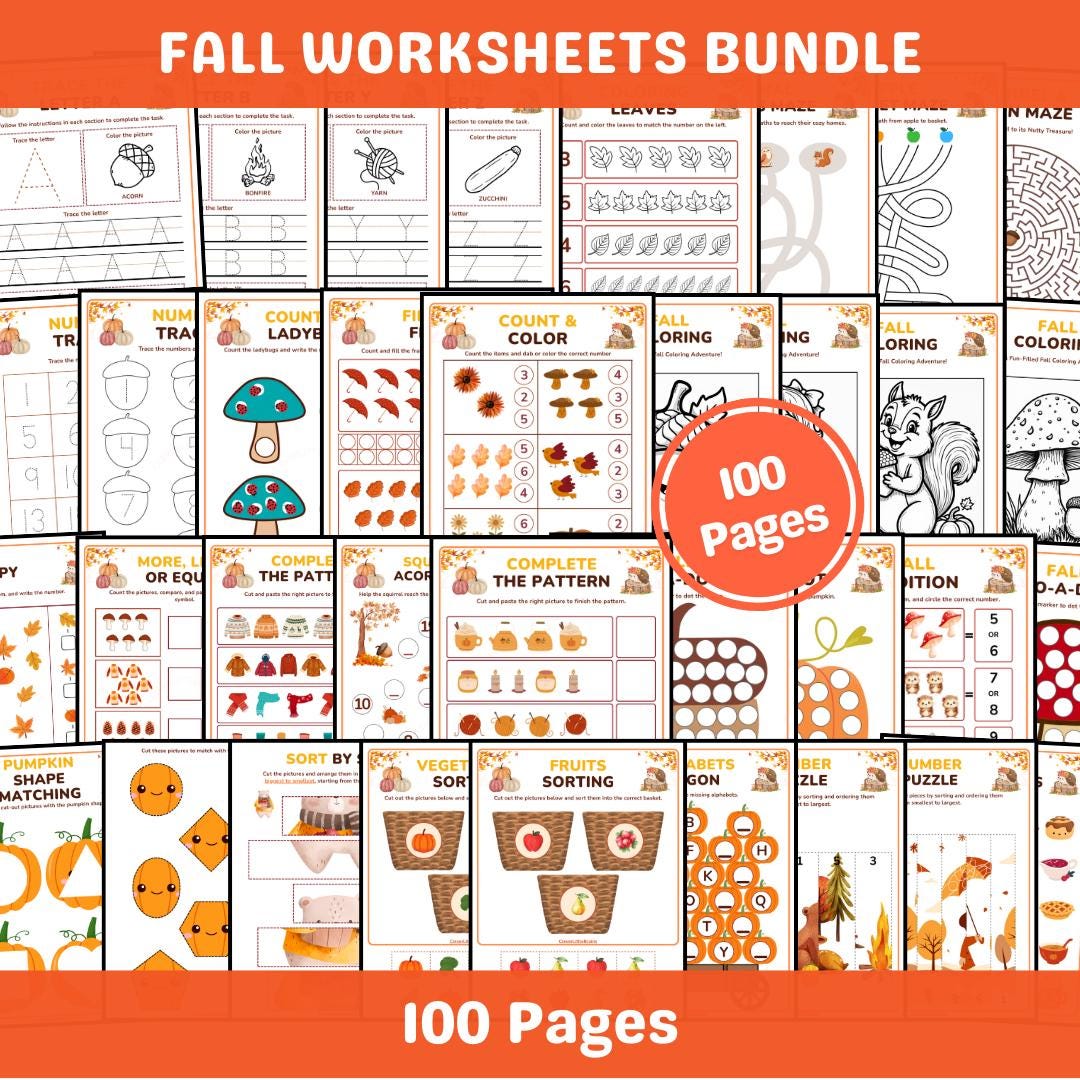
When selecting worksheets, educators focus on age-appropriate cognitive load. For pre-kindergarten and kindergarten levels, the objective is often fine-motor skill development, such as tracing seasonal vocabulary or performing basic counting exercises with pumpkin or leaf-themed icons. In upper elementary grades, the complexity increases to include data analysis, such as graphing temperature changes or writing descriptive narratives about seasonal ecosystems. The primary value of these materials lies in their ability to maintain student engagement during a period of transition by aligning standardized learning goals with the immediate environment.
Categorizing Educational Fall Worksheets
To maximize the efficacy of these tools, it is necessary to differentiate between various pedagogical goals. Worksheets are generally categorized by the primary skill set they aim to cultivate.
Literacy and Language Arts
These activities prioritize vocabulary expansion and reading comprehension. Common formats include:
- Seasonal Sequencing: Arranging sentences to describe the process of tree dormancy or harvest preparations.
- Thematic Phonics: Identifying initial sounds in words like "acorn," "bale," and "chilly."
- Creative Writing Prompts: Utilizing visual cues to encourage descriptive paragraph structure.
Mathematics and Quantitative Reasoning
Quantitative worksheets leverage seasonal symbols to teach fundamental arithmetic and logical operations:
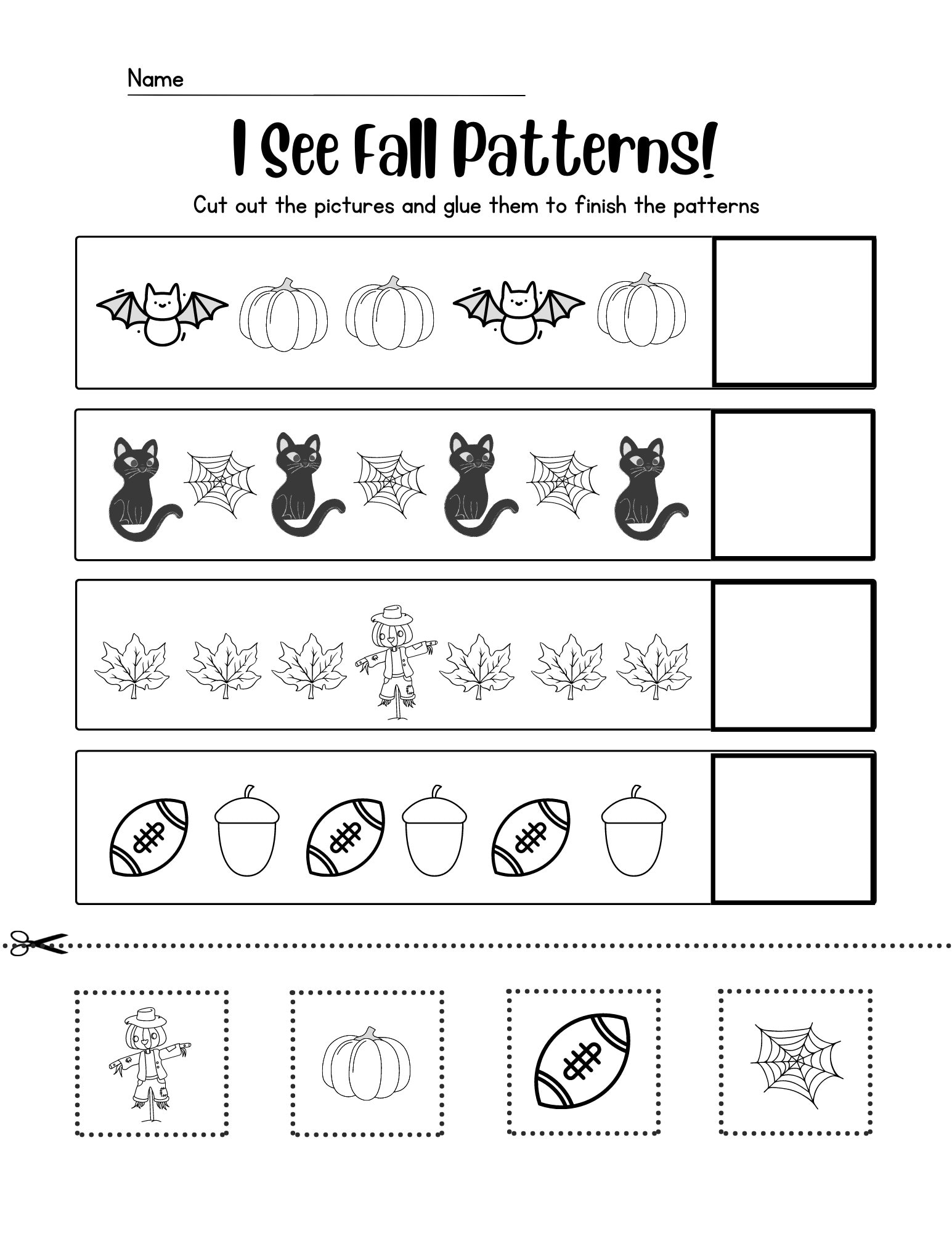
- Counting and Sorting: Categorizing collections of fall items by color, size, or shape.
- Graphing and Data: Creating bar charts based on leaf collection sizes or class preferences for fall activities.
- Word Problems: Applying addition and subtraction within the context of apple picking or gathering supplies.
Science and Ecological Awareness
These worksheets focus on the physical changes characteristic of the autumn months:
- Life Cycles: Mapping the growth stages of common autumn produce.
- Observation Logs: Recording daily changes in local weather or tree appearance to develop scientific observation habits.
Strategic Selection Criteria
Not all educational materials are created equal. When sourcing or designing fall activity worksheets for 2026, evaluate them against specific standards to ensure they provide actual academic value rather than mere "busy work."
| Feature | Low-Value Indicator | High-Value Indicator |
|---|---|---|
| Instructional Clarity | Vague or missing instructions | Step-by-step guidance for independent work |
| Alignment | Lacks clear connection to skills | Tied to specific curricular standards |
| Visual Design | Cluttered or distracting imagery | Clean layout with functional graphics |
| Adaptability | Rigid, single-use format | Includes extension activities or tiered difficulty |
Implementation and Best Practices
To integrate these materials effectively, establish a clear routine. The objective should not be to simply complete as many sheets as possible, but to ensure each sheet accomplishes a specific learning outcome.
- Assessment: Before introducing a worksheet, determine what specific skill you are reinforcing. If the goal is multiplication practice, ensure the "fall theme" does not obscure the mathematical process.
- Contextualization: Precede the worksheet with a physical activity. For example, before working on a leaf-identification sheet, conduct a supervised outdoor walk to collect samples. This connects the abstract symbols on the paper to the real world.
- Review and Feedback: Always review completed work with the student. Discussing their answers—especially in the context of writing or problem-solving—is where the primary cognitive development occurs.
- Balance: Avoid over-reliance on worksheets. They should represent only one component of a broader educational strategy that includes hands-on experimentation, discussion, and inquiry-based learning.
Addressing Common Challenges
Educators frequently encounter issues with student fatigue or misalignment of curriculum goals. If a student demonstrates disinterest, investigate whether the content is too simple (leading to boredom) or too complex (leading to frustration). In such cases, adapting the activity is preferable to discarding it. Use blank templates to create custom problems that match the student's current proficiency level while maintaining the desired seasonal theme.
Furthermore, ensure accessibility. For students with fine-motor challenges, consider worksheets with larger text or simplified tracing paths. For students requiring higher-level stimulation, encourage the creation of their own "fall activity" challenge, such as designing a personal experiment to test leaf buoyancy in water.
Frequently Asked Questions
How do I determine if a worksheet is age-appropriate? Evaluate the cognitive demand. If the worksheet requires reading instructions that exceed the student's current level, or if the fine-motor requirements (like intricate cutting) prevent them from focusing on the educational content, it is likely misaligned. Aim for tasks where the student has 80% to 90% mastery independently.
Can fall worksheets be used for interdisciplinary learning? Yes. High-quality worksheets often overlap subjects. A single activity might require a student to count objects (Math), read a short paragraph (Literacy), and learn a fact about deciduous trees (Science). These are the most effective types of materials for a well-rounded curriculum.
What is the best way to print or distribute these for group settings? If using printed materials, ensure high-quality paper is used if students are expected to use markers or paints. For digital settings, ensure the PDF files are formatted for standard printer sizes and include clear print margins to avoid clipping important instructions.
Do these worksheets meet 2026 educational standards? Most reputable, peer-reviewed educational repositories ensure their worksheets align with core state and national standards. When in doubt, check the publisher's metadata or "standards alignment" section to see if the worksheet addresses specific curriculum benchmarks for the current school year.
Next Steps for Implementation
If you are an educator or parent beginning this process in 2026, start by auditing your current learning objectives for the autumn term. Select a small set of high-value, standards-aligned worksheets rather than sourcing a high volume of generic materials. Prioritize tasks that encourage critical thinking—such as comparing and contrasting or analyzing data—over simple coloring or rote repetition. Evaluate the success of these materials based on the student's ability to demonstrate the underlying skill, rather than the completion of the decorative theme.
Image Gallery