The 2009 World Series: A Comprehensive Analysis of the Yankees vs. Phillies
The 2009 World Series featured a high-stakes matchup between the New York Yankees and the Philadelphia Phillies, resulting in the Yankees winning their 27th championship in six games. Led by World Series MVP Hideki Matsui’s historic Ga...
The 2009 World Series featured a high-stakes matchup between the New York Yankees and the Philadelphia Phillies, resulting in the Yankees winning their 27th championship in six games. Led by World Series MVP Hideki Matsui’s historic Game 6 performance and a three-man pitching rotation, the Yankees defeated the defending champion Phillies to inaugurate the new Yankee Stadium with a title.
Contents
The 2009 Fall Classic remains one of the most culturally and statistically significant championships in modern baseball history. As we look back from the vantage point of 2026, the series represents the peak of the "Core Four" era for the Yankees and a missed opportunity for a Phillies dynasty that dominated the National League in the late 2000s. This matchup was more than just a clash of titans; it was a tactical chess match involving future Hall of Famers, record-breaking individual performances, and strategic decisions that redefined how postseason rotations were managed.
The Path to the 2009 Fall Classic
Entering the 2009 season, the pressure on the New York Yankees was immense. After missing the playoffs in 2008 for the first time in 13 years, the organization spent over $400 million in the offseason to acquire CC Sabathia, Mark Teixeira, and A.J. Burnett. This "all-in" approach was timed with the opening of the billion-dollar New Yankee Stadium. Under manager Joe Girardi, the Yankees finished the regular season with a 103-59 record, dispatching the Minnesota Twins and the Los Angeles Angels to reach the World Series.
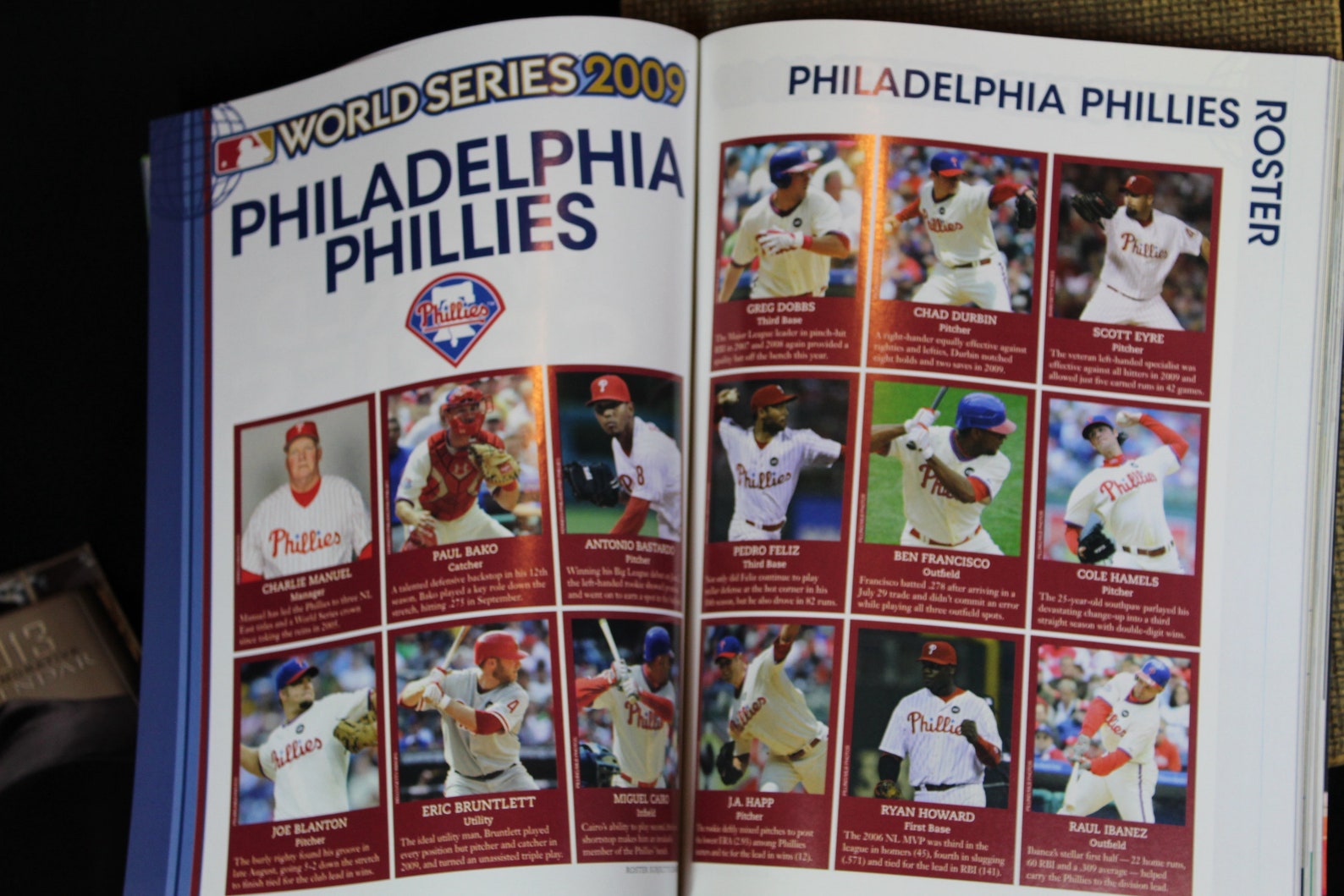
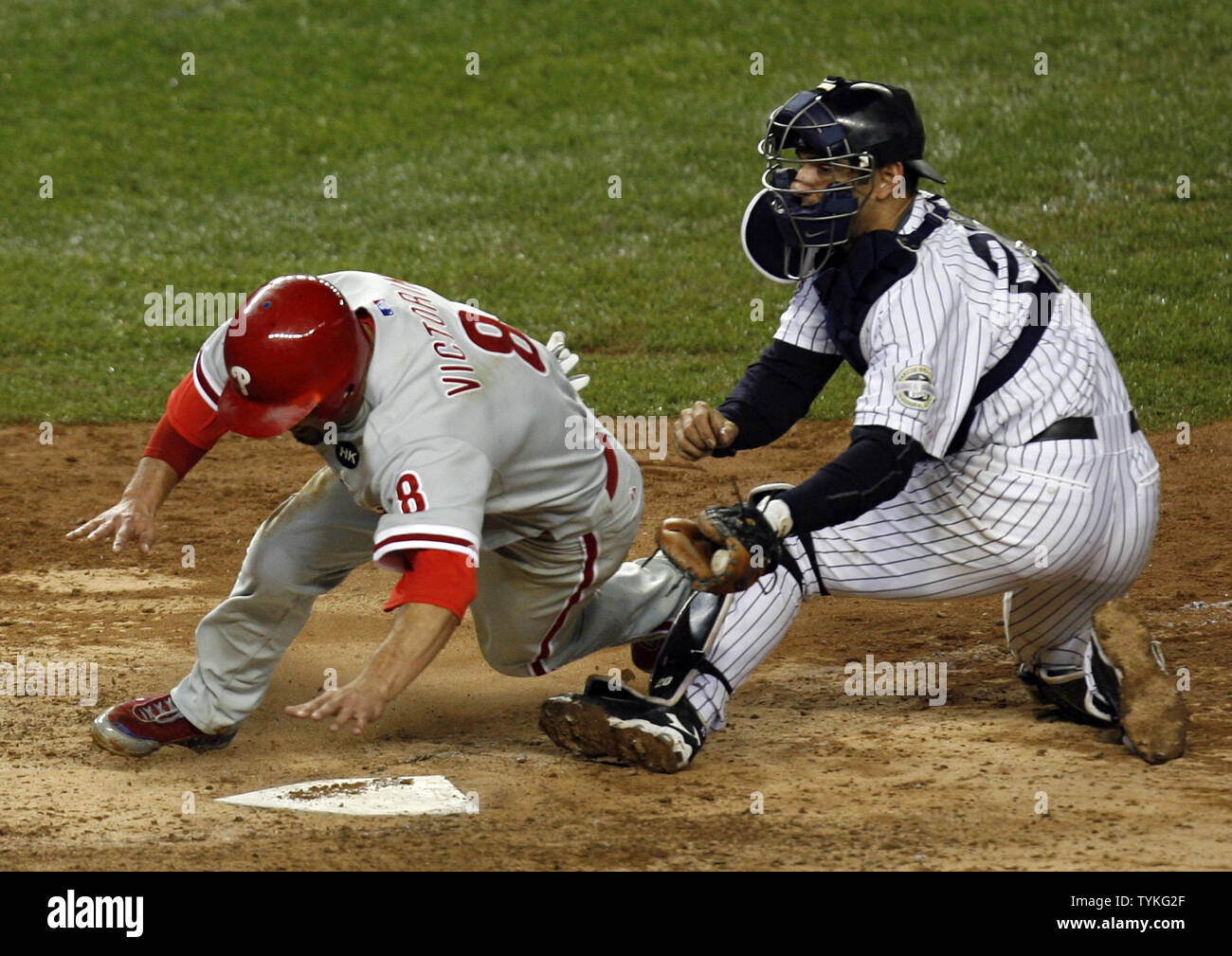
The Philadelphia Phillies, conversely, were the defending champions. Having won the 2008 World Series, Charlie Manuel’s squad sought to become the first National League team to repeat since the 1975-76 Cincinnati Reds. With a powerhouse lineup featuring Ryan Howard, Chase Utley, Jimmy Rollins, and Shane Victorino, and the mid-season acquisition of ace Cliff Lee, the Phillies were arguably more balanced than the Yankees. They finished the regular season 93-69 and cruised through the NLDS and NLCS, setting the stage for a heavyweight showdown.
Game-by-Game Breakdown: The Battle of I-95
The series followed a narrative arc of shifting momentum, starting with Philadelphia’s dominance and ending with New York’s clinical efficiency at home.
Game 1: The Cliff Lee Masterclass
The series began in the Bronx, where Phillies ace Cliff Lee delivered one of the most composed pitching performances in World Series history. Lee threw a complete game, allowing zero earned runs and striking out ten. Chase Utley provided the offense with two solo home runs, becoming the first player to hit two homers in a World Series game against the Yankees since Andruw Jones in 1996. The Phillies took Game 1 with a 6-1 victory, momentarily silencing the New York crowd.
Game 2: The Resurgence of A.J. Burnett
Facing a 0-1 deficit, Joe Girardi turned to A.J. Burnett. Burnett delivered seven strong innings, allowing only one run. The Yankees’ offense found its spark through solo home runs by Mark Teixeira and Hideki Matsui. Closer Mariano Rivera entered in the eighth inning for a six-out save, securing a 3-1 win and leveling the series as it moved to Philadelphia.
Game 3: The Rain-Delayed Shift
Game 3 at Citizens Bank Park was delayed by rain, but when it started, the Yankees' bats stayed hot. Despite an early lead by the Phillies, New York surged ahead behind a controversial home run by Alex Rodriguez—the first post-season home run to be reviewed by instant replay (which had been recently implemented). The Yankees won 8-5, with veteran Andy Pettitte earning the win, further cementing his legacy as a postseason workhorse.
Game 4: The Johnny Damon Double Steal
Game 4 is often cited by analysts as the turning point of the series. With the game tied 4-4 in the ninth inning, Johnny Damon reached first base. In a daring tactical maneuver, Damon stole second and, seeing the third base bag uncovered due to a defensive shift against Mark Teixeira, immediately sprinted to third. This "double steal" rattled Phillies closer Brad Lidge. The Yankees went on to score three runs in the inning, winning 7-4 and taking a commanding 3-1 series lead.
Game 5: Utley’s Power Pursuit
The Phillies refused to go quietly. Chase Utley hit two more home runs in Game 5, tying Reggie Jackson’s record for the most home runs in a single World Series (five). Utley’s power display supported a solid outing by Cliff Lee, who earned his second win of the series. The Phillies’ 8-6 victory sent the series back to New York for Game 6.
Game 6: The Hideki Matsui Show
Game 6 belonged to Hideki Matsui. Serving as the Designated Hitter, Matsui put on a clinic, driving in six runs—tying the World Series record for most RBIs in a single game. He hit a two-run home run off Pedro Martinez in the second inning, a two-run single in the third, and a two-run double in the fifth. Andy Pettitte, pitching on short rest, earned the clinching win. Mariano Rivera recorded the final out, a grounder to second base, securing the Yankees' 27th title.
Statistical Comparison and Series Leaders
The 2009 World Series was a statistical anomaly in several categories, particularly regarding the efficiency of the Yankees' three-man rotation and Chase Utley’s historic power surge.
| Category | Player (Team) | Statistics |
|---|---|---|
| Batting Average | Derek Jeter (NYY) | .407 (11-for-27) |
| Home Runs | Chase Utley (PHI) | 5 (Tied WS Record) |
| RBIs | Hideki Matsui (NYY) | 8 (6 in Game 6 alone) |
| Earned Run Average | Cliff Lee (PHI) | 0.00 (over 18.0 IP) |
| Strikeouts | Cliff Lee (PHI) | 13 |
| Saves | Mariano Rivera (NYY) | 2 |
| On-Base % | Hideki Matsui (NYY) | .522 |
Strategic Turning Points: The Three-Man Rotation
One of the most debated aspects of the 2009 series was Joe Girardi’s decision to utilize a three-man starting rotation consisting of CC Sabathia, A.J. Burnett, and Andy Pettitte. Historically, teams preferred a four-man rotation to ensure adequate rest. However, Girardi relied on his top three arms to start all six games.
This strategy placed immense physical strain on Sabathia, who pitched Games 1 and 4, and Pettitte, who pitched Games 3 and 6. The gamble paid off primarily because the Yankees' bullpen, anchored by Damaso Marte and Mariano Rivera, was able to bridge the gaps when the starters tired. From a 2026 perspective, this management style is seen as one of the last "old school" approaches before the "opener" and heavy bullpen usage trends took over modern baseball.
The Legacy of the 2009 Matchup
The 2009 World Series marked the end of several eras. For the Yankees, it was the final championship for the "Core Four"—Derek Jeter, Mariano Rivera, Andy Pettitte, and Jorge Posada. It also served as a moment of redemption for Alex Rodriguez, who had faced years of criticism for his postseason struggles.
For the Phillies, the 2009 loss began a period of "what-ifs." Despite having one of the greatest pitching rotations in history over the next few years (adding Roy Halladay and Roy Oswalt), they never returned to the World Series. The 2009 series is often viewed as the peak of that franchise's golden age.
Additionally, the series was the swan song for Pedro Martinez. His Game 6 start for the Phillies was his final appearance in a Major League Baseball game. Facing his long-time rivals, the Yankees, Martinez's exit marked the departure of one of the game's greatest and most charismatic pitchers.
Frequently Asked Questions
Who won the 2009 World Series MVP?
Hideki Matsui was named the World Series MVP. He finished the series with a .615 batting average, three home runs, and eight RBIs. His performance in Game 6, where he drove in six runs, remains one of the most dominant individual displays in championship history.
How many home runs did Chase Utley hit in the 2009 World Series?
Chase Utley hit five home runs during the series, tying the record set by Reggie Jackson in 1977. Remarkably, Utley achieved this in only five games, including two multi-homer games. George Springer eventually tied this record again in 2017.
Why did the Yankees use a three-man rotation?
Manager Joe Girardi chose a three-man rotation because he lacked confidence in his fourth starter options (Chad Gaudin or Joba Chamberlain) compared to his "big three." By using Sabathia, Burnett, and Pettitte on short rest, he ensured his best pitchers were on the mound for every game of the series.
What was the significance of the "Johnny Damon Double Steal"?
In Game 4, with the score tied in the ninth inning, Johnny Damon stole second base and then immediately took third because the Phillies' defense was shifted and left third base unattended. This play forced the Phillies to bring the infield in, allowing the Yankees to score the go-ahead runs against closer Brad Lidge.
Was 2009 the first year of the new Yankee Stadium?
Yes, 2009 was the inaugural season for the new Yankee Stadium. Winning the World Series in the first year of the stadium's existence mirrored the 1923 Yankees, who also won the championship during the first year of the original Yankee Stadium.
What happened to Hideki Matsui after the 2009 World Series?
Despite winning the World Series MVP, the 2009 season was Matsui’s last with the Yankees. He became a free agent in the offseason and signed with the Los Angeles Angels. The Yankees' decision not to re-sign him was controversial among fans given his heroics in Game 6.
Verification of Historical Facts
The data regarding the 2009 World Series is sourced from official MLB archives and historical records. The series took place from October 28 to November 4, 2009. The Yankees' victory remains their most recent World Series title as of early 2026. All player statistics, including Utley’s record-tying home runs and Matsui’s RBI count, are verified through the Baseball-Reference database.
For those looking to revisit this series, historical broadcasts and full-game replays are widely available through MLB’s digital archives. Analyzing the 2009 World Series provides deep insight into the transition between traditional baseball strategy and the data-driven era that followed.
Image Gallery