Vanessa Williams in the 90s: How a Pop Culture Icon Redefined Crossover Success and Cultural Resilience
During the 1990s, Vanessa Williams achieved an unprecedented cultural transformation, evolving from a tabloid-targeted public figure into a multi-platinum recording artist, Broadway lead, and Hollywood A-lister. Her crossover dominance...
During the 1990s, Vanessa Williams achieved an unprecedented cultural transformation, evolving from a tabloid-targeted public figure into a multi-platinum recording artist, Broadway lead, and Hollywood A-lister. Her crossover dominance reshaped representation for Black women in mainstream media, establishing a vital blueprint for modern multi-hyphenate careers in entertainment.
Contents
Overcoming Public Ostracization: Reclaiming the Narrative
To understand the cultural impact of Vanessa Williams in the 1990s, one must examine the institutional headwind she faced entering the decade. In 1983, Williams made history as the first Black woman crowned Miss America. Less than a year later, in July 1984, she was forced to resign her title after Penthouse magazine published unauthorized, archived nude photographs taken prior to her pageant entry. The ensuing media firestorm subjected her to severe racialized scrutiny, public ridicule, and industry blacklist threats that could have permanently derailed a lesser career.
Rather than allowing the pageant scandal to define her artistic identity, Williams executed one of the most successful image reclamations in American pop culture history. Instead of relying on sensationalized tell-all interviews or temporary publicity stunts, she focused entirely on artistic craft, vocal training, and strategic project selection.
By the dawn of the 1990s, Williams demonstrated that institutional gatekeeping and media scandal did not have to dictate a performer’s career trajectory. Her refusal to capitulate to public shame challenged the rigid morality standards of late-20th-century media culture, creating a precedent for how women in entertainment manage privacy violations and public relations crises.
Chart-Topping Musical Reign: R&B, Pop, and Disney Classics
Williams launched her music career with her 1988 debut album, The Right Stuff, but her mid-1990s discography cemented her status as a global vocal powerhouse capable of spanning R&B, adult contemporary, pop, and theater music.
- 1988: The Right Stuff (Gold)
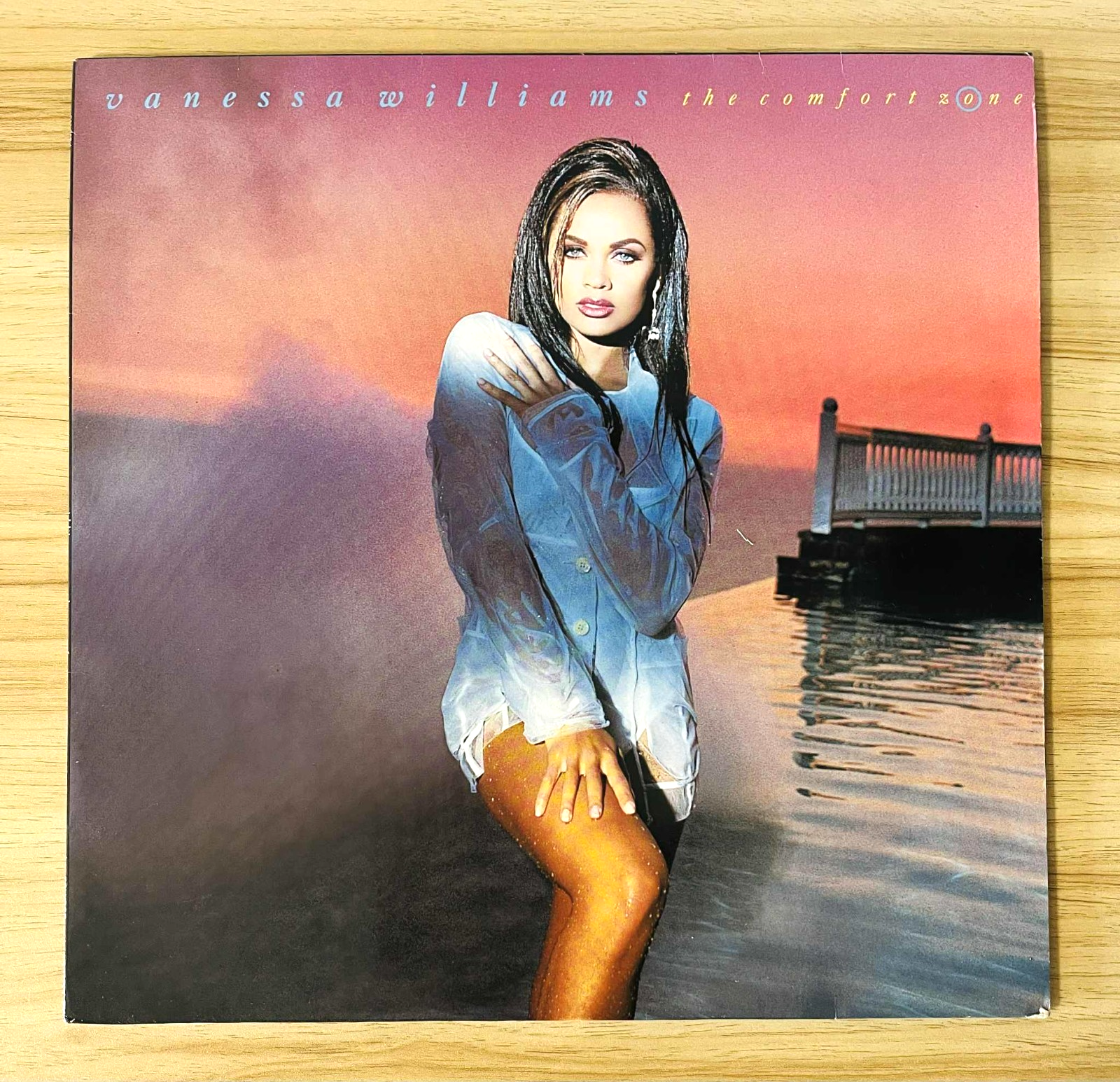
- 1991: The Comfort Zone (Triple Platinum)
- 1994: The Sweetest Days (Platinum)
The Triumph of The Comfort Zone and "Save the Best for Last"
Released in late 1991, Williams' second studio album, The Comfort Zone, proved to be her commercial and artistic breakthrough. The record yielded multiple hit singles, including the uptempo R&B tracks "Running Back to You" and "Work to Do." However, it was the ballad "Save the Best for Last" that propelled her into historic chart territory.
- Billboard Hot 100 Dominance: "Save the Best for Last" spent five consecutive weeks at #1 on the US Billboard Hot 100 in early 1992.
- Cross-Genre Appeal: The single simultaneously topped the Adult Contemporary, R&B, and international charts across Europe and Asia.
- Grammy Recognition: The Comfort Zone earned five Grammy Award nominations, validating Williams as a top-tier vocalist within the music industry.
The production of The Comfort Zone blended smooth urban contemporary arrangements with polished pop songwriting. Williams' nuanced vocal delivery challenged the prevailing radio trend of over-singing, opting instead for warmth, emotional restraint, and impeccable pitch.
Movie Soundtracks and "Colors of the Wind"
Williams became one of the most sought-after soundtrack vocalists of the decade. Her contribution to Walt Disney Pictures’ 1995 animated feature Pocahontas produced one of the most recognizable anthems of 1990s cinema.
Her single version of "Colors of the Wind" (composed by Alan Menken with lyrics by Stephen Schwartz) was a major international commercial hit. The song won:
- The Academy Award for Best Original Song (1995)
- The Golden Globe Award for Best Original Song (1995)
- The Grammy Award for Best Song Written Specifically for a Motion Picture or Television (1996)
By anchoring major studio soundtracks—including additional contributions to films like Beverly Hills 90210 and Eraser—Williams positioned her voice as an indispensable fixture of 90s family and adult contemporary media.
Breaking Hollywood Barriers: Film and Television Roles
Parallel to her music success, Williams dismantled traditional casting limitations for Black actresses in Hollywood during the 1990s. Rather than being restricted to sidekick characters or racially specific tropes, she secured high-budget studio action leads, romantic drama roles, and complex ensemble parts.
1990s Hollywood Film Strategy:
- Action Lead (Eraser, 1996)
- Drama & Culture (Soul Food, 1997)
- Urban Crime Drama (New Jack City, 1991)
Strategic Film Selection: From New Jack City to Eraser
Williams began the decade playing Keisha in the 1991 cult classic crime drama New Jack City, directed by Mario Van Peebles. The film was a critical and commercial success that captured the early 90s hip-hop cultural zeitgeist.
However, her role as Lee Cullen in the 1996 action blockbuster Eraser, opposite Arnold Schwarzenegger, marked a major industry milestone.
- Box Office Success: Eraser grossed over $240 million worldwide, making it one of the highest-grossing films of 1996.
- Non-Stereotypical Casting: Williams played a corporate whistleblower who was central to the plot, serving as the co-lead rather than a passive love interest or a racialized trope. Her casting in a high-budget action movie reflected a shift in studio willingness to feature Black women in mainstream blockbusters.
Cultural Resonance in Soul Food (1997)
In 1997, Williams starred as Teri Joseph in George Tillman Jr.’s acclaimed drama Soul Food. Playing an assertive, successful, yet emotionally conflicted attorney, Williams delivered a performance that earned her an NAACP Image Award for Outstanding Actress in a Motion Picture.
Soul Food celebrated African American family dynamics, traditions, and internal conflicts without catering to white audience expectations. Williams’ portrayal of Teri highlighted the nuanced pressures faced by modern professional Black women, earning widespread critical acclaim and solidifying the film as an enduring cultural classic.
Conquering Broadway: Reinterpreting Kiss of the Spider Woman
In 1994, Williams took on one of the most demanding challenges of her career by stepping into the starring role of Aurora/Spider Woman in the Broadway production of Kiss of the Spider Woman, replacing legendary theater icon Chita Rivera.
- Chita Rivera (Original Broadway Cast)
- Vanessa Williams (1994 Replacement)
- Critical acclaim from NY Times
- Established multi-hyphenate theater status
Broadway critics were initially skeptical about whether a pop recording star could handle the rigorous vocal range and complex choreography required by the Kander and Ebb musical. Williams silenced critics by delivering a powerhouse performance that earned rave reviews from The New York Times and extended the show's box-office viability.
This performance established her authority as a true multi-hyphenate artist who could seamlessly transition between recording studios, Hollywood film sets, and live Broadway theater. It paved the way for subsequent theater roles, including her Tony-nominated performance in the 2002 revival of Into the Woods.
Comparative Analysis: Key Milestones of Vanessa Williams' 1990s Career
The following table summarizes the key releases, projects, and cultural milestones that defined Vanessa Williams' career across music, film, and theater during the 1990s.
| Year | Project / Release | Medium | Industry Impact & Milestones | Cultural Significance |
|---|---|---|---|---|
| 1991 | New Jack City | Film | Box-office success; redefined early 90s urban cinema. | Anchored her presence in classic 90s Black cinema. |
| 1991 | The Comfort Zone | Album | Certified 3x Platinum by RIAA; earned 5 Grammy nominations. | Established her as a premier R&B/Pop vocalist. |
| 1992 | "Save the Best for Last" | Single | Spent 5 weeks at #1 on the US Billboard Hot 100. | Cross-genre pop hit that solidified mainstream stardom. |
| 1994 | Kiss of the Spider Woman | Broadway | Replaced Chita Rivera; received critical acclaim for theater vocals. | Proved elite musical theater capability. |
| 1994 | The Sweetest Days | Album | Certified Platinum; featured hits "Sweetest Days" and "Betcha Never." | Consolidated her adult contemporary radio dominance. |
| 1995 | "Colors of the Wind" (Pocahontas) | Movie Soundtrack | Won Academy Award, Golden Globe, and Grammy Award. | Classic soundtrack hit that exposed her voice to global family audiences. |
| 1996 | Eraser | Film | Grossed over $240M globally; co-starred with Arnold Schwarzenegger. | Rare 90s instance of a Black woman co-leading a major studio action film. |
| 1997 | Soul Food | Film | Won NAACP Image Award for Outstanding Actress. | Landmark depiction of Black family life and female executive dynamics. |
| 1998 | Dance with Me | Film | Co-starred with Chayanne; showcased Latin dance repertoire. | Expanded her versatility into international dance and romance genres. |
Broader Cultural Legacy: Fashion, Beauty Standards, and Industry Impact
Vanessa Williams’ presence in 1990s popular culture extended far beyond her record sales and box office receipts. Her image, fashion choices, and public demeanor played a quiet yet revolutionary role in altering mainstream perceptions of beauty, elegance, and professionalism.
Redefining Global Beauty Standards
As a fair-skinned Black woman with green eyes, Williams occupied a complex position in media representations of race during the late 20th century. While commentators sometimes debated the nuances of colorism, Williams consistently used her platform to champion diversity, elevate Black fashion designers, and showcase versatile representations of Black womanhood.
Her cover shoots for major fashion glossies throughout the decade—including Vogue, Glamour, Harper's Bazaar, and Essence—normalised Black glamour in mainstream beauty spaces that had historically excluded non-white women.
1990s Aesthetic Signature:
- High-Fashion Glamour (Vogue, Harper's Bazaar)
- Sophisticated Professional (Soul Food, Executive styling)
- Versatile Musical Icon (Pop/R&B video aesthetics)
The Blueprint for the Modern Multi-Hyphenate
Prior to the 1990s, American entertainment executives frequently encouraged artists to stay within a single discipline—warning singers against acting, or advising theater performers to avoid pop music. Williams resisted these arbitrary boundaries.
By balancing:
- Chart-topping R&B/Pop hits
- Grammy-nominated adult contemporary ballads
- Hollywood action and drama feature films
- Lead Broadway musical roles
she provided a clear structural template for future generations of multidimensional performers, such as Brandy, Beyoncé, Jennifer Hudson, and Janelle Monáe.
Frequently Asked Questions
What was Vanessa Williams' biggest music hit in the 1990s?
Vanessa Williams' biggest commercial music hit was "Save the Best for Last," released in early 1992 from her triple-platinum album The Comfort Zone. The ballad reached #1 on the US Billboard Hot 100 chart, where it remained for five consecutive weeks, while also topping the Adult Contemporary and R&B charts.
How did Vanessa Williams overcome the 1984 Miss America scandal?
Williams overcame the scandal by refusing to engage in sensationalized media disputes and focusing entirely on her artistic craft. Through vocal training, careful management, and high-quality artistic projects—starting with her 1988 debut album The Right Stuff and accelerating through her 1990s music, Broadway, and film roles—she demonstrated talent that surpassed tabloid coverage.
Did Vanessa Williams win an Oscar for "Colors of the Wind"?
While Williams performed the commercial single version of "Colors of the Wind" for Disney's Pocahontas (1995), the Academy Award for Best Original Song went officially to the song's songwriter Alan Menken and lyricist Stephen Schwartz. However, Williams' vocal recording was crucial to the song's global commercial success and led to her performing the track live at the 68th Academy Awards broadcast.
What major movies did Vanessa Williams star in during the 1990s?
Her most prominent 1990s films include:
- New Jack City (1991) as Keisha
- Eraser (1996) as Lee Cullen (co-starring Arnold Schwarzenegger)
- Soul Food (1997) as Teri Joseph
- Dance with Me (1998) as Ruby Sinclair
How did Vanessa Williams impact Broadway in the 1990s?
In 1994, Williams replaced Chita Rivera in the title role of Broadway's Kiss of the Spider Woman. Her performance received widespread critical acclaim, proving that pop stars could successfully deliver demanding live theater vocals and dance. This paved the way for her long-term theatrical career, including later Tony-nominated performances.
Key Takeaways and Legacy Assessment
Vanessa Williams’ cultural impact throughout the 1990s serves as an enduring masterclass in career reinvention, artistic excellence, and professional longevity. By refusing to let external controversy dictate her potential, she systematically dismantled barriers across four major entertainment sectors: music recording, film, television, and Broadway theater.
Her legacy offers several valuable lessons for modern cultural analysis and career longevity:
- Focus on Craft Over Controversy: Long-term professional credibility is sustained through consistent quality and skill rather than short-term publicity.
- Diversify Professional Portfolios: Crossing boundaries between film, music, and live theater protects artists against industry shifts and broadens demographic reach.
- Challenge Stereotypical Casting: Insisting on non-stereotypical, high-profile roles changes industry norms for marginalized performers.
Whether listening to her radio classics, reviewing her filmography, or evaluating the lineage of modern Black women in entertainment, Vanessa Williams' work in the 1990s remains a cornerstone of contemporary American pop culture history.
Image Gallery