Grifols Chicago West Irving Park Plasma Donation Center: Complete Guide for 2026
Navigating plasma donation at the Grifols Chicago West Irving Park location requires understanding donor eligibility, appointment protocols, compensation structures, and health safety measures. Situated in the northwest side of Chicago...
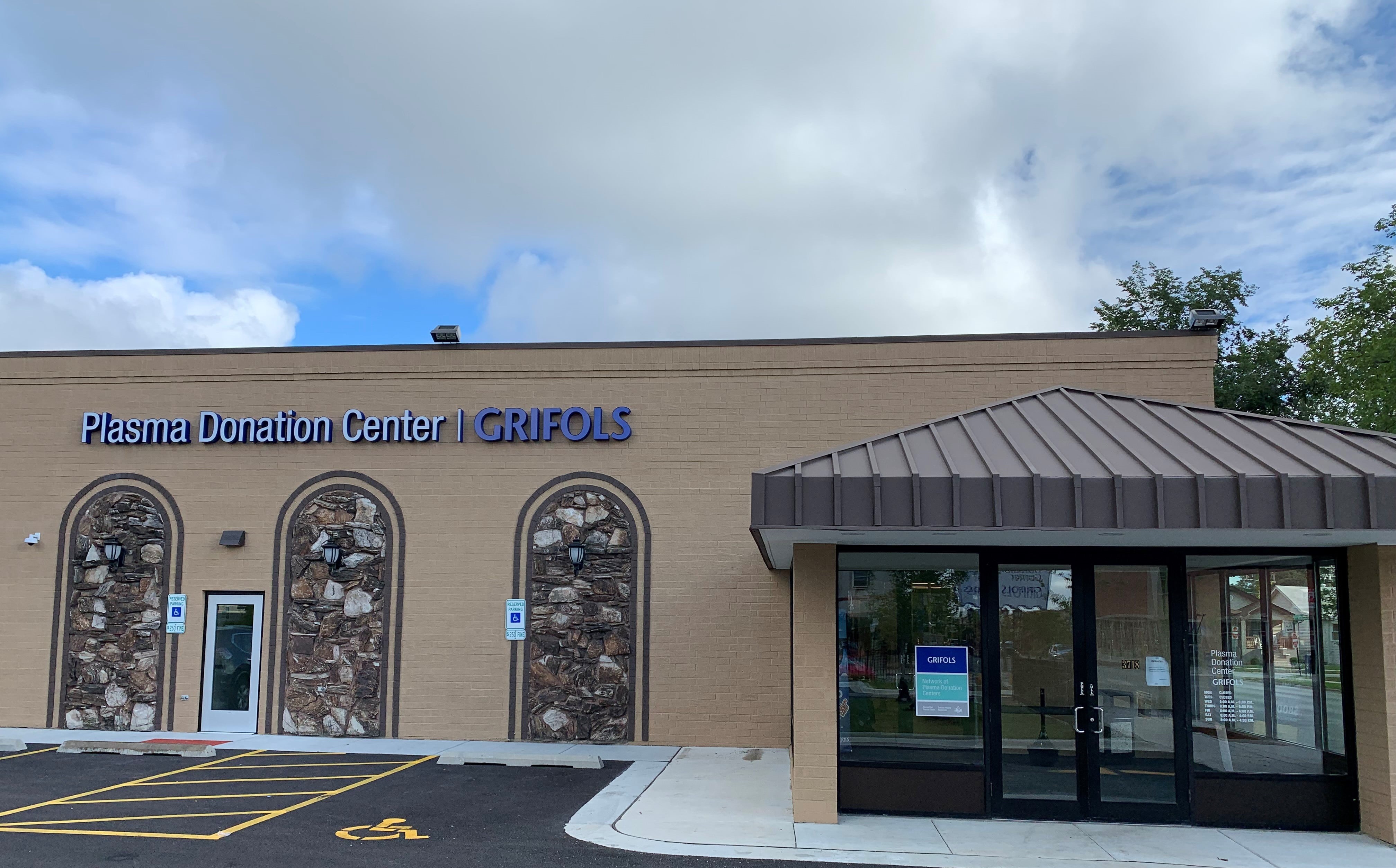
Navigating plasma donation at the Grifols Chicago West Irving Park location requires understanding donor eligibility, appointment protocols, compensation structures, and health safety measures. Situated in the northwest side of Chicago, this facility connects local donors with the supply chain necessary for manufacturing life-saving plasma-derived therapies.
Contents
Understanding the West Irving Park Location and Facility Context
The Grifols Chicago West Irving Park plasma donation facility operates as a vital link in the global supply chain for biotherapeutic medicines. Plasma collected at this site is processed into specialized protein therapies used to treat rare, chronic, and genetic conditions such as primary immunodeficiencies, alpha-1 antitrypsin deficiency, hemophilia, and emergency trauma situations.
Located strategically to serve the Northwest Side of Chicago including neighborhoods like Irving Park, Portage Park, Albany Park, and Dunning, the facility is accessible via major local thoroughfares and public transit lines operated by the Chicago Transit Authority (CTA). Proximity to major roads makes it a practical option for residents throughout the 60634, 60618, and surrounding ZIP codes.
Key Operational Characteristics
- Facility Type: Regulated commercial plasma collection center operated by Grifols Plasma, Inc.
- Regulatory Compliance: Operates under current Good Manufacturing Practices (cGMP) enforced by the U.S. Food and Drug Administration (FDA) and standards set by the Plasma Protein Therapeutics Association (PPTA).
- Primary Function: Automated plasmapheresis, separating whole blood into cellular components and liquid plasma, retaining the plasma while returning the red blood cells and platelets to the donor.
Donor Eligibility Requirements and Initial Screening Protocols
Before walking into the Grifols Chicago West Irving Park center, prospective donors must meet federal, state, and corporate health standards. These criteria ensure both the safety of the donor and the purity of the therapeutic products derived from the collected plasma.
Core Eligibility Criteria
- Age Requirements: Donors must be between 18 and 69 years old, in accordance with corporate and regulatory safety margins.
- Weight Threshold: Donors must weigh a minimum of 110 pounds (50 kg), as plasma volume extraction limits are calculated directly from total body weight.
- Identification Documents: First-time visitors must present a government-issued photo ID (such as a driver's license or state ID), proof of social security number or individual taxpayer identification number (ITIN), and official documentation proving current physical residency within the local area.
Health and Lifestyle Screenings
Every donation visit begins with a confidential health assessment. Staff members check vital signs, including blood pressure, pulse, and body temperature. A finger-stick blood sample is drawn to measure hematocrit (red blood cell percentage) and total protein levels using refractometry.
Medical History Disqualifications: Temporary or permanent deferrals are issued based on recent tattoos or piercings (depending on state regulation and sterile application), certain travel histories to malaria-endemic regions, specific prescription medication usage, and chronic medical conditions. Honesty during the health questionnaire is mandatory for regulatory compliance.
The Plasma Donation Process Step-by-Step
Knowing what to expect during a visit to the West Irving Park center helps streamline the experience, minimizing wait times and maximizing donor comfort. The entire process from entry to exit typically takes between 90 and 120 minutes for repeat donors, while initial visits can take up to three hours due to the comprehensive medical intake.
Step 1: Registration and Medical History
Upon arrival, donors scan identification at the self-service kiosks or check in with front desk personnel. Following check-in, donors complete a touch-screen health questionnaire covering daily wellness, recent medications, and lifestyle factors.
Step 2: Physical Examination and Lab Screening
A medical professional reviews the questionnaire in a private screening booth, takes vital signs, and performs the finger-stick test to verify iron and protein parameters. If any metric falls outside acceptable safety ranges, the donation is deferred for that day.
Step 3: The Plasmapheresis Procedure
Once cleared, the donor is escorted to the donation floor. A sterile, single-use needle is placed in the antecubital vein of the arm. An automated apheresis machine draws blood, centrifuges it to separate the pale yellow plasma from cellular components, and returns the blood cells safely back to the body along with sterile saline solution to maintain fluid balance. This cycle repeats several times over approximately 45 to 90 minutes.
Step 4: Post-Donation Recovery and Compensation
After needle removal, pressure is applied to the site, and a bandage is secured. Donors proceed to the recovery area for refreshments to replenish fluids and electrolytes. Compensation is loaded onto a prepaid debit card immediately following successful donation completion.
Compensation, Financial Structures, and Incentives
Donors are compensated for their time and the physical commitment required for plasma donation. Because plasma cannot be manufactured synthetically, commercial collection centers utilize tiered payment structures to encourage regular, reliable donation schedules.
Understanding Compensation Models
- New Donor Bonuses: Grifols typically structures initial-month programs offering higher payouts across the first five to eight donations to incentivize completion of the onboarding cycle.
- Tiered Weight-Based Pay: Payout amounts often scale depending on donor weight tiers (e.g., 110-149 lbs, 150-174 lbs, 175+ lbs), as higher body weights allow for larger safe collection volumes (typically between 690ml and 880ml per session).
- Loyalty and Promotional Bumps: Returning donors who maintain a frequency of twice a week (with at least 48 hours between donations, not exceeding two donations in a rolling seven-day period) qualify for ongoing loyalty bonuses.
| Donation Milestone | Estimated Payout Range | Notes & Requirements |
|---|---|---|
| Donation 1 (New Donor) | $50 - $100 | Includes initial physical exam and intake processing time. |
| Donations 2 through 5 | $75 - $125 per visit | Higher rates to encourage completion of the new donor program. |
| Standard Return Donation | $40 - $70 per visit | Varies based on promotional schedules, weight class, and frequency. |
| Weekly Completion Bonus | $20 - $50 extra | Awarded for completing two successful donations within a single calendar week. |
Health Preparation, Diet, and Post-Care Best Practices
Preparing the body properly ensures a smooth donation session and prevents common side effects such as lightheadedness, fatigue, or localized bruising.
Pre-Donation Checklist
- Hydration: Drink 6 to 8 glasses of water or electrolyte-rich fluids in the 24 hours leading up to the appointment. Avoid alcohol and excessive caffeine on donation days.
- Dietary Intake: Eat a substantial, high-protein, low-fat meal within two to three hours before arriving. Avoid greasy, fatty foods (such as fast food or heavy dairy), as high fat content in the blood causes lipemic plasma, which must be discarded.
- Rest: Ensure adequate sleep the night before the donation.
Post-Donation Care
- Keep the Bandage On: Leave the pressure bandage in place for at least two to four hours to prevent bruising or minor sub-dermal bleeding.
- Avoid Strenuous Activity: Refrain from heavy lifting, high-intensity workouts, or contact sports for the rest of the day.
- Continue Hydrating: Drink extra fluids throughout the remainder of the day to restore blood volume and prevent dehydration.
Pros and Cons of Donating Plasma at Commercial Centers
Weighing the advantages and drawbacks helps prospective donors decide if regular plasma donation aligns with their lifestyle and financial goals.
Advantages
- Direct Impact on Patients: Contributes directly to the global supply of specialty therapeutics for patients with chronic and terminal illnesses.
- Supplemental Income: Provides reliable, immediate compensation loaded onto a reloadable debit card after every completed session.
- Regular Health Monitoring: Donors receive complimentary mini-physicals, blood pressure readings, protein checks, and hematocrit screenings at every visit.
Drawbacks
- Time Commitment: The entire process takes up to two hours per visit, requiring careful scheduling for working professionals or students.
- Physical Demands: Frequent venipuncture can cause scar tissue formation at the needle site (often referred to as tracking) and occasional temporary bruising or fatigue.
- Strict Deferral Rules: Temporary health hurdles, low iron levels, or minor medication changes can result in unexpected temporary deferrals, interrupting regular income streams.
Frequently Asked Questions
How often can I donate plasma at the Grifols Chicago West Irving Park center?
Federal regulations and company policy permit healthy individuals to donate plasma up to two times in a rolling seven-day period, provided there is a minimum of 48 hours between consecutive donations.
What should I bring to my first appointment at the West Irving Park location?
First-time donors must bring a valid government-issued photo ID, proof of social security number or ITIN, and a document verifying current residential address, such as a utility bill or lease agreement.
Does plasma donation hurt?
The initial pinch of the needle insertion feels similar to a standard routine blood draw. Once the needle is secured, the automated plasmapheresis process is painless, though some donors experience mild coolness as the saline is returned.
Why is dietary fat important when preparing for plasma donation?
Eating a low-fat meal is crucial because high levels of dietary fat turn the plasma milky or cloudy (lipemic). Lipemic plasma cannot be processed safely into therapeutic medicines and must be discarded, resulting in a cancelled donation credit.
How is compensation paid out?
Grifols pays donors via a reloadable pre-paid debit card issued during the first visit. Funds are automatically loaded onto this card immediately following the successful completion of each subsequent plasma donation.
What happens if my iron or protein levels are too low?
If your hematocrit or total protein levels fall below the required safety threshold during the pre-donation screening, staff will defer your donation for that day. This is a temporary measure designed to protect your personal health, and you are welcome to return once your levels recover.
Practical Recommendation
For residents in the Chicago Northwest Side looking to supplement their income while contributing to the biopharmaceutical supply chain, scheduling an initial consultation at the Grifols Chicago West Irving Park plasma donation center is a straightforward process. Prioritize thorough hydration and a balanced, low-fat meal before your appointment to ensure eligibility and streamline your onboarding experience. Check online for current new-donor promotion codes to maximize your introductory payout earnings.
Image Gallery