Bathroom Remodel Orange County Cost Ranges and Permit Fees: 2026 Planning Guide
In 2026, a bathroom remodel in Orange County typically costs between $15,000 for a minor refresh and $120,000 for a luxury primary suite expansion. Permit fees generally range from $600 to $2,800, depending on the project’s valuation a...
In 2026, a bathroom remodel in Orange County typically costs between $15,000 for a minor refresh and $120,000 for a luxury primary suite expansion. Permit fees generally range from $600 to $2,800, depending on the project’s valuation and specific city jurisdiction, such as Irvine, Anaheim, or Newport Beach.
Contents
Navigating a bathroom renovation in Orange County (OC) requires a nuanced understanding of both high-end market trends and some of the strictest building codes in the United States. Because Southern California labor rates and material logistics remain premium, homeowners must budget for costs that often exceed national averages by 20% to 35%. Beyond the aesthetic choices of tile and vanities, the logistical landscape of 2026 involves mandatory compliance with evolving energy efficiency standards and city-specific fee schedules.
Understanding the Cost of Bathroom Remodeling in Orange County
The total investment for an OC bathroom remodel is dictated primarily by the scope of work: whether you are performing a "pull and replace" (keeping the layout identical) or a "custom reconfiguration" (moving plumbing, walls, and electrical).
Cosmetic Refresh (Guest or Powder Room)
For a standard powder room or a small guest bathroom, costs in 2026 range from $12,000 to $25,000. This budget typically covers the replacement of the vanity, toilet, and floor tile, along with fresh paint and updated lighting. In these projects, the plumbing remains in its original location, which significantly reduces labor costs and minimizes the complexity of the required permits.
Standard Full Remodel
A standard 5' x 8' full bathroom renovation—common in tract homes across Huntington Beach, Fullerton, and Mission Viejo—usually falls between $30,000 and $55,000. This includes a new tub or shower enclosure with updated waterproofing systems, mid-range porcelain tiling, a stone countertop, and high-quality fixtures. At this level, most homeowners opt for minor electrical upgrades, such as adding GFCI outlets or recessed LED lighting.
Luxury Primary Suite Transformation
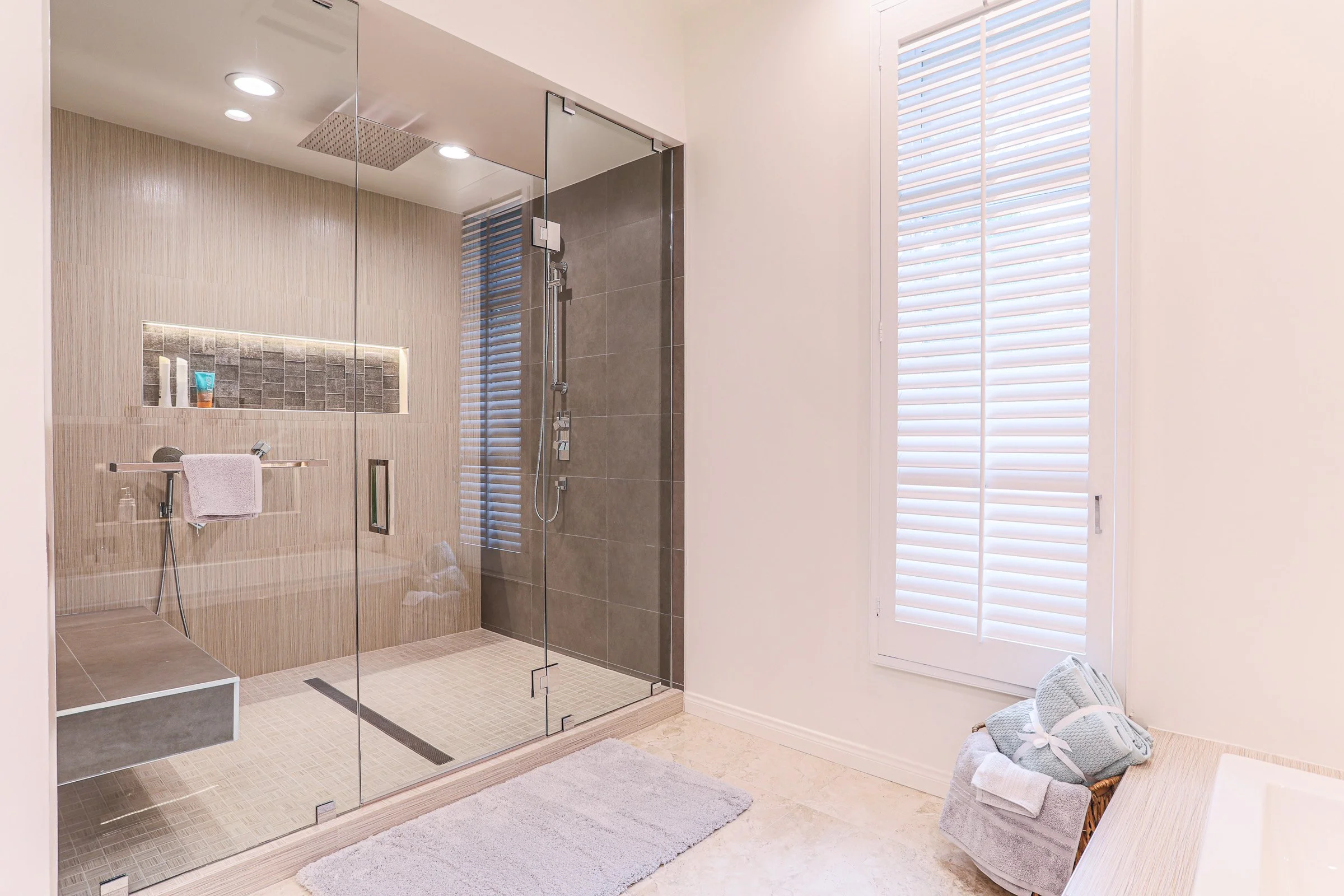
For primary bathrooms in affluent areas like Laguna Beach or Newport Coast, budgets often start at $65,000 and can exceed $150,000. These projects frequently involve structural changes, such as moving the shower location, adding a freestanding soaking tub, or expanding the bathroom footprint into an adjacent closet. High-end materials like natural marble, steam showers with digital controls, and heated flooring systems are standard features in this price bracket.
Detailed Breakdown of Renovation Expenses
To understand where the money goes, one must look at the specific cost drivers unique to the Orange County market in 2026.
Labor and Specialized Trades
Labor remains the single largest expense, often accounting for 50% to 60% of the total project cost. In Orange County, the high cost of living reflects in the hourly rates of licensed contractors. Expect to pay:
- General Contractors: 15% to 25% management fee on top of sub-contractor costs.
- Plumbers and Electricians: $95 to $160 per hour.
- Tile Setters: $15 to $30 per square foot for labor only, depending on the complexity of the pattern (e.g., herringbone or large-format slabs).
Materials and Fixtures
Orange County homeowners have local access to high-end showrooms like those at the Stonemill Design Center or various boutiques in Costa Mesa.
- Vanities: $1,500 to $6,000 for pre-fabricated units; $8,000+ for custom cabinetry.
- Shower Systems: High-efficiency thermostatic valves and rain heads from brands like Brizo or Newport Brass range from $1,200 to $4,500.
- Tile: While ceramic tile starts at $5 per square foot, luxury natural stone or handmade Zellige tiles can reach $40 to $70 per square foot.
Navigating Orange County Permit Fees and Regulations
Permitting is a non-negotiable aspect of remodeling in California. In 2026, building departments across Orange County have streamlined digital submission processes, but the technical requirements remain rigorous.
The Role of Valuation-Based Fees
Most OC cities, including Santa Ana and Anaheim, calculate permit fees based on the project valuation. This is the total cost of labor and materials. A typical $40,000 remodel may trigger a permit fee of approximately $900, whereas a $100,000 expansion could cost $2,500 or more in administrative and inspection fees.
California Title 24 and CalGreen Compliance
All bathroom remodels in Orange County must comply with California Code of Regulations Title 24. In 2026, this means:
- Lighting: All luminaires must be high-efficacy (LED) and controlled by occupancy sensors or dimmers.
- Water Efficiency: Showerheads cannot exceed a flow rate of 1.8 gallons per minute (GPM), and toilets must be "High-Efficiency" (HET), using 1.28 gallons per flush or less.
- Ventilation: A humidistat-controlled exhaust fan is mandatory to prevent mold and ensure indoor air quality.
City vs. County Jurisdiction
If you live in an unincorporated area (like parts of North Tustin or Ladera Ranch), you will deal with OC Public Works. However, if you are within city limits, you must follow that specific city’s building department guidelines. For example, the City of Irvine is known for a thorough "Plan Check" process that may take 2 to 4 weeks before a permit is issued.
Comparison of Estimated Costs and Permit Fees by City (2026)
The following table provides a comparative look at estimated project costs and the associated permit/plan check fees for a standard full bathroom remodel across various Orange County jurisdictions.
| City Jurisdiction | Average Remodel Cost (Standard) | Estimated Permit Fees | Plan Check Requirement |
|---|---|---|---|
| Irvine | $35,000 - $60,000 | $1,200 - $1,800 | Yes (Strict Title 24) |
| Anaheim | $30,000 - $50,000 | $850 - $1,400 | Yes |
| Newport Beach | $55,000 - $100,000+ | $1,800 - $3,200 | Yes (Valuation-based) |
| Santa Ana | $28,000 - $48,000 | $700 - $1,200 | Yes |
| Mission Viejo | $32,000 - $55,000 | $900 - $1,500 | Yes |
| Unincorporated OC | $30,000 - $55,000 | $800 - $1,400 | Yes (via OC Public Works) |
Common Mistakes and Hidden Costs
In the specific environment of Southern California, several factors can unexpectedly inflate a bathroom budget.
Asbestos and Lead Testing
For homes built before 1978 (prevalent in older parts of Orange, Tustin, and Fullerton), contractors are legally required to test for lead-based paint and asbestos in acoustic ceiling spray or floor tile mastic. Abatement can add $2,000 to $5,000 to the initial demolition phase.
Subfloor and Termite Damage
Orange County's climate is susceptible to subterranean termites. Once a shower pan is pulled up, it is common to find dry rot or termite damage in the wooden subfloor. Repairing these structural elements is essential but rarely included in the initial "aesthetic" quote.
HOA Approval Processes
Many OC residents live in communities governed by Homeowners Associations (HOAs). In 2026, some HOAs require their own architectural review, which can add 30 to 60 days to the timeline and may involve a separate application fee. Failing to get HOA approval before starting work can lead to heavy fines or a "stop-work" order, even if the city has issued a permit.
Frequently Asked Questions
Can I perform a bathroom remodel in Orange County without a permit? While some homeowners attempt "unpermitted" work to save money, it is highly discouraged. In Orange County, unpermitted renovations can lead to complications when selling the home, as inspectors or savvy buyers will check permit history. Furthermore, if a leak or electrical fire occurs in an unpermitted bathroom, your homeowner's insurance provider may deny the claim.
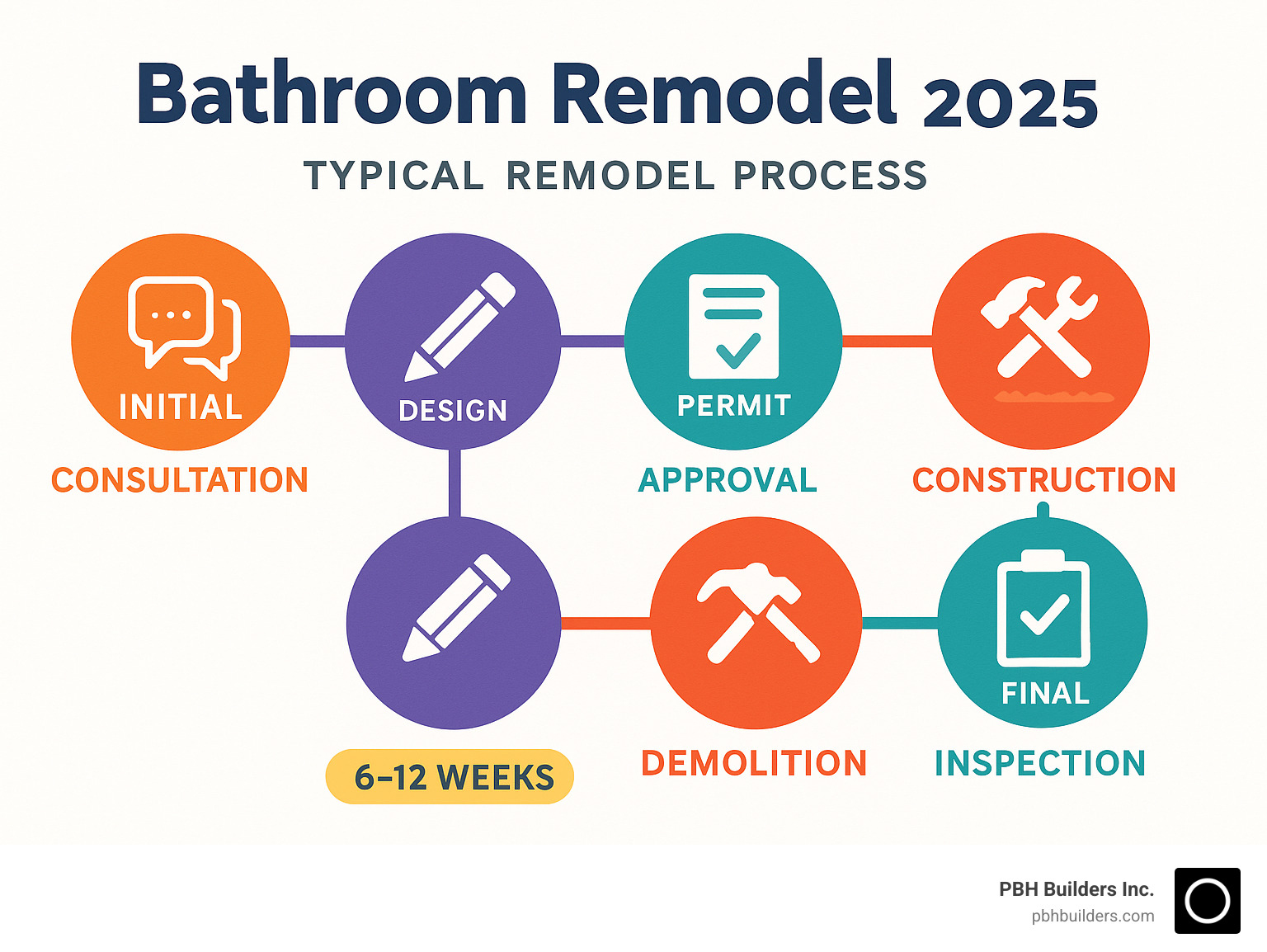
How long does a typical bathroom remodel take in OC? For a standard remodel, expect the process to take 6 to 10 weeks. This includes roughly 2 weeks for demolition and rough-in plumbing, 2 weeks for inspections and waterproofing, and 3 to 4 weeks for tile work, cabinetry, and final fixture installation. Complex custom projects can take 4 months or longer.
What is the ROI on a bathroom remodel in Southern California? In 2026, bathroom remodels remain one of the highest-yield home improvements in Orange County. On average, homeowners can expect to recoup 60% to 75% of the project cost in added home value. In competitive markets like South County, an updated primary bathroom is often the deciding factor for buyers.
Why are permit fees higher in some OC cities than others? Permit fees are usually a combination of administrative overhead, the hourly rate of the plan checker, and a percentage of the project's valuation. Cities with more extensive review processes or higher local tax requirements, such as Newport Beach or Laguna Beach, often have higher fee schedules to cover the cost of specialized inspectors.
Do I need an architect for a bathroom remodel? If you are not changing the footprint of the room or moving load-bearing walls, a licensed general contractor can usually handle the "design-build" aspect and draft the necessary plans for the city. However, for significant structural changes or high-end custom additions, hiring an architect or interior designer is recommended to ensure the plans meet the California Building Standards Code.
Final Recommendations for Homeowners
When planning your bathroom remodel in Orange County for 2026, your first step should be to define your scope and obtain at least three bids from licensed, bonded, and insured contractors. Use the California Contractors State License Board (CSLB) to verify the status of any professional you consider hiring.
Before signing a contract, visit your local city’s building department website to download the "Residential Bathroom Remodel" checklist. This document will outline exactly what the city expects in terms of Title 24 compliance and plan submissions. Finally, always include a 10% to 15% contingency fund in your budget to account for the "behind the wall" surprises common in Southern California's aging housing stock.
Image Gallery