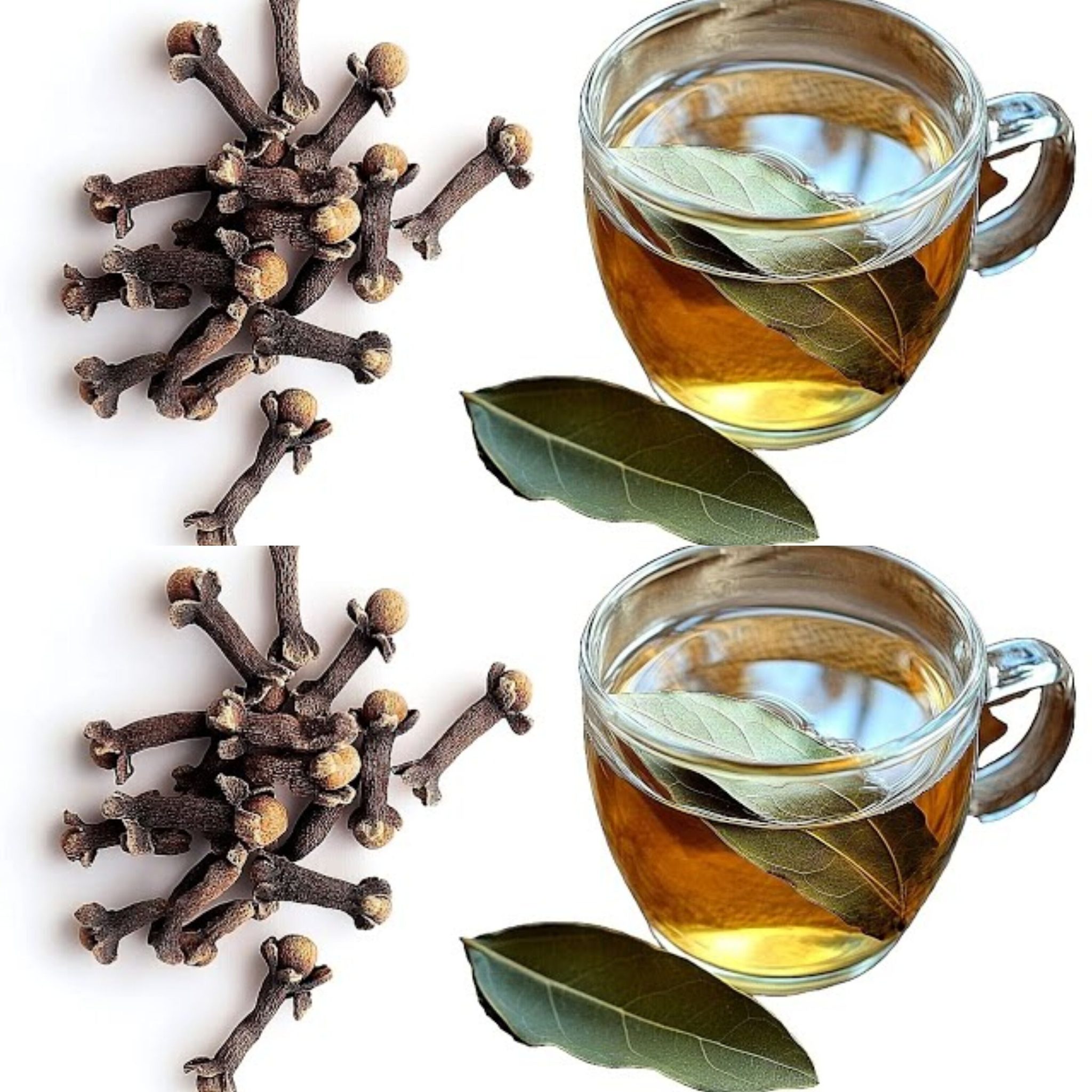
Scientific Health Benefits of Bay Leaf Tea: 2026 Comprehensive Wellness Guide
Bay leaf tea is a potent herbal infusion known for its ability to improve digestive efficiency, regulate blood sugar levels, and enhance cardiovascular health. Rich in antioxidants like polyphenols and essential oils such as eucalyptol...
Bay leaf tea is a potent herbal infusion known for its ability to improve digestive efficiency, regulate blood sugar levels, and enhance cardiovascular health. Rich in antioxidants like polyphenols and essential oils such as eucalyptol, this tea serves as an effective anti-inflammatory agent and respiratory aid. As of 2026, it remains a cornerstone of functional nutrition for its role in metabolic support and stress reduction.
Contents
The use of Laurus nobilis, commonly known as the bay laurel, has transitioned from ancient culinary traditions into the modern 2026 therapeutic landscape. While most households utilize the dried leaves to flavor stews and sauces, the concentrated infusion of these leaves into a tea unlocks a sophisticated profile of volatile oils and phytochemicals. This guide analyzes the clinical and traditional evidence supporting the consumption of bay leaf tea, providing a technical deep dive into how these compounds interact with human physiology.
The Biochemical Profile of Laurus Nobilis
To understand why bay leaf tea is beneficial, one must first examine its complex chemical composition. The leaves of the bay laurel are not merely aromatic; they are dense repositories of bioactive compounds that survive the brewing process when handled correctly.
Essential Oils and Terpenes
The primary therapeutic value of bay leaf tea resides in its volatile oils. In 2026, laboratory standards emphasize the presence of the following key components:
- 1,8-Cineole (Eucalyptol): Comprising up to 50% of the essential oil, this compound is a powerful mucolytic and anti-inflammatory agent, particularly effective for the respiratory system.
- Linalool: Known for its calming effects on the central nervous system, helping to mitigate cortisol production.
- Alpha-Pinene: A bronchodilator that aids in oxygen uptake and provides antimicrobial properties.
Polyphenols and Flavonoids
Beyond the aromatics, bay leaf tea contains significant concentrations of rutin, quercetin, and caffeic acid. These polyphenols are crucial for vascular health, as they strengthen capillary walls and lower oxidative stress within the endothelium. Caffeic acid, in particular, is noted for its ability to help eliminate "bad" LDL cholesterol from the cardiovascular system.
Metabolic and Glycemic Regulation
One of the most significant applications of bay leaf tea in 2026 is its role in metabolic health, specifically concerning glucose metabolism. Research consistently indicates that components in bay leaves enhance insulin receptor function.
Improving Insulin Sensitivity
The active phytochemicals in bay leaf tea assist the body in processing glucose more efficiently. For individuals managing pre-diabetes or Type 2 diabetes, regular consumption of this infusion has been shown to lower serum glucose levels. By improving the responsiveness of insulin receptors, the tea helps prevent the sharp "spikes" and "crashes" associated with high-carbohydrate meals.
Lipid Profile Optimization
Clinical observations suggest that a 30-day regimen of bay leaf tea can lead to a measurable reduction in triglycerides and LDL cholesterol. This is attributed to the synergistic effect of fiber-like compounds (even in tea form) and antioxidant polyphenols that inhibit lipid peroxidation.
Digestive System Optimization and Gastrointestinal Relief
Bay leaf tea has long been utilized as a "digestive tonic." In the current 2026 wellness paradigm, it is frequently recommended for functional gastrointestinal disorders due to its carminative properties.
Enzyme Promotion and Nutrient Absorption
The compounds in bay leaf tea stimulate the secretion of digestive juices and enzymes. This acceleration of the digestive process helps break down complex proteins and fats more effectively, reducing the time food sits in the digestive tract.
Addressing Bloating and Dysbiosis
As a carminative, bay leaf tea excels at expelling gas from the stomach and intestines. Furthermore, it possesses mild antifungal and antibacterial properties that help manage gut dysbiosis (an imbalance of gut bacteria), which is often the underlying cause of chronic bloating and indigestion.
Expert Insight on Digestive Efficacy
Thermal Extraction and Bioavailability When preparing bay leaf tea for digestive purposes, it is vital to use water that has just reached the boiling point. The heat facilitates the release of parthenolides, which are sesquiterpene lactones that have traditionally been used to treat stomach upsets and stimulate appetite.
Standardized Brewing Protocols For maximum therapeutic effect, the leaves should be simmered (decoction) rather than just steeped (infusion). This process ensures that the tougher cellular walls of the dried leaves are broken down, releasing the fixed oils that contribute to gastrointestinal lining repair.
Cardiovascular Support and Vascular Integrity
The heart-healthy reputation of bay leaf tea stems from its unique combination of organic compounds that target the structural integrity of the circulatory system.
- Strengthening Capillaries: The rutin found in bay leaves is a bioflavonoid that strengthens the walls of capillaries throughout the body, particularly in the extremities and the heart.
- Blood Pressure Modulation: The mild diuretic effect of the tea helps in managing fluid retention, which naturally assists in maintaining healthy blood pressure levels.
- Antioxidant Protection: By neutralizing free radicals, the tea prevents the oxidation of cholesterol, a primary step in the formation of arterial plaque.
Respiratory Health and Immune Defense
In 2026, herbal teas are increasingly used as complementary therapies for seasonal respiratory issues. Bay leaf tea acts as a natural expectorant, helping to clear the lungs and sinuses.
Clearing Airway Congestion
The eucalyptol in bay leaf tea acts as a potent decongestant. Drinking the tea provides a double benefit: the heat and steam help loosen mucus in the nasal passages, while the ingested compounds work systemically to reduce inflammation in the bronchial tubes.
Antimicrobial Action
The leaves contain parthenolide and other phytonutrients that exhibit antibacterial properties. While not a replacement for antibiotics, bay leaf tea can support the immune system during the early stages of a viral or bacterial infection by creating an environment less hospitable to pathogens.
Comparison of Herbal Teas for Specific Health Goals
The following table compares bay leaf tea with other common herbal infusions to help you determine which best suits your 2026 wellness objectives.
| Tea Variety | Primary Bioactive Compound | Major Health Benefit | Glycemic Impact | Best Time to Consume |
|---|---|---|---|---|
| Bay Leaf Tea | 1,8-Cineole, Rutin | Digestion & Blood Sugar | High (Lowering) | Post-meal |
| Green Tea | EGCG (Catechins) | Metabolism & Focus | Moderate | Morning/Afternoon |
| Peppermint Tea | Menthol | IBS & Digestion | Neutral | After heavy meals |
| Ginger Tea | Gingerol | Nausea & Inflammation | Moderate | Anytime |
| Chamomile Tea | Apigenin | Sleep & Anxiety | Neutral | Before Bed |
Preparation Guide: How to Brew Bay Leaf Tea for Maximum Potency
To ensure you are receiving the full spectrum of benefits, follow this 2026 standardized brewing method.
Ingredients and Requirements
- 3–4 dried organic Bay Leaves (Laurus nobilis).
- 500ml of filtered water.
- Optional: One small cinnamon stick (to enhance the glycemic-lowering effect).
Step-by-Step Instructions
- Boil the Water: Bring 500ml of water to a rolling boil in a stainless steel or glass pot. Avoid aluminum cookware to prevent metallic leaching.
- Add the Leaves: Add the bay leaves (and cinnamon if desired). Reduce the heat to a low simmer.
- The Decoction Process: Simmer the leaves for 3–5 minutes. This is longer than a standard tea steep because bay leaves are fibrous and require more heat to release their essential oils.
- Steeping Phase: Turn off the heat, cover the pot with a lid to trap the volatile oils (steam), and let it sit for an additional 10 minutes.
- Strain and Serve: Remove the leaves. The tea should have a pale gold to amber hue and a deeply aromatic, woody scent.
Safety, Contraindications, and Side Effects
While bay leaf tea is generally recognized as safe (GRAS) for most adults, specific precautions must be observed in 2026 clinical guidelines.
- Surgical Procedures: Due to its effect on blood sugar levels and its potential to slow down the central nervous system (when combined with anesthesia), stop consuming bay leaf tea at least two weeks before any scheduled surgery.
- Pregnancy and Breastfeeding: There is insufficient clinical data to confirm the safety of concentrated bay leaf infusions during pregnancy. It is recommended to stick to culinary amounts only.
- Diabetes Medication Interaction: Because bay leaf tea can lower blood sugar, those already taking insulin or metformin should monitor their glucose levels closely to avoid hypoglycemia.
- Physical Leaf Hazard: Always strain the tea. The whole bay leaf remains rigid even after boiling and can pose a choking hazard or cause damage to the digestive tract lining if swallowed.
Frequently Asked Questions
Can I drink bay leaf tea every day?
Yes, for most healthy individuals, one to two cups per day is considered safe and effective for maintaining digestive and metabolic health. However, as with any herbal supplement, it is advisable to take a "rest period" of one week after every three weeks of daily consumption to prevent the body from building a tolerance to the active compounds.
Does bay leaf tea help with weight loss?
Bay leaf tea is not a "magic" weight loss solution, but it supports weight management in 2026 by optimizing digestion and regulating insulin. By preventing blood sugar spikes, it can reduce cravings for sugar and refined carbohydrates, making it easier to maintain a caloric deficit.
Is bay leaf tea good for anxiety and sleep?
While not as potent as valerian root or chamomile, bay leaf tea contains linalool, which has sedative properties. Drinking a cup in the evening can help lower physiological stress markers, such as heart rate and cortisol, promoting a sense of calm conducive to sleep.
Can bay leaf tea improve skin health?
The high antioxidant content helps combat oxidative stress, which is a leading cause of premature skin aging. Additionally, its antibacterial properties can help manage internal inflammation that often manifests as skin conditions like acne or eczema.
Should I use fresh or dried bay leaves for tea?
Dried leaves are generally preferred for tea. The drying process actually concentrates the essential oils and reduces the bitterness found in fresh leaves. Ensure your dried leaves are still fragrant; if they have lost their scent, they have likely lost their therapeutic potency.
Does bay leaf tea contain caffeine?
No, pure bay leaf tea is naturally caffeine-free. This makes it an excellent choice for those looking for a therapeutic beverage that can be consumed late in the day without disrupting sleep patterns.
Strategic Recommendation for 2026 Wellness
Incorporating bay leaf tea into your daily routine is a high-value, low-cost strategy for improving metabolic resilience. To see the best results, consume the tea approximately 20–30 minutes after your largest meal of the day. This timing maximizes the tea’s ability to assist in glucose disposal and digestive enzyme stimulation. Always source organic, non-irradiated leaves to ensure the chemical profile is untainted by pesticides or heavy metals. If you are currently managing a chronic condition, specifically diabetes or hypertension, consult with your healthcare provider to integrate this herbal tea safely into your existing treatment plan.
Image Gallery