Understanding Icelandair Flight 622: Operations, Route Mechanics, and Passenger Guidance
Icelandair Flight 622 typically serves as a key transatlantic link connecting North American or European gateways through Keflavík International Airport (KEF). Navigating international flight itineraries requires a solid understanding...
Icelandair Flight 622 typically serves as a key transatlantic link connecting North American or European gateways through Keflavík International Airport (KEF). Navigating international flight itineraries requires a solid understanding of scheduling variables, aircraft utilization, connection protocols, and passenger rights under modern aviation regulations.
Contents
Decoding Flight Designators and Transatlantic Route Networks
Flight designators like Icelandair Flight 622 represent more than simple numbers; they are precise logistical markers used by air traffic management, ground crews, and airline operations centers. In commercial aviation, flight numbers rotate based on seasonal schedules, aircraft rotations, and bilateral aviation agreements.
Icelandair operates a hub-and-spoke model centered at Keflavík International Airport. This geographic advantage allows the carrier to funnel passengers from North American cities—such as New York (JFK), Boston (BOS), or Seattle (SEA)—into KEF, where they seamlessly connect to European destinations like London (LHR), Paris (CDG), or Copenhagen (CPH).
Understanding how Flight 622 fits into this network involves analyzing several operational variables:
- Seasonal Schedule Shifts: Flight times and frequencies adjust between summer peak schedules and winter reduced-frequency timetables.
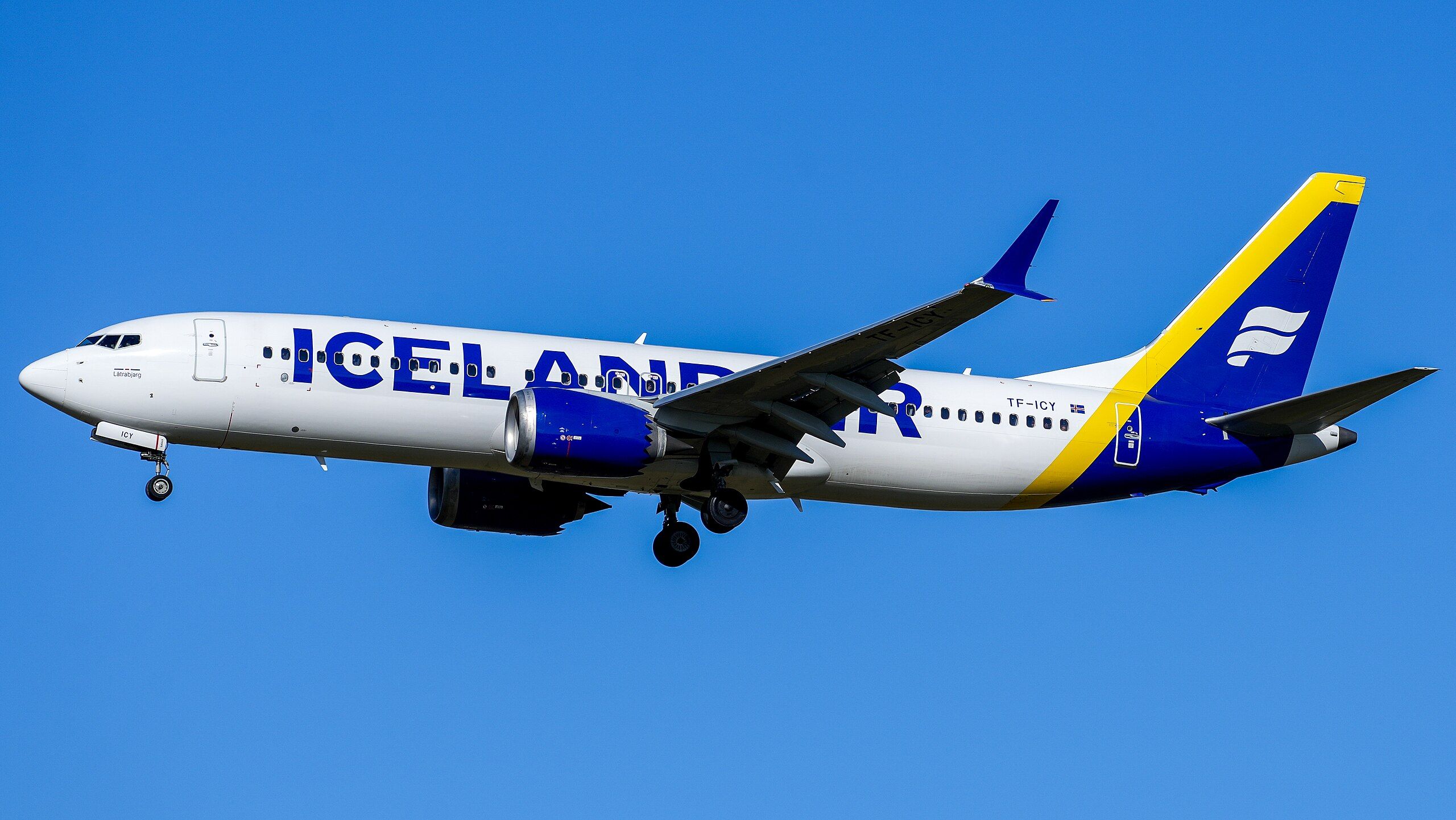
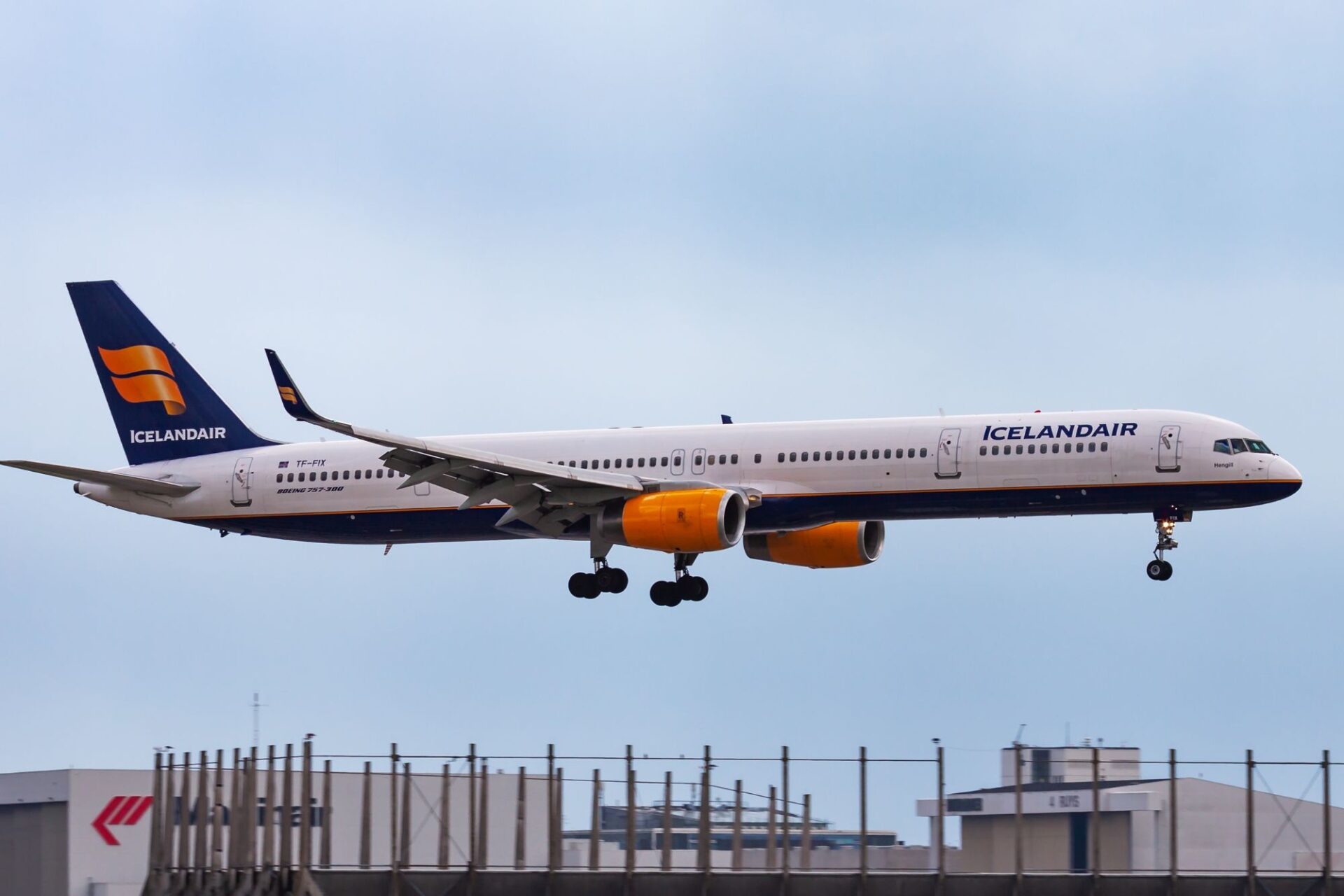
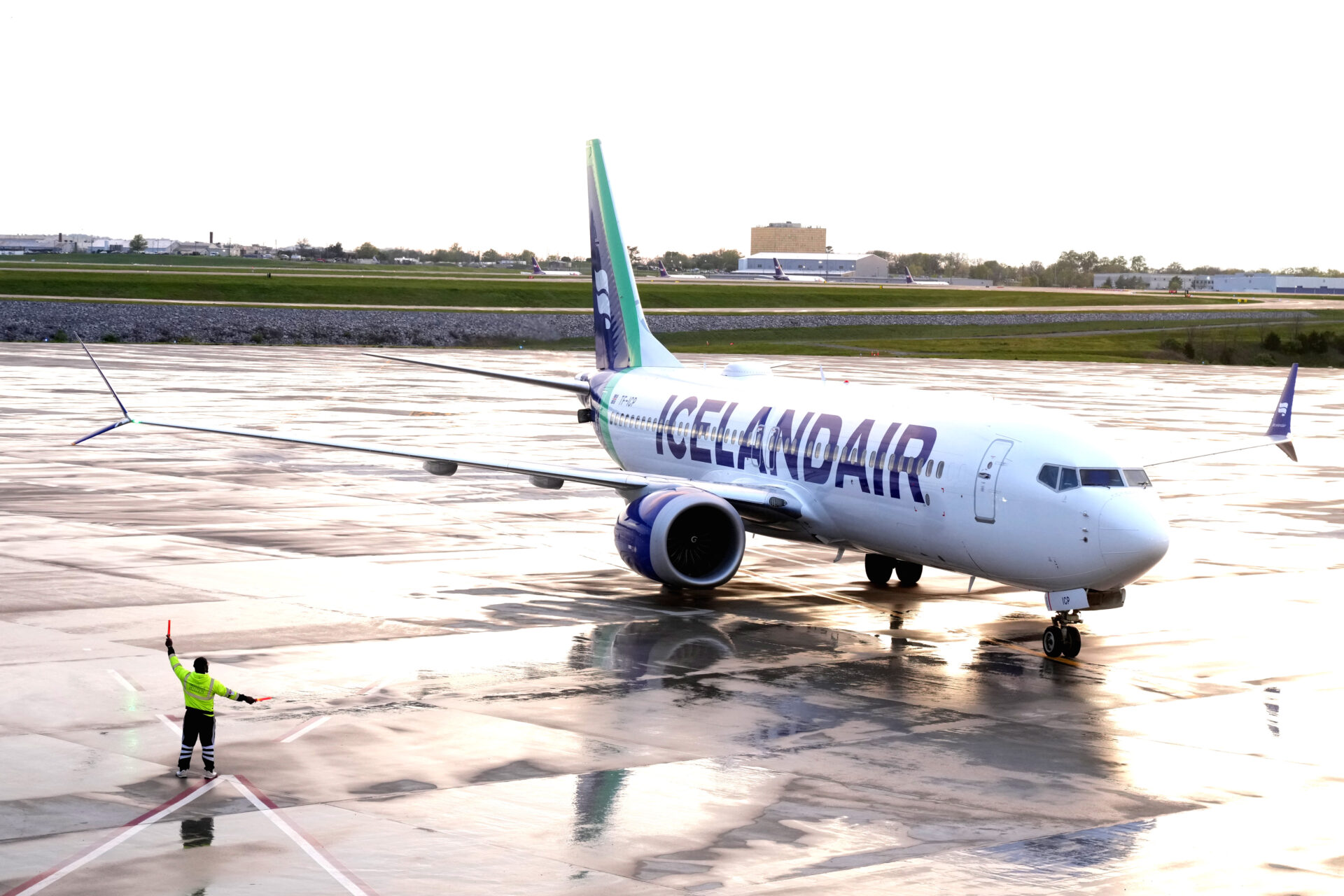
- Aircraft Deployment: Routes are generally serviced by modern narrow-body aircraft like the Boeing 737 MAX 8 or Boeing 737 MAX 9, which offer optimal range and fuel efficiency for North Atlantic crossings.
- Code-sharing Partnerships: Passengers may book under an Icelandair designator while the physical metal belongs to a partner airline, though Icelandair predominantly operates its own fleet.
Operational Specifications and Fleet Mechanics for North Atlantic Crossings
Operating flights across the North Atlantic presents unique meteorological and logistical challenges. Icelandair Flight 622 relies on rigorous flight planning, advanced avionics, and rigorous ETOPS (Extended-range Twin-engine Operational Performance Standards) compliance.
| Operational Parameter | Technical Standard | Practical Significance for Passengers |
|---|---|---|
| Primary Aircraft | Boeing 737 MAX / Boeing 757 variants | Optimized cabin pressure, modern inflight entertainment, and fuel-efficient transatlantic hops. |
| Navigation & Routing | North Atlantic Tracks (NAT) / Polar entry points | Requires precise inertial and satellite navigation due to high-latitude magnetic variation. |
| De-icing Protocols | Mandatory winter pre-departure procedures | Ensures aerodynamic cleanliness during sub-zero Keflavík or origin-airport turnarounds. |
| Reserve Fuel Planning | Contingency fuel for alternate North Atlantic alternates | Mitigates weather-related diversions common in Icelandic airspace. |
The aircraft utilized for these routes feature multi-class configurations, typically split into Economy Saga (Icelandair's premium economy offering), Economy Comfort, and Economy Standard. Each tier dictates baggage allowances, seat pitch, and onboard amenity access.
Passenger Rights, Disruption Management, and Regulatory Frameworks
When flying internationally, passengers aboard services like Icelandair Flight 622 are protected by specific regulatory frameworks depending on their direction of travel. Because Iceland is part of the European Economic Area (EEA), flights departing from an EU/EEA airport or arriving at an EU/EEA airport on a community carrier fall under stringent consumer protection guidelines.
EC 261/2004 Protections
For flights departing from an EEA airport, European Regulation EC 261/2004 provides robust compensation rules for long delays, cancellations, and denied boarding. If Flight 622 experiences a major delay exceeding three hours upon arrival at its final destination—and the disruption is within the airline's control—passengers may be entitled to statutory monetary compensation ranging from €250 to €600.
Extraordinary Circumstances
Airlines are exempt from paying cash compensation if the disruption is caused by "extraordinary circumstances" that could not have been avoided even if all reasonable measures had been taken. These include:
- Severe meteorological events (e.g., volcanic ash clouds over Iceland, severe winter storms, crosswinds exceeding safe operational limits).
- Air traffic control (ATC) restrictions or mandated ground stops.
- Unforeseen security risks or medical emergencies onboard.
Even during extraordinary circumstances, the operating carrier remains obligated to provide care, which includes meals, refreshments, and hotel accommodation when overnight stays become necessary.
Step-by-Step Guide to Managing Your Icelandair Itinerary
Managing an international booking requires proactive attention to check-in windows, baggage rules, and connecting airport layouts. Follow this structured workflow to ensure a smooth journey:
- Verify Documentation and Entry Requirements: Ensure passports possess at least six months of validity beyond the planned return date. Check whether destination countries require electronic travel authorizations (such as ETIAS for Europe or ESTA for the United States).
- Complete Online Check-In: Access Icelandair's digital platform 36 to 24 hours prior to departure. Select seats, confirm passport details, and download digital boarding passes to streamline airport processing.
- Understand Baggage Limitations: Review ticket classes carefully. Economy Light typically includes only a personal item, whereas Standard and Flex tiers include checked baggage allowances. Adhere strictly to weight limits (usually 23 kg / 50 lbs for checked bags) to avoid excess baggage fees.
- Navigating Keflavík International Airport (KEF): If Flight 622 involves a connection through KEF, be prepared for a compact terminal layout. Unlike sprawling mega-hubs, KEF requires walking between gates, but minimum connection times are efficiently engineered. Passport control is only required when entering or exiting the Schengen Area.
- Monitor Real-Time Flight Status: Use official airport monitors, aviation tracking applications, or Icelandair's notification services to track gate assignments, departure board updates, and potential weather-related schedule modifications.
Frequently Asked Questions About Icelandair Transatlantic Operations
What aircraft does Icelandair typically use for flights like Flight 622?
Icelandair primarily deploys Boeing 737 MAX 8 and Boeing 737 MAX 9 aircraft for its regional and transatlantic routes, complemented historically by select Boeing 757 frames depending on seasonal capacity demands. These aircraft are configured with multi-class cabins designed for medium-haul efficiency.
Are meals included on Icelandair flights?
Meal policies vary by fare class and route length. On transatlantic routes like those operating via Keflavík, hot meals and beverages are typically included for Saga Class passengers, while economy passengers may purchase food and drinks from the onboard menu or enjoy complimentary water, tea, and coffee.
What should I do if Icelandair Flight 622 is canceled or significantly delayed?
Immediately contact airport customer service or use the airline's digital app to request rebooking on the next available flight. Ensure you obtain written documentation of the delay reason from airline representatives, as this is required for submitting compensation claims under EC 261/2004 regulations.
How much connection time do I need at Keflavík International Airport?
Icelandair's hub model is built around synchronized bank waves, often allowing for connection times as short as 45 to 60 minutes. The airport is entirely single-terminal, making transfers rapid, provided the inbound flight arrives on schedule.
Can I add a stopover in Iceland at no extra airfare?
Yes, Icelandair features a popular Stopover Program that allows passengers traveling between North America and Europe to stop in Iceland for up to seven days without adding airfare to their ticket cost. This must be selected during the initial booking process on the airline's website.
Strategic Recommendations for Transatlantic Travelers
Securing a seamless journey on international routes involves more than simply purchasing a ticket. Travelers should consistently monitor schedule changes via direct airline channels rather than third-party aggregators to receive instant operational updates. Furthermore, purchasing comprehensive travel insurance that covers trip interruption, missed connections, and medical evacuation provides a crucial financial safety net when navigating complex global itineraries. Always maintain digital copies of passports, visas, and accommodation confirmations securely accessible offline.
Image Gallery