Navigating M&A Transactions in Auto Telematics Insurance
Mergers and acquisitions (M&A) in the auto telematics insurance sector represent a strategic consolidation of data-driven risk assessment capabilities and traditional underwriting infrastructure. These transactions involve insurance ca...
Mergers and acquisitions (M&A) in the auto telematics insurance sector represent a strategic consolidation of data-driven risk assessment capabilities and traditional underwriting infrastructure. These transactions involve insurance carriers integrating proprietary telematics software, IoT hardware manufacturers, and behavioral analytics firms to enhance usage-based insurance (UBI) precision, improve claims processing efficiency, and secure a competitive advantage in the mobility ecosystem.
Contents
The Strategic Rationale for M&A in Auto Telematics
The auto telematics landscape has evolved from a niche offering to a cornerstone of modern motor insurance. Insurance carriers are increasingly motivated to acquire telematics capabilities rather than build them in-house due to the high barrier to entry regarding data engineering, software development, and the regulatory complexities of handling driver behavior data.
When a major insurer targets a telematics provider for acquisition, the primary goal is often the vertical integration of the value chain. By owning the data collection mechanism—whether it is an embedded vehicle modem, an OBD-II dongle, or a smartphone-based telematics application—the insurer gains the ability to calibrate premiums based on real-time driving data. This reduces reliance on actuarial proxies like credit scores or residential zip codes, allowing for a more granular assessment of risk.
For the acquiree, an M&A transaction often provides the scale necessary to survive. Telematics companies require significant capital to maintain server infrastructure capable of processing billions of data points daily. Integration into a global insurance firm offers the financial stability to iterate on software while providing a guaranteed, massive user base for pilot programs and deployment.
Key Phases of the Transaction Lifecycle
Executing an M&A deal in this sector requires navigating unique due diligence challenges that go beyond standard financial audits.
- Technical Due Diligence: The acquiring firm must evaluate the scalability of the telematics platform. This includes analyzing the latency of data transmission, the robustness of the cloud architecture, and the accuracy of the proprietary algorithms used to calculate "driver scores."
- Data Privacy and Regulatory Compliance: Because telematics insurance involves the collection of personal data—GPS coordinates, speed, and braking habits—legal teams must verify that the target company adheres to stringent data protection regulations, such as the General Data Protection Regulation (GDPR) in Europe or the CCPA in California. Failure to verify consent protocols in existing datasets can lead to significant post-acquisition liabilities.
- Intellectual Property (IP) Audits: Much of the value in a telematics firm lies in its algorithms. Acquirers must ensure that the IP is fully owned, not licensed, and that patent filings are comprehensive enough to prevent competitors from reverse-engineering the risk-scoring models.
Comparison of Integration Strategies
Insurance firms typically choose between different acquisition models based on their existing technological maturity.
| Strategy | Focus | Benefit | Risk |
|---|---|---|---|
| Full Platform Acquisition | Software & Hardware | Total control over data stream | High cost; long integration timeline |
| Data Partnership/Minority Stake | Intelligence gathering | Low capital commitment | Limited access to proprietary tech |
| "Acqui-hire" Talent Acquisition | Engineering teams | Fast-tracks internal R&D | Key personnel may exit post-deal |
| API/Middleware Integration | Connectivity | Rapid deployment to market | Dependence on third-party stability |
Challenges in Post-Merger Integration
Even after a transaction is finalized, the technical and cultural integration remains a hurdle. A common mistake in the auto telematics space is the attempt to force legacy insurance systems—which often run on older, inflexible COBOL or mainframe-based infrastructures—to communicate with modern, cloud-native telematics platforms.
If the underlying insurance system cannot process real-time data feeds, the value of the acquired technology is effectively negated. To address this, many organizations are adopting "middleware" or API-first integration layers that act as a buffer between the insurer’s core policy administration system and the newly acquired telematics stack. This prevents the need for a full overhaul of the core system while still enabling the delivery of dynamic, usage-based pricing models.
Furthermore, cultural friction often arises between the "insurtech" startup mindset—characterized by agile development and high risk-tolerance—and the insurance carrier’s traditional, risk-averse operational structure. Successfully blending these cultures requires clear communication regarding the mandate of the acquired division. If the telematics team is buried too deep within the bureaucracy, innovation often stalls, leading to the departure of the technical talent that made the acquisition attractive in the first place.
The Role of Regulatory Scrutiny
In 2026, regulators are increasingly focused on the "black box" nature of telematics pricing. When an insurer acquires a telematics firm, the resulting risk models must remain transparent enough to satisfy state and national insurance commissioners. If an insurer cannot explain how a specific driving metric (e.g., cornering force) impacts a policyholder's premium, the model may be deemed discriminatory or unfair.
Consequently, M&A activity in this space now frequently involves a "regulatory clearing" phase. During this time, the acquiring firm must demonstrate that the data collected does not lead to biased pricing against protected classes. Legal counsel must be involved early in the process to ensure that the integration roadmap includes provisions for periodic model auditing and compliance reporting.
Future Outlook and Strategic Considerations
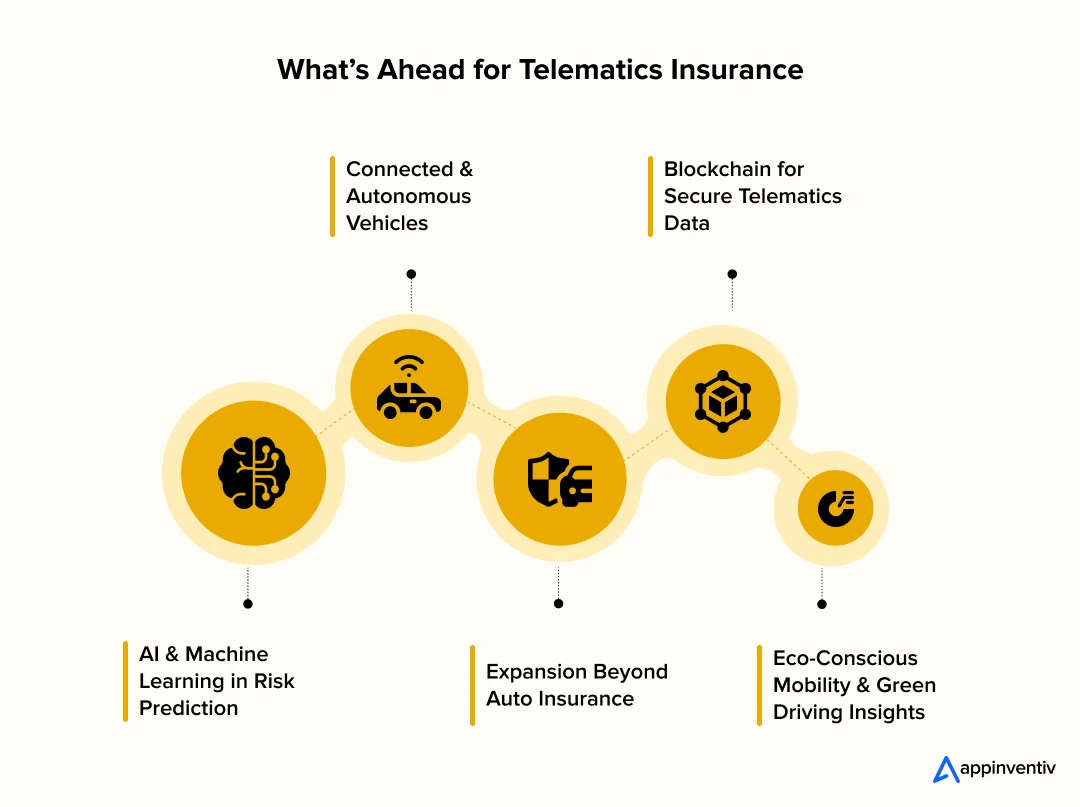
The trend toward consolidation is likely to continue as autonomous vehicle technologies mature. Future M&A will likely shift from simple usage-based insurance to "risk-prevention" insurance, where the telematics data collected is used not just for pricing, but for real-time safety interventions, such as notifying drivers of impending hazards or communicating with vehicle sensors to mitigate accidents.
Before pursuing a transaction, firms should evaluate their internal digital readiness. An acquisition is not a shortcut for companies that lack a baseline digital strategy. If the existing policy systems and claims management tools are not capable of consuming the data generated by the target technology, the transaction will likely result in a "digital orphan"—a proprietary tool that the company owns but cannot utilize effectively.
Frequently Asked Questions
How does an acquisition affect existing policyholders of the target company? Generally, there is little immediate change for policyholders. Over time, policyholders may see their products integrated into the larger insurer’s portfolio, often resulting in access to a broader range of financial services or more robust mobile app features as the technology platforms merge.
What is the most significant hurdle in telematics M&A? The most significant hurdle is data interoperability. Ensuring that the data pipelines from the acquired hardware or app can feed into the insurer’s legacy underwriting and claims systems without significant data loss or latency is the technical cornerstone of a successful deal.
Are these transactions subject to antitrust oversight? Yes, particularly if the acquiring insurer is a dominant market player. Regulators analyze whether the acquisition gives the insurer an unfair advantage in access to proprietary driving data, which could stifle competition for smaller insurance firms that do not have their own telematics capabilities.
How is the value of a telematics firm typically calculated in a deal? Valuation is rarely based on traditional premium volume. Instead, it is based on the quality and volume of the "data lake," the number of active monthly users (MAUs), the retention rates of the insured base, and the maturity of the predictive models that convert driving behavior into actionable risk profiles.
What should a carrier prioritize after the deal closes? Prioritize the alignment of data privacy protocols. Because the insurer is now responsible for the target's data, any legacy security flaws in the acquired company’s infrastructure become the new owner’s liability.
Next Steps for Interested Stakeholders
For insurance carriers looking to expand their telematics capabilities, the first step is to conduct an internal audit of existing systems to determine the technical requirements for integration. If the goal is rapid market entry, focus on firms that provide a "turnkey" API solution. If the goal is long-term competitive differentiation, target companies with proprietary, AI-driven risk modeling capabilities that can be integrated into your core underwriting engine.
Image Gallery