Amazon Marijuana Testing Policy 2026: Pre-Employment and Workplace Guidelines
As of 2026, Amazon maintains its policy of excluding marijuana from pre-employment drug screenings for most non-transportation roles. While fulfillment, corporate, and tech applicants are exempt from THC testing, employees in positions...
As of 2026, Amazon maintains its policy of excluding marijuana from pre-employment drug screenings for most non-transportation roles. While fulfillment, corporate, and tech applicants are exempt from THC testing, employees in positions regulated by the Department of Transportation (DOT) must still undergo mandatory federal testing. Post-accident and reasonable suspicion testing remains applicable to all roles.
Contents
The Current State of Cannabis Screening at Amazon (2026 Update)
Entering 2026, Amazon’s stance on cannabis remains one of the most progressive among Fortune 500 employers. This policy, which saw its first major shift in June 2021, has matured into a standard operational framework that prioritizes talent acquisition and retention over the monitoring of off-duty substance use. In the current labor market, where cannabis is legal for adult use in the majority of U.S. states and medicinal use is nearly universal, Amazon has doubled down on its "safety-first, not lifestyle-first" approach.
The 2026 policy is primarily driven by three factors: the need for a massive workforce to power the Amazon Pharmacy and Same-Day Delivery expansions, the evolving legal landscape regarding employee privacy, and the continued federal requirement for transportation safety. For the vast majority of applicants looking for work in the "Amazonia" ecosystem, the presence of THC in their system is no longer a barrier to entry. However, "no pre-employment testing" does not mean "free use at work." Amazon continues to maintain a drug-free workplace policy that prohibits impairment during shifts.
Policy Evolution and Philosophy
The transition away from comprehensive marijuana testing was a strategic move to broaden the applicant pool during the post-pandemic labor shortages. By 2026, this has become a permanent fixture of Amazon’s Global Human Resources policy. The company treats marijuana similarly to alcohol: what an employee does on their own time is generally their business, provided it does not compromise workplace safety or performance. This philosophy aligns with the 2026 workplace culture that values results and safety protocols over moralistic screening.
DOT vs. Non-DOT Roles: Where the Testing Lines are Drawn
The most critical distinction for any job seeker in 2026 is whether the position falls under the jurisdiction of the U.S. Department of Transportation (DOT). Despite Amazon’s internal corporate leniency, federal law remains the supreme authority for specific safety-sensitive roles.
Fulfillment Centers and Warehouse Operations
For Tier 1 through Tier 3 associates in fulfillment centers (FC), sortation centers, and delivery stations, marijuana is not part of the standard pre-employment drug panel. When you attend a hiring event or visit a New Hire Appointment (NHA) center in 2026, the oral swab or urine test administered will typically screen for cocaine, amphetamines, opioids, and phencyclidine (PCP), but it will skip the THC component. This applies to:
- Stowers and Pickers
- Packers and Ship Dock Workers
- Learning Ambassadors and Process Assistants
- Maintenance Technicians (Non-CDL)
Corporate and Technical Roles
Amazon’s corporate offices in Seattle, Arlington (HQ2), and various global tech hubs do not require drug testing for the vast majority of white-collar positions. Software Development Engineers (SDEs), Product Managers, and Marketing specialists are generally exempt from any form of drug screening unless there is a specific contract requirement for a high-security government project (such as those involving Amazon Web Services (AWS) and Department of Defense contracts).
Transportation and Delivery Service Partners (DSPs)
This is the "Hard Line" in 2026. If your job involves operating a commercial motor vehicle (CMV) or falls under DOT 49 CFR Part 40, you will be tested for marijuana. This includes:
- Amazon Freight Partners (AFP): Drivers operating heavy-duty Class 8 trucks.
- Delivery Service Partners (DSPs): While many van drivers (Step Vans vs. Prime Vans) have seen a loosening of requirements, those driving vehicles with a Gross Vehicle Weight Rating (GVWR) over 10,001 lbs often fall under DOT mandates.
- Amazon Air: Ramp agents and pilots are subject to strict FAA-mandated drug testing, which includes marijuana.
Understanding the Pre-Employment Screening Process in 2026
If you are applying for a role that does require testing or if you are curious about the mechanics of the Amazon "New Hire Appointment," the process has become highly streamlined.
The Oral Swab (Mouth Swab) Test
For the majority of warehouse roles, Amazon utilizes the oral fluid drug screen. This is preferred in 2026 because it is cost-effective, provides rapid results, and is difficult to adulterate.
- Detection Window: Mouth swabs generally only detect THC used within the last 24 to 48 hours. However, since most non-DOT Amazon roles don't test for THC, the swab is looking for harder substances with shorter half-lives.
- Procedure: A collector places a sponge-like device in your mouth for several minutes until a color indicator shows sufficient saliva collection.
The Urinalysis (Urine Test)
Urine testing is primarily reserved for DOT-regulated roles and some specialized AWS positions.
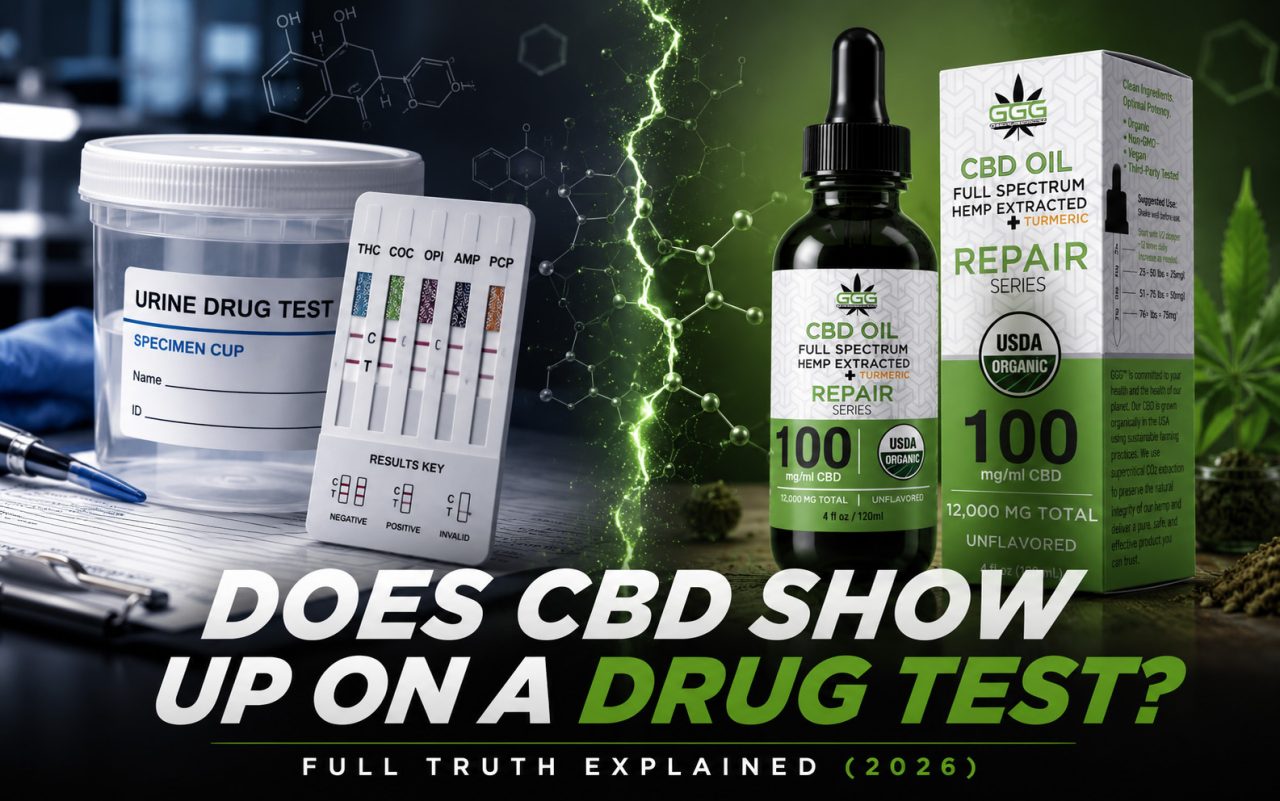
- The 5-Panel Standard: For DOT roles, the 5-panel test remains the gold standard. It includes THC-COOH (marijuana metabolite).
- MRO Review: All laboratory results are reviewed by a Medical Review Officer (MRO). In 2026, even if you have a medical marijuana card, an MRO cannot "clear" a positive THC result for a DOT-regulated position because marijuana remains a Schedule I or Schedule III substance (depending on the specific federal sub-category) at the federal level, which does not recognize "medical necessity" for safety-sensitive driving.
Post-Accident and Reasonable Suspicion Protocols
While pre-employment testing is lenient, Amazon’s 2026 safety policy is extremely strict regarding workplace incidents. "Safe Power" is a core tenet of the fulfillment environment, and they use data-driven metrics to monitor safety.
Automatic Triggers for Testing
In 2026, a drug test (which includes marijuana) is typically triggered by:
- Safety Incidents: Any accident involving a PIT (Powered Industrial Truck) like a forklift or center rider that results in injury or significant property damage.
- Reasonable Suspicion: If a manager or HR representative observes behaviors consistent with impairment (slurred speech, erratic behavior, smell of cannabis), they can mandate an immediate "for cause" drug screen.
- Return-to-Duty: If an employee has previously violated the substance policy and is returning to work, they will undergo rigorous testing.
The "Impairment vs. Presence" Challenge
One of the major debates in 2026 is the distinction between having THC metabolites in the blood from three days ago versus being high on the clock. Amazon uses standardized "Reasonable Suspicion" training for its Area Managers. They are trained to document specific physical and behavioral cues before requesting a test, reducing the likelihood of "witch hunts" against off-duty users while maintaining a zero-tolerance policy for on-site intoxication.
Comparison Table: 2026 Testing Requirements by Job Category
The following table outlines the specific requirements for various roles within the Amazon ecosystem as of 2026.
| Job Category | Role Example | Pre-Employment THC Test? | Post-Accident THC Test? | Regulatory Body |
|---|---|---|---|---|
| Warehouse/FC | Picker, Stower, Packer | NO | YES | Amazon Internal |
| Logistics (CDL) | Amazon Freight Driver | YES | YES | DOT / FMCSA |
| Logistics (Non-CDL) | Prime Van Driver (Small) | NO (Usually) | YES | Amazon / DSP |
| Corporate | SDE, Marketing, HR | NO | NO (Rarely) | Amazon Internal |
| Specialized Tech | AWS GovCloud Engineer | YES (Likely) | YES | Federal/Contractual |
| Aviation | Amazon Air Ramp Lead | YES | YES | FAA |
| Management | Area Manager (L4-L6) | NO | YES | Amazon Internal |
The Impact of State Laws and Federal Rescheduling
By 2026, the legal landscape has shifted significantly. Several states, including California (AB 2188), New York, and Washington (SB 5123), have passed laws that specifically protect employees from being discriminated against based on non-psychoactive cannabis metabolites found in their hair or urine.
Amazon has largely moved to align its national policy with the strictest of these state laws to maintain a "one-policy-fits-all" model. This simplifies operations across their hundreds of fulfillment centers. Furthermore, while the federal government has moved toward rescheduling cannabis, the DOT has been slow to change its testing requirements. Therefore, the "DOT Exception" remains the most important rule for employees to remember in 2026.
Key Legal Protections for Workers
- Off-Duty Conduct Laws: In states like New Jersey and Connecticut, Amazon cannot terminate an employee solely for a positive THC test unless they can prove impairment during work hours.
- Medical Exceptions: While Amazon allows for medical use off-duty, they do not permit the use of medical marijuana on-site or being under the influence while operating heavy machinery.
Practical Advice for Job Seekers in 2026
If you are planning to apply for a role at Amazon in 2026, follow these guidelines to ensure a smooth hiring process:
- Identify Your Role Type: Before applying, confirm if the role requires a Commercial Driver’s License (CDL) or is DOT-regulated. If it is, you must be clean for THC.
- Be Transparent with DSPs: If you are applying for a delivery driver position through a third-party DSP, ask about their specific drug testing policy. While Amazon doesn't mandate THC testing for many of them, some individual business owners still choose to include it in their private 5-panel screens.
- Safety First: If you are a warehouse associate, avoid any cannabis use in the 12-24 hours leading up to your shift. Even if pre-employment testing is skipped, a "Reasonable Suspicion" test due to the smell of cannabis can lead to immediate termination.
- Documentation: If you use marijuana for a documented medical condition, keep your certifications updated. While it may not protect you in a DOT role, it provides a stronger footing for HR discussions in non-safety-sensitive corporate roles.
Frequently Asked Questions (FAQ)
Does Amazon still test for weed for warehouse jobs in 2026?
No, Amazon does not include marijuana in its standard pre-employment drug panel for warehouse and fulfillment center associates. This policy has been in place since 2021 and remains the standard for all non-transportation roles in 2026. However, if you are involved in a workplace accident, you will likely be tested for all substances, including THC.
What happens if I fail for THC as a Delivery Driver?
If you are driving a vehicle that requires a CDL or falls under DOT regulations, a positive THC test will result in a "failed" drug screen, disqualification from the role, and a report to the FMCSA Clearinghouse. For non-DOT delivery drivers, the outcome depends on the specific Delivery Service Partner (DSP) policy, though many follow Amazon's lead and no longer screen for THC.
Does Amazon use mouth swabs or urine tests in 2026?
Amazon predominantly uses oral fluid (mouth swab) tests for warehouse hiring events because they provide instant results and focus on recent usage. Urine tests are still the primary method for DOT-regulated roles and high-security AWS positions that require federal background checks.
Can I be fired for using legal cannabis off-the-clock?
In 2026, Amazon generally does not terminate employees for off-the-clock cannabis use in states where it is legal, provided the employee is not impaired at work. However, for DOT-regulated drivers, any THC in the system—regardless of when it was consumed—is a violation of federal law and grounds for termination.
Does the 2026 policy apply to seasonal workers?
Yes, the marijuana testing exemption applies to seasonal (White Badge) and permanent (Blue Badge) employees alike. Seasonal workers undergo the same streamlined hiring process at Amazon New Hire Appointments, which excludes THC from the initial drug screen.
As the largest private employer in many regions, Amazon’s continued refusal to test for marijuana for most roles has set a 2026 industry standard. For the worker, this means more freedom and a focus on performance; for Amazon, it means a more robust and diverse workforce ready to meet the logistical challenges of the next decade.
Image Gallery