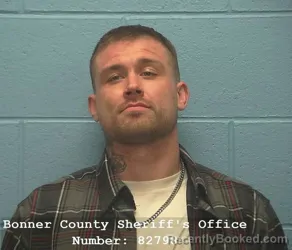
Daniel Larson Arrest Charges: Legal History and Case Overview
Daniel Larson faces multiple felony and misdemeanor charges spanning several jurisdictions, primarily centered around alleged threats of mass violence, stalking, and property damage. Understanding the progression of these legal matters...
Daniel Larson faces multiple felony and misdemeanor charges spanning several jurisdictions, primarily centered around alleged threats of mass violence, stalking, and property damage. Understanding the progression of these legal matters requires examining public court records, specific statutory violations, and the timeline of law enforcement interventions that led to his custody.
Contents
The legal proceedings involving Daniel Larson center on serious allegations, including threats to public institutions and harassment. This comprehensive review examines the specific criminal charges filed against him, the nature of the offenses, the judicial venues handling his cases, and the broader legal context governing threats made online and in public spaces.
Understanding the Origin of the Legal Proceedings
The scrutiny surrounding Daniel Larson escalated due to repeated online activities, public disturbances, and documented threats directed at schools, businesses, and government entities. Law enforcement agencies in Colorado became heavily involved as these incidents accumulated over several years.
Public safety organizations and local police departments monitored his online presence and physical movements, which eventually triggered formal criminal investigations. The transition from digital disruption to physical arrest involved multiple local and state agencies working in coordination to address escalating threats of violence.
Key Factors Leading to Law Enforcement Intervention
- Public Threats: Alleged dissemination of threats targeting educational institutions and public figures.
- Property Incidents: Multiple reports of vandalism and disturbances at local commercial establishments and temporary housing locations.
- Probation and Court Violations: Failure to comply with prior judicial directives, mandatory check-ins, and court-ordered appearance dates.
Breakdown of Specific Criminal Charges
The legal charges filed against Daniel Larson primarily involve felony counts of making threats against a place of-or-against a person, along with related misdemeanor offenses. Under state statutes, transmitting threats of mass destruction or bodily harm carries severe penalties, distinguishing these actions from typical disorderly conduct.
Criminal complaints filed by prosecuting authorities outline specific dates, locations, and methods associated with the alleged offenses. The judicial system categorizes these acts based on the severity of the intended disruption and the fear instilled in the victims or targeted institutions.
| Charge Category | Specific Offense Description | Primary Legal Classification | Potential Judicial Jurisdiction |
|---|---|---|---|
| Felony Threats | Making threats against a school or public building | Class 4 Felony | District Court (Colorado) |
| Harassment | Repeated unwanted contact and menacing behavior | Misdemeanor | Municipal/County Court |
| Property Offenses | Criminal mischief and vandalism of commercial property | Misdemeanor to Low-Level Felony | County Court |
| Failure to Appear | Disregarding court subpoenas and judicial summons | Bench Warrant / Contempt | District Court |
Judicial Venue and Court Process
Cases involving threats to public infrastructure and educational facilities are handled within the state court system, requiring rigorous evidentiary standards. Prosecutors must demonstrate that the accused knowingly transmitted credible threats intended to cause panic, evacuation, or severe disruption of public services.
Throughout the judicial process, defendants undergo mental health evaluations to determine competency to stand trial. These evaluations are a standard legal requirement when the behavior exhibited during the alleged offenses suggests underlying psychological or cognitive challenges.
Judicial Evaluation Standards: Competency evaluations focus on whether the defendant understands the nature of the criminal proceedings against them and can assist counsel in their own defense. If a defendant is found incompetent, the court typically mandates psychiatric treatment until competency is restored, pausing standard trial procedures.
Comparison of Legal Options and Defense Strategies in Threat Cases
When individuals face severe felony charges related to online or public threats, legal counsel generally evaluates specific defense pathways. The complexity of digital evidence, freedom of speech boundaries, and mental health factors heavily influence case outcomes.
- Plea Negotiations: Prosecutors may offer reduced charges or sentencing recommendations in exchange for guilty pleas, often incorporating mandatory mental health treatment provisions.
- Competency and Insanity Defenses: Defense teams may argue that the defendant lacked the requisite mental state (mens rea) to commit the crime due to a diagnosed psychological condition.
- First Amendment Protections: Evaluating whether the statements made constitute protected free speech or cross the legal threshold into true threats, which are not protected under constitutional law.
Public Safety and Institutional Impact
The incidents attributed to Daniel Larson highlighted vulnerabilities in public institutions, particularly regarding how schools and local businesses manage credible online threats. Law enforcement protocols have increasingly adapted to address digital harassment that bridges the gap between online trolling and actionable physical danger.
Educational facilities and municipal offices now employ specialized security frameworks to vet electronic communications rapidly. When threats are identified, coordination between cybercrime units and local patrol divisions ensures a swift response to mitigate potential harm.
Frequently Asked Questions
What are the primary charges against Daniel Larson?
Daniel Larson has faced multiple charges, most notably felony counts related to making threats of mass violence or destruction against public institutions, alongside various misdemeanor counts for harassment and property damage. These charges stem from specific incidents documented by law enforcement across Colorado.
Which jurisdiction is handling the criminal cases?
The legal proceedings are primarily managed within the Colorado state court system, involving local police departments, county sheriff offices, and district attorney's offices depending on the specific location of each alleged offense.
Has a trial been completed for these charges?
Legal proceedings for individuals facing complex criminal charges often involve extended pretrial phases, including competency evaluations, mental health treatment hearings, and motion filings before any definitive trial or plea resolution is finalized.
Can online statements legally constitute a felony?
Yes. Under state and federal laws, transmitting specific threats of violence, bodily harm, or destruction against people, schools, or public buildings is classified as a felony offense, regardless of whether the statements were made via social media, livestreams, or direct messaging.
What role does mental health evaluation play in these cases?
Courts routinely order forensic psychological evaluations to determine if a defendant is competent to stand trial. If a defendant cannot comprehend the legal proceedings or assist in their defense, the court prioritizes mental health treatment and restoration before moving forward with criminal prosecution.
Conclusion and Official Monitoring
The legal situation surrounding Daniel Larson underscores the serious enforcement of laws governing public threats and harassment. As judicial proceedings continue, tracking official court dockets and updates from the prosecuting attorney's office remains the most reliable method for obtaining accurate information regarding case statuses, trial dates, and final dispositions.
Official Resource Guidance: For verified information regarding active court cases, docket schedules, and public criminal records, consult the official state judicial branch website or the relevant county clerk of court portal where the charges were filed.
Image Gallery