Ultimate Guide to the Best Things to Do in Williams, AZ: Gateway to the Grand Canyon
Williams, Arizona, offers a rich blend of outdoor adventure, wildlife encounters, and preserved American history along Historic Route 66. Located just 60 miles south of the Grand Canyon’s South Rim, top activities include riding the hi...
Williams, Arizona, offers a rich blend of outdoor adventure, wildlife encounters, and preserved American history along Historic Route 66. Located just 60 miles south of the Grand Canyon’s South Rim, top activities include riding the historic Grand Canyon Railway, exploring Bearizona Wildlife Park, hiking through Kaibab National Forest, and enjoying vintage roadside diners.
Contents
As the final stretch of Route 66 bypassed by Interstate 40 in 1984, Williams maintains an authentic nostalgic charm alongside modern family attractions. Situated at an elevation of nearly 6,800 feet at the base of Bill Williams Mountain, the town serves as both an ideal base camp for Northern Arizona exploration and a standalone destination rich in Western heritage.
Historic Route 66 and Downtown Attractions
The downtown district of Williams is listed on the National Register of Historic Places, stretching across a six-block loop along Main Avenue and Route 66. Unlike many historic roadside towns, Williams preserves a vibrant night life, retro diner culture, and mid-century Americana intact.
Historic Route 66 Loop
Walking down the Main Avenue strip reveals retro neon signage, restored classic cars, and mid-century architecture. During the peak summer travel season, evening street shows, live music, and classic car cruising bring the downtown strip to life. Visitors can explore dozens of locally owned shops selling authentic Native American turquoise jewelry, Route 66 memorabilia, Western wear, and regional crafts.
Pete's Route 66 Gas Station Museum
Located right along the main boulevard, Pete’s Route 66 Gas Station Museum is a meticulously restored gas station packed with original vintage gas pumps, classic signs, and automotive memorabilia from the mid-20th century. Operated by knowledgeable local enthusiasts, this small museum offers an authentic look into the golden age of American highway travel.
Visitor Insight: Pete's Gas Station Museum is generally free to view from the outside 24/7, making it an exceptional photo spot during sunrise or blue-hour lighting when the neon signs illuminate the historic pumps.
The Grand Canyon Railway & Hotel
Operating continuously since 1901, the Grand Canyon Railway transports passengers from the Williams Depot directly to the Grand Canyon Depot inside the South Rim village. Traveling across high-desert plains and ponderosa pine forests, the train journey features restored vintage diesel and steam locomotives, onboard musicians, and interactive cowboy entertainment.
- Departure Schedule: Trains typically depart Williams daily at 9:30 AM and return in the late afternoon, giving visitors approximately 3.5 hours to explore the South Rim.
- Seating Classes: Choose from Pullman Class, Coach Class, First Class, Observation Dome, and the exclusive Parlor or Luxury Dome cars.
- Seasonal Events: Late autumn and winter bring the famous Polar Express train ride, a themed holiday experience drawing families across the Southwest.
Wildlife Encounters and Family Theme Parks
Williams is home to two of Arizona's most distinct animal encounters, alongside modern outdoor adventure rides suitable for all ages.
- Williams Travel Destinations
- Drive-Thru Wildlife
- Bearizona Wildlife Park
- Grand Canyon Deer Farm
- Alpine Thrills
- Canyon Coaster Park
- Kaibab Trail System
- Drive-Thru Wildlife
Bearizona Wildlife Park
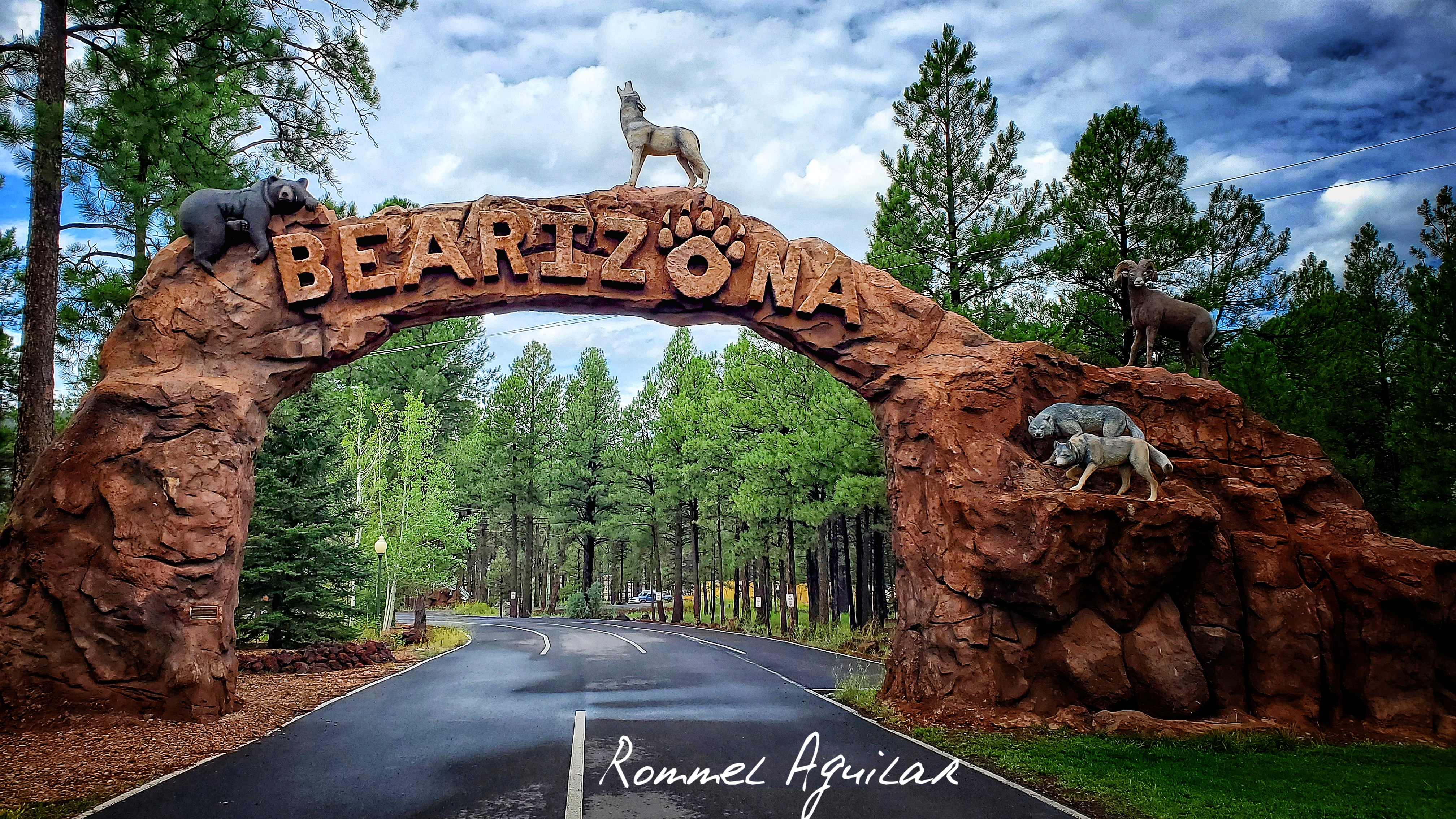
Spanning over 160 acres of natural ponderosa pine forest, Bearizona Wildlife Park provides an up-close look at North American wildlife. Visitors drive through a three-mile wilderness trail in their own vehicle or take an open-air shuttle bus to observe black bears, wolves, bison, Rocky Mountain elk, and white-tailed deer roaming in spacious natural habitats.
Following the drive-thru tour, visitors can walk through Fort Bearizona, a 20-acre walk-through area featuring:
- High-canopy walkways overlooking otters, jaguars, and badgers.
- Birds of Prey educational shows featuring raptors, owls, and hawks demonstrating natural hunting maneuvers.
- Mine Shaft Experience, an immersive indoor exhibit showcasing nocturnal species and reptiles.
Grand Canyon Deer Farm
Located about 8 miles east of downtown Williams along I-40, the Grand Canyon Deer Farm has operated for over 50 years. Spanning 10 acres, this interactive animal park allows visitors to walk directly among tame fallow deer. Guests can purchase deer feed, interact with wallabies, llamas, miniature donkeys, and coatimundi, making it an ideal stop for families traveling with young children.
Canyon Coaster Adventure Park
Situated right off Route 66 on the mountain slope, the Canyon Coaster Adventure Park features Arizona's first alpine coaster. The coaster runs on a stainless-steel track spanning over 3,000 feet, allowing riders to control their own speed up to 25 mph as they navigate twists, turns, and hairpins down the hillside.
- Year-Round Tubing: The park also features summer and winter tubing runs using synthetic turf mats during warm months and packed snow during winter.
- Accessibility: Suitable for adults and children aged 3 and older (with minimum height requirements for solo drivers).
Outdoor Recreation in Kaibab National Forest
Williams sits inside the Kaibab National Forest, offering immediate access to hundreds of miles of hiking, mountain biking, fishing, and camping facilities managed by the U.S. Forest Service.
Hiking Bill Williams Mountain
Rising to an elevation of 9,256 feet, Bill Williams Mountain overlooks the city and offers panoramic views extending toward the Grand Canyon and the San Francisco Peaks.
- Bill Williams Mountain Trail: A challenging 7.5-mile round-trip hike ascending over 2,000 vertical feet through mixed conifer forests of ponderosa pine, Douglas fir, and aspen groves.
- Bendixen Trail & Buckskinner Park: Located at the base of the mountain, Buckskinner Park provides access to easier loop trails, a trout-stocked lake, and family picnic areas.
Dogtown Lake and White Horse Lake
For water sports, kayaking, paddleboarding, and fishing, local lakes provide scenic high-altitude recreation:
- Dogtown Lake: Located 6 miles surface-southeast of Williams, this reservoir is popular for rainbow trout fishing, non-motorized boating, and scenic views of Bill Williams Mountain.
- White Horse Lake: Situated further southeast, offering fully developed U.S. Forest Service campgrounds, boat rentals, and accessible fishing piers.
Keyhole Sink Trail
Located near Parks, AZ (just 10 minutes east of Williams), the Keyhole Sink Trail is an easy 1.5-mile round-trip hike leading to a basalt box canyon. In late winter and early spring, snowmelt creates a waterfall pouring over the canyon rim. Visitors can view prehistoric Native American petroglyphs carved into the lava rock walls dating back hundreds of years.
Comparing Top Williams Attractions
| Attraction | Category | Ideal Duration | Peak Season | Target Visitor |
|---|---|---|---|---|
| Grand Canyon Railway | Historic / Transportation | Full Day (8 hrs) | Spring to Autumn | Families, Rail Enthusiasts, Day-Trippers |
| Bearizona Wildlife Park | Wildlife / Safari | 2 to 3 Hours | Year-Round | Families, Nature Photographers |
| Historic Route 66 Strip | History / Shopping / Dining | 2 to 4 Hours | Summer & Autumn | Heritage Travelers, Classic Car Fans |
| Canyon Coaster Park | Adventure / Amusement | 1 to 2 Hours | Summer / Winter | Thrill Seekers, Families |
| Bill Williams Mountain | Hiking / Nature | 3 to 5 Hours | Late Spring to Autumn | Outdoor Adventurers, Hikers |
| Keyhole Sink Trail | Cultural / Hiking | 1 to 2 Hours | Spring (Waterfall) | Casual Walkers, History Buffs |
Excursions and Day Trips: Williams to Grand Canyon South Rim
Williams earns its title as the "Gateway to the Grand Canyon" due to its strategic position along Interstate 40 and Arizona State Route 64 North. Traveling to the canyon rim from Williams is straightforward, offering two distinct transportation options.
| Driving (AZ-64 North) | Grand Canyon Railway |
|---|---|
| * 60 Miles (~60 min drive)* Full itinerary flexibility* Park fee: $35 per vehicle* Vehicle access to Desert View | * Scenic 2-hour rail journey each way* Avoids rim parking congestion* Includes onboard entertainment* Arrives directly in Historic Depot |
Driving via Highway 64 North
Driving directly takes roughly 60 minutes covering 60 miles. This route allows travelers to arrive early to beat peak entrance line waits at the South Rim Entrance Station near Tusayan.
- Park Entrance Fees: Standard vehicle entry is $35 (valid for 7 consecutive days). America the Beautiful interagency national park passes are fully accepted.
- Scenic Drives: Driving allows visitors to access both the Main Visitor Center / Mather Point area and the 25-mile Desert View Drive toward the East Entrance.
Taking the Historic Train
Selecting the train allows visitors to bypass highway driving and seasonal rim parking congestion completely. The train pulls directly up to the Grand Canyon Depot built in 1910 inside the Historic Village district, placing travelers steps from El Tovar Hotel, Bright Angel Trailhead, and Hopi House.
Dining and Culinary Highlights in Williams
The culinary scene in Williams reflects its dual heritage of Route 66 americana and Northern Arizona mountain culture.
Route 66 Diners and Classic Comfort Food
- Twisters 50s Soda Fountain: A retro diner decorated with classic jukeboxes, chrome stools, and 1950s memorabilia, serving traditional milkshakes, burgers, and hand-dipped floats.
- Pine Country Restaurant: Famous throughout Northern Arizona for its home-cooked comfort food, chicken fried steak, and an extensive daily menu of fresh-baked homemade pies.
Craft Breweries and Southwestern Cuisine
- Grand Canyon Brewing & Distilling: Housed in a spacious renovated venue, this local staple crafts regional beers (such as Sunset Amber Ale and Horseshoe Bend Pale Ale), distilled spirits, and wood-fired pizzas.
- Historic Barrel + Bottle House: Features regional Arizona craft beers on tap alongside elevated pub plates and Southwestern dishes.
- Rod's Steak House: Operating continuously along Route 66 since 1946, recognizable by its iconic neon steer sign, offering premium cuts of aged beef and traditional steakhouse sides.
Seasonal Weather and Travel Planning
At nearly 6,800 feet elevation, Williams experiences four distinct seasons, differing sharply from the desert climates of Phoenix or Tucson.
| Season | Avg High / Low (°F) | Key Considerations |
|---|---|---|
| Spring (Mar - May) | 52°F - 68°F / 22° - 35 | Crisp winds, lingering snow |
| Summer (Jun - Aug) | 80°F - 86°F / 48° - 54 | Warm days, afternoon monsoons |
| Autumn (Sep - Nov) | 55°F - 74°F / 28° - 42 | Golden foliage, clear skies |
| Winter (Dec - Feb) | 42°F - 46°F / 16° - 20 | Snowfall, winter sports, cold |
Spring (March – May)
Spring brings warming daytime temperatures, though lingering winter snow can persist on high trails through April. Winds are common during afternoon hours. Spring is an ideal time for lower-elevation hikes and visiting local wildlife parks before summer crowds arrive.
Summer (June – August)
Summers are mild and pleasant, with high temperatures rarely exceeding 88°F. Beginning in early July, the Southwestern monsoon season brings short afternoon thunderstorms. Visitors planning outdoor hikes should complete high-elevation routes early in the morning to avoid lighting risks.
Autumn (September – November)
Autumn offers crisp air, low crowd density, and vibrant gold foliage across the aspen groves on Bill Williams Mountain. Temperatures remain ideal for outdoor recreation through late October.
Winter (December – February)
Williams receives substantial winter snowfall, averaging over 70 inches annually. Snow chains or four-wheel-drive vehicles may be required during active winter storms along I-40 and AZ-64. Local winter activities include cross-country skiing, snowshoeing in Kaibab National Forest, and riding the holiday-themed Polar Express train.
Frequently Asked Questions
How far is Williams, AZ from the Grand Canyon South Rim?
Williams is approximately 60 miles south of the Grand Canyon South Rim. The drive via Arizona State Route 64 North takes about 60 minutes under clear road conditions. Alternatively, the Grand Canyon Railway offers daily round-trip travel directly into the national park village.
Is Williams, AZ worth visiting if you are not going to the Grand Canyon?
Yes, Williams is a major destination on its own, offering unique attractions like Bearizona Wildlife Park, the Canyon Coaster Adventure Park, historic Route 66 neon-lit streets, and extensive outdoor activities throughout Kaibab National Forest.
How many days should you spend in Williams, Arizona?
A 2- to 3-day stay is recommended. This allows one full day for visiting the Grand Canyon (via train or vehicle), one day to explore local attractions like Bearizona and downtown Route 66, and additional time for outdoor hiking, lakes, or historical tours.
What is the elevation of Williams, AZ, and does it cause altitude sickness?
Williams rests at an elevation of 6,770 feet (2,063 meters). While mild compared to 10,000-foot alpine peaks, visitors arriving from sea level may experience mild shortness of breath or dehydration. Drinking plenty of water and pacing physical exertion during your first 24 hours helps prevent altitude discomfort.
Can you walk around downtown Williams easily?
Yes, downtown Williams features a walkable, six-block historic district along Main Avenue and Route 66. Plenty of public parking lots and street parking spaces allow visitors to easily park once and explore shops, museums, and restaurants on foot.
Plan Your Visit to Williams, Arizona
Whether you are seeking a gateway destination for the Grand Canyon, an authentic Route 66 heritage tour, or an outdoor forest retreat, Williams delivers a memorable Southwestern experience. To maximize your visit, reserve accommodations and Grand Canyon Railway tickets well in advance during peak summer and winter holiday seasons. For updated trail conditions, road statuses, and national park advisories, check the official resources at the National Park Service before setting out.
Image Gallery