Construction Truck Rental in Augusta, GA: Commercial Fleet Options, Rates, and Local Compliance
Securing a construction truck rental in Augusta, Georgia requires matching specific payload capacities and vehicle configurations to project demands across Richmond County and the Central Savannah River Area (CSRA). Commercial rentals...
Securing a construction truck rental in Augusta, Georgia requires matching specific payload capacities and vehicle configurations to project demands across Richmond County and the Central Savannah River Area (CSRA). Commercial rentals range from non-CDL medium-duty service trucks to heavy-duty Class 8 tandem-axle dump trucks, available under daily, weekly, or monthly fleet agreements. Successful rental execution depends on securing appropriate commercial auto insurance, verifying driver credentials for vehicles exceeding 26,000 lbs Gross Vehicle Weight Rating (GVWR), and maintaining compliance with Georgia Department of Transportation (GDOT) haul route regulations.
Contents
Commercial Work Truck Categories for Augusta Job Sites
Selecting the correct commercial vehicle class determines job site efficiency, fuel economy, and regulatory compliance. Commercial truck rentals serving Augusta construction corridors—such as the Mike Padgett Highway industrial zone, Gordon Highway, and expanding residential sectors along Belair Road—fall into distinct operational categories based on Gross Vehicle Weight Rating (GVWR) and body architecture.
Non-CDL Medium-Duty Work Trucks (Class 3 to Class 6)
Medium-duty work trucks under 26,001 lbs GVWR allow general contractors to deploy non-commercial driver's license (non-CDL) personnel while maintaining significant payload capacity. These vehicles handle everyday material transport, site support, and specialized service tasks.
- 16 ft to 24 ft Flatbed and Stake Bed Trucks: Built on Class 5 or Class 6 chassis (e.g., Ford F-550, Freightliner M2 106), these units feature hydraulic liftgates, removable stake sides, and heavy-duty tie-down tracks. They are ideal for transporting palletized masonry, lumber, forms, and job site generator units.
- Mechanic and Utility Service Bodies: Fitted with integrated crane packages (up to 7,500 lbs lifting capacity), enclosed tool storage compartments, and onboard air compressors, service trucks allow field technicians to service heavy excavators and dozers directly on the job site.
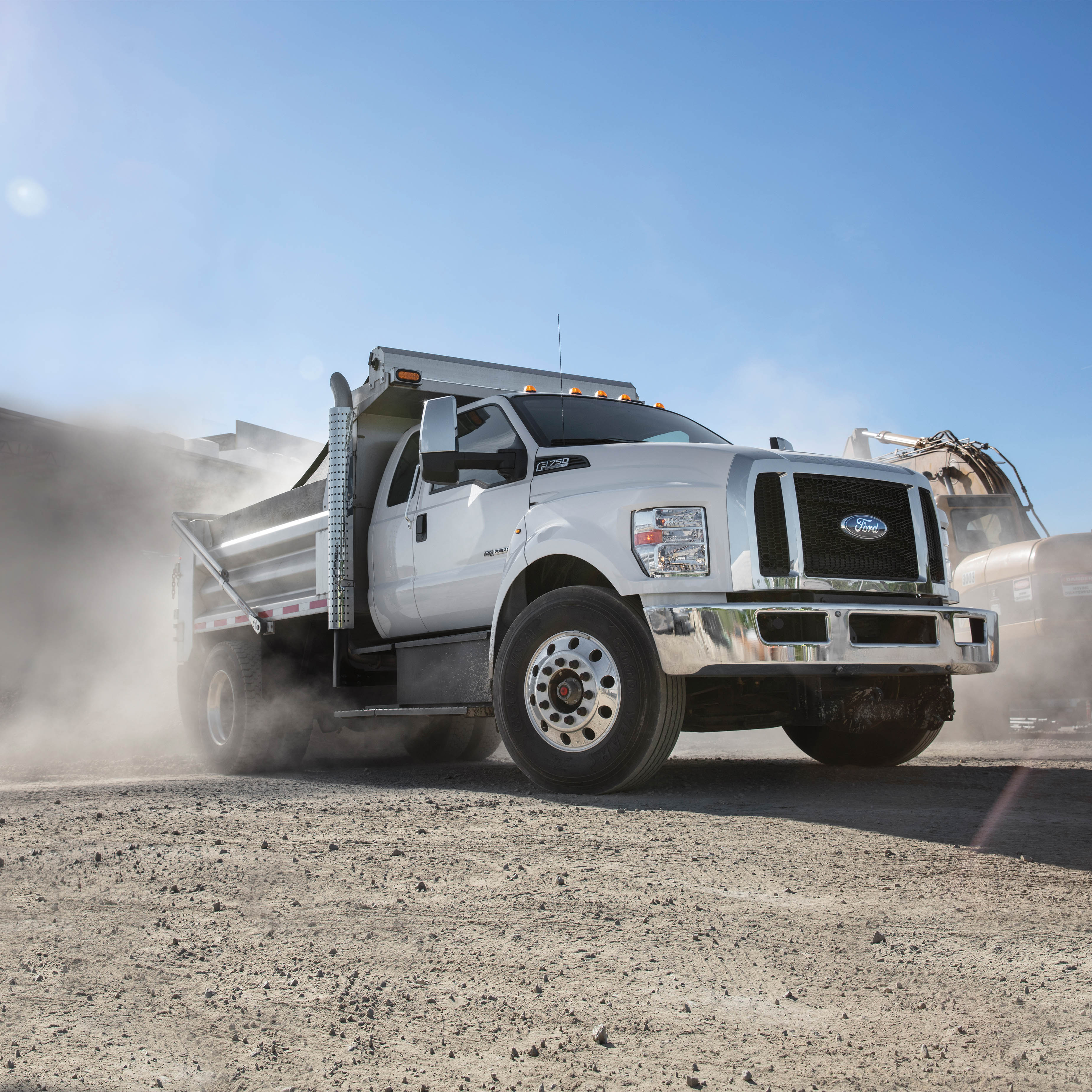
- Single-Axle Light Dump Trucks: Operating with capacities of 3 to 6 cubic yards (GVWR of 19,500 to 25,999 lbs), these trucks navigate tight urban footprints in Downtown Augusta and historic districts where full-sized tandem trucks cannot safely maneuver.
Heavy-Duty CDL Commercial Fleets (Class 7 to Class 8)
For earthmoving, site clearing, and infrastructure construction around major hubs like Fort Eisenhower and the Augusta Corporate Park, heavy-duty commercial trucks with a GVWR over 26,000 lbs are required. These vehicles require operators holding valid Class A or Class B Commercial Driver's Licenses.
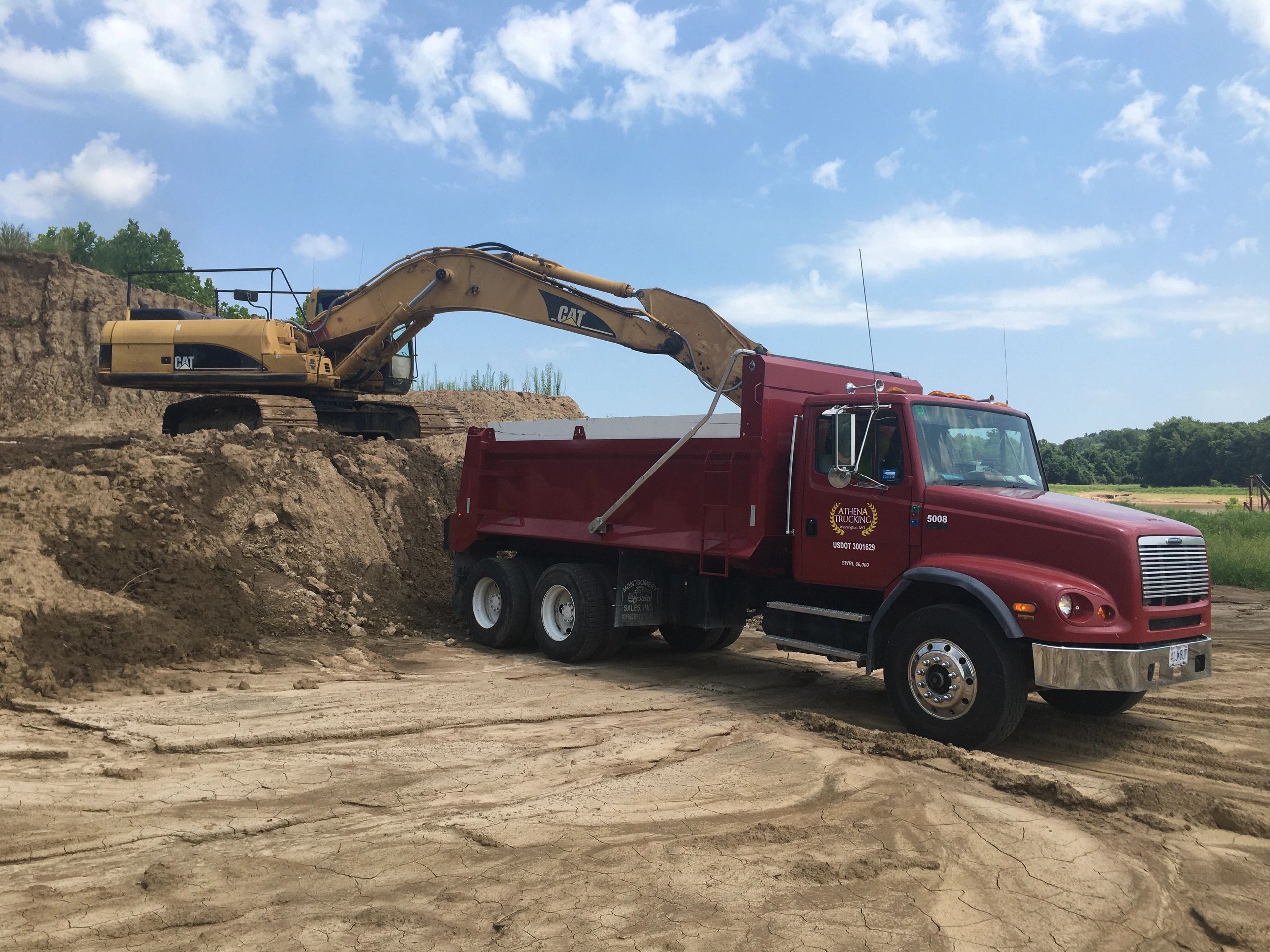
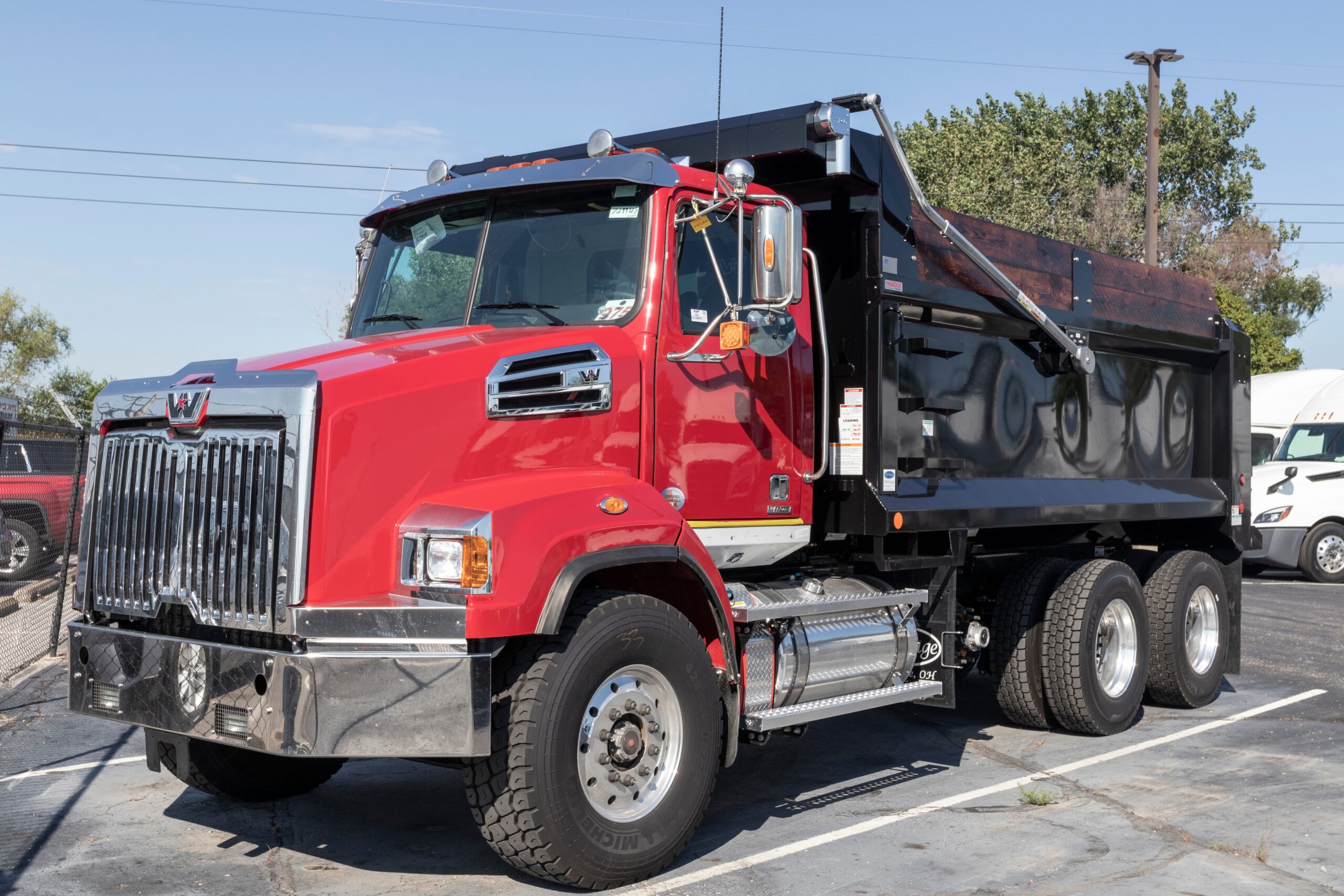
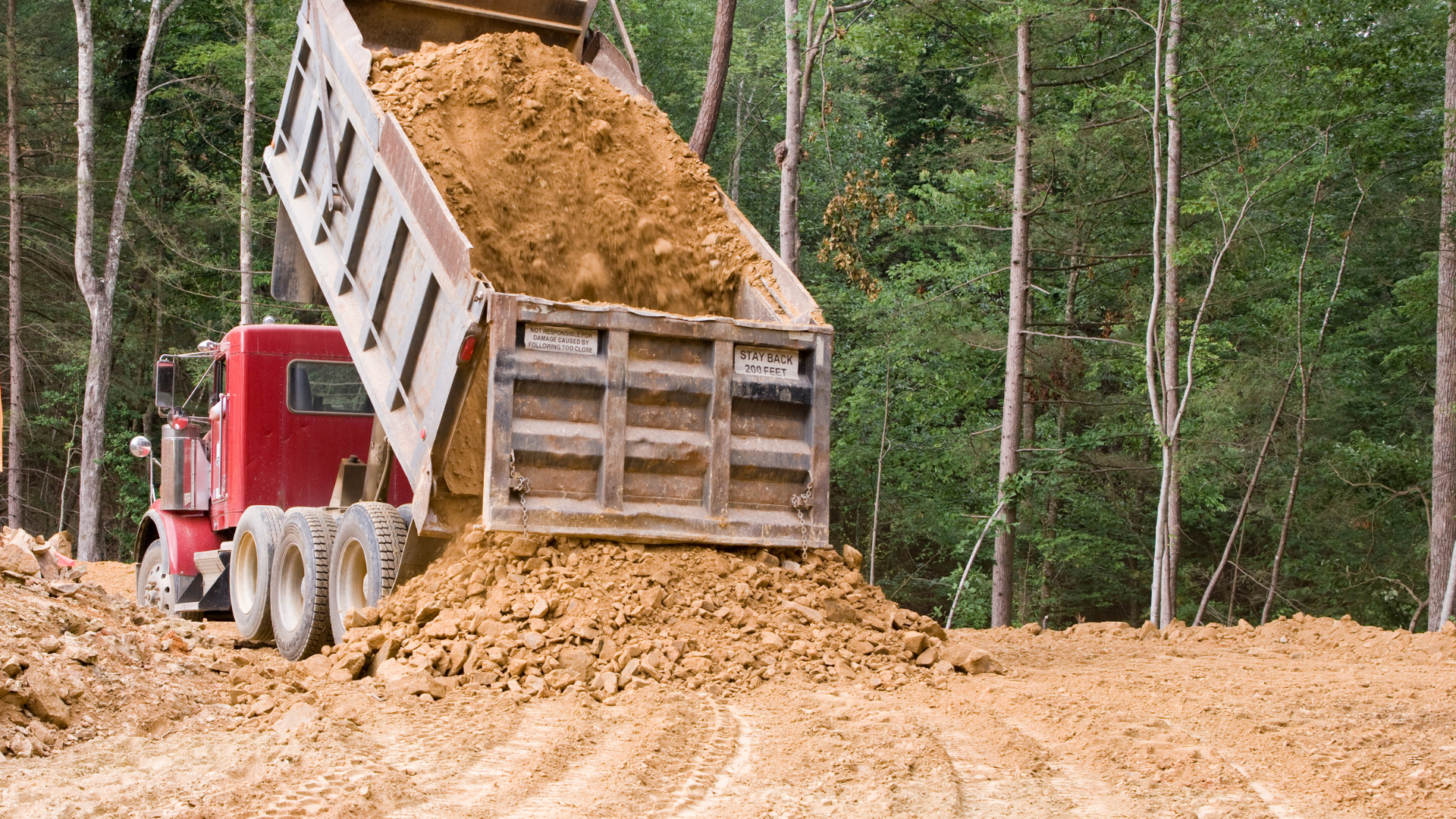
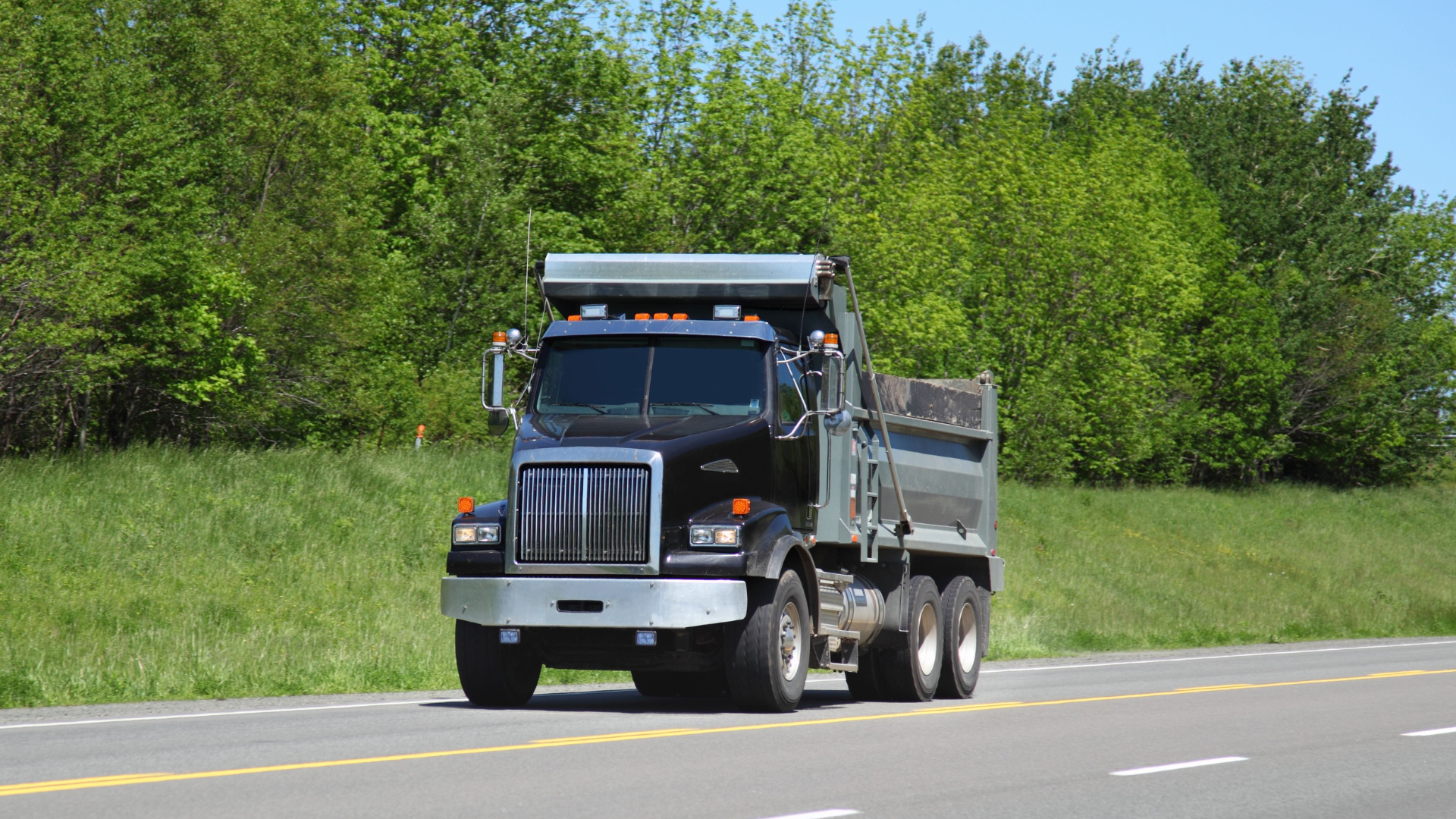
- Tandem-Axle Dump Trucks: Featuring 14- to 16-foot steel or aluminum dump bodies capable of carrying 12 to 14 cubic yards of material, these trucks move aggregate, crushed granite, soil, and hot-mix asphalt. High-side variants handle demolition debris removal.
- Water Trucks (2,000 to 4,000 Gallons): Essential for soil compaction, dust control, and environmental compliance on large civil earthmoving projects. Units include front spray bars, rear gravity drops, and side-mounted hose reels powered by independent auxiliary pumps or direct engine Power Take-Off (PTO) systems.
- Bucket and Aerial Lift Trucks: Ranging from 45-foot to 75-foot working heights, these specialized trucks support utility expansion, electrical grid tie-ins, and high-structure exterior construction across Richmond and Columbia counties.
2026 Commercial Truck Rental Rates and Contract Structures in Augusta
Commercial vehicle pricing in Augusta reflects market supply, vehicle specification, term length, and seasonal demand driven by local infrastructure spending. Contractors can choose between short-term spot rentals and long-term project leases.
Contractual Billing Considerations: Commercial truck rentals differ from standard auto rentals by incorporating engine hour limits alongside vehicle mileage. Units equipped with hydraulic PTO systems (such as dump bodies, cranes, and water pumps) monitor pump operating hours to compute auxiliary equipment wear fees.
Rate Breakdown by Vehicle Class
- Light-Duty & Crew Cab Pickups (4x4, 3/4-Ton to 1-Ton): Monthly rates average $1,400 to $2,100. Weekly rates range between $450 and $650. Mileage allowances typically cap at 1,000 free miles per week, with excess miles billed at $0.25 to $0.35 per mile.
- Medium-Duty Flatbeds & Service Trucks (Non-CDL): Monthly rentals range from $2,200 to $3,400 depending on body customization (such as continuous hydraulic power or specialized crane extensions). Daily rentals average $180 to $270.
- Tandem-Axle Dump Trucks (Class 8): Rates range from $4,200 to $5,800 per month or $1,200 to $1,600 per week. Rental terms often mandate minimum operating period guarantees and strict tire wear inspection standards.
- Water Trucks (2,000–4,000 Gallon Capacity): Monthly rates range between $2,800 and $4,100, varying by chassis capacity and tank coating requirements (potable water versus non-potable dust suppression configurations).
Summary Matrix: Construction Truck Specifications and Rates
| Equipment Category | Nominal GVWR Range | Driver License Required | Typical Payload / Capacity | Average Monthly Rental Rate Range (2026) | Primary Job Site Application |
|---|---|---|---|---|---|
| Heavy Crew Cab 4x4 | 10,000 – 14,000 lbs | Standard (Class C) | 3,500 – 4,500 lbs payload | $1,400 – $2,100 | Field supervision, light tool towing |
| Flatbed / Stake Bed | 14,500 – 25,999 lbs | Standard (Class C) | 6,000 – 12,000 lbs payload | $1,800 – $2,600 | Palletized cargo, equipment delivery |
| Non-CDL Service Truck | 17,500 – 25,999 lbs | Standard (Class C) | 5,000 – 8,000 lbs body cap. | $2,200 – $3,200 | On-site machinery maintenance |
| Single-Axle Dump | 19,500 – 25,999 lbs | Standard (Class C) | 5 – 7 Cubic Yards | $2,500 – $3,600 | Urban aggregate hauling, tight access sites |
| Tandem-Axle Dump | 54,000 – 66,000 lbs | Commercial (Class B) | 12 – 14 Cubic Yards | $4,200 – $5,800 | Large earthmoving, site excavation |
| Water Truck (Dust Control) | 26,000 – 33,000 lbs | Commercial (Tanker) | 2,000 – 4,000 Gallons | $2,800 – $4,100 | Site dust suppression, subgrade compaction |
Regional Compliance, GDOT Standards, and Local Staging Rules
Operating commercial fleets within Augusta-Richmond County requires adherence to state transportation laws, federal safety regulations, and local traffic management ordinances.
- Project Scope & Weight Needs
- Vehicle & CDL Class Identification
- Insurance & Credit Account Approval
- Pre-Delivery Mechanical Inspection
- Site Deployment & GDOT Compliance
Georgia Department of Transportation (GDOT) Weight and Axle Regulations
Vehicles operating on interstate routes such as I-20 and regional connectors like the Bobby Jones Expressway (I-520) must strictly observe weight limitations set by the Georgia Department of Transportation.
- Gross Weight Limits: Maximum legal gross vehicle weight without an over-dimensional/overweight permit is 80,000 lbs on interstate highways and designated federal routes, subject to axle spacing formulas.
- Single Axle Limit: Maximum 20,340 lbs.
- Tandem Axle Limit: Maximum 34,000 lbs.
- Overweight Hauling Permits: Tandem-axle dump trucks operating at maximum body volume with wet aggregate or dense sub-base soil often exceed standard axle limits. Rental fleet managers must assist contractors in securing GDOT single-trip or annual network permits if site conditions demand maximum tonnage movements.
Commercial Insurance and FMCSA Regulatory Requirements
Before releasing any commercial work truck, vehicle rental agencies require verifiable insurance policies meeting strict minimums:
- Commercial Auto Liability: Standard policies require a minimum of $1,000,000 Combined Single Limit (CSL) for personal injury and property damage.
- Comprehensive and Collision Coverage: Contractors must provide proof of physical damage protection covering the full Actual Cash Value (ACV) of the rented unit, or purchase an direct Loss Damage Waiver (LDW) from the provider.
- DOT Registration and Telematics: Vehicles with a GVWR over 10,000 lbs operated for commercial purposes are governed by Federal Motor Carrier Safety Administration (FMCSA) guidelines. If transporting materials across state lines—such as crossing the Savannah River into North Augusta, South Carolina—contractors must maintain an active US DOT number and ensure drivers comply with Electronic Logging Device (ELD) hours-of-service mandates.
Municipal Staging and Public Right-of-Way Rules
Operating or parking heavy construction vehicles on public roadways within Augusta requires coordination with the Augusta-Richmond County Traffic Engineering and Public Works departments.
Right-of-Way Permit Requirement: Leaving dump trailers, flatbeds, or utility trucks parked on public curbsides or blocking right-of-way lanes during utility work along Broad Street or Washington Road requires a temporary street closure permit. Contractors must provide traffic control plans complying with the Manual on Uniform Traffic Control Devices (MUTCD).
Step-by-Step Guide to Executing a Commercial Truck Rental
Following a structured process ensures project timelines are met while minimizing unexpected equipment costs.
Step 1: Calculate Payload and Job Site Access Requirements
Accurately calculate the weight and volume of materials to be moved. Dividing total project tonnage by truck capacity determines the number of trips required. Assess physical job site access, noting overhead utility clearances, soil bearing capacities, and gate entry widths.
Step 2: Establish Driver Eligibility and License Classifications
Review team credentials against the fleet units under consideration. If deploying non-CDL drivers, ensure selected trucks carry a GVWR of 26,000 lbs or less. For heavy trucks, confirm that assigned operators hold active Class A or B CDLs with appropriate endorsements (e.g., Tanker endorsement for water trucks).
Step 3: Establish Rental Accounts and Submit Insurance Certificates
Set up commercial credit accounts with local equipment suppliers at least 5 business days before deployment. Submit an Insurance Certificate naming the rental company as an "Additional Insured" and "Loss Payee" for physical damage.
Step 4: Perform Pre-Rental Walkaround and Mechanical Checks
Before accepting delivery or driving off the supplier lot, conduct a comprehensive vehicle inspection:
- Document existing body dents, paint scratches, and windshield cracks on the rental agreement checkout form.
- Check tire tread depth, sidewall condition, and dual-wheel spacing for lodged debris.
- Test hydraulic systems under power: raise and lower dump bodies, operate utility cranes, and verify hydraulic lines show no weeping or fluid leakage.
- Check engine oil, hydraulic fluid levels, and DEF (Diesel Exhaust Fluid) reserves.
- Confirm operation of safety equipment, including backup alarms, strobe lights, seatbelts, and fire extinguishers.
Step 5: Implement Telematics Monitoring and Maintenance Routines
Track rental units using onboard telematics systems (e.g., Geotab, Samsara). Perform daily driver checks—monitoring fluid levels, tire pressures, and brake air line pressures—to prevent mechanical downtime and avoid end-of-term repair surcharges.
Owning vs. Renting Construction Fleets in the Augusta Market
Evaluating whether to purchase capital equipment or rent commercial trucks requires analyzing total cost of ownership (TCO) against local project backlog volume.
- Capital Allocation Decision
- Rental Strategy
- Zero capital tie-up
- 100% tax deductible expense
- Full maintenance coverage
- Adaptable fleet scaling
- Ownership Strategy
- High asset utilization (>70%)
- Long-term depreciation tax gain
- In-house fleet shop required
- Capital tied in depreciating asset
- Rental Strategy
Capital Allocation and Balance Sheet Advantages
Renting commercial vehicles allows contractors to preserve credit lines and liquid capital for operational expenditures, payroll, and project bidding bonds. Rental payments are generally treated as 100% tax-deductible operating expenses (OpEx), avoiding complex multi-year asset depreciation schedules associated with capital expenditure (CapEx) purchases.
Maintenance and Downtime Risk Mitigation
Commercial truck suppliers handle routine preventative maintenance, engine servicing, component wear items, and unexpected mechanical breakdowns. If a rented dump truck suffers a transmission failure on an active site along Deans Bridge Road, the rental provider typically supplies a replacement unit, transferring downtime risk away from the contractor.
Fleet Scalability for Multi-Phase Projects
Projects often require distinct truck configurations during different construction phases. A general contractor managing a commercial build near the Augusta Canal may require water trucks during initial grading, dump trucks during earthmoving, and stake beds with boom cranes during structural framing. Renting allows contractors to swap specialized assets as project requirements change, avoiding idle fleet overhead.
Frequently Asked Questions
What driver license class is required to rent a construction dump truck in Augusta, GA?
Single-axle dump trucks with a Gross Vehicle Weight Rating (GVWR) of 26,000 lbs or less can be driven with a standard Class C driver's license. Larger tandem-axle dump trucks with a GVWR of 26,001 lbs or more require a Class B Commercial Driver's License (CDL).
What insurance coverage is required before picking up a rental work truck?
Contractors must provide a Certificate of Insurance showing a minimum of $1,000,000 in Commercial Auto Liability coverage, along with Comprehensive and Collision coverage matching the full replacement value of the vehicle. The rental supplier must be named as an Additional Insured and Loss Payee.
Are maintenance costs included in long-term commercial truck rentals?
Routine maintenance—including oil changes, filter replacements, and normal wear repairs—is typically covered by the rental provider. However, damage caused by operator negligence, site hazards, tire punctures, or improper fuel usage remains the financial responsibility of the renter.
Can rented construction trucks be driven across the Georgia-South Carolina state line?
Yes, rented commercial trucks can cross state lines, provided the contracting company holds an active US DOT number and complies with Federal Motor Carrier Safety Administration (FMCSA) requirements. Contractors must ensure their commercial auto insurance covers multi-state operation.
How are engine hours calculated on utility and dump truck rentals?
Rental providers monitor engine hours using integrated telematics or physical hour meters connected to the vehicle engine and Power Take-Off (PTO) systems. Standard rental agreements include a set number of operating hours per week or month, with auxiliary equipment use beyond those limits billed at set hourly rates.
What permits are required to operate heavy dump trucks on Augusta city roads?
Standard legal-weight construction trucks do not require special road permits for normal transit. However, operating overweight vehicles that exceed Georgia Department of Transportation (GDOT) axle limits, or staging equipment within public rights-of-way, requires overweight permits from GDOT and temporary street use permits from the Augusta-Richmond County Public Works Department.
Fleet Strategy and Rental Execution
Optimizing commercial fleet performance requires aligning equipment specifications with actual site demands. Renting construction trucks in Augusta offers contractors operational flexibility, clear cost predictability, and immediate access to modern commercial vehicles without heavy capital investments. By partnering with local rental suppliers, maintaining strict GDOT compliance, and verifying driver credentials prior to deployment, construction firms can maximize job site productivity while keeping operational risks under control.
Image Gallery