Best Life Insurance for a Young Family: A Comprehensive Guide for 2026
The best life insurance for a young family is typically term life insurance. It provides the highest coverage amount for the lowest monthly premium, protecting your family during the years of greatest financial vulnerability. For most...
The best life insurance for a young family is typically term life insurance. It provides the highest coverage amount for the lowest monthly premium, protecting your family during the years of greatest financial vulnerability. For most parents in 2026, a 20- or 30-year term policy offers the ideal balance of affordability and long-term security.
Contents
Life insurance is often the last thing on a young parent's mind, yet it is arguably the most critical component of a foundational financial plan. When you have a spouse, children, or a mortgage, your income is no longer just yours—it is the fuel that keeps your family's world turning. If that fuel source is suddenly removed, life insurance steps in to ensure your children can stay in their home, attend college, and maintain their quality of life.
Why Young Families Need Life Insurance Now
In 2026, the financial landscape for young families is characterized by high housing costs and the rising price of education. Most young couples rely on two incomes to support their lifestyle. The primary purpose of life insurance is income replacement. If one parent passes away, the death benefit provides a tax-free lump sum that replaces their lost salary.
Beyond income replacement, life insurance addresses several specific needs:
- Mortgage Protection: For most families, the home is their largest debt. A policy ensures the surviving spouse can pay off the mortgage or continue making payments without stress.
- Childcare Costs: If a stay-at-home parent passes away, the surviving working parent will likely face significant expenses for childcare and household management.
- Education Funding: A death benefit can be earmarked for future college tuition, ensuring that a tragedy today does not derail a child’s opportunities tomorrow.
- Debt Elimination: From car loans to student debt (if not discharged upon death), life insurance prevents these liabilities from falling on the survivors.
Term vs. Permanent Life Insurance: The Great Debate
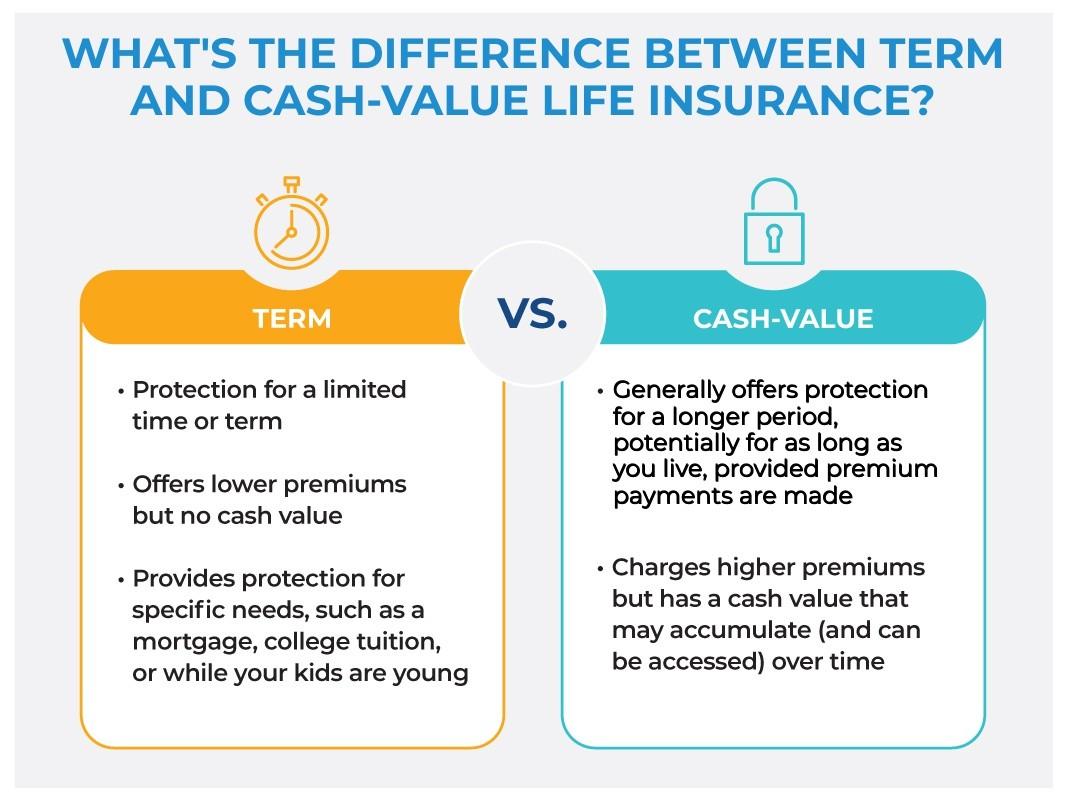
When shopping for the best life insurance for a young family, you will encounter two primary categories: term and permanent (such as whole life or universal life).
Term Life Insurance
Term life insurance covers you for a specific period—typically 10, 20, or 30 years. If you die within that timeframe, the beneficiary receives the death benefit. If you outlive the term, the policy expires.
- Pros: It is significantly cheaper than permanent insurance. For a healthy 30-year-old, a $1 million policy can often cost less than a monthly streaming subscription.
- Cons: It does not build cash value and eventually ends.
Permanent Life Insurance
Permanent insurance, including Whole Life, stays in effect for your entire life as long as premiums are paid. It includes a "cash value" component that grows over time.
- Pros: Lifelong coverage and a guaranteed payout. The cash value can be borrowed against in some circumstances.
- Cons: Premiums are often 5 to 10 times higher than term insurance for the same death benefit. For young families on a budget, this often leads to "under-insuring"—buying a smaller policy than needed just to afford the permanent premiums.
The Verdict for 2026: Most financial experts recommend that young families "buy term and invest the difference." By opting for the lower cost of term insurance, families can use the savings to fund their 401(k)s or 529 college savings plans.
Top Life Insurance Providers for Young Families in 2026
The following companies have established themselves as leaders in 2026 based on financial strength, ease of application, and product flexibility for young parents.
| Provider | Best For... | Key Feature | Financial Strength (AM Best) |
|---|---|---|---|
| Banner Life (Legal & General) | Competitive Pricing | Excellent rates for 30-40 year terms | A+ |
| Ethos | Speed and Ease | No-medical-exam options for many | A- to A+ (Varies by carrier) |
| Northwestern Mutual | Long-term Stability | Top-tier dividends on permanent policies | A++ |
| State Farm | Customer Service | High satisfaction ratings and local agents | A++ |
| Guardian | New Parents | Flexible riders for growing families | A++ |
| Ladder | Flexibility | Easy to "ladder" (adjust) coverage up or down | A |
Banner Life (Legal & General)
Banner Life remains a top choice for young families due to its aggressive pricing. They are particularly known for offering lower rates to individuals who may have minor health issues, making them an accessible option for parents who aren't in "perfect" health but are still generally fit.
Ethos and Ladder
These "insurtech" companies have revolutionized the 2026 market by utilizing data-driven underwriting. For many young, healthy parents, Ethos and Ladder allow you to apply online and receive a decision in minutes without a medical exam. This is ideal for busy parents who don't have time to schedule a nurse visit.
State Farm
If you prefer a personal touch, State Farm’s massive network of local agents provides a level of guidance that digital platforms cannot match. They are often the best choice for families who want to bundle their life insurance with auto and homeowners' policies.
How Much Coverage Do You Actually Need?
A common mistake young families make is choosing a "round number" like $250,000 or $500,000 without doing the math. In 2026, given inflation and the cost of living, these amounts may be insufficient.
A reliable method is the DIME Formula:
- Debt: Total all your debts, excluding your mortgage (credit cards, car loans).
- Income: Multiply your annual salary by the number of years your family would need support (usually until the youngest child is 18 or 22). A common multiplier is 10x to 15x your income.
- Mortgage: Include the remaining balance on your home loan.
- Education: Estimate the cost of college for each of your children.
Example Calculation: If you earn $75,000, have a $300,000 mortgage, $20,000 in debt, and two children, your calculation might look like this:
- Debt: $20,000
- Income (10 years): $750,000
- Mortgage: $300,000
- Education: $200,000
- Total Needed: $1,270,000
Essential Riders for Young Families
Riders are optional add-ons that customize your policy. For young families, three riders are particularly valuable:
1. Waiver of Premium
If the policyholder becomes totally disabled and cannot work, this rider waives the premium payments while keeping the insurance in force. For a young family, disability is statistically more likely than death, making this a vital safeguard.
2. Child Term Rider
This provides a small amount of life insurance for your children. While the death of a child is a tragedy no one wants to imagine, this rider helps cover funeral costs and allows parents to take time off work to grieve. It is usually very inexpensive and covers all current and future children.
3. Accelerated Death Benefit
Most modern policies include this at no extra cost. It allows you to access a portion of the death benefit while you are still alive if you are diagnosed with a terminal illness. This can be used for medical bills or to improve quality of life in your final months.
The Application Process: What to Expect in 2026
The process of getting life insurance has become significantly more streamlined. By 2026, "accelerated underwriting" is the industry standard for most healthy applicants under age 50.
- The Quote: You provide basic info (age, gender, health status, smoking habits) to get an estimate.
- The Application: You answer detailed questions about your medical history, family health history, driving record, and lifestyle (e.g., "Do you skydive?").
- Underwriting: The insurance company verifies your data. They may check your prescription drug history, Motor Vehicle Report (MVR), and the MIB (formerly Medical Information Bureau) database.
- The Medical Exam (If Required): If the company cannot approve you instantly, they may request a brief exam. A technician comes to your home to take your height, weight, blood pressure, and a blood/urine sample.
- Approval and Policy Delivery: Once approved, you sign the final documents (usually via e-signature) and pay your first premium to "bind" the coverage.
Common Pitfalls to Avoid
Relying solely on "Work Life Insurance" Many young professionals have life insurance through their employer, often equal to one or two years of salary. While this is a great perk, it is rarely enough. Furthermore, this coverage is usually not portable. If you change jobs or are laid off, you lose the coverage precisely when you might need it most. Always maintain an individual policy outside of work.
Waiting Too Long to Buy Life insurance premiums are based on age and health. Every year you wait, the cost increases. More importantly, if you develop a health condition (like high blood pressure or gestational diabetes), your rates could skyrocket or you could become uninsurable.
Naming Minor Children as Beneficiaries Insurance companies cannot pay out death benefits directly to minors. If you name your toddler as the beneficiary, the court will have to appoint a guardian to manage the money, which is a slow and expensive process. Instead, name your spouse or create a life insurance trust to manage the funds for your children.
Practical Recommendations for 2026
If you are a young family looking for the best life insurance, your next steps should be:
- Calculate your "DIME" number to determine your actual coverage need.
- Prioritize term life over permanent life unless you have a specific estate planning need or a child with lifelong special needs.
- Aim for a 30-year term if you have newborns. This ensures coverage remains in place until they are through college and financially independent.
- Get quotes from at least three providers. Use a mix of traditional companies like State Farm and digital providers like Ethos to compare pricing and convenience.
- Apply while you are healthy. The "youth discount" is the most effective way to save money on life insurance.
Frequently Asked Questions
Is life insurance taxable for my family? Generally, no. Death benefits from life insurance are almost always paid out to beneficiaries as a tax-free lump sum. However, if the benefit is paid into an estate that exceeds federal or state estate tax thresholds, there could be tax implications.
Can stay-at-home parents get life insurance? Absolutely, and they should. A stay-at-home parent provides services (childcare, transportation, household management) that would be incredibly expensive to replace. Insurance companies allow "non-working spouse" coverage, usually up to the amount the working spouse carries.
What happens if I start smoking or develop a health issue after I buy the policy? Once the policy is "in force" and as long as you were honest on your application, your rates are locked in. The insurance company cannot raise your premiums or cancel your coverage if your health declines later. This is why buying early is so advantageous.
What is "Laddering" life insurance? Laddering involves buying multiple policies of different lengths to save money. For example, a parent might buy a $500,000 30-year policy to cover the mortgage and a $500,000 20-year policy to cover the years the kids are at home. This provides maximum coverage when needed most and reduces costs as debts are paid off.
Does life insurance cover suicide? Most policies have a "suicide clause" that lasts for the first two years of the policy. If the policyholder dies by suicide within that period, the company will only refund the premiums paid. After the two-year mark, the death benefit is typically paid out.
Image Gallery