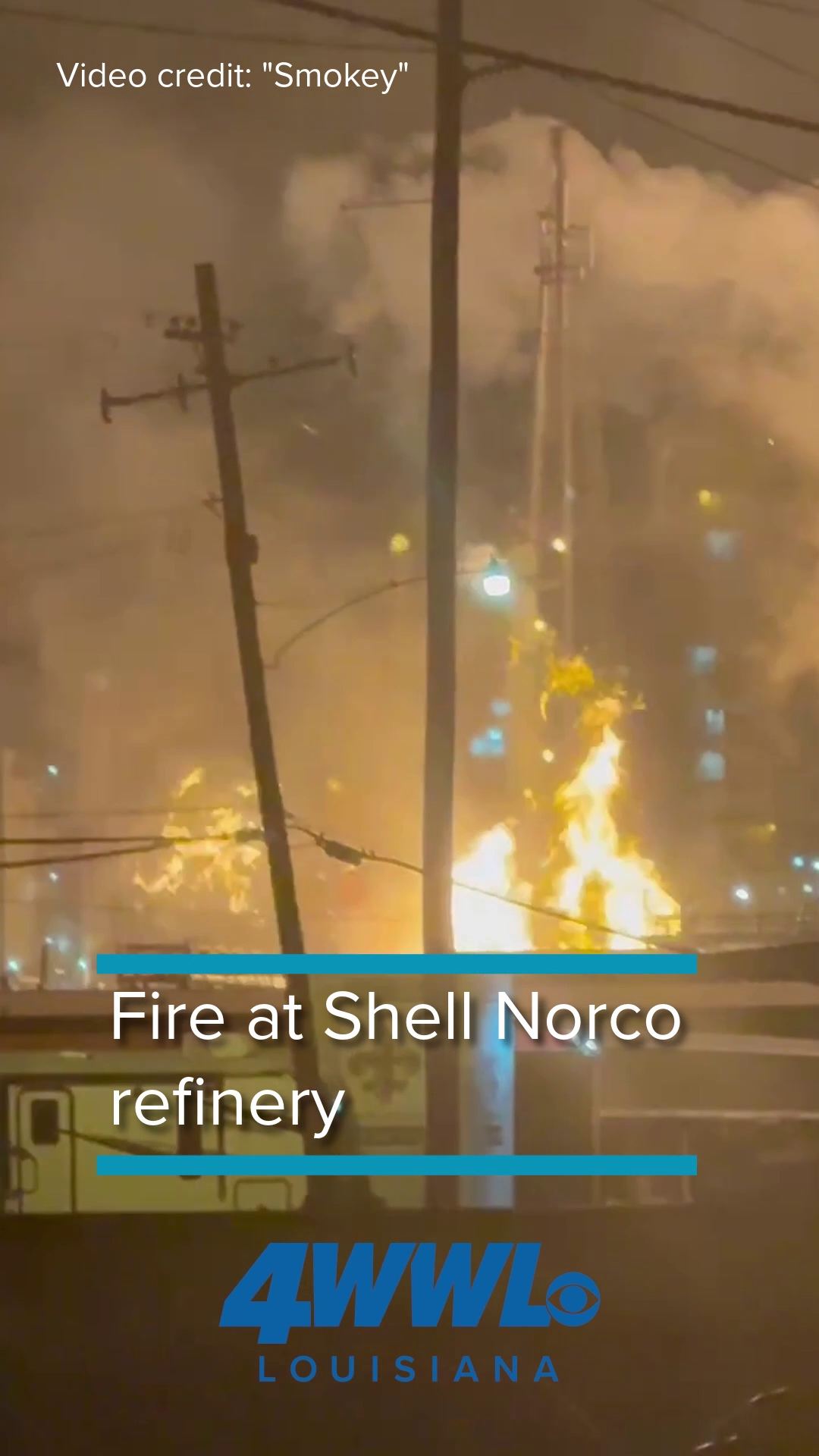
The Norco Manufacturing Complex: A Deep Dive into Louisiana’s Petrochemical Hub
The Norco Refinery, officially known as the Shell Norco Manufacturing Complex, is one of the most significant integrated refining and petrochemical facilities in the United States. Located in Norco, Louisiana, approximately 25 miles we...
The Norco Refinery, officially known as the Shell Norco Manufacturing Complex, is one of the most significant integrated refining and petrochemical facilities in the United States. Located in Norco, Louisiana, approximately 25 miles west of New Orleans, the site processes approximately 240,000 to 250,000 barrels of crude oil per day into essential transportation fuels and chemical building blocks. As of 2026, it remains a cornerstone of Shell’s global portfolio and a vital contributor to the Gulf Coast energy corridor.
Contents
Understanding the Norco Manufacturing Complex
The Norco facility is unique due to its highly integrated nature. Unlike many sites that focus solely on refining crude oil into gasoline or diesel, Norco consists of both a refinery and a chemical plant. This "integrated" model allows the facility to maximize the value of every barrel of oil by diverting specific hydrocarbon streams to either fuel production or chemical manufacturing, depending on market demand and operational efficiency.
The complex is situated in St. Charles Parish, along the east bank of the Mississippi River. This strategic location provides the refinery with deep-water access for global exports and imports, as well as proximity to extensive pipeline networks that distribute finished products across the Eastern United States.
Ownership and Management
The site is owned and operated by Shell (specifically Shell Chemical LP and Shell Norco Refining). Historically, Norco was part of the "Louisiana Refining Complex," which included the Convent refinery. However, following Shell's decision to idle the Convent facility in late 2020 as part of its global restructuring, Norco has taken on a more centralized role in Shell’s U.S. Gulf Coast operations. By 2026, Norco serves as a primary hub within Shell’s "Powering Progress" strategy, focusing on high-value products and the gradual transition toward lower-carbon energy solutions.
Core Operations and Technical Capacity
The Norco Refinery operates a diverse array of processing units designed to handle various crude oil grades, though it primarily processes light, sweet crudes often sourced from the Gulf of Mexico or the Permian Basin.
Refining Capabilities
The refining side of the house is focused on the production of high-quality transportation fuels. Key units include:
- Crude Distillation Units (CDU): The first stop for incoming crude, where oil is heated and separated into fractions based on boiling points.
- Fluid Catalytic Cracking Unit (FCCU): One of the largest units on-site, the FCCU breaks down heavier, less valuable oil fractions into high-octane gasoline components and light olefins.
- Hydrocrackers and Hydrotreaters: These units use hydrogen to remove impurities like sulfur and nitrogen, ensuring the final fuels meet stringent EPA Tier 3 environmental standards.
- Catalytic Reformers: These units convert naphtha into high-octane blendstocks used to produce premium gasoline.
Chemical Production (The Lower Olefins Unit)
The chemical plant at Norco is a major producer of ethylene, propylene, and butadiene. These are the "building blocks" of the modern world.
- Ethylene: Used in the production of polyethylene for packaging, piping, and medical devices.
- Propylene: A precursor for polypropylene, used in automotive parts and textiles.
- Butadiene: Essential for the production of synthetic rubber, primarily for the tire industry.
| Product Category | Primary End Use | Estimated Annual Output |
|---|---|---|
| Gasoline | Passenger vehicles and light trucks | ~100,000+ Barrels/Day |
| Jet Fuel | Commercial aviation and defense | Significant regional supplier |
| Ultra-Low Sulfur Diesel | Freight transport and agriculture | ~60,000+ Barrels/Day |
| Ethylene/Propylene | Plastics and chemical manufacturing | Multi-billion pound capacity |
| Anode Coke | Aluminum smelting and steel production | Industrial byproduct |
The Role of Norco in the 2026 Energy Landscape
By 2026, the Norco refinery has adapted to the shifting global energy landscape. While traditional petroleum products remain its core output, the facility has integrated several "future-proofing" initiatives to align with Shell’s goal of becoming a net-zero emissions energy business by 2050.
Sustainable Aviation Fuel (SAF) and Renewables
One of the most significant developments at the Norco complex in recent years has been the exploration and implementation of Sustainable Aviation Fuel (SAF) production. By co-processing bio-feedstocks or utilizing dedicated units, the refinery contributes to the decarbonization of the aviation sector. This shift is critical as airlines face increasing pressure to reduce their carbon footprints, and Norco’s proximity to major aviation hubs makes it an ideal supplier.
Carbon Capture and Emissions Reduction
Shell has invested heavily in carbon capture and storage (CCS) technologies within the Louisiana industrial corridor. The Norco facility has implemented advanced fenceline monitoring systems and upgraded its furnaces and boilers to improve energy efficiency. These technical upgrades serve two purposes: reducing the facility's direct (Scope 1) emissions and lowering operating costs by reducing fuel consumption within the refinery itself.
Safety, Environment, and Community Relations
Operating a massive industrial complex in a residential area presents significant challenges. The town of Norco (an acronym for the New Orleans Refining Company) grew around the facility, leading to a complex relationship between the industry and the local population.
Historical Context and the Diamond Community
Any discussion of Norco must acknowledge the history of the Diamond community. In the late 20th century, residents of this predominantly Black neighborhood voiced significant concerns regarding air quality and safety, particularly following a major explosion in 1988 that killed seven workers and damaged nearby homes. After years of activism, Shell eventually funded a voluntary relocation program for the Diamond residents in the early 2000s, a landmark event in the history of environmental justice in the United States.
Modern Safety Protocols
In 2026, safety at Norco is governed by rigorous Process Safety Management (PSM) standards. The facility employs a "Goal Zero" policy, aiming for no leaks and no injuries. Technical safety layers include:
- Automated Shutdown Systems: High-integrity pressure protection systems (HIPPS) that can isolate units in milliseconds if an anomaly is detected.
- Regular Turnarounds: Periodic, planned shutdowns where every piece of equipment is inspected, cleaned, and repaired.
- Community Advisory Panels (CAP): Regular meetings between Shell leadership and Norco residents to discuss environmental data, upcoming projects, and safety drills.
Environmental Regulatory Compliance
The refinery is subject to oversight from the Environmental Protection Agency (EPA) and the Louisiana Department of Environmental Quality (LDEQ). It operates under Title V Air Permits and National Pollutant Discharge Elimination System (NPDES) permits for water discharge. In recent years, the focus has shifted heavily toward reducing "flaring"—the burning of excess gases—by improving compressor reliability and gas recovery systems.
Economic Impact on St. Charles Parish and Louisiana
The Norco Manufacturing Complex is one of the largest employers in St. Charles Parish. Its economic footprint extends far beyond the refinery gates:
- Direct Employment: The site employs over 1,000 full-time staff and hundreds of embedded contractors. These are high-wage, high-skill jobs in engineering, operations, and maintenance.
- Tax Revenue: Property taxes paid by Shell are a primary source of funding for St. Charles Parish schools, infrastructure, and emergency services.
- Indirect Economy: For every one job at the refinery, several more are created in the local economy, from industrial supply houses to local restaurants and housing.
- Supply Chain Integration: Norco provides the raw materials for other chemical plants along the "Industrial Corridor," supporting a vast network of manufacturing across South Louisiana.
Challenges and Future Outlook
While Norco remains a powerhouse, it faces several headwinds in the late 2020s.
Hurricane Resilience
Located in a hurricane-prone region, Norco must maintain extreme weather readiness. The lessons of Hurricane Ida (2021), which caused a total blackout and significant damage to the region's power grid, led to increased investments in on-site power generation and hardened infrastructure. By 2026, the facility has improved its ability to safely shut down and rapidly restart following major storm events.
The Energy Transition
As electric vehicle (EV) adoption increases, the long-term demand for motor gasoline is projected to plateau or decline. Norco’s strategy involves shifting its "yield" toward chemicals and jet fuel, which are harder to electrify. The integration of the chemical plant provides a natural hedge against declining gasoline demand, as the world’s need for advanced plastics and materials continues to grow.
Frequently Asked Questions
Who owns the Norco Refinery?
The Norco refinery is owned and operated by Shell. It consists of two major components: Shell Norco Refining and Shell Chemical LP, which work together as a single integrated manufacturing complex.
What is the production capacity of the Norco facility?
The refinery has a crude oil throughput capacity of approximately 240,000 to 250,000 barrels per day. Additionally, the chemical plant is one of the largest producers of ethylene and propylene in the United States.
Where exactly is the Norco refinery located?
It is located in Norco, Louisiana, within St. Charles Parish. The site sits on the east bank of the Mississippi River, roughly 25 miles upstream from New Orleans.
What happened to the Diamond community in Norco?
Following years of environmental concerns and the 1988 refinery explosion, Shell initiated a voluntary relocation program for the residents of the Diamond community. Most residents chose to move, and the land was converted into a greenbelt buffer zone between the refinery and the rest of the town.
Does the Norco refinery produce Sustainable Aviation Fuel (SAF)?
Yes, as part of Shell’s transition to lower-carbon energy, the Norco complex has been involved in initiatives to produce and distribute Sustainable Aviation Fuel (SAF) to meet the growing demand from the aviation industry for lower-emission fuels.
Final Practical Guidance
For those seeking employment or business opportunities with the Norco Manufacturing Complex, it is essential to monitor Shell’s official careers portal and the Louisiana Workforce Commission. Due to the high-risk nature of the work, all contractors and employees must undergo rigorous safety training, often through the Gulf Coast Safety Council. For residents or environmental stakeholders, the LDEQ’s EDMS (Electronic Document Management System) provides public access to the facility’s latest environmental permits and compliance reports.
Image Gallery