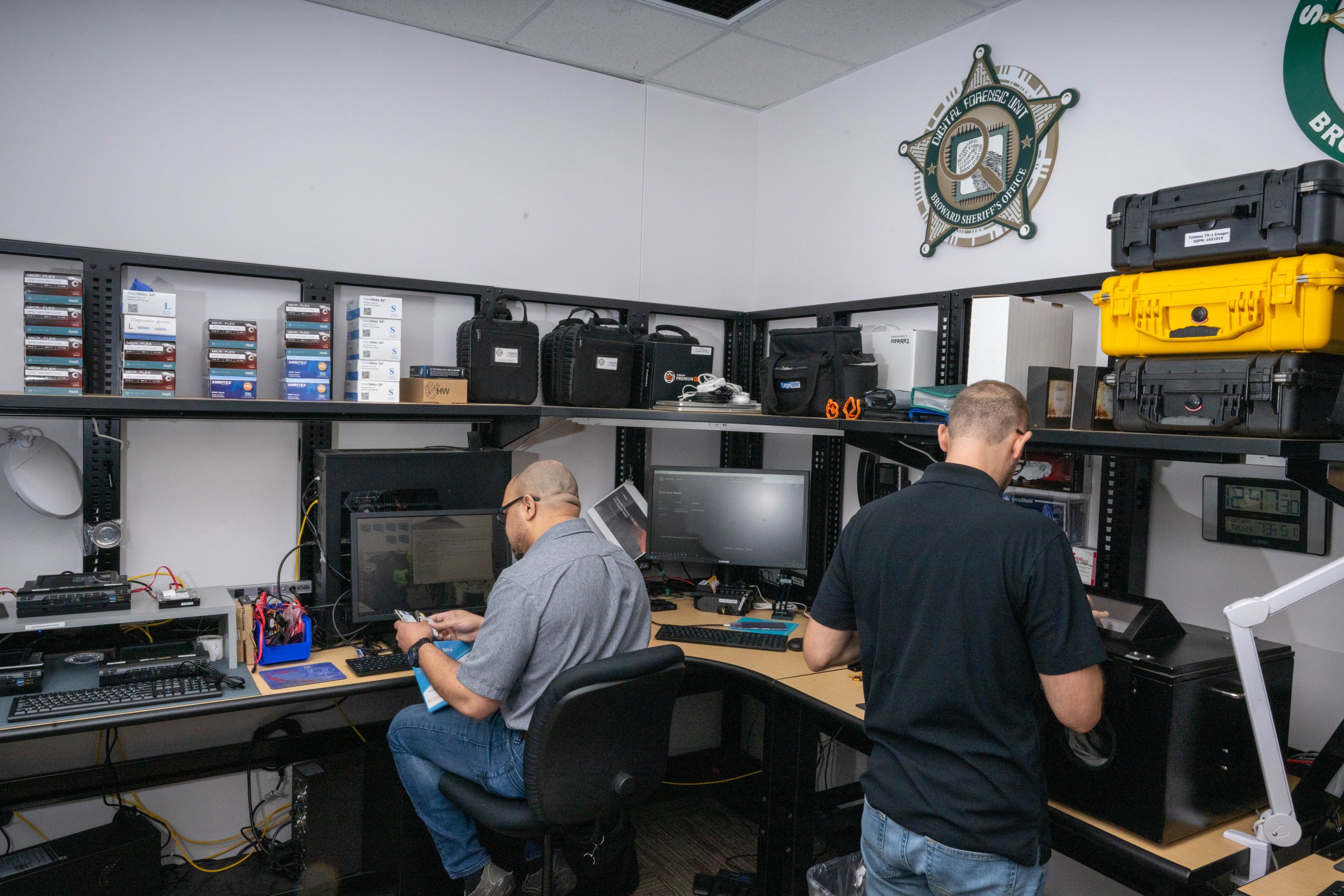
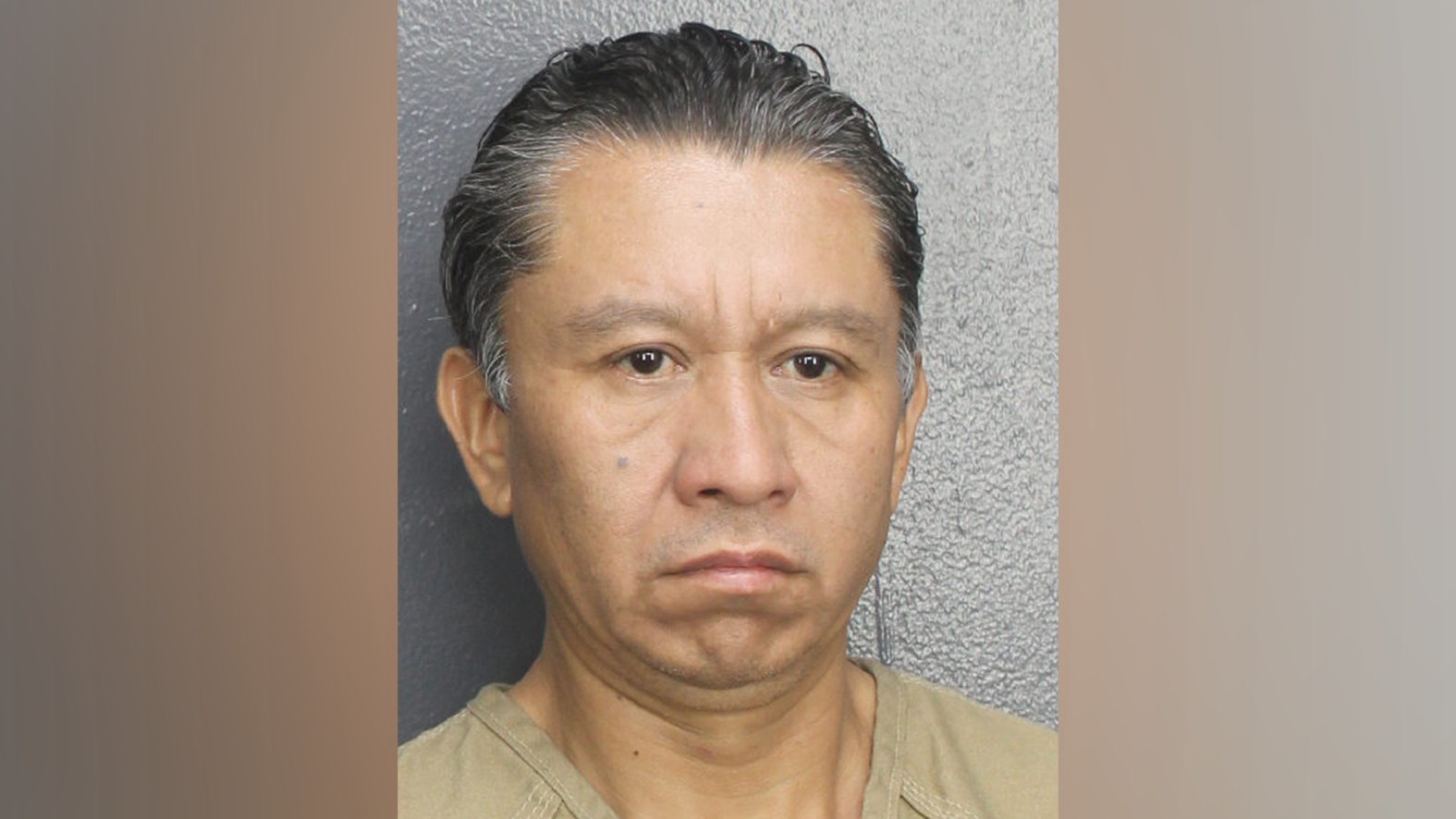
Fort Lauderdale Arrest Search: Complete 2026 Public Records Guide
Conducting a Fort Lauderdale arrest search requires navigating specific county and municipal law enforcement databases, such as the Broward County Sheriff's Office (BSO) jail lookup and local police department records. Understanding ju...
Conducting a Fort Lauderdale arrest search requires navigating specific county and municipal law enforcement databases, such as the Broward County Sheriff's Office (BSO) jail lookup and local police department records. Understanding jurisdictional boundaries, required identifiers like booking numbers or case numbers, and data privacy regulations ensures accurate, legally compliant record retrieval for background checks, court preparation, or personal safety verification.
Contents
Understanding the Legal Framework of Public Arrest Records in Florida
Public arrest records in Florida are governed by Chapter 119 of the Florida Statutes, commonly known as the Florida Public Records Act. Under this legislation, most records maintained by law enforcement agencies, including booking photographs, incident reports, and arrest affidavits, are open for public inspection. However, significant legislative refinements and operational policies impact how these records are accessed, distributed, and displayed in 2026.
Law enforcement agencies and third-party background screening platforms must balance public transparency with individual privacy rights. Certain categories of information remain strictly confidential, including juvenile records, matters involving sexual assault victims, and ongoing criminal investigations where disclosure could compromise law enforcement operations or constitutional due process. Furthermore, Florida law provides mechanisms for individuals to seal or expunge specific criminal history records, which removes them from public search engines maintained by local agencies.
When conducting a search, it is critical to distinguish between different types of legal statuses:
- Detained/In Custody: Individuals currently housed within a correctional facility awaiting trial or transfer.
- Released on Bond: Individuals who have posted financial surety or property bonds to secure pre-trial release while charges remain pending.
- Discharged/Dismissed: Cases where charges were formally dropped by the State Attorney's Office or dismissed by a judge.
- Convicted: Individuals who entered a guilty plea, no contest plea, or were found guilty at trial, resulting in sentencing.
Official Jurisdictions and Agencies Serving Fort Lauderdale
A comprehensive search often extends beyond a single municipal portal because Fort Lauderdale spans multiple overlapping law enforcement jurisdictions. Knowing which agency effected the arrest dictates where the primary records are housed during the initial intake phase.
The Broward Sheriff's Office (BSO) operates the county jail system and maintains the centralized inmate database for all municipalities within Broward County, unless an individual was booked into a specific municipal holding facility and released prior to county jail transfer. The Fort Lauderdale Police Department (FLPD) handles local municipal patrol and initial incident response within city limits. Additional regional oversight involves the 17th Judicial Circuit Court of Florida, which processes subsequent court filings, dockets, and case dispositions.
Primary Law Enforcement and Corrections Contact Points
- Broward County Sheriff's Office (BSO) Department of Detention: Manaries intake for major county facilities, including the Main Jail Bureau and Joseph V. Conte Facility.
- Fort Lauderdale Police Department (FLPD) Records Division: Processes local police reports, traffic crash reports, and departmental incident logs.
- Clerk of the Courts, Broward County: Maintains the official repository of court dockets, criminal charges, sentencing orders, and payment histories.
Step-by-Step Guide to Performing a Fort Lauderdale Arrest Search
Executing an effective search requires a systematic approach using official government portals to avoid inaccurate data found on unregulated aggregate websites.
- Identify the Subject's Information: Gather the exact legal first and last name, date of birth, and, if available, the specific booking number or case tracking number. Middle names or initials significantly reduce false matches.
- Access the BSO Inmate Lookup Tool: Navigate to the official Broward Sheriff's Office website and access their public inmate search portal to check current custody status and recent bookings within the past 24 to 72 hours.
- Search the Broward County Clerk of Courts Portal: If the arrest occurred outside the immediate 72-hour window, search the Clerk of Courts case search engine (Comprehensive Case Information System) to locate formal criminal charges, upcoming court dates, and assigned judges.
- Request Municipal Police Reports: For detailed narratives of the arrest, submit a public records request directly to the Fort Lauderdale Police Department Records Division using the incident report number.
- Verify Case Dispositions: Cross-reference jail logs with court dockets to confirm whether charges were filed by the State Attorney's Office, ensuring you have the most up-to-date legal status.
Comparison of Record Retrieval Methods
Choosing the correct platform depends on whether you need real-time custody confirmation, historical court dockets, or certified background checks for employment or housing.
| Search Method | Primary Data Source | Cost | Best Used For | Limitations |
|---|---|---|---|---|
| BSO Inmate Lookup | Broward Sheriff's Office Jail Database | Free | Locating individuals currently in custody or recently booked | Limited historical data beyond active confinement or recent releases |
| Broward Clerk of Courts | 17th Judicial Circuit Court Dockets | Free (viewing) / Fee (documents) | Tracking formal charges, court dates, and case dispositions | Requires precise matching; navigation can be complex for novices |
| FDLE Criminal History | Florida Department of Law Enforcement | Paid ($24 per search) | Official state-wide background checks and employment screening | Does not capture out-of-state records or sealed/expunged files |
| Commercial Aggregators | Scraped Public Data & Proprietary Databases | Subscription / Per-report Fee | Broad preliminary screening across multiple states | Frequently outdated, inaccurate, or legally restricted for employment screening |
Common Pitfalls and Troubleshooting Strategies
Navigating public records databases frequently presents technical and logistical challenges. Understanding common failure points ensures efficient searches.
- Common Name Overload: Searching for common names (e.g., Smith, Rodriguez) yields dozens of results. Narrow your search by utilizing birth dates, middle initials, or specific booking dates.
- Data Lag Between Agencies: There is often a 24-to-48-hour delay between an initial municipal arrest by the Fort Lauderdale Police Department, transport to the BSO jail, and final entry into the Clerk of Courts docket system. If a recent arrest does not appear immediately, check the daily arrest logs rather than the comprehensive search engine.
- Sealed and Expunged Records: If a record does not appear despite known historical arrest data, the record may have been legally sealed or expunged pursuant to Florida Rules of Criminal Procedure. Law enforcement agencies and private background services handle these statuses differently based on statutory exemptions.
- Misdemeanor vs. Felony Discrepancies: Municipal ordinance violations and minor misdemeanors may be handled differently in initial booking logs compared to violent or property felonies, occasionally requiring separate municipal records requests.
Frequently Asked Questions
How can I find out if someone was arrested in Fort Lauderdale today?
You can search the Broward Sheriff's Office (BSO) online inmate lookup tool or review the daily arrest logs published by local law enforcement agencies. These databases update continuously as new bookings are processed through the county jail system.
Are mugshots publicly accessible in Fort Lauderdale and Broward County?
Yes, mugshots associated with current bookings and public arrest records are generally accessible through the BSO inmate database and public records requests. However, Florida law places restrictions on commercial entities publishing or demanding fees to remove booking photographs.
What is the difference between the BSO jail lookup and the Clerk of Courts search?
The BSO lookup tracks individuals currently in custody or recently processed through the jail system, while the Clerk of Courts search tracks the formal legal case, criminal charges, court appearances, and final trial dispositions handled by the judiciary.
Can I run a Fort Lauderdale arrest search anonymously?
Yes, online public portals operated by the Broward Sheriff's Office and the Clerk of Courts do not require user registration or personal identification to perform standard inmate and case searches.
How long do arrest records remain public in Florida?
Arrest records remain public indefinitely unless the subject successfully petitions the court to seal or expunge the criminal record in accordance with Florida Statute 943.0585 and 943.059. Once sealed or expunged, public access is legally restricted.
What information do I need to conduct an accurate records search?
Having the subject's full legal name, exact date of birth, and known booking or case numbers ensures the highest accuracy and prevents confusion caused by individuals with similar names.
Conclusion and Next Steps
Performing a reliable Fort Lauderdale arrest search requires utilizing authorized governmental repositories such as the Broward Sheriff's Office and the Broward County Clerk of Courts. Always verify data across multiple official channels to account for processing lags and ensure full legal compliance. For official employment, licensing, or housing background screenings, utilize certified state channels through the Florida Department of Law Enforcement to guarantee accuracy and adherence to state and federal consumer reporting guidelines.
Image Gallery